OEM Molecular Sieve Desiccants Market Size, Factory & Exporters

A Comprehensive Technical Whitepaper on Advanced Molecular Sieve Desiccants, Global Market Valuations, Engineering Applications, and Industrial OEM Supply Chains.

Premium Desiccants & Catalyst Materials

Explore our high-performance molecular sieves, alumina catalysts, and engineered adsorbents tailored for global industrial processes.
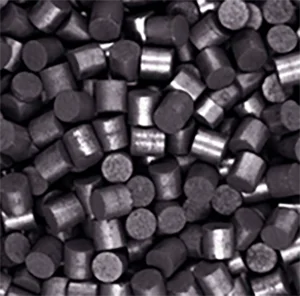
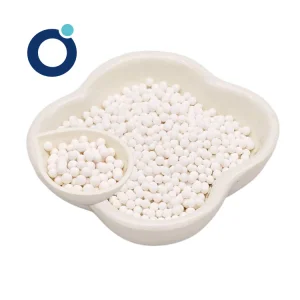
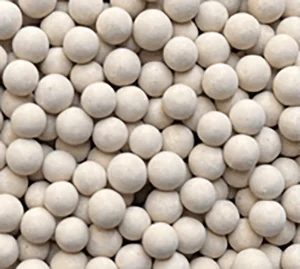
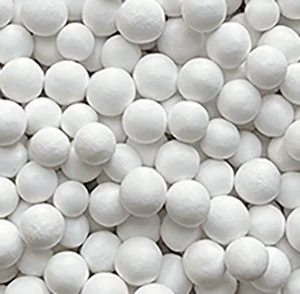
OEM Duralyst DO-16T

OEM Duralyst DO-16T Suppliers, Products

View Specifications
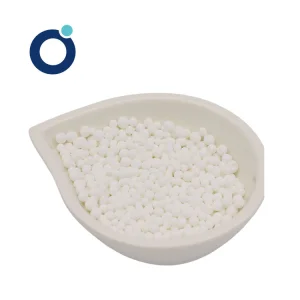
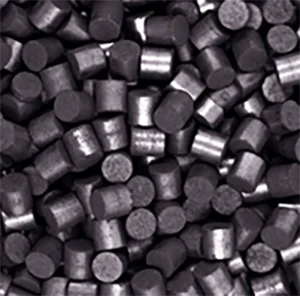
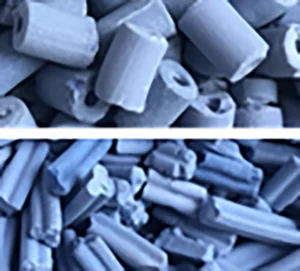
OEM Activated Alumina JZ-K3

OEM Activated Alumina JZ-K3 Quotes, Exporters

View Specifications
Water Resistant Silica Gel JZ-WSG

Best Water Resistant Silica Gel JZ-WSG Manufacturer, Factories

View Specifications
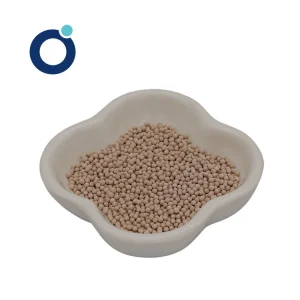
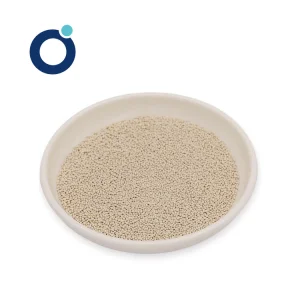
Oxygen Molecular Sieve JZ-OM

Best Oxygen Molecular Sieve JZ-OM Suppliers, Exporters

View Specifications
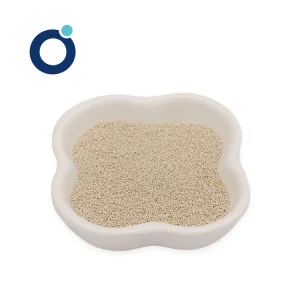
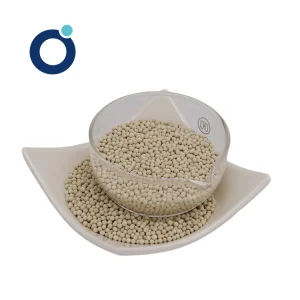
Molecular Sieve JZ-ZRF

Best Molecular Sieve JZ-ZRF Suppliers, Product

View Specifications
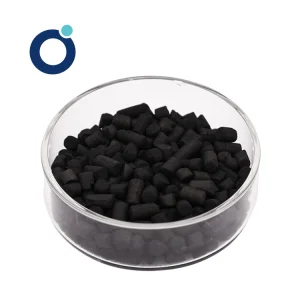
Activated Carbon JZ-ACN

Best Activated Carbon JZ-ACN Supplier, Pricelist

View Specifications
JooSorb AC-16

Best JooSorb AC-16 Pricelist, Products

View Specifications
Duralyst DO-17T

Famous Duralyst DO-17T Pricelist, Product

View Specifications

Global Molecular Sieve Desiccants Market Size & Industry Landscape

The global molecular sieve desiccants market is experiencing rapid expansion, driven by stringent quality mandates across high-precision industries such as natural gas treatment, petrochemical production, pharmaceuticals, and multi-pane insulating glass manufacturing. According to recent market analysis, the global market valuation for molecular sieve desiccants surpassed USD 1.2 Billion in 2023 and is projected to reach approximately USD 1.8 Billion by 2030, registering a Compound Annual Growth Rate (CAGR) of over 5.2% during the forecast period.

“Molecular sieves represent the pinnacle of industrial desiccant technology, leveraging crystalline aluminosilicate frameworks to perform molecular-level separation and dehydration.”

As synthetic zeolites containing precise, uniform pore networks, molecular sieves selectively adsorb molecules based on size and polarity. Unlike silica gel or activated alumina, molecular sieves can achieve extremely low dew points (down to -100°C), making them indispensable for cryogenic air separation and petrochemical feedstock drying. The increasing global shift towards LNG (Liquefied Natural Gas) infrastructure and clean hydrogen separation systems acts as a primary catalyst for this industrial demand.

Core Market Segmentation and Key Growth Areas

  • Energy and Hydrocarbon Processing: The single largest consumer segment, where molecular sieves (specifically type 3A, 4A, and 5A) are deployed for deep dehydration of natural gas, LPG, and ethylene streams. Removing trace moisture prevents hydrate formation and equipment corrosion in cryogenic units.
  • Industrial Gases and Air Separation: High-performance oxygen concentrator systems rely on synthetic zeolites (such as lithium-stabilized and sodium-based 13X structures) to separate nitrogen from air via pressure swing adsorption (PSA).
  • Insulating Glass and Structural Windows: 3A molecular sieves are integrated directly into structural spacers to adsorb moisture within dual-pane glass cavities, preventing internal condensation and guaranteeing long-term energy-efficient thermal insulation.
  • Pharmaceutical & Medical Packaging: Specialty dust-free molecular sieve canisters and sachets protect moisture-sensitive tablets and diagnostic reagents from hydrolytic degradation.
1994
Established Year
80+
Trade Partner Countries
25,000㎡
Production Area

Global Enterprise Procurement & Technical Selection Criteria

For international supply chain managers and process engineers, procuring molecular sieve desiccants requires a rigorous evaluation framework. Substandard materials lead to premature dust formation, structural collapse of the desiccant bed, downstream pipeline contamination, and expensive unplanned shutdown phases. To secure system reliability, procurement protocols should prioritize the following parameters:

Crushing Strength

Sufficient mechanical stability is critical to withstand high pressure differentials and cyclical gas flows within adsorption vessels. Poor crushing strength leads to particle attrition and dust generation.

Static Water Capacity

Indicates the total moisture volume the molecular sieve can adsorb at 25°C under varying relative humidity values. Higher capacity reduces the required volume of desiccant charge.

Wear Rate & Attrition

Measures the dust generation tendencies during continuous friction and gas turbulence. Lower wear rates protect downstream filters, compressors, and instrumentation.

OEM and ODM Technical Frameworks

In large-scale industrial scenarios, standardized off-the-shelf molecular sieves may not fully meet specific operating parameters. OEM/ODM customization is crucial for adjusting key physical characteristics:

  • Pore Size Tailoring: Fine-tuning the crystalline lattice openings to achieve precise exclusions. For example, a 3.2Å configuration prevents co-adsorption of unsaturated hydrocarbons like ethylene or propylene while ensuring complete water removal.
  • Bulk Density Optimization: Balancing high bulk density (for maximum mass transfer zone efficiency) with low flow resistance inside the column.
  • Binder Selection: Customizing clay-based or organic binders to ensure compatibility with acidic gases (containing CO2, H2S, or mercaptans) without causing acid-catalyzed side reactions.

About JOOZEO

A trusted leader in premium desiccants, chemical manufacturing, and custom adsorption engineering.

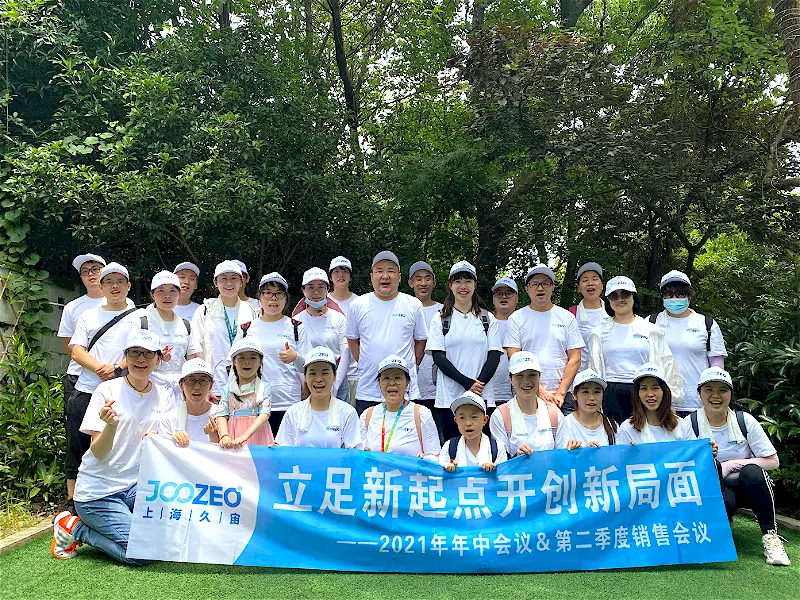
Shanghai Jiuzhou Chemicals Co., Ltd. is located in the largest economic development city, Shanghai. Over the years, Jiuzhou has always adhered to the "quality control, innovation" principles, committed to the development, research, and manufacturing of high-quality, innovative chemical products.

Our main products include various molecular sieve powders, molecular sieves, activated powder, activated alumina, aluminum oxide catalysts, different types of alumina packing and ceramic balls, sodium silicates, aluminum hydroxide, zeolite 4A, sodium carbonates, SLES, and more. All our products have passed the ISO9001: 2008 quality management system certification, along with TUV & SGS certifications.

Jiuzhou features a professional, world-class research team and resources. We utilize international production technologies and advanced processing equipment, built in line with national standards. Our production facilities are complemented by a central laboratory equipped with state-of-the-art monitoring and analysis instruments to guarantee strict quality inspection.
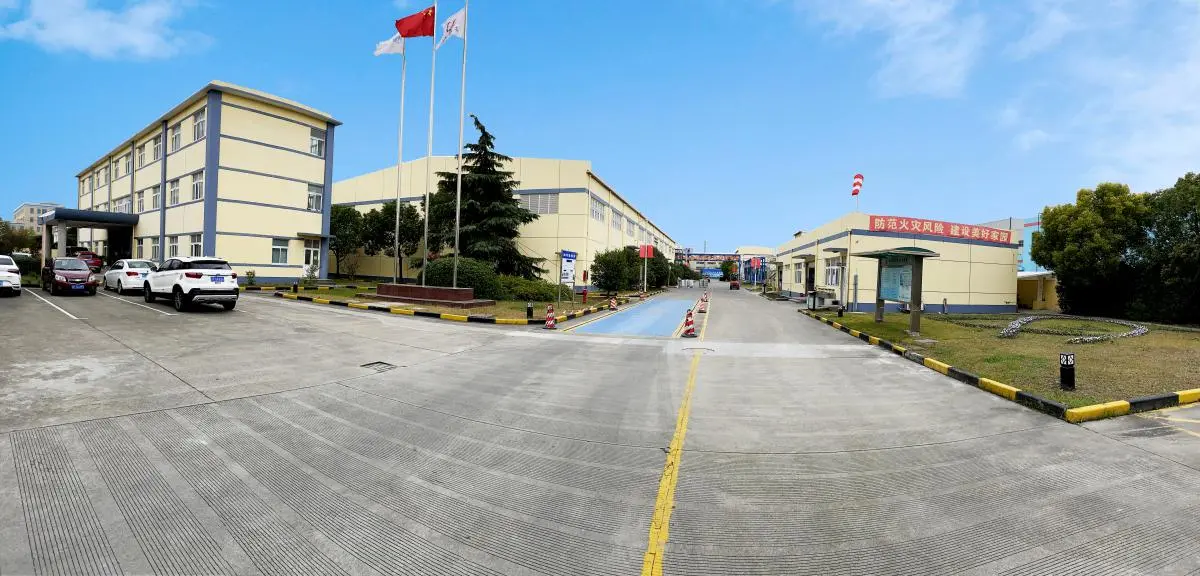
Jiuzhou Chemistry Laboratory

SHANGHAI FACTORY

Shanghai Factory Site

WUXI FACTORY

Wuxi Factory Site
100%

Quality Control

Every batch is tested from raw material to dispatch to ensure zero deviations.

100%

Innovation Principle

Continuous R&D investments to pioneer more efficient adsorption products.

Industry Standard Setter Status

Jiuzhou's technical expertise and industry reputation are leading the field. We are proud drafters and standard setters for multiple national and industrial regulations.
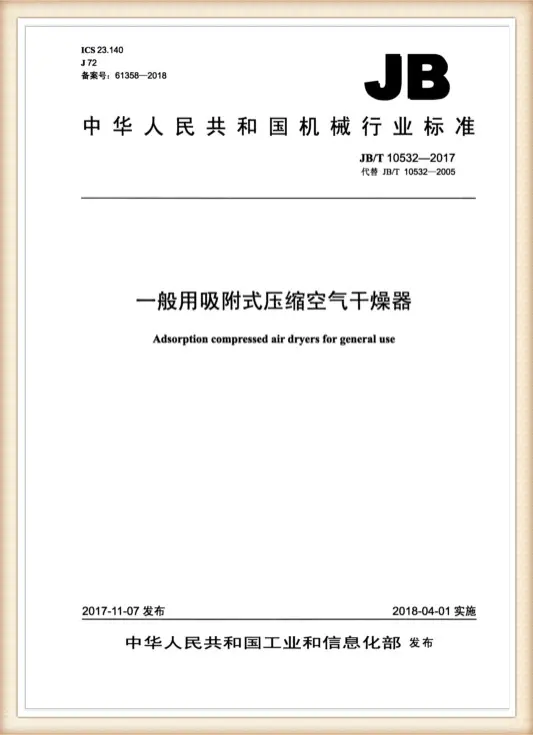
Standard JB/T 10532-2017

JB / T 10532-2017

Adsorption compressed air dryers for general use.
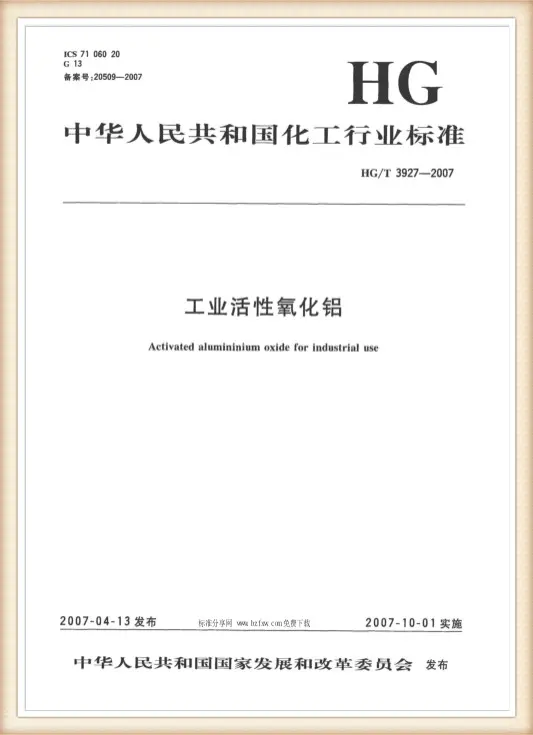
Standard HG/T 3927-2007

HG / T 3927-2007

Activated aluminum oxide for industrial use.
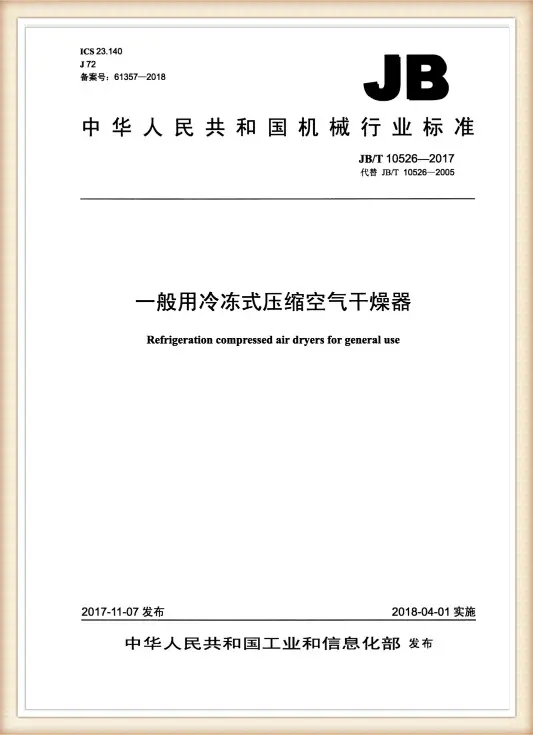
Standard JB/T 10526-2017

JB / T 10526-2017

Refrigeration compressed air dryers for general use.
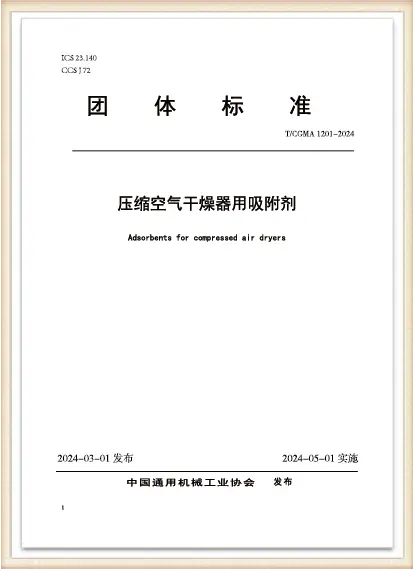
Standard T/CGMA1201-2024

T/CGMA1201-2024

National Association standards for compressed air processing.
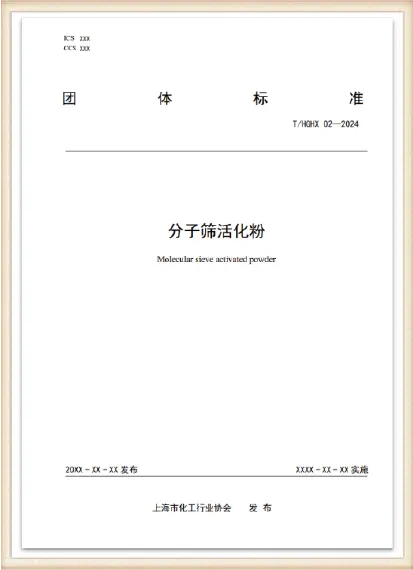
Standard T/HGHX 02-2024

T/HGHX 02—2024

Chemical Association criteria for high-efficiency adsorbents.
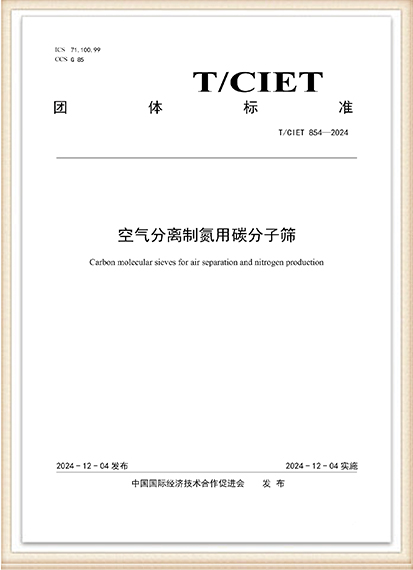
Standard T/CIET 854-2024

T/CIET 854-2024

Technical norms for environmental adsorption processes.

Macro-Industry Solutions & Technology Roadmap

In response to global sustainability initiatives and carbon neutrality goals, the adsorption industry is moving toward a more eco-conscious framework. Jiuzhou is leading this change with optimized adsorption processes, lower regeneration temperatures, and longer-lasting materials.

1. Hydrogen & Clean Energy Dehydration Solutions

High-purity hydrogen, especially for fuel cell applications, requires moisture levels below 5 ppm. Our advanced 5A and 13X molecular sieves are optimized for Pressure Swing Adsorption (PSA) systems, enabling clean hydrogen recovery from industrial gas streams by removing trace CO, CO2, and light hydrocarbons.

2. Cryogenic Air Separation Systems

Before air is liquefied and separated into oxygen and nitrogen, moisture and carbon dioxide must be completely removed to prevent system blockages. Using a dual-bed system with Jiuzhou's high-capacity activated alumina and 13X-APG molecular sieves provides clean inlet gas, protecting cryogenic heat exchangers and improving overall system efficiency.

3. Future Adsorption Technology Roadmap

Our ongoing R&D efforts focus on three primary innovations:

  • Binderless Molecular Sieves: Eliminating the non-adsorbent binder material increases the active zeolite content by 15-20%, leading to higher adsorption capacity and smaller equipment footprints.
  • Low-Energy Thermal Regeneration: Modifying the crystalline structure to reduce water affinity at high temperatures allows for lower regeneration settings, helping to decrease energy consumption.
  • Carbon Capture and Storage (CCS): Designing custom, amine-functionalized molecular sieve frameworks optimized for capturing CO2 from low-pressure flue gases.

Social Responsibility & Environmental Commitment

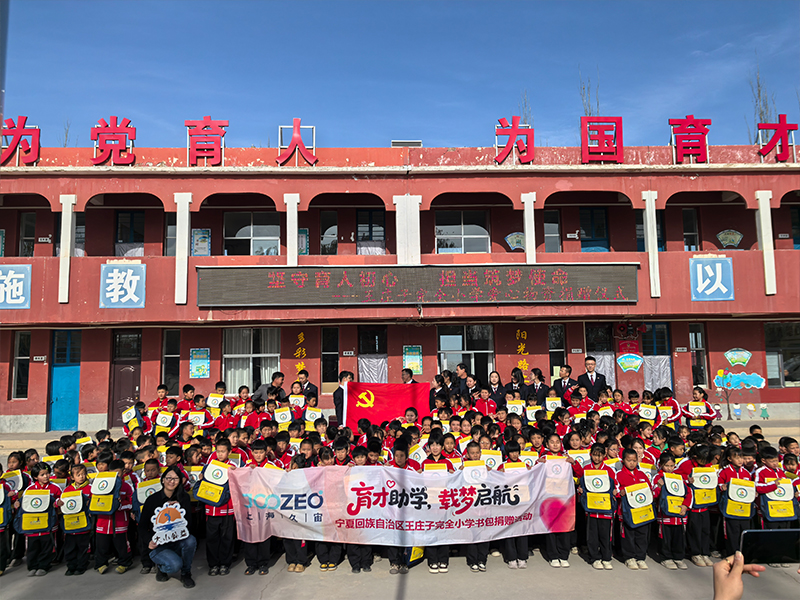
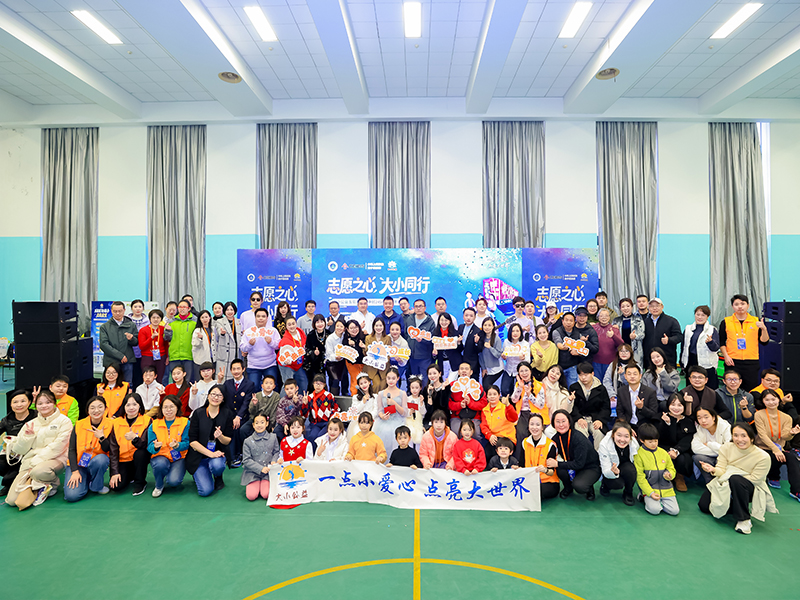
Better air, Better life. We focus on green manufacturing, resource recovery, and supporting local communities for a sustainable future.

Expert Q&A: Molecular Sieve Applications

Get answers to common technical and operational questions regarding molecular sieve desiccants.

Q1: What are the primary differences between 3A, 4A, 5A, and 13X molecular sieves?
A: The differences lie in their pore diameters:
  • 3A (Pore size ~3 Å): Adsorbs water (2.8 Å) while excluding larger molecules like hydrocarbons, ethylene, and propylene. This makes it ideal for drying unsaturated hydrocarbons and ethanol.
  • 4A (Pore size ~4 Å): Adsorbs molecules like water, carbon dioxide, ethanol, and hydrogen sulfide. It is commonly used in closed liquid or gas systems.
  • 5A (Pore size ~5 Å): Adsorbs normal (straight-chain) hydrocarbons while excluding branched-chain compounds and cyclic hydrocarbons. This is useful for PSA hydrogen purification and separating normal paraffin from branched isomers.
  • 13X (Pore size ~10 Å): Features a larger pore structure, allowing it to adsorb molecules with larger kinetic diameters. It is widely used for co-adsorbing moisture, carbon dioxide, and sulfur compounds in air separation systems.
Q2: How is the regeneration temperature calculated for a molecular sieve bed?
A: Regeneration parameters depend on the type of sieve and the system configuration. Generally, type 3A, 4A, and 5A molecular sieves require heating to a bed temperature of 200°C to 300°C using a dry purge gas. For 13X sieves, temperatures between 250°C and 320°C are common. The purge gas volume must be sufficient to carry away the desorbed moisture and prevent condensation downstream.
Q3: Why is liquid water contact critical to avoid in molecular sieve beds?
A: High moisture levels can lead to hydrolysis of the clay binder, weakening the physical structure of the sieve. If liquid water enters the bed and is heated during regeneration, the resulting steam expansion can cause the beads to break down into dust. A pre-bed of activated alumina or a liquid separator should be installed upstream to capture any free liquid water.
Q4: What causes pressure drop to increase over time in an adsorption tower?
A: An increasing pressure drop is typically caused by bed compaction, particle degradation, or carbon deposit buildup (coking). High gas velocities can cause the beads to rub against each other, generating dust that blocks the support screens and flow paths. Using high-crush-strength sieves and installing flow distribution baffles help minimize bed movement.

Complete Engineered Catalog

Select specialized grades, alumina support materials, and tailored catalytic media for your industrial processes.
Best Soda Ash Dense JZ-DSA-H

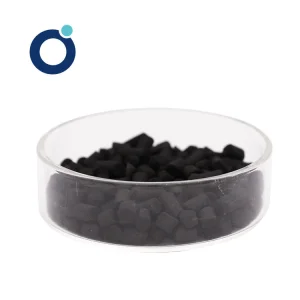
Best Soda Ash Dense JZ-DSA-H Supplier, Exporter

View Specifications
High-Quality Activated Carbon JZ-ACW

High-Quality Activated Carbon JZ-ACW Quotes, Exporter

View Specifications
China Alumina ceramic Ball JZ-CB

China Alumina ceramic Ball JZ-CB Manufacturer, Pricelist

View Specifications
Best JooSorb AST-02

Best JooSorb AST-02 Suppliers, Products

View Specifications
Famous Molecular Sieve JZ-ZMS3

Famous Molecular Sieve JZ-ZMS3 Manufacturers, Products

View Specifications
High-Quality Oxygen Molecular Sieve JZ-OI

High-Quality Oxygen Molecular Sieve JZ-OI Factories, Exporters

View Specifications
High-Quality Duralyst TH-200

High-Quality Duralyst TH-200 Supplier, Pricelist

View Specifications
Best Duralyst OS-300

Best Duralyst OS-300 Manufacturer, Factories

View Specifications

Submit Technical & Price Inquiries

Connect with our technical support team for custom molecular sieve configurations, packaging details, and pricing parameters. We respond within 24 hours.

Send Request