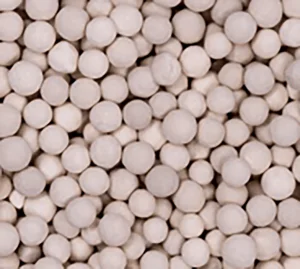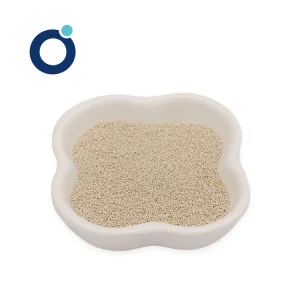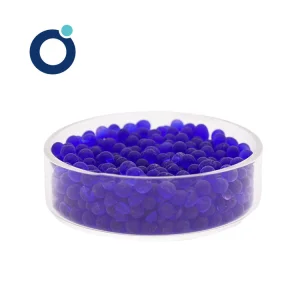
Explore our high-performance molecular sieves and desiccants, synthesized under rigorous ISO 9001:2008 standards to maximize selective adsorption capacities.
The industrial gas and petrochemical purification landscape is undergoing a monumental transition. Classic crystalline aluminosilicates (synthetic zeolites) are no longer viewed as simple desiccants, but rather as complex thermodynamic controllers designed to optimize energy efficiency. The push for carbon neutrality is driving significant advancements in pore-aperture engineering at the sub-angstrom level.
Key evolutionary drivers include the enhancement of kinetic separation kinetics, enabling faster cycle frequencies in Pressure Swing Adsorption (PSA) systems, and reducing hydrothermal degradation pathways during Thermal Swing Adsorption (TSA) cycles. Modern industries demand targeted adsorption profiles where specific gaseous molecules (such as N2, CO2, and H2S) are captured under high space velocities while leaving hydrocarbons or valuable clean fuels untouched.
B2B procurement professionals do not just buy materials; they secure operational reliability and process uptime.
Procurement engineers prioritize molecular sieves capable of achieving low water-vapor concentration (-70°C dew point or less) in gas drying plants. High dynamic adsorption capacity directly extends cycle duration, reducing regeneration energy demand.
During pressurized gas cycles, molecular sieves undergo intense physical stresses. Low-quality adsorbents crumble, creating dust, rising pressure drops, and system blockages. Mechanical stability and high crush strength are non-negotiable procurement metrics.
Modern engineering contracts require extensive technical documentation, including ISO certifications, SGS/TUV analysis reports, and rigorous chemical stability validation. Strict compliance helps mitigate product liabilities.
A global benchmark for high-performance chemical adsorbents and industrial standard-setting.
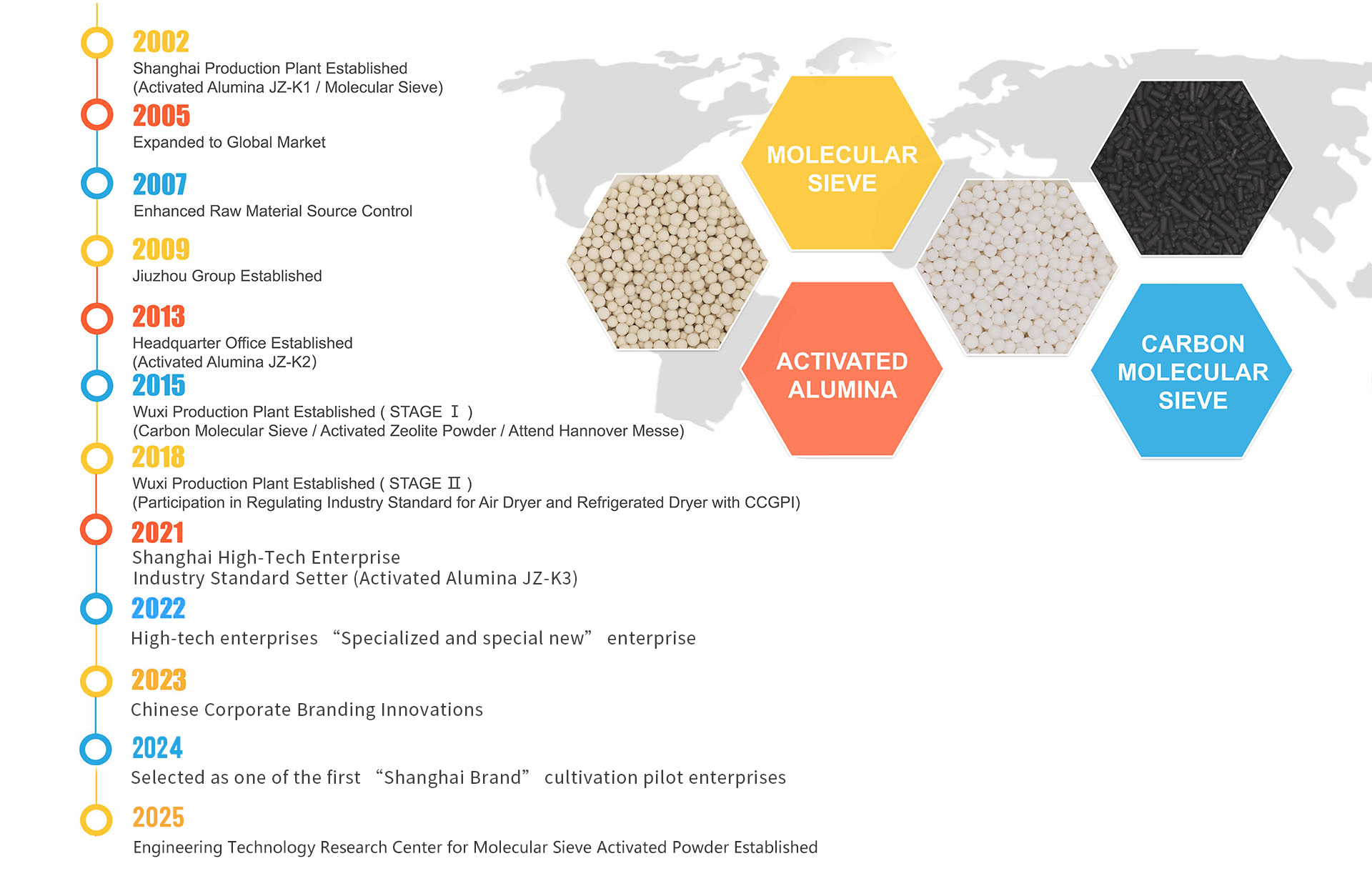
Shanghai Jiuzhou Chemicals Co., Ltd. is strategically situated in Shanghai, China's premier economic hub. Over the past three decades, Jiuzhou has consistently adhered to the core philosophies of "Quality Control & Innovation". We specialize in the R&D, manufacture, and global export of elite chemical adsorbents, including dynamic molecular sieve powders, synthetic molecular sieves, activated powder, activated alumina, aluminum oxide catalysts, specialized alumina tower packings, inert ceramic balls, sodium silicates, aluminum hydroxide, zeolite 4A, sodium carbonates, and SLES.
Supported by a world-class scientific research team and a dynamic monitoring central laboratory, Jiuzhou ensures all manufactured batches meet or exceed stringent international standards. Our entire operational catalog is certified under the ISO 9001:2008 Quality Management System alongside comprehensive TUV and SGS validations.
Dual-manufacturing hubs utilizing intelligent production technologies to secure continuous global supplies.
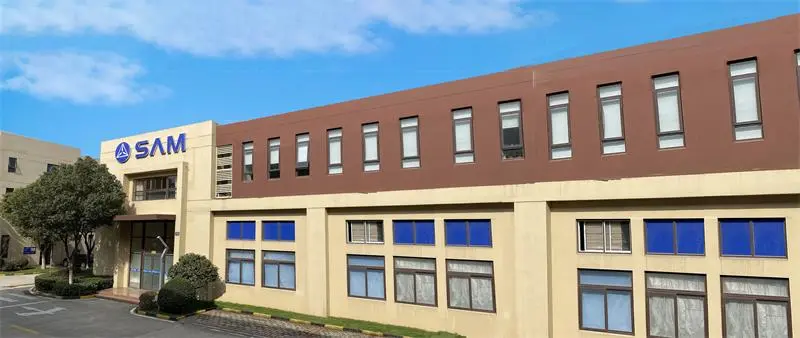
Our Shanghai facility focuses on advanced precision chemical synthesis, standard formulations, and international logistics. Located at the heart of China’s transportation network, this hub provides robust supply chain pathways, allowing for swift distribution to distribution hubs across North America, Europe, the Middle East, and Asia.
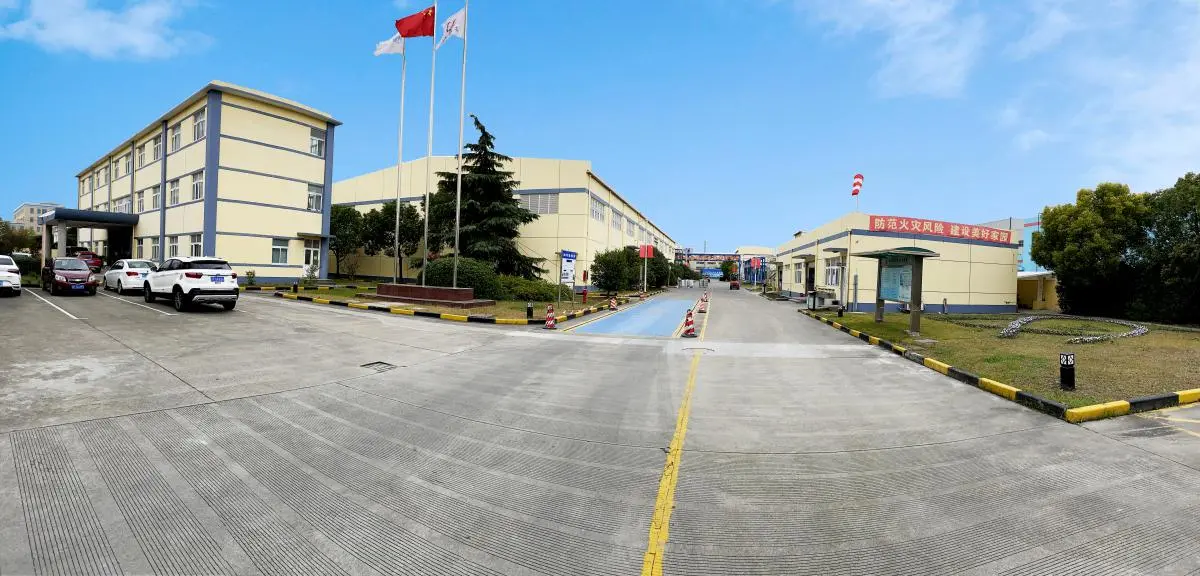
The Wuxi plant is equipped with high-capacity automated rotary kilns, bulk processing units, and specialized dynamic laboratories. The facility is optimized for mass production and custom OEM synthesis, ensuring uniform bead size distribution, high mechanical integrity, and consistent adsorption properties.
Jiuzhou is deeply committed to sustainable industrial practices. Our molecular sieves are central to environmental technologies, including the purification of clean hydrogen, biomethane upgrading, and industrial air treatment. By refining our own manufacturing systems, we minimize environmental impacts, reduce production energy consumption, and supply the global market with eco-responsible adsorption solutions.

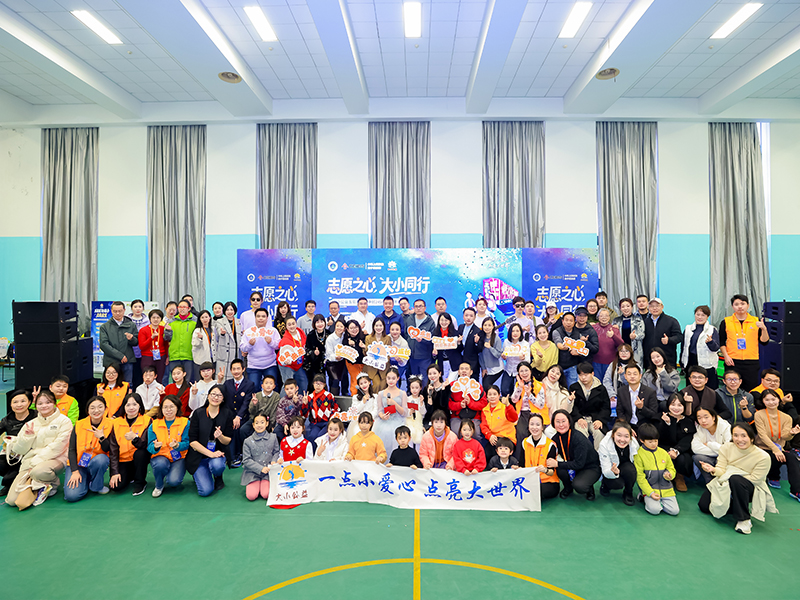
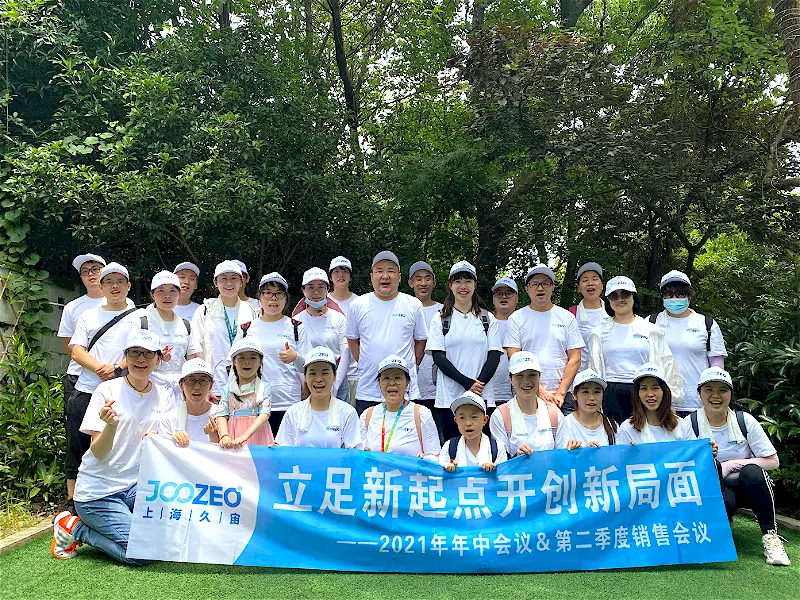

Our technical team actively drafts national and industrial standards, ensuring global regulatory compliance.
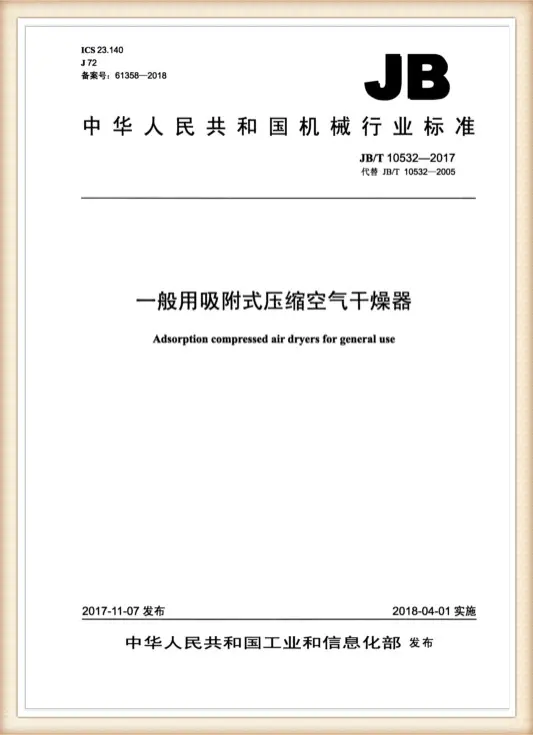
National machinery industry standard for general-use adsorption compressed air dryers.
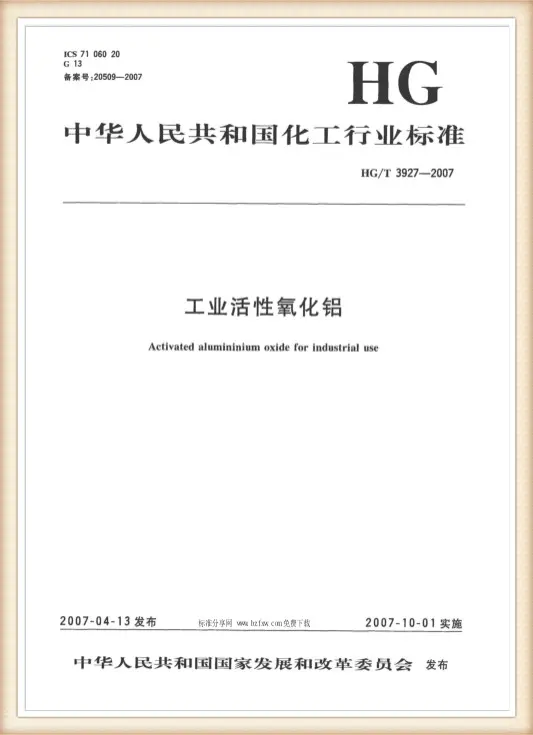
Chemical industry standard for industrial-use activated aluminum oxide/alumina.
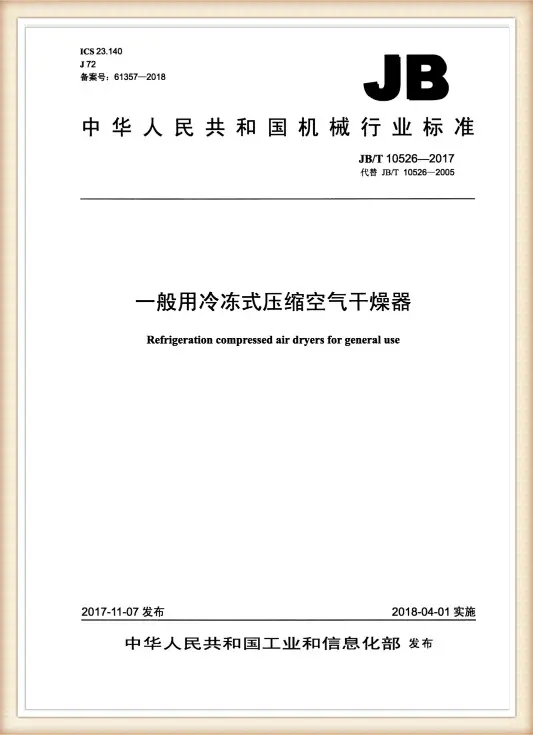
National standard for general-use refrigeration compressed air dryers.
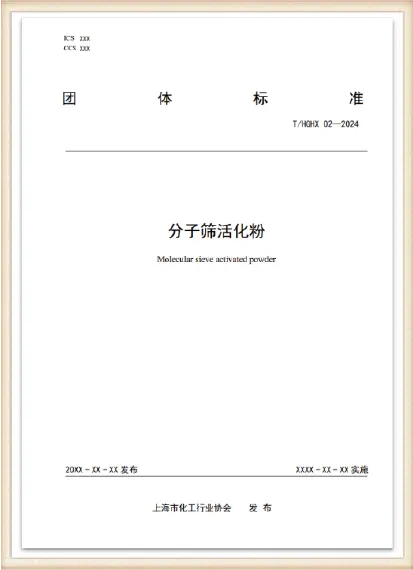
Recently established trade standard governing high-efficiency gas purification systems.
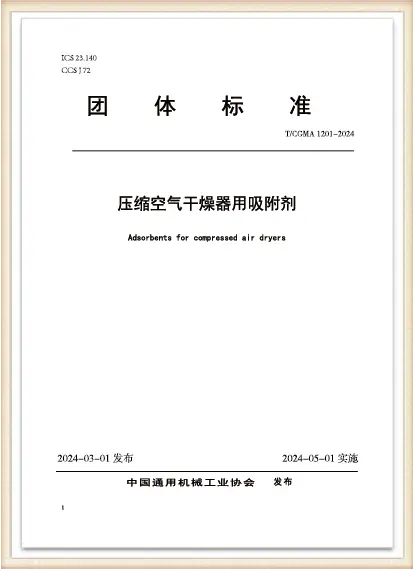
Local industrial chemical guideline ensuring quality standards in synthetic zeolites.
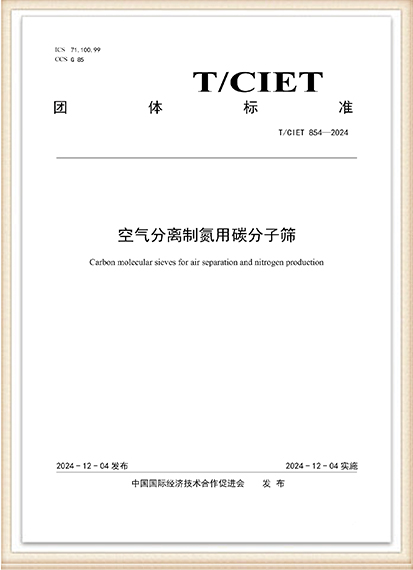
Innovative green chemical technology standard targeting industrial carbon capture.
Optimizing thermodynamic and physical properties of molecular sieves for critical operating systems.
In steam cracking facilities, raw feedstocks containing olefins must be thoroughly dehydrated to prevent freeze-ups in cryogenic separation columns. Specifically, Type 3A molecular sieves are utilized to selectively co-adsorb water molecules while preventing co-adsorption of larger ethylene and propylene molecules, avoiding unwanted hydrocarbon co-adsorption within the pore structure.
Pressure Swing Adsorption (PSA) oxygen generators utilize specialized lithium-exchanged molecular sieves. These zeolites exhibit high selectivities for nitrogen over oxygen, allowing pure oxygen streams to pass through the bed. This technology is critical in steel manufacturing, wastewater treatment, glass production, and medical life-support systems.
Prior to natural gas liquefaction, all traces of CO2, H2S, and moisture must be removed to avoid solid formations in cold sections. A combination of 13X and 4A molecular sieves is standard to achieve carbon dioxide levels below 50 ppmv and moisture content below 0.1 ppmv, ensuring long-term operational safety.
Technical guidance straight from our R&D engineering lab.
The differences lie in their pore diameters. 3A (pore size ~3 Å) is ideal for dehydrating highly reactive unsaturated hydrocarbons (e.g., ethylene, propylene) without co-adsorbing the organic phases. 4A (pore size ~4 Å) is the standard sodium-form zeolite used to dehydrate air, natural gas, and polar organic liquids. 5A (pore size ~5 Å) is calcium-exchanged, suited for separating normal/isoparaffins and co-adsorbing carbon dioxide and light sulfur compounds. 13X (pore size ~10 Å) is the sodium X-type crystal, exhibiting a wider pore entrance designed for co-adsorbing large molecules, organic sulfur compounds, and heavy carbon complexes.
Thermal regeneration of molecular sieves typically requires gas temperatures ranging between 200°C and 320°C. Heating above 350°C for extended periods can accelerate hydrothermal aging and crystal structural collapse. During regeneration, a dry purge gas must be introduced to sweep away desorbed moisture and avoid high temperature hydrothermal deterioration.
Our manufacturing process utilizes high-purity inorganic binders and advanced rotary calcination. We monitor raw material particle distribution, binder mixing dynamics, and firing temperatures. This method yields molecular sieve beads with low attrition rates and high crush strength, preventing product breakdown under high operating pressures.
Yes. Our Wuxi dynamic testing facilities and dedicated chemical engineers develop customized molecular sieves. We adjust pore sizes, binder contents, bead sizes, and transition metal exchanges to meet specific dew point targets and selectivity demands.
Explore our industrial range of carbon molecular sieves, premium silica gels, and active desiccant compounds.
Looking for a custom OEM molecular sieve formulation, or seeking prices for standard active desiccants? Contact our technical team today. We respond with complete analyses and product quotes within 24 hours.
Send Enquiry Request