Shanghai Jiuzhou Chemicals Co., Ltd. is positioned in Shanghai, China's economic and technological powerhouse. Driven by the twin pillars of "Uncompromising Quality Control" and "Continuous Process Innovation," we serve the global industrial market as a leading developer, researcher, and manufacturer of top-tier replacement adsorbents and catalyst carriers. Our operations adhere strictly to international standards, catering to modern gas processing and heavy industry requirements.
Our expansive product portfolio ranges from high-performance synthetic molecular sieve powders and zeolites to activated alumina, alumina-based catalysts, high-purity sodium silicates, and advanced carbon molecular sieves (CMS). Backed by ISO 9001:2008 and audited by TUV and SGS, Jiuzhou delivers engineered desiccant solutions that lower operational costs while improving moisture control performance.
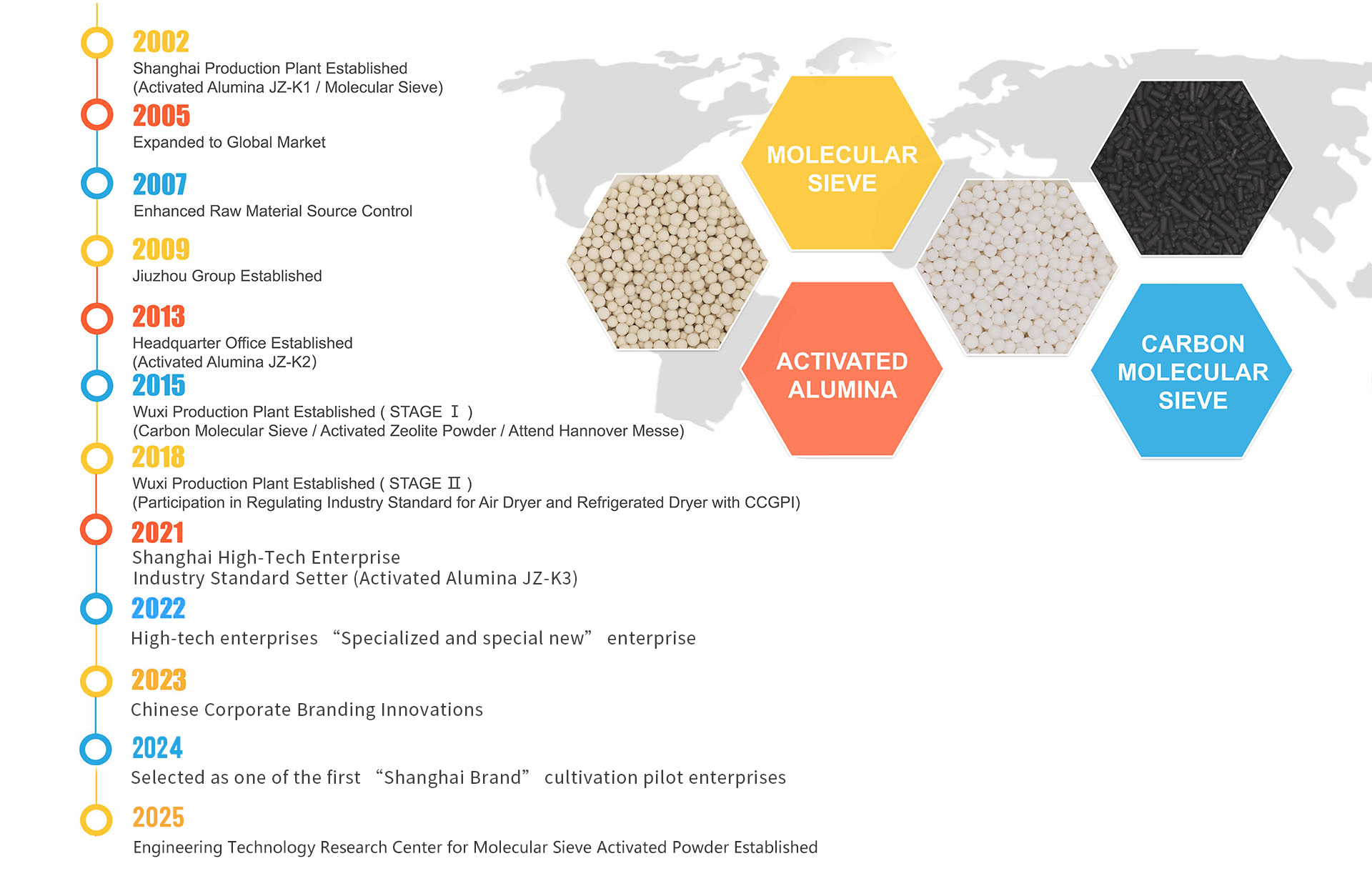
Replacement desiccants must do more than fill a vessel; they are engineered tools designed to optimize gas dehydration, liquid separation, and purification processes. At Jiuzhou Chemicals, our manufacturing process fine-tunes pore structures and mechanical durability to ensure long-term stability and high mass transfer rates. Understanding the physical chemistry of these adsorbents is key to matching them with specific industrial applications:
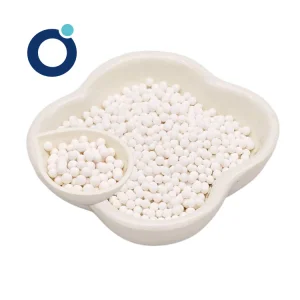
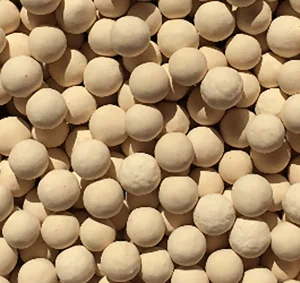
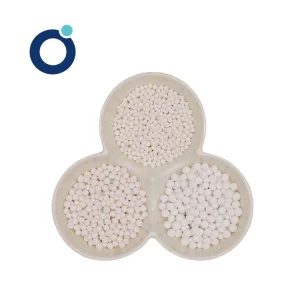
These crystalline aluminosilicates feature uniform pore diameters. The 3A type selectively adsorbs water molecules while excluding larger hydrocarbons, making it ideal for drying cracked gases. The 4A type is standard for air dryer systems, while 5A performs paraffin separation. The 13X variant, with a larger 10Å pore aperture, removes moisture, CO2, and siloxanes, protecting downstream equipment.
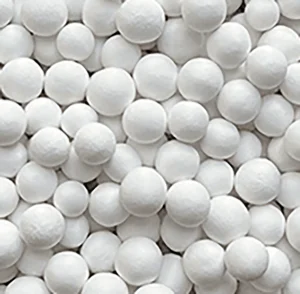
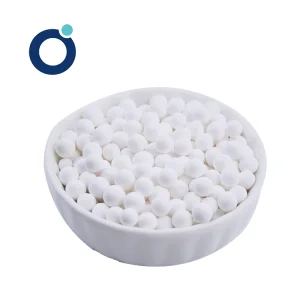
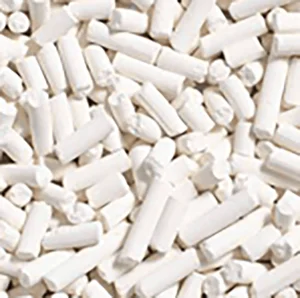
Known for high surface area and mechanical strength, our activated alumina features high resistance to thermal shock and abrasion. It maintains high water adsorption capacity even under saturated conditions, making it a reliable standard for desiccant compressed air dryers, chemical purification, and Claus catalyst operations.
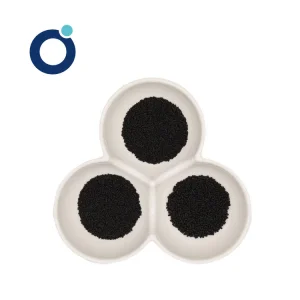
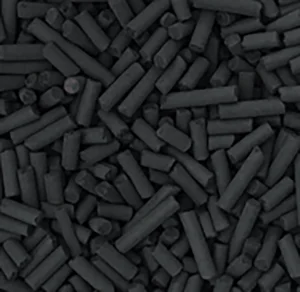
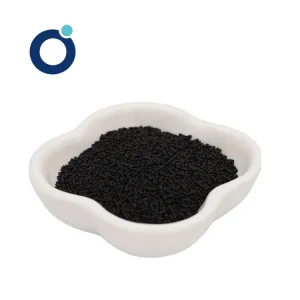
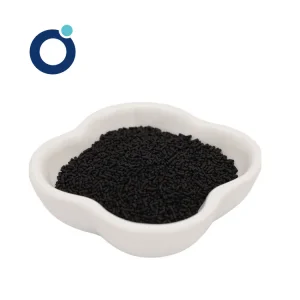
Our JZ-CMS series is engineered for Pressure Swing Adsorption (PSA) nitrogen generators. By using oxygen-nitrogen separation kinetics, our CMS guarantees high nitrogen yield and purity. This design helps minimize system energy consumption during regeneration cycles.
Procuring replacement desiccants for petrochemical refineries, gas processing plants, and air purification facilities involves evaluating key operational and risk factors. Demanding industrial applications require chemical components that maintain performance under high heat, cycling pressure, and exposure to corrosive agents.
Industrial procurement teams look for suppliers that can deliver on the following benchmarks:
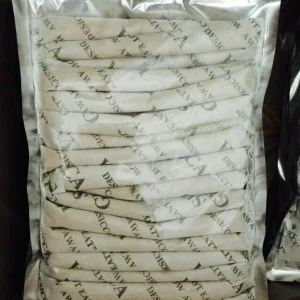
Joozeo's global supply chain offers customizable packaging (heavy-duty bags, steel drums) and fast, flexible logistics. Our shipping team ensures all adsorbents are vacuum-sealed under inert gas protection to prevent moisture pre-adsorption during transit, ensuring they arrive ready for deployment.
"We adhere strictly to our dual-focus principles, assuring customers of premium material integrity and custom-tailored product development."
To support growing market demand, Shanghai Jiuzhou Chemicals operates two modern production centers in Shanghai and Wuxi. Equipped with automated material synthesis lines, rotary calciners, and precision sifting equipment, these facilities are designed to deliver consistent, high-volume production output.
Our primary facility in Shanghai handles high-volume chemical synthesis and houses our central laboratory. We use modern analytical instrumentation to test chemical composition, pore-volume distribution, surface area, and mechanical crushing strength, ensuring compliance with international quality standards.
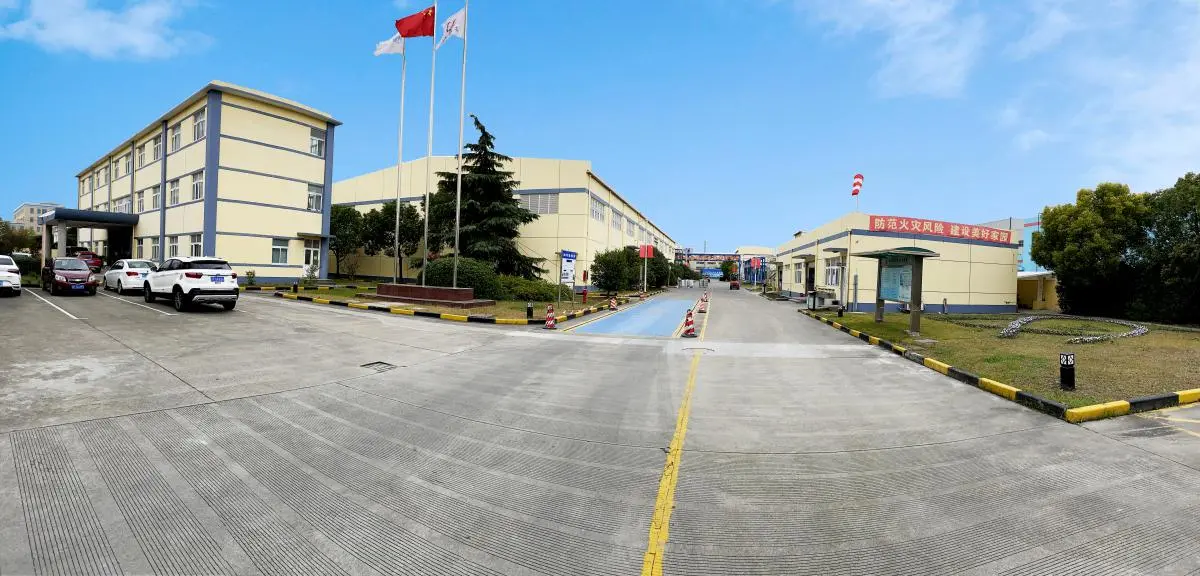
Our Wuxi plant focuses on advanced processing and material grading. Using automated forming and high-temperature activation systems, it produces our specialty molecular sieves and activated alumina lines, ensuring consistent physical properties and mechanical durability.

True authority is demonstrated by driving industry-wide standards. Shanghai Jiuzhou Chemicals actively shapes national and industry-wide technical standards for adsorbents, molecular sieves, and compressed air dryers in China. We participate in establishing guidelines that define quality and testing protocols across the industry:
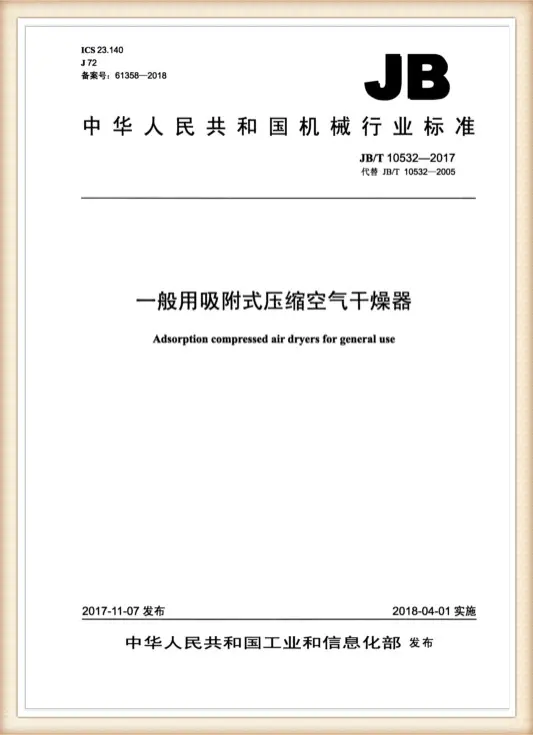
JB / T 10532-2017
Adsorption compressed air dryers for general use
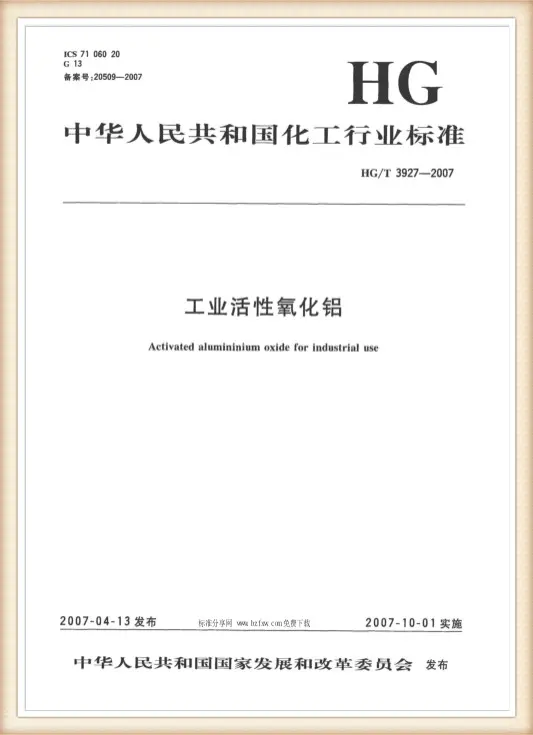
HG / T 3927-2007
Activated aluminum oxide for industrial use
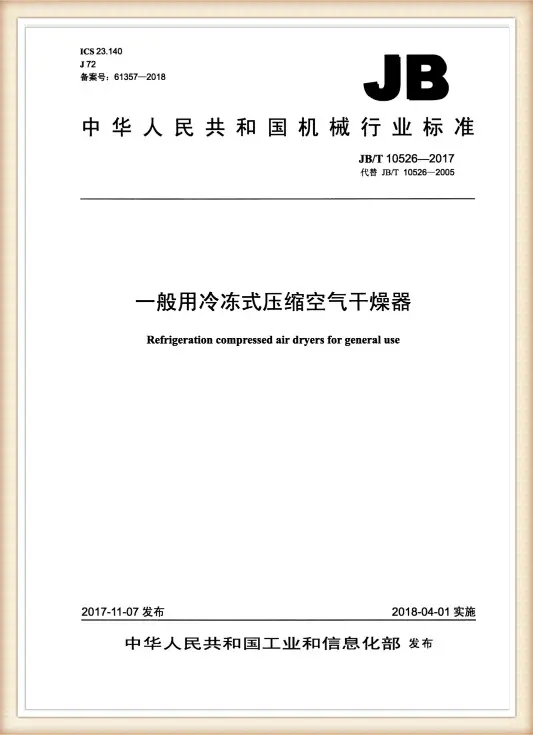
JB / T 10526-2017
Refrigeration compressed air dryers for general use
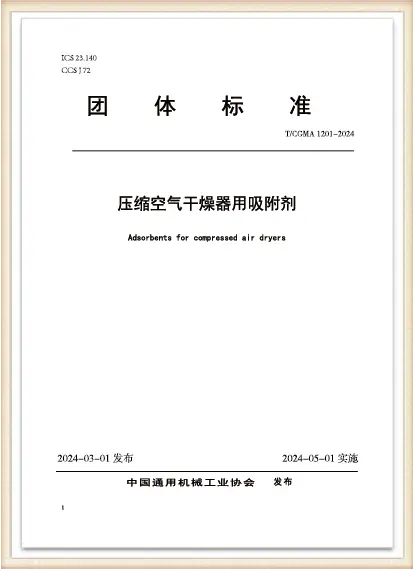
T/CGMA 1201-2024
Industrial performance evaluation guidelines
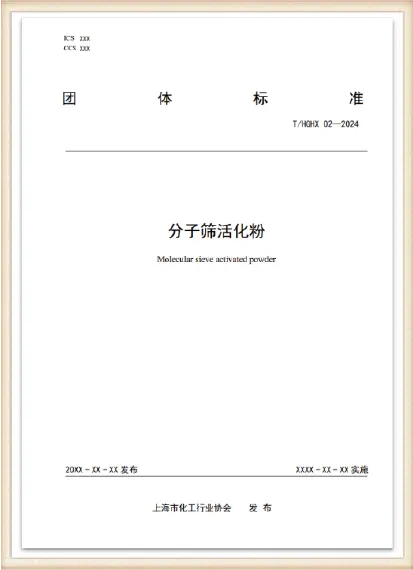
T/HGHX 02—2024
Chemical adsorption purity regulations
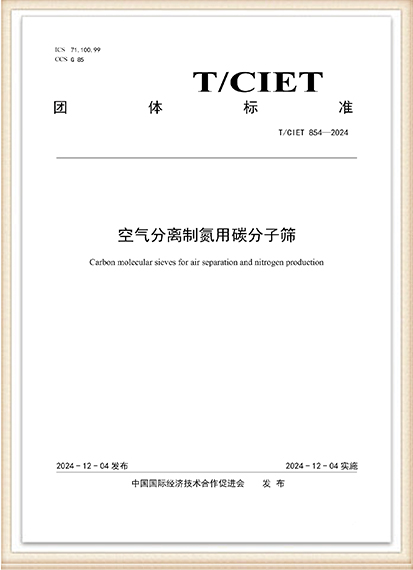
T/CIET 854-2024
Green manufacturing & carbon footprint limits
"Better air, Better life"
Sustainable development is central to our chemical manufacturing operations. We continuously invest in upgrading our plants to reduce carbon emissions and minimize waste generation. By engineering long-lasting desiccants that require less frequent replacement, we help our partners decrease their lifecycle consumption of raw materials and lower energy usage during thermal regeneration.
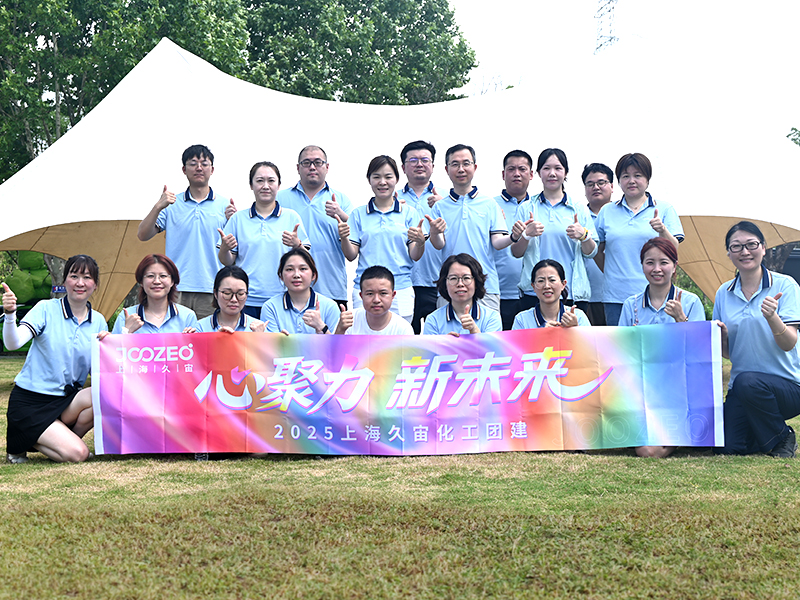
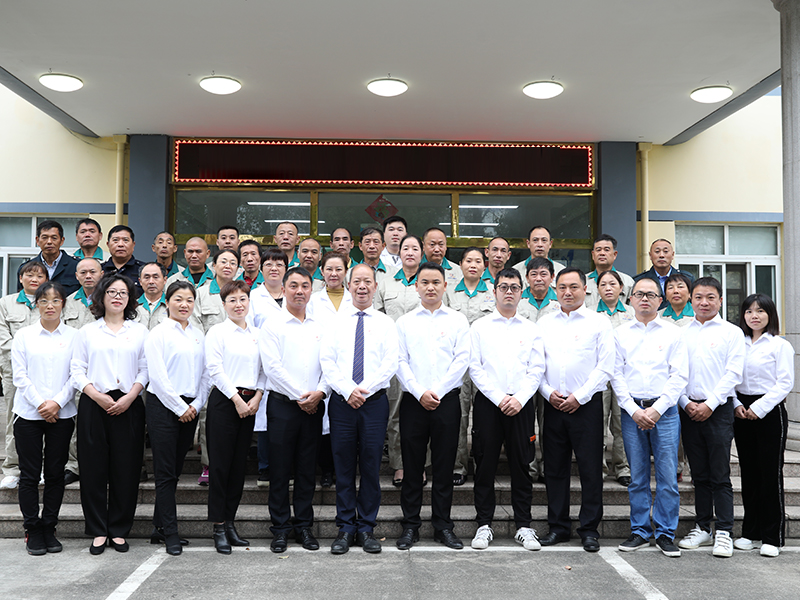
The industrial gas and petrochemical sectors are moving toward higher efficiency and lower carbon footprints. This shift is driving demand for next-generation adsorbent materials that offer high mass transfer rates and run at lower regeneration temperatures.
By engineering specialized binder chemistry and controlling particle morphology, we increase the volume of active micropores while keeping macropore transport channels open. This combination improves adsorption kinetics and dynamic mass-transfer rates during short PSA/VSA cycles.
We are developing composite desiccants that release moisture at lower temperatures. This reduces the energy needed during regeneration phases, helping operators lower fuel use and reduce their carbon footprint.
Our R&D team is developing multifunctional adsorbents that combine moisture removal with targeted trace impurity catalytic removal. This design helps prevent corrosion and downstream catalyst poisoning in one single step.
Pressure drop increases and desiccant degradation typically stem from three major causes:
Selecting the right molecular sieve depends on the molecular diameter of the compounds you need to remove and retain:
Our long-term technical experience and manufacturing infrastructure have established Jiuzhou Chemicals as a key contributor to national standards. We have worked closely with national standardization committees to author and revise critical specifications like JB/T 10532-2017 (Adsorption compressed air dryers) and HG/T 3927-2007 (Activated alumina). These standards establish baseline parameters for dynamic water adsorption, particle size distribution, and crush resistance limits, driving overall quality improvements in chemical manufacturing.
We use a comprehensive quality management system that monitors production from raw materials to final packaging. Key steps include testing incoming raw chemical purity, managing calcination temperature curves, and conducting batch tests for bulk density, crushing strength, static adsorption capacity, and attrition rate. Our on-site dynamic testing labs simulate industrial operating environments to ensure all products meet TUV, SGS, and ISO 9001 quality standards before shipping.
Need support selecting replacement desiccants or designing an adsorption bed? Contact our engineering specialists for custom configurations, technical datasheets, and batch quotes.
Send Technical Request