
Advanced Molecular Sieves Specially Formulated for Critical Industrial Dehydration & Separation in Houston, Texas
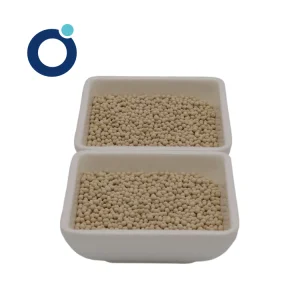
High-efficiency sodium aluminosilicate structure optimized for natural gas and solvent drying in deep Gulf Coast refining cycles.
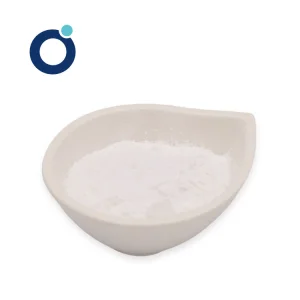
Specialized synthetic crystalline aluminosilicate designed to co-adsorb trace impurities while maintaining long-term cyclic thermal stability.
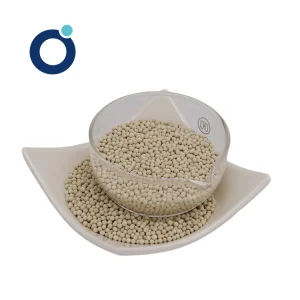
Highly selective potassium-based crystalline zeolite tailored for cracked gas and ethylene dehydration to prevent polymer poisoning.
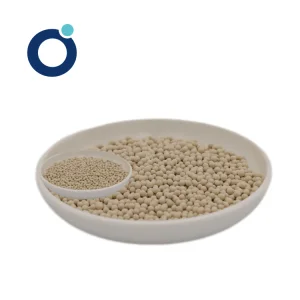
Calcium-rich zeolite suitable for hydrogen purification, olefin-paraffin separations, and clean fuel upgrading applications.
As the undisputed global energy capital, the Houston industrial complex and the surrounding Gulf Coast Petrochemical Corridor demand process materials that operate at the threshold of physical capability. Within world-scale ethylene plants, natural gas processing facilities, and massive liquified natural gas (LNG) liquefaction trains spanning the Houston Ship Channel, molecular sieves serve as the technological backbone of dehydration and purification systems.
In these high-velocity chemical applications, even trace moisture levels above 0.1 ppmv can lead to catastrophic hydrate formation in cryogenic cold boxes, leading to unplanned operational shutdowns that cost millions of dollars daily. Choosing high-performance synthetic zeolites is not just a procurement decision; it is a critical process safety and reliability strategy.
By working with Shanghai Jiuzhou Chemicals, Houston energy companies obtain direct access to world-class manufacturing, competitive cost structures, and technical support that spans the entire adsorption lifecycle.
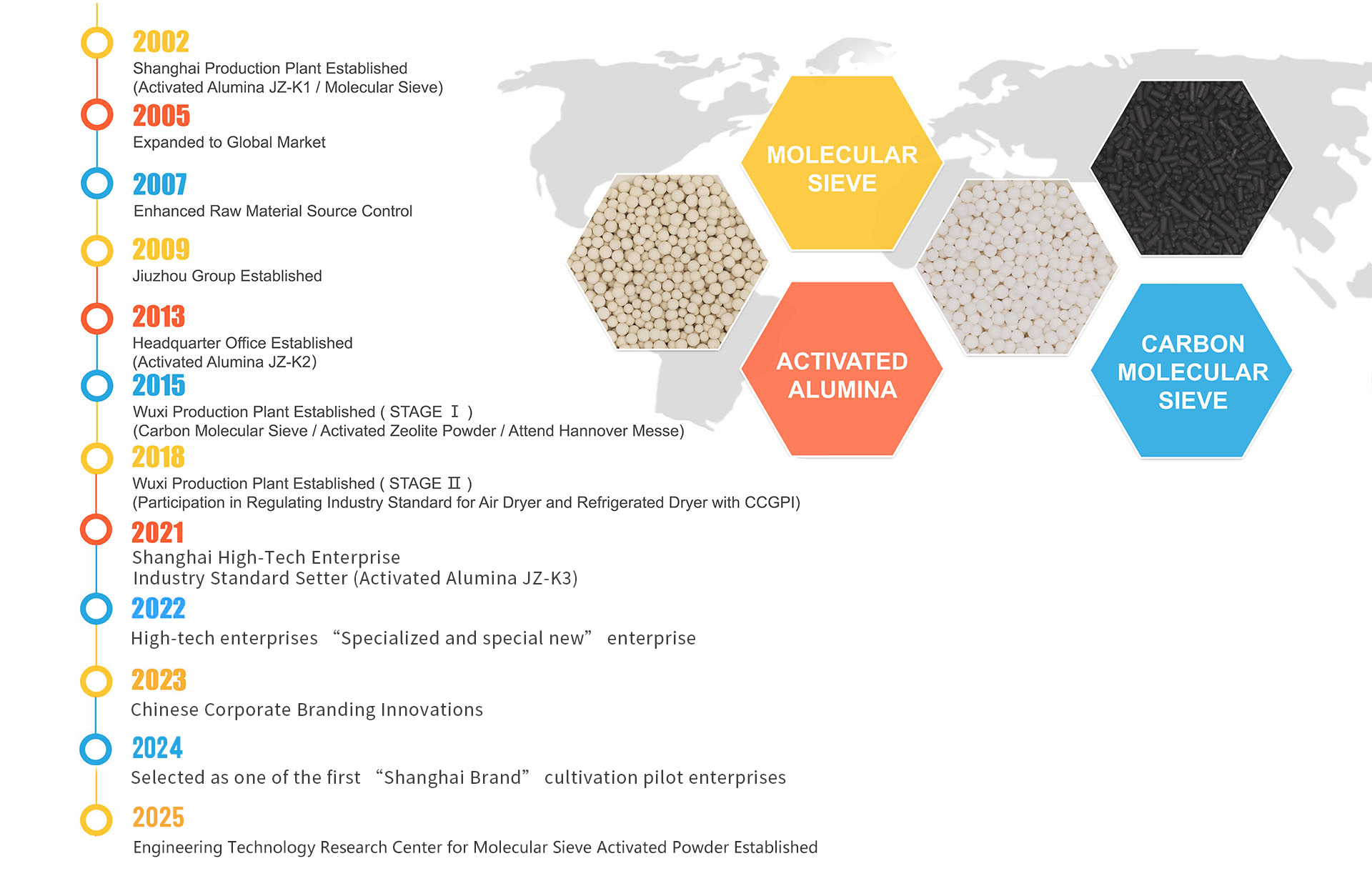
Addressing the shifting paradigms of green chemical processes, energy efficiency, and high-purity feedstocks
The global molecular sieve market is undergoing a paradigm shift driven by three primary vectors: the rapid scale-up of LNG liquefaction infrastructure, the decarbonization of energy production through carbon capture and storage (CCS), and the strict requirement for polymer-grade chemical feedstocks. In Houston, these macro trends are felt directly at the plant level.
Traditional molecular sieves rely on binder materials that comprise up to 20% of the active adsorbent mass. Modern chemistry research at Jiuzhou has paved the way for advanced binderless molecular sieves. By converting the binder matrix into active crystalline zeolite structures, our products yield up to 20% higher dynamic adsorption capacity, allowing engineers to size smaller vessels, extend cycle run times, and reduce energy consumption during thermal regeneration.
| Zeolite Type | Cation | Nominal Pore Diameter | Primary Industrial Use Case (Houston Focus) | Typical Heat of Adsorption |
|---|---|---|---|---|
| Type 3A | Potassium (K⁺) | 3 Å (0.3 nm) | Olefin cracked gas drying, ethanol dehydration, polymer feedstock purification | ~4,200 kJ/kg H₂O |
| Type 4A | Sodium (Na⁺) | 4 Å (0.4 nm) | Refrigerant system drying, closed-loop gas recirculation, instrument air drying | ~4,500 kJ/kg H₂O |
| Type 5A | Calcium (Ca²⁺) | 5 Å (0.5 nm) | PSA Hydrogen purification, paraffins normal/iso separation, sweetening of LPG | ~4,600 kJ/kg H₂O |
| Type 13X (10 Å) | Sodium (Na⁺) | 10 Å (1.0 nm) | Natural gas sweetening (CO₂ and H₂S removal), ASU pre-purification systems | ~4,800 kJ/kg H₂O |
Engineering precision verified by strict third-party laboratories and international standard committees
As a premier technical manufacturer and draft standard setter in the desiccant sector, Shanghai Jiuzhou Chemicals works closely with international standards to ensure product uniformity, high gas purity, and process safety.
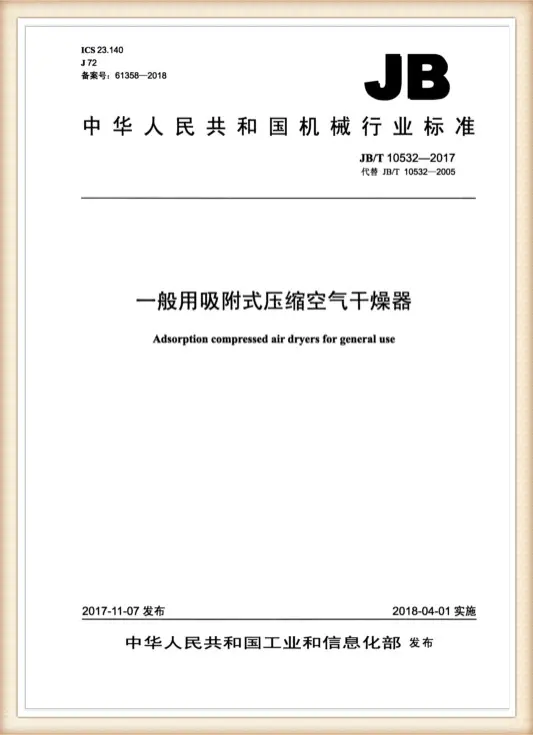
Adsorption compressed air dryers for general industrial processes.
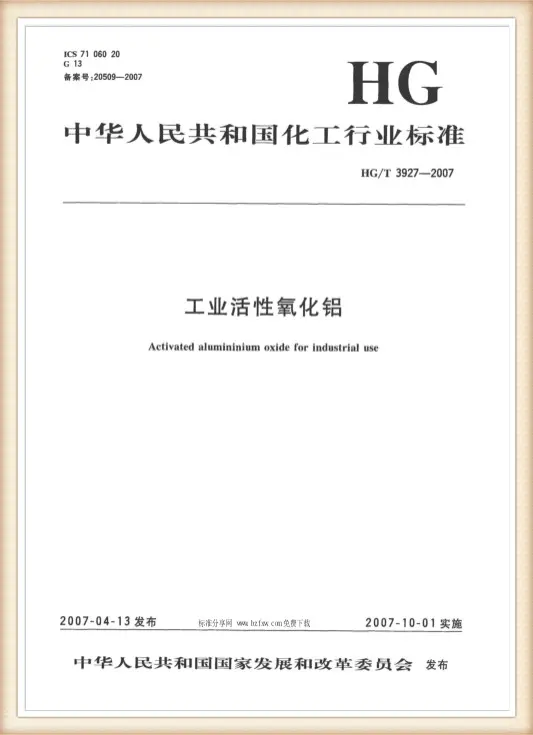
Activated aluminium oxide formulation and performance specifications.
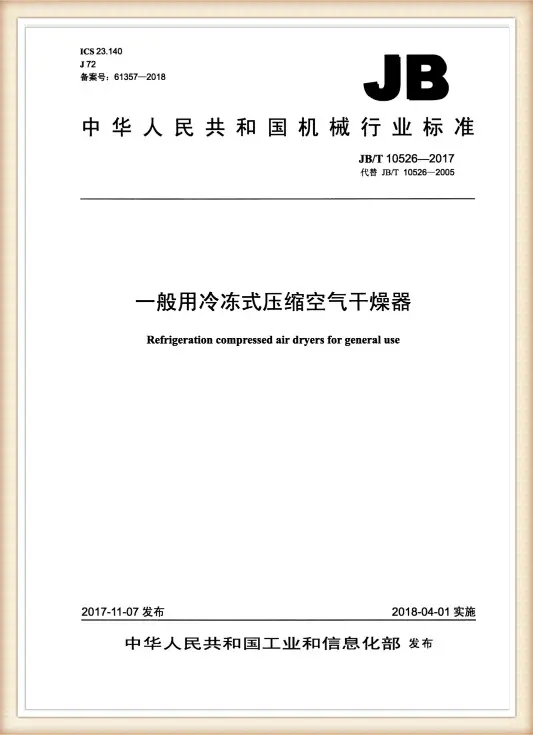
Refrigeration compressed air drying systems for commercial use.
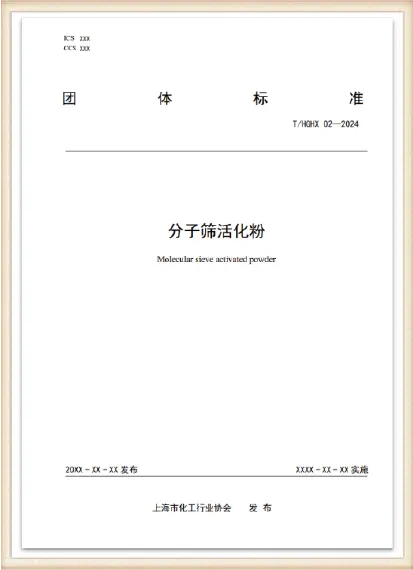
Next-generation adsorption technology guidelines and testing criteria.
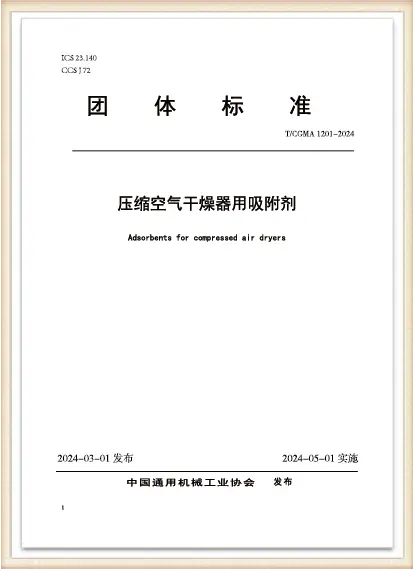
High-purity industrial desiccant testing for volatile organic compounds.
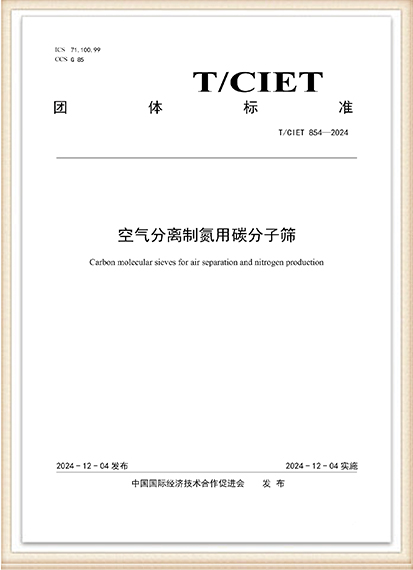
Green manufacturing standard for zeolites and aluminosilicates.
A global chemical manufacturing leader focused on advanced adsorbent research and development
Established in 1994, Shanghai Jiuzhou Chemicals Co., Ltd. is located in the largest economic center, Shanghai. Over the years, Jiuzhou has adhered to the dual pillars of "Quality Control & Innovation", committing significant capital to the development, manufacturing, and technical application of high-quality chemical products.
Our manufacturing scope encompasses various molecular sieve powders, molecular sieves, activated powders, activated alumina, catalysts, packing media, and specialized chemicals. Fully certified under the ISO9001: 2008 quality management system, TUV, and SGS, Jiuzhou guarantees consistency from initial synthesis to final packaging.
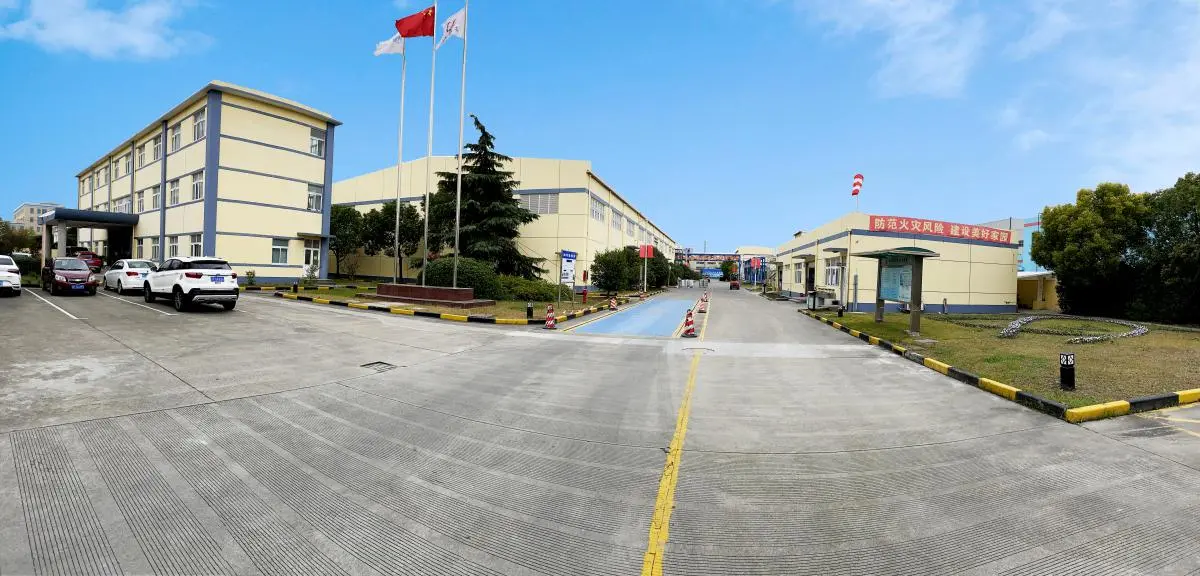

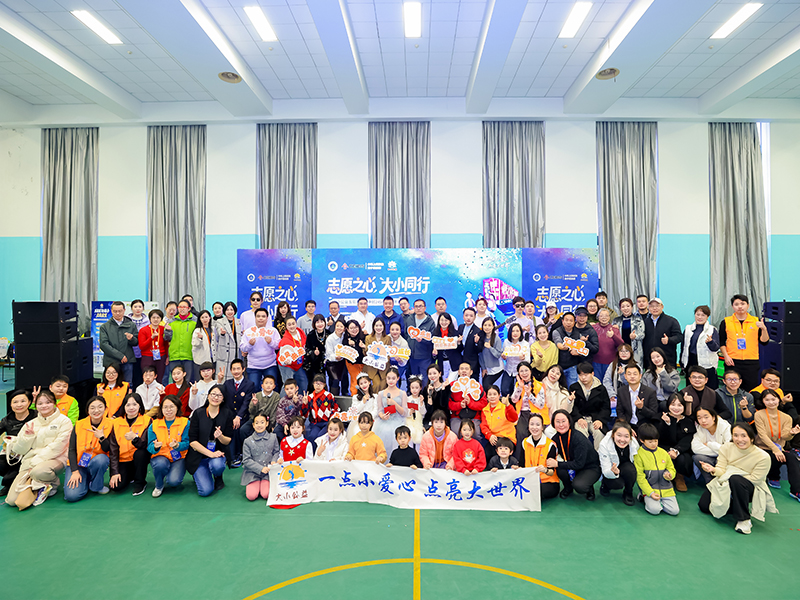
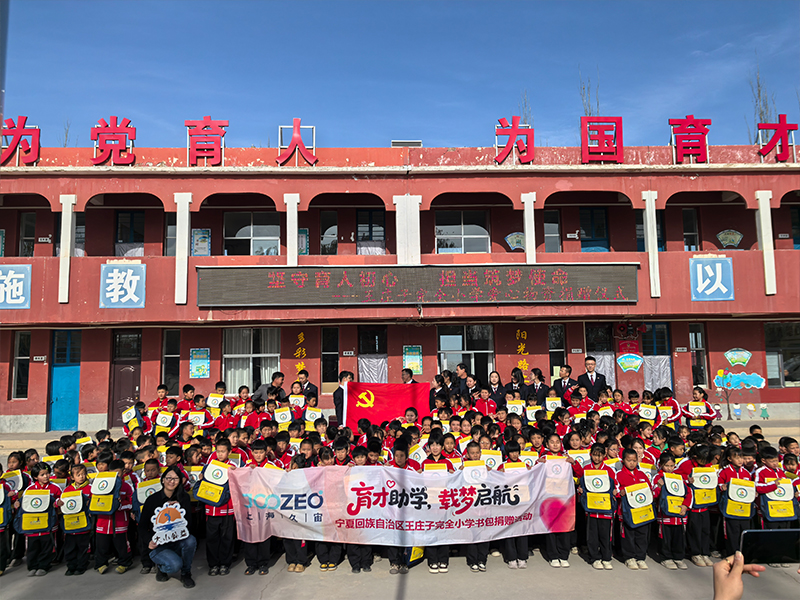
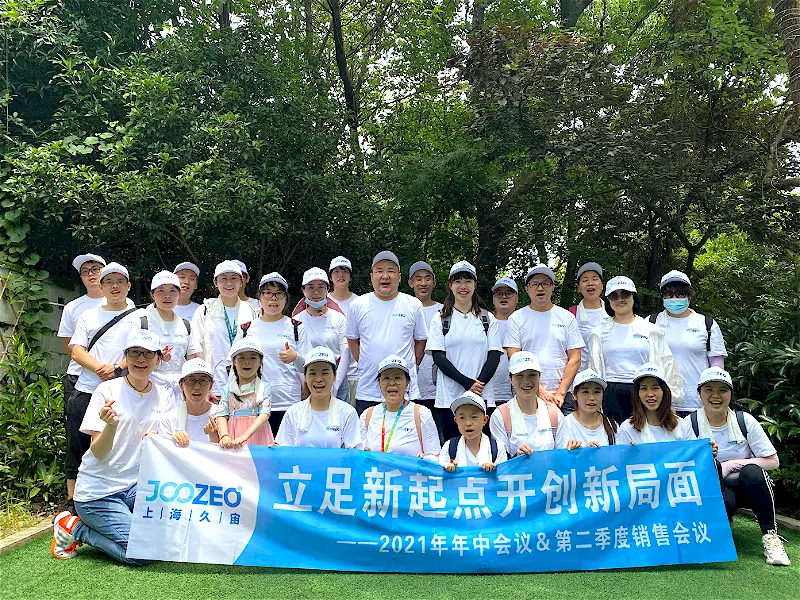
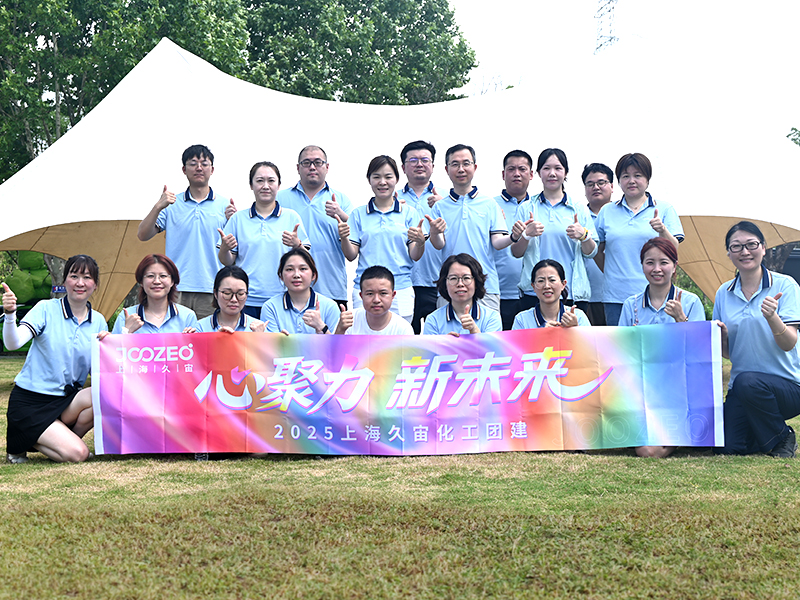
"Better Air, Better Life" — Pursuing carbon-neutral production pathways and zero-leakage processes

Operational execution plans designed for chemical engineers, operations directors, and plant managers
Deploying specialized JZ-ZMS3 (3A) molecular sieves to prevent co-adsorption of hydrocarbons while achieving water levels under 1 ppm. This ensures clean feedstocks for high-purity polymer reactors.
Continuous dynamic water stripping before NGL separation and cryogenic cooling. Low residual water levels prevent pipeline icing and safeguard cold boxes from catastrophic freezing.
Utilizing JZ-ZMS9 (13X) molecular sieves to co-adsorb hydrogen sulfide (H₂S), carbon dioxide (CO₂), and mercaptans. This step brings sour natural gas to pipeline transport specifications.
Utilizing high-surface-area JZ-ZMS5 (5A) zeolites to separate impurities from syngas. This delivers 99.999% pure green or blue hydrogen feedstocks for refinery desulfurization units.
Direct technical answers addressing the concerns of Houston process operators and engineering teams
In cracked gas streams, the ethylene molecule has a kinetic diameter of approximately 3.9 Å. If a standard 4A molecular sieve (pore size ~4 Å) is used, ethylene is co-adsorbed and subsequently polymerized inside the zeolite cages during the hot regeneration cycle. This causes rapid coking, loss of capacity, and premature bed failure. Using JZ-ZMS3 (3A), which has a strictly controlled nominal pore diameter of 3 Å, allows water molecules (~2.6 Å) to enter while excluding ethylene, ensuring long-term cycle performance.
Dusting is typically caused by chemical degradation due to liquid water refluxing during regeneration, hydrothermal damage, or low crushing strength of the raw materials under mechanical load. Jiuzhou prevents dusting by optimizing the clay-binder formulation and curing processes. This gives our molecular sieves high radial crush strength and low attrition levels, protecting downstream valves, instruments, and compressors from dust damage.
Dynamic water capacity represents the actual working adsorption capacity of the bed under process conditions (pressure, temperature, flow velocity, and composition), which is always lower than the static equilibrium water capacity. A molecular sieve with higher dynamic capacity yields a shorter mass transfer zone (MTZ). This allows designers to use smaller vessels, reduce structural steel weight, lower initial desiccant loading costs, and reduce the energy needed for regeneration cycles.
Typically, temperature swing adsorption (TSA) requires heating the bed with a dry slipstream gas to between 200°C and 320°C (depending on the specific zeolite type and inlet contaminants). The heating ramp rate must be carefully controlled to prevent hydrothermal degradation (steaming) of the zeolite framework, followed by a dry cooling step to restore dynamic adsorption activity. Jiuzhou’s engineering team provides customized thermal profiles for each customer installation.
Extended inventory of high-surface-area silica gels, activated aluminas, and specialty catalyst solutions
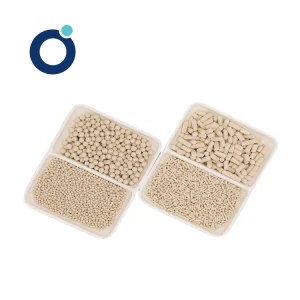
Premium 13X structure designed for air separation pre-purification systems, stripping trace moisture and volatile organic compounds.
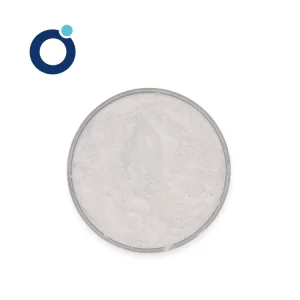
Dehydrated synthetic zeolite powder designed as an additive for polyurethane coatings, moisture-barrier sealants, and industrial plastics.
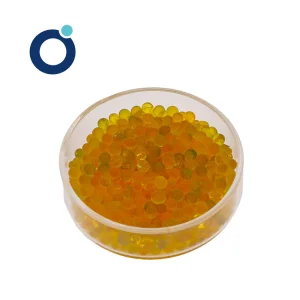
Highly porous silica gel optimized for moisture adsorption in instrument dryers, transformer breathers, and closed storage tanks.
Premium grade silica desiccant engineered to safeguard container packaging and dynamic storage environments from high-humidity rusting.
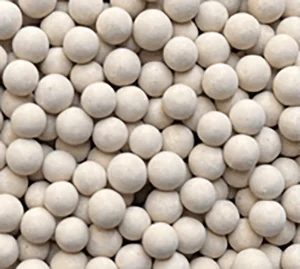
Active metal-promoted catalyst media tailored for process stream hydrogenation, cracking reactions, and specialized chemical syntheses.
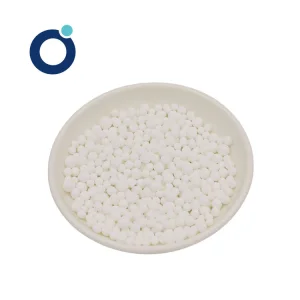
Water-resistant silica-alumina matrix designed to prevent cracking during liquid slug carryovers in raw natural gas separators.
High-purity chemical additive designed for pH adjustment in municipal water processing, mining processes, and industrial synthesis lines.
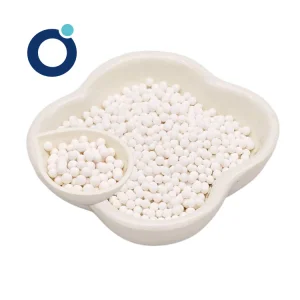
High dynamic water capacity activated alumina spheres designed for regenerable instrument air dryers and hydrocarbon drying.
Connect directly with our process technology team to request loading density calculations, gas purity simulations, and custom quotation sheets.