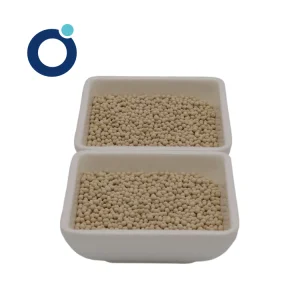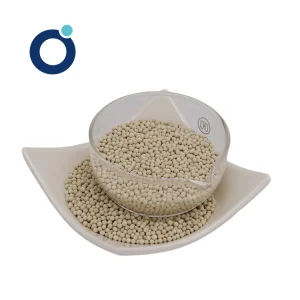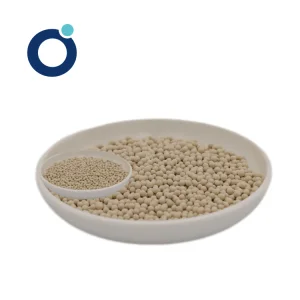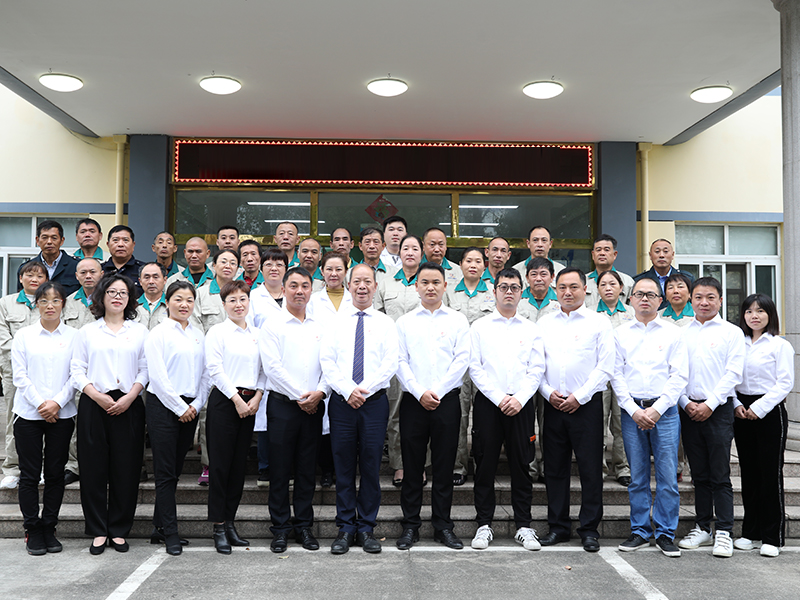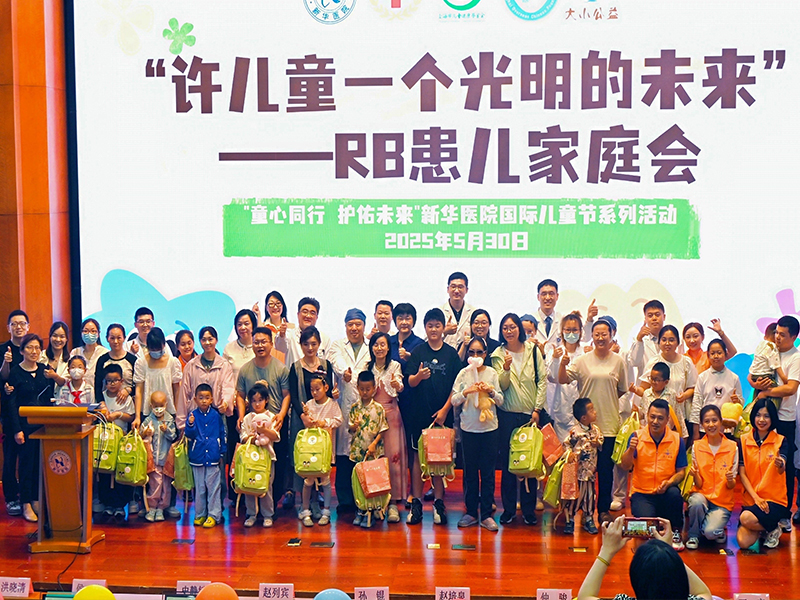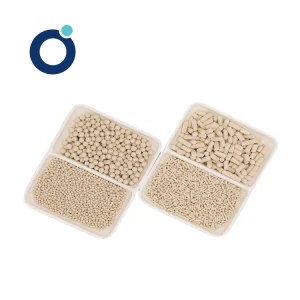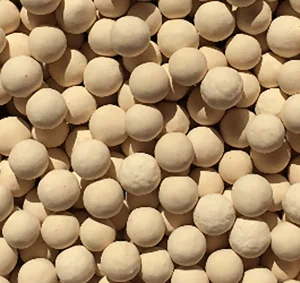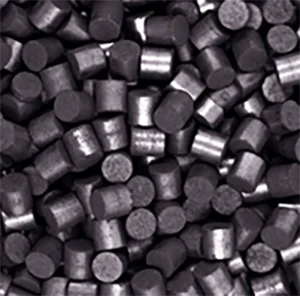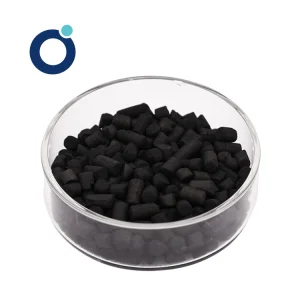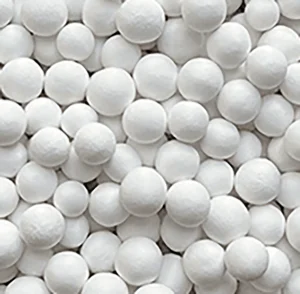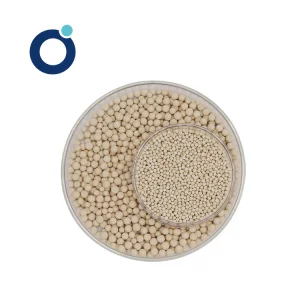
Engineered to operate in high-temperature desert locations, our core molecular sieves provide ultra-low water dew points in dry gas operations.
Algeria stands as one of the key energy corridors to Europe and the Mediterranean basin, driven by Sonatrach's vast natural gas fields in Hassi R'Mel and oil resources in Hassi Messaoud. Maintaining natural gas specifications for pipeline exports (such as the Transmed and Medgaz pipelines) or cryogenic liquefaction plants in Skikda and Arzew requires rigorous purification. Trace water, carbon dioxide, and acidic sulfur compounds must be stripped down to parts-per-million (ppm) fractions.
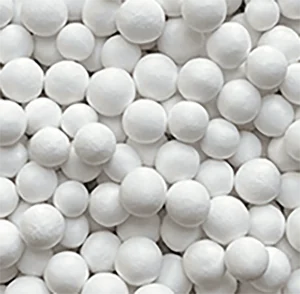
In these environments, synthetic zeolite molecular sieves function as the primary process barrier. If desiccant beds underperform due to hydrothermal collapse, mechanical attritive dusting, or poor chemical selectivity, downstream systems face severe operational risks. These risks range from hydrate crystal blockages in transport pipelines to freeze-out conditions in cryogenic heat exchangers.
Additionally, Algeria’s high desert temperatures, which exceed 45°C during summer, increase feed gas temperatures. High temperature reduces the static equilibrium adsorption capacity of traditional adsorbents. Our engineered molecular sieves are optimized with customized pore distribution configurations and thermal-stable structural binders to retain superior moisture capture profiles, even under unfavorable adsorption conditions.
Ensuring ultra-deep drying of methane feedstock at liquefaction plants in Arzew, preventing microcrystalline blockages in cold box systems.
Providing selective adsorption of acidic gases without co-adsorption of premium LPG molecules in natural gas desulfurization systems.
Specialized manufacturing binder configurations protect the crystalline zeolite structure from thermal shocks during regeneration cycles.
Zeolites are crystalline, aluminosilicate minerals featuring a highly structured network of micro-pores. To address various separation challenges in the gas fields of Algeria, a thorough understanding of pore sizes and kinetic selectivity is essential:
A critical factor in molecular sieve performance is regeneration. Using Thermal Swing Adsorption (TSA), hot dry purge gas (ranging from 200°C to 320°C) is routed through the bed to drive off adsorbed moisture. Our molecular sieves are manufactured to withstand thousands of these heating and cooling cycles without structural decay. This prevents the formation of fines and maintains low bed pressure drops over extended periods.
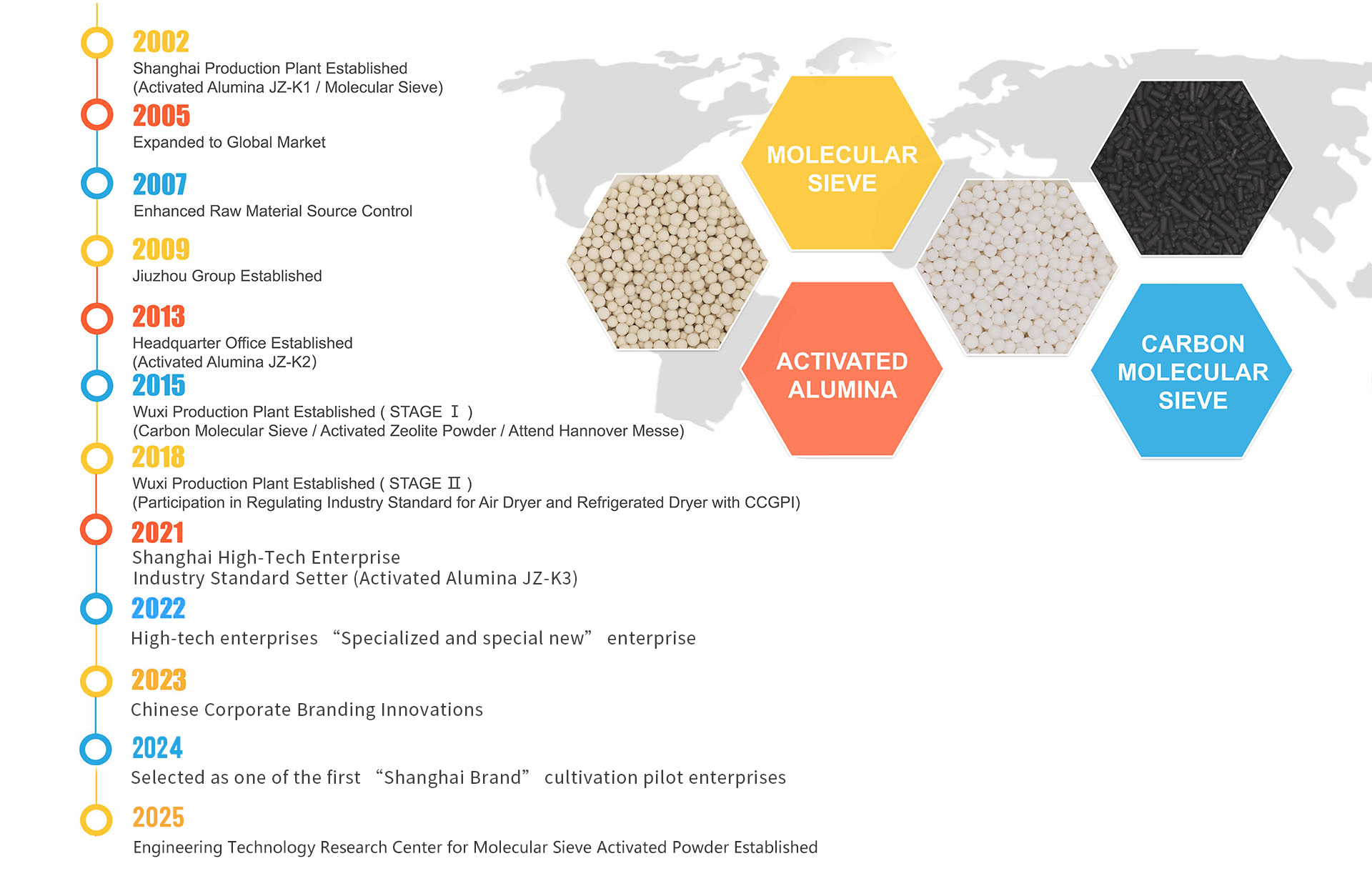
Simulating real-world operating conditions, pressure shifts, and thermal load variations for critical industrial adsorbents.
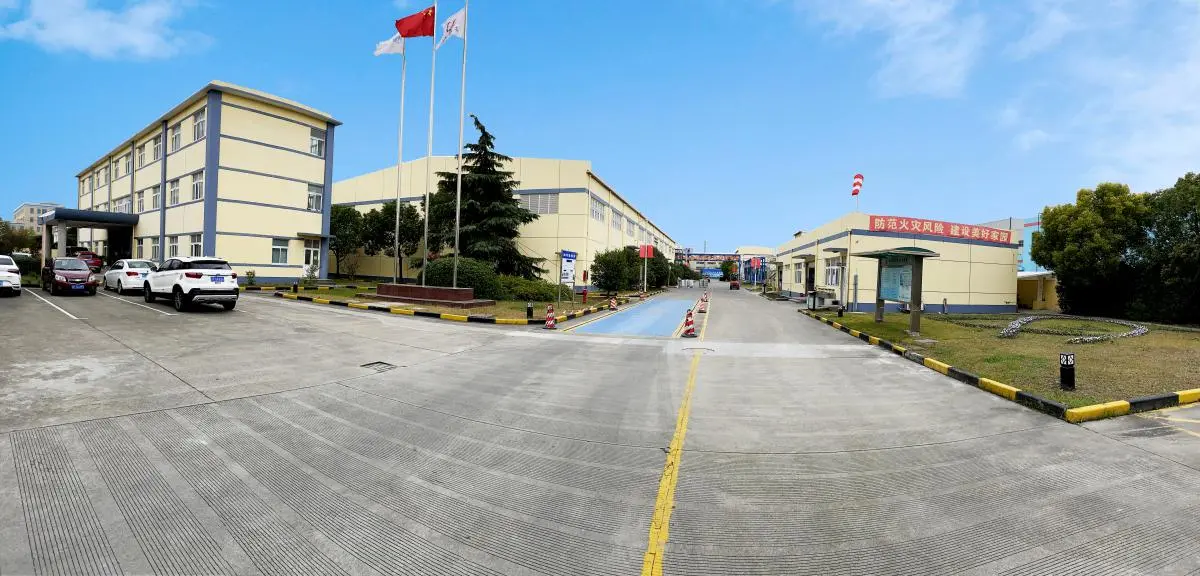
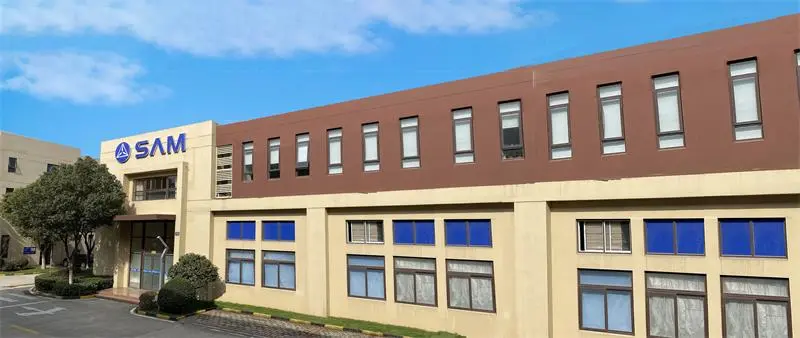
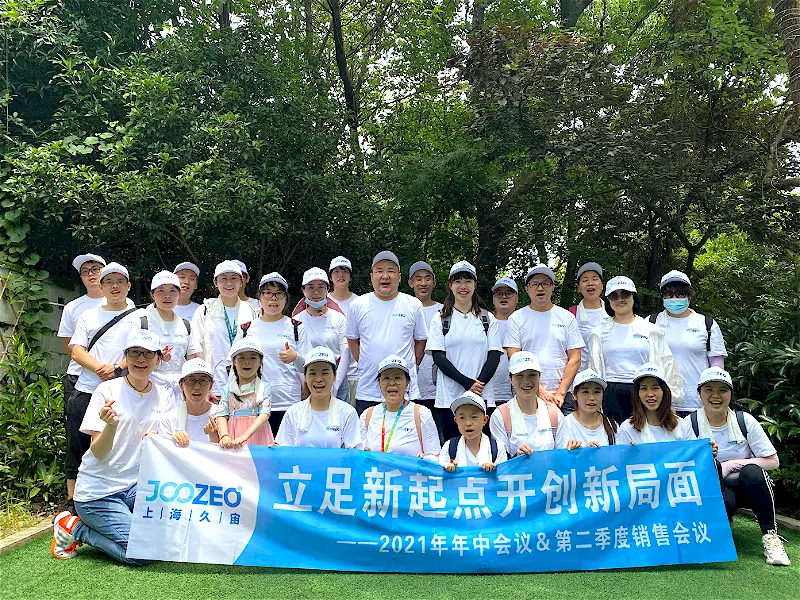
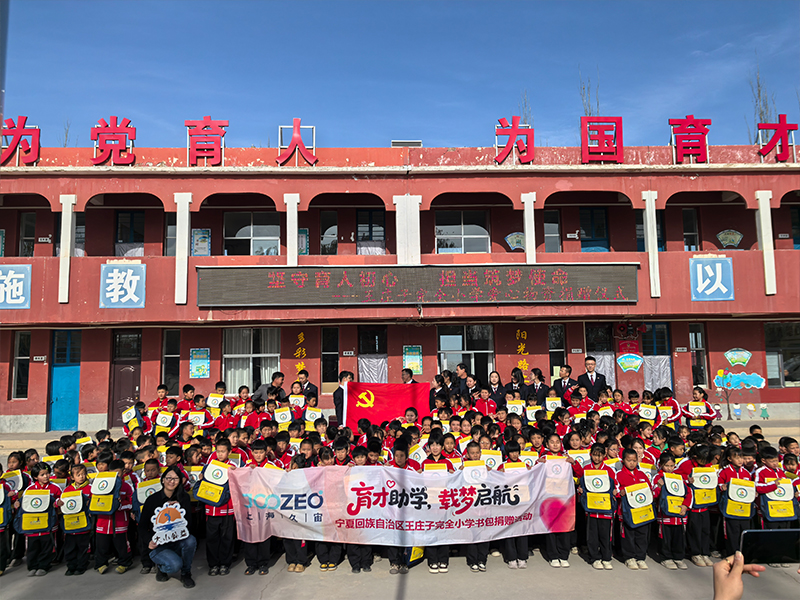
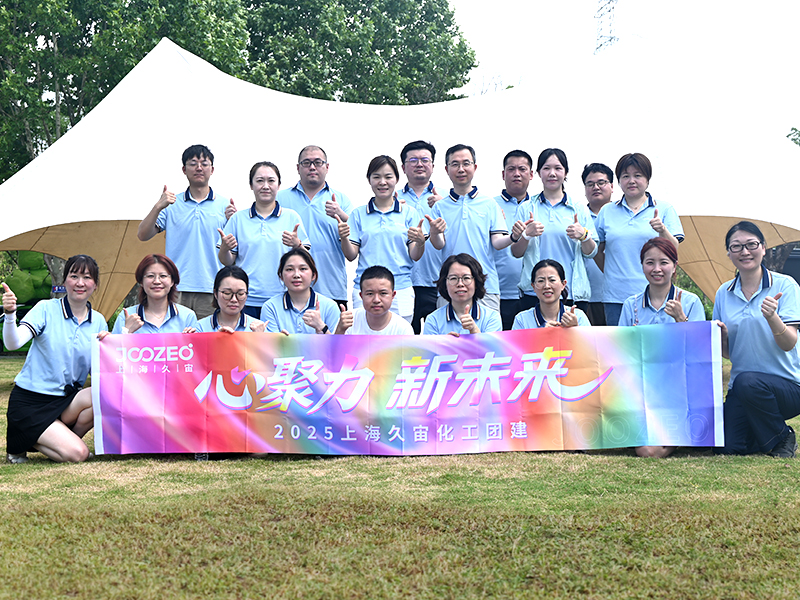
Shanghai Jiuzhou Chemicals Co., Ltd. is located in the major economic city of Shanghai. Over the years, Jiuzhou has adhered to the principles of "Quality Control, Innovation," committing itself to the development, research, and manufacturing of high-quality innovative chemical products.
Our core product line includes various molecular sieve powders, molecular sieves, activated powder, activated alumina, aluminum oxide catalysts, different types of alumina packing and ceramic balls, sodium silicates, aluminum hydroxide, zeolite 4A, sodium carbonates, and SLES. All of our products have passed the ISO9001: 2008 quality management system certification, along with TUV & SGS Certifications, establishing our position as a reliable supplier for the Algerian market.
Jiuzhou’s technical strength and industry reputation are leading the desiccant field, backed by senior experts, technical reserves, automated multi-functional production workshops, and a central dynamic laboratory equipped with monitoring and analysis instruments. We have established distribution networks across the United States, Southeast Asia, Japan, Europe, North and South America, and the Middle East, offering partners high-quality products, customized services, and energy-saving, environmentally friendly adsorption solutions.
Operating dedicated, highly automated production facilities in Wuxi and Shanghai, maintaining direct control over material quality and supply volume.
We design and produce advanced adsorption solutions aimed at reducing industrial emissions and promoting clean environment values worldwide.
We actively participate in formulating national and industrial product standards, ensuring quality assurance for global installations.
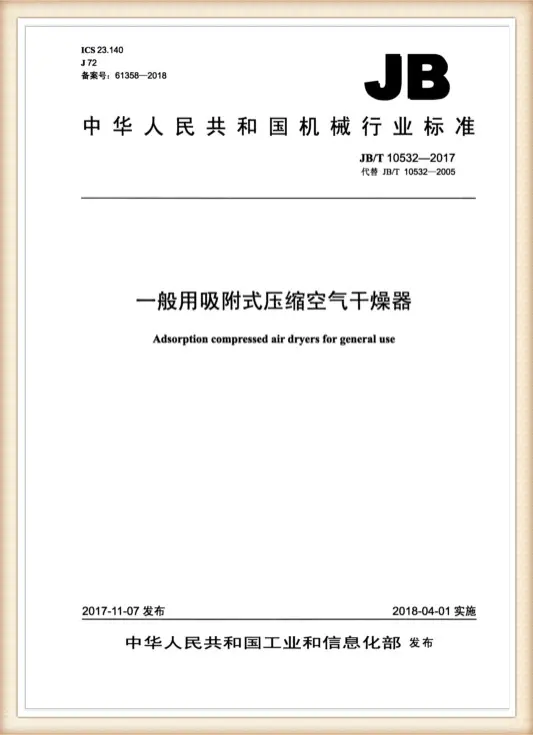
JB / T 10532-2017
Adsorption compressed air dryers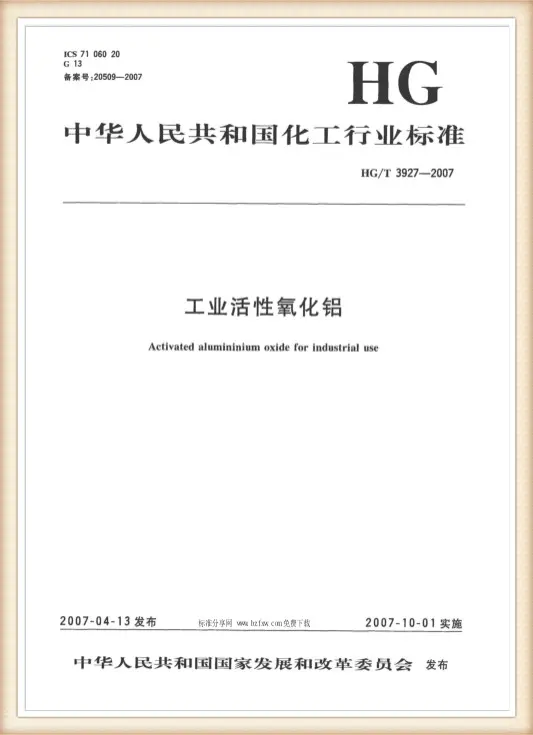
HG / T 3927-2007
Activated alumina standard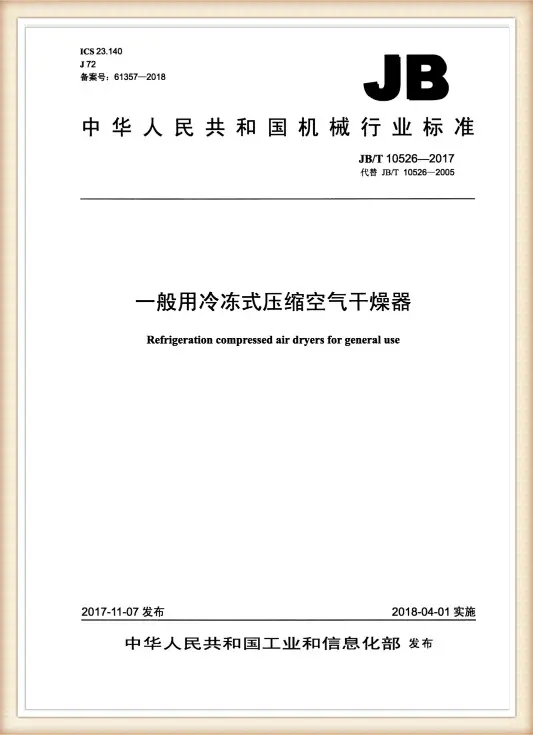
JB / T 10526-2017
Refrigeration dryers standard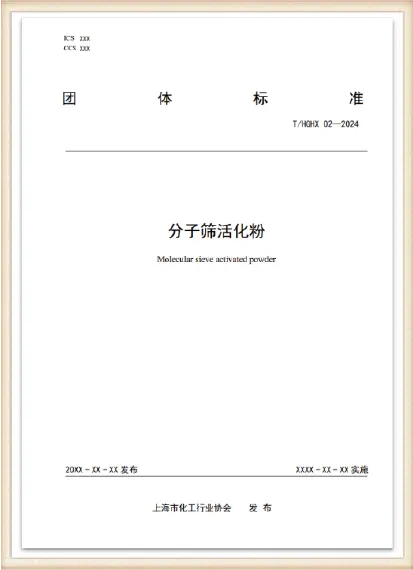
T/CGMA1201-2024
Association standard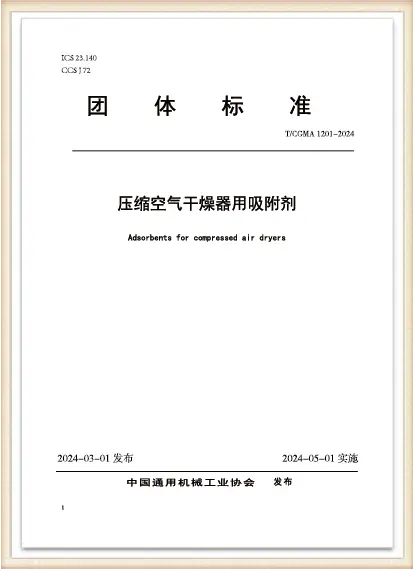
T/HGHX 02—2024
Chemical guidelines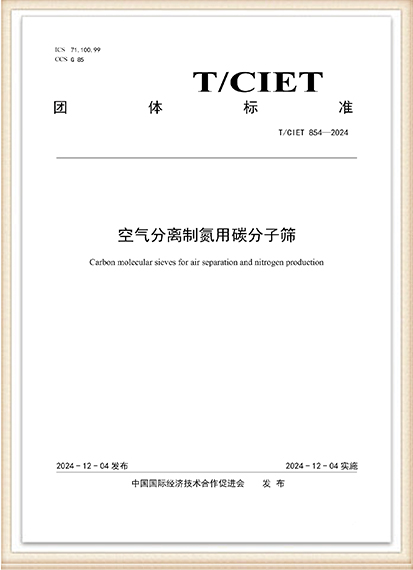
T/CIET 854-2024
Trade standardizationNavigating Algerian import regulations requires rigorous, compliant export logistics. Our dedicated logistics team works in close cooperation with international inspection agencies (such as SGS, TUV, and Intertek) to verify product specifications before cargo loading at Shanghai Port. We ensure seamless clearance at major Algerian container gateways including Algiers, Oran, Skikda, and Bejaia.
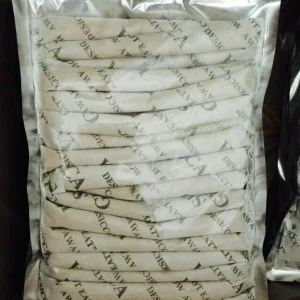
To satisfy local compliance standards, we provide all required certifications, including the *Certificat de Conformité* (CoC) and detailed chemical assay sheets. Recognizing the vulnerability of zeolites to atmospheric moisture, we pack our products in heavy-duty steel drums or heat-sealed composite supersacks, integrated with vacuum-sealed inner liner bags. This protects the material from moisture ingress during ocean transit, ensuring it arrives dry and ready for immediate bed charging.
Engineered for high mechanical stability and low pressure drop under cyclic thermal loads.
In Algeria, dehydration beds operate under distinct thermal swing adsorption (TSA) profiles. Ambient temperatures during the summer can heat feed gases to above 45°C. Since physical adsorption is exothermic, higher inlet temperatures reduce the capacity of the molecular sieve bed. This shift shortens the time before water breakthrough, requiring more frequent regeneration cycles.
To prolong bed life under these conditions, plant operators must manage heat ramp-up and cool-down phases carefully. Rapid heating can cause hydrothermal degradation, fracturing the zeolite crystals and creating fine powder. Our molecular sieves are manufactured with robust binder matrices, ensuring high crush strength and resistance to hydrothermal damage under repeated hot-purge regeneration cycles (up to 320°C).
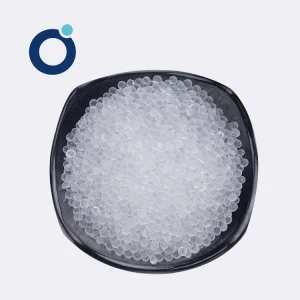
Additionally, upstream liquid separators must be regularly monitored. Carryover of liquid hydrocarbons can coat the molecular sieve pores, leading to carbon build-up (coking) during the heating phase. Over time, coking reduces adsorption capacity and raises pressure drop. We recommend placing a layer of silica gel or activated alumina at the inlet of the bed to capture liquid droplets and protect the primary molecular sieve layer.
Complementary processing solutions designed for comprehensive gas treatment operations.
B2B technical support and design parameters for plant operators and process engineers.
Whether optimizing dry gas systems or sourcing high-crush-strength adsorbents for refinery units, our engineering team can assist with sizing and bed design calculations.