
High-purity crystalline aluminosilicates custom-engineered to meet the strict dew-point and separation requirements of Victoria's primary industrial sectors.
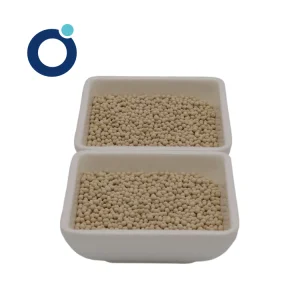
Designed for high-performance deep dehydration in gas processing systems.
Request Specs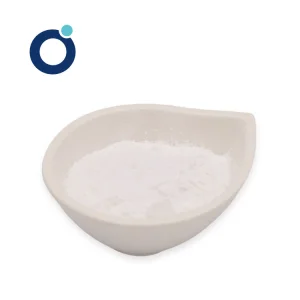
Specially engineered for VOC and volatile contaminant removal in biogas.
Request Specs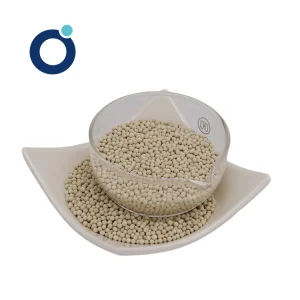
Ideal for air drying in pneumatic and control systems with low dew points.
Request Specs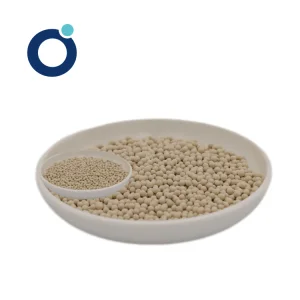
Targeted for industrial gas separation and pressure swing adsorption units.
Request SpecsAnalyzing Melbourne's unique manufacturing, chemical processing, and environmental policy environment.
As Australia's manufacturing capital, Greater Melbourne hosts complex industrial corridors across Altona, Campbellfield, Dandenong, and the Yarra Valley. These zones house advanced petrochemical operations, specialty chemical synthesis plants, large-scale food processing facilities, and expanding pharmaceutical hubs. Victoria’s strict environmental framework, guided by the EPA Victoria Protection Act, places immense pressure on local industrial facilities to control VOC emissions, manage process off-gasses, and optimize thermal efficiencies. In this environment, molecular sieves are not simple consumables; they are critical system components that determine plant compliance, yield quality, and operating costs.
Furthermore, Melbourne is at the forefront of Australia’s clean energy transition. The development of municipal biogas networks, hydrogen pilot plants in Latrobe Valley, and regional biomethane hubs requires advanced drying and gas purification technologies. Molecular sieves play an indispensable role in these systems, enabling carbon dioxide capture, biogas upgrading, and the removal of siloxanes, moisture, and hydrogen sulfide. Maintaining high gas purity is essential for preventing corrosion in transmission lines, downstream catalysts, and turbines, ensuring long-term operational integrity.
Drying and separation technologies in the Altona chemical complex require ultra-reliable adsorbents to avoid freeze-out in cryogenic separation processes.
Supporting Victoria’s Bioenergy Projects and gas grid injections by providing precise adsorption solutions for carbon dioxide, water, and siloxane removal.
Providing high-efficiency desiccants to commercial HVAC and manufacturing systems in Melbourne to prevent water condensation and corrosion.
Technical parameters of synthetic zeolites, including crystalline structure, pore size dynamics, and mass transfer zone characteristics.
Synthetic zeolites are crystalline aluminosilicates with highly defined three-dimensional framework structures of SiO4 and AlO4 tetrahedra. This framework creates a regular network of internal cavities and pores of exact molecular dimensions. The presence of metal cations (such as sodium, potassium, or calcium) within the crystal lattice balances the negative charge of the framework, dictating the effective pore opening diameter and the material’s affinity for polar molecules.
In process plants across Victoria, these materials are deployed in dynamic adsorption columns. Designing these units requires a deep understanding of the Mass Transfer Zone (MTZ). As feed gas passes through the molecular sieve bed, target impurities are rapidly adsorbed, establishing an active adsorption zone. Over time, this zone moves downstream until breakthrough occurs. Selecting the correct particle size, pore diameter, and mechanical strength is crucial for optimizing pressure drop and cycle times.
| Pore Size | Primary Target | Melbourne Application |
|---|---|---|
| 3A Zeolite | H2O (excl. Ethylene) | Ethanol dehydration, Altona Olefins |
| 4A Zeolite | H2O, CO2, SO2 | Compressed air dryers in Dandenong |
| 5A Zeolite | n-Paraffins, H2S | PSA Hydrogen units in Port Melbourne |
| 13X Zeolite | Mercaptans, CO2 | Cryogenic Air Separation, Oxygen PSA |
Combining global manufacturing scale with verified technical expertise and strict quality management since 1994.
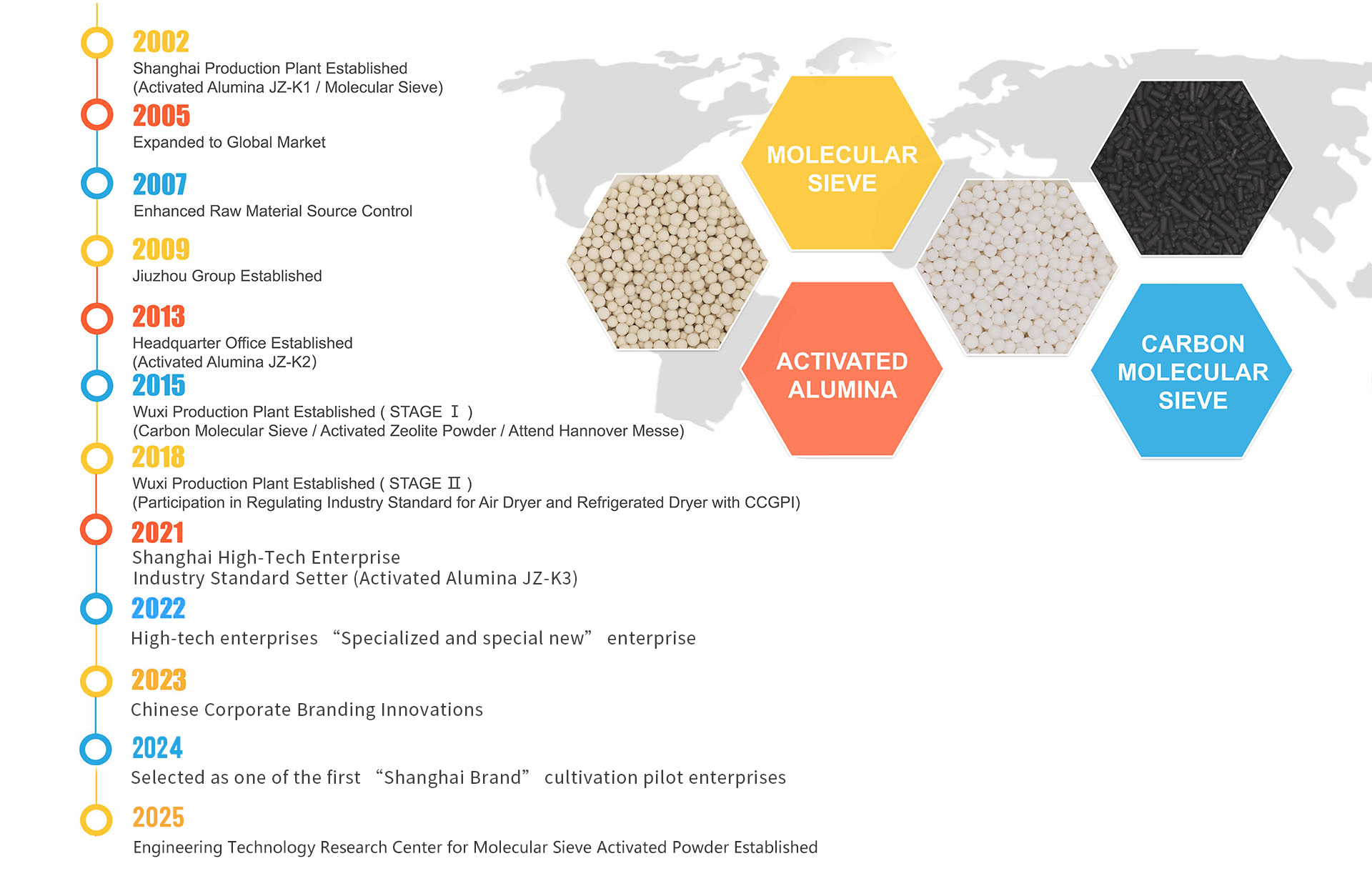
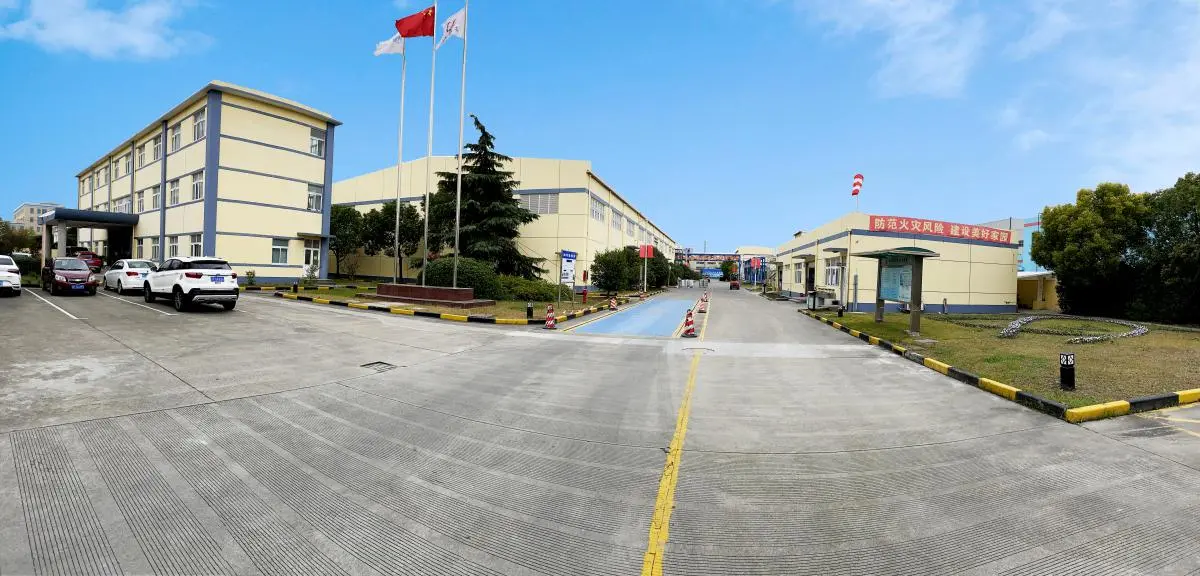
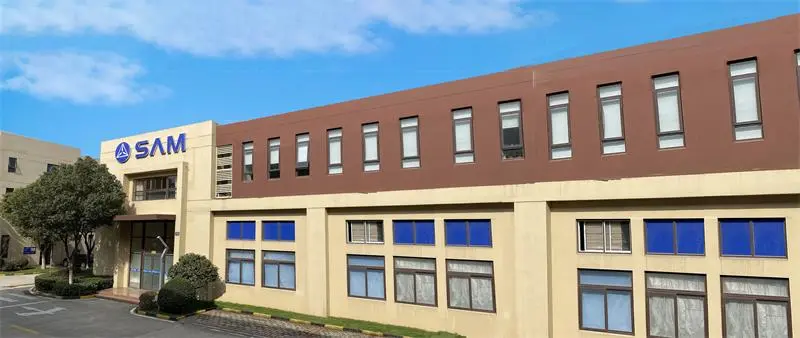
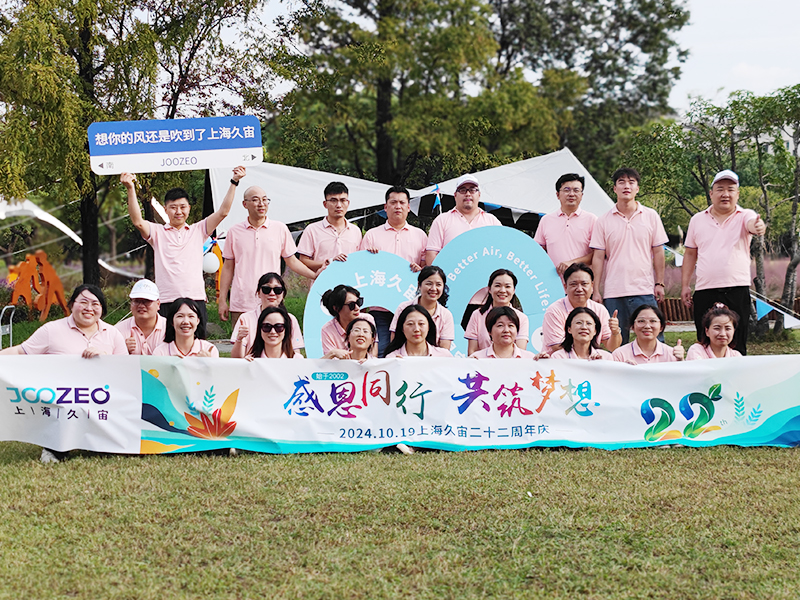
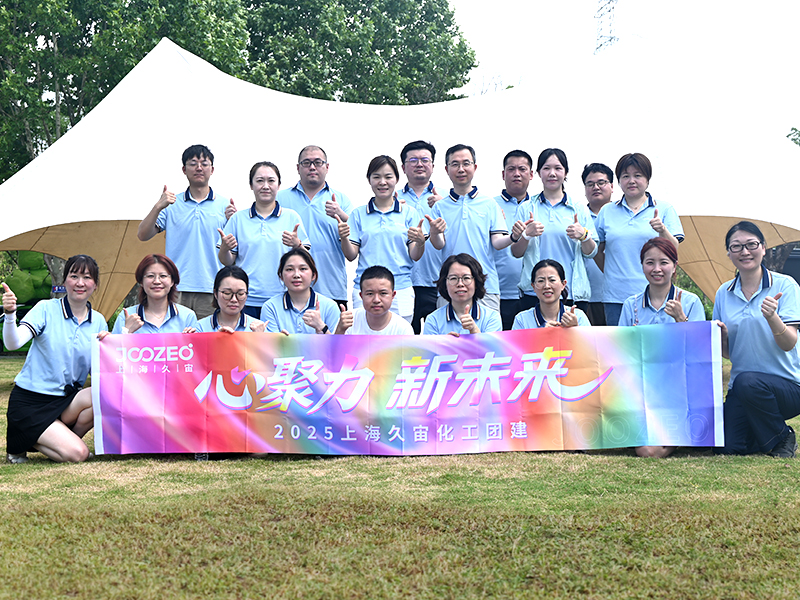
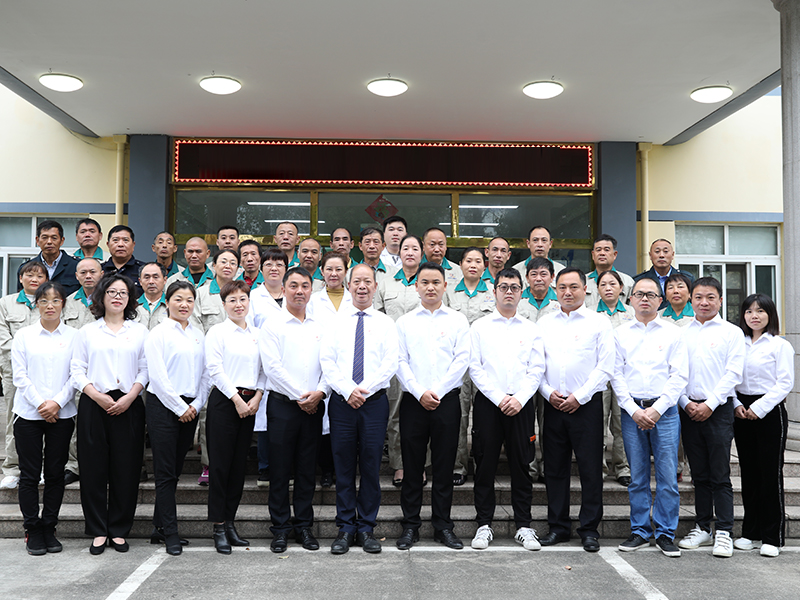
Located in Shanghai, the economic center of China, Shanghai Jiuzhou Chemicals Co., Ltd. has spent over three decades establishing itself as a global leader in high-performance desiccants, synthetic zeolites, and catalyst technologies. We operate advanced, automated multi-functional production facilities, supported by a central laboratory equipped with high-precision analytical and monitoring instrumentation. Our products meet or exceed the most stringent international standards, backed by ISO9001:2008, TUV, and SGS certifications.
As a leading standard setter in the chemical adsorbent industry, our engineering teams are direct contributors to national and industrial technical standards, including JB/T 10532-2017 (Adsorption compressed air dryers) and HG/T 3927-2007 (Activated alumina for industrial use). By controlling every step of the manufacturing process—from raw material selection to final packaging—we ensure that our Melbourne clients receive highly consistent, wear-resistant, and high-capacity adsorbents that minimize down-time and maximize operation lifespans.
We drive technical development across the adsorption sector. Our systems and materials conform to the following certified standards:
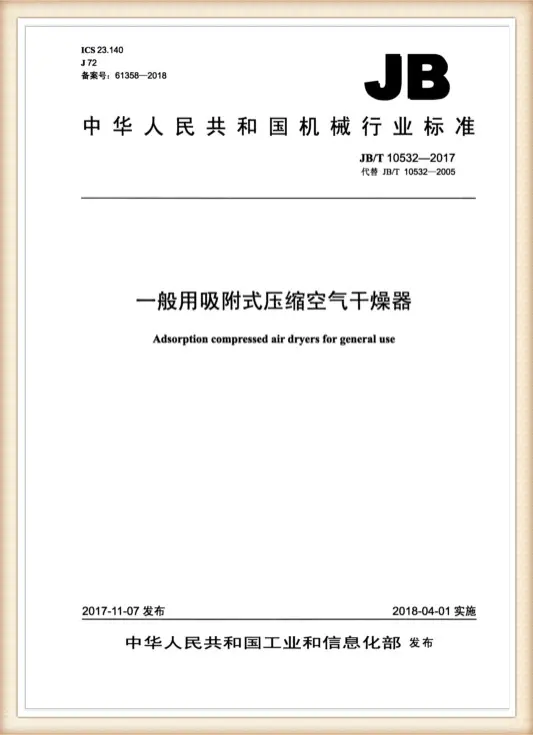
JB / T 10532-2017
Adsorption compressed air dryers for general industrial applications
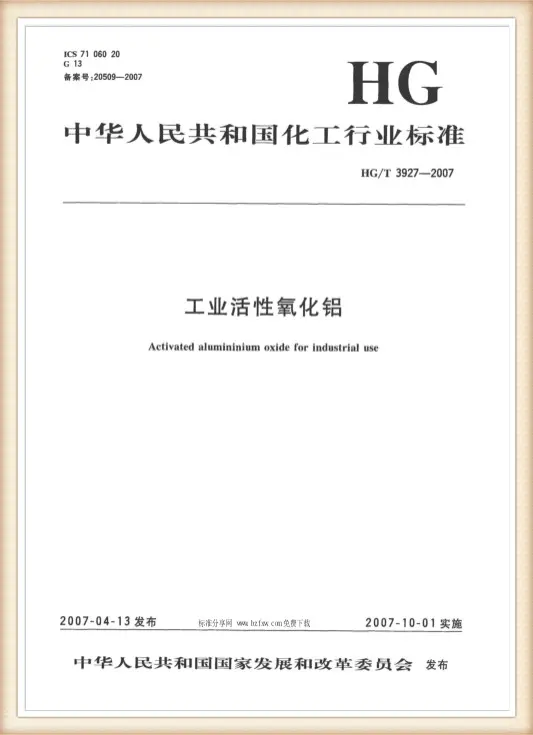
HG / T 3927-2007
Activated aluminium oxide for industrial process applications
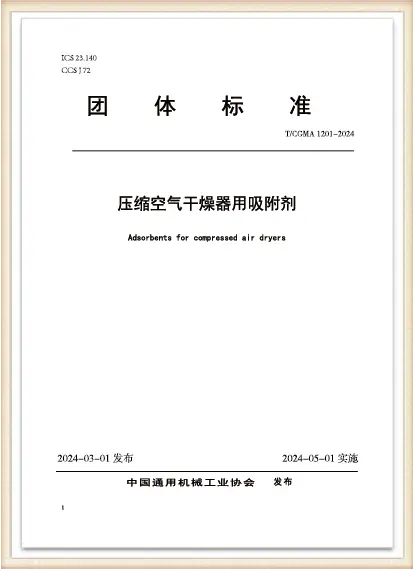
T/CGMA1201-2024
Group specifications for gas purification machinery performance
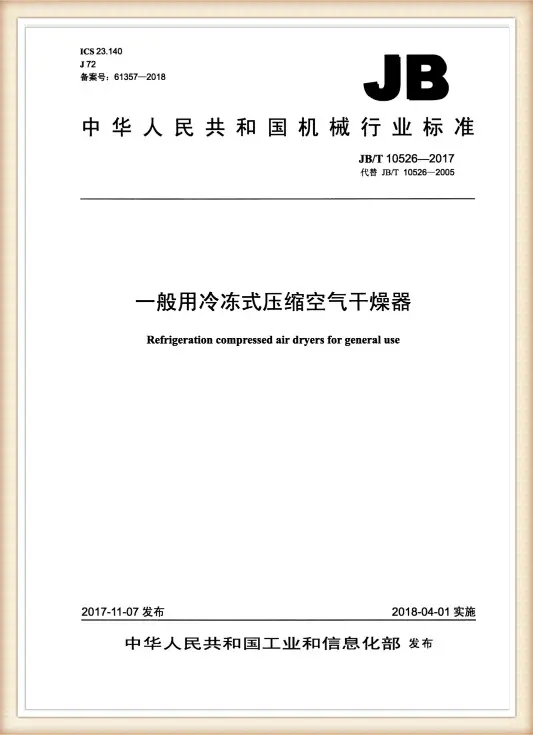
JB / T 10526-2017
Refrigeration compressed air dryers for general industrial use
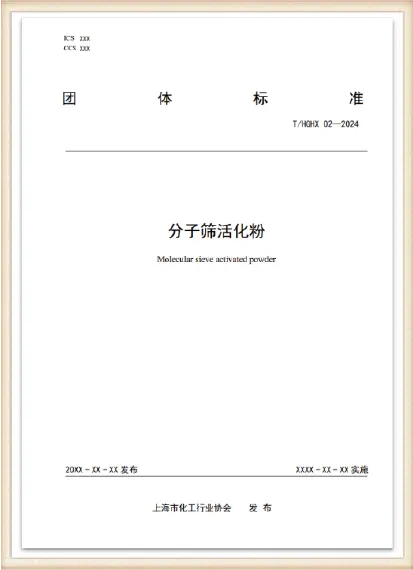
T/HGHX 02—2024
Testing protocols for synthetic crystalline zeolite adsorbents
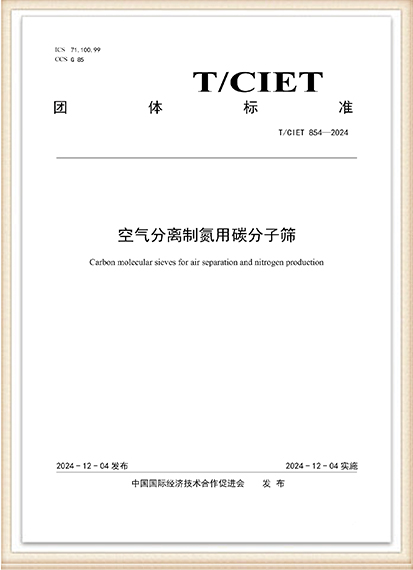
T/CIET 854-2024
Green manufacturing and carbon emissions standards for chemical plants
Aligning adsorption technologies with Victoria's Net-Zero emission targets and global industrial developments.
Global demand for high-capacity molecular sieves is growing rapidly, driven by the clean hydrogen economy, carbon capture systems, and bio-gas grid integration. In Victoria, under the Climate Change Act 2017, the state government has set a target of net-zero greenhouse gas emissions by 2045. This has accelerated the redevelopment of local gas grids, waste-to-energy projects, and hydrogen production systems. These applications place demanding requirements on industrial adsorbents, demanding long cycle lives, high resistance to thermal shock during regeneration, and minimal energy consumption during desorption.
To support this transition, Jiuzhou Chemicals is developing advanced adsorbents with modified crystalline structures. Our research focuses on increasing internal mass transfer rates while lowering the thermal energy required for regeneration. By optimizing pore geometry and cation distribution, our next-generation molecular sieves operate efficiently at lower regeneration temperatures (typically 180°C to 220°C, compared to standard 300°C), significantly reducing energy use in Pressure Swing Adsorption (PSA) and Temperature Swing Adsorption (TSA) units. Additionally, our carbon molecular sieves are optimized for high-purity nitrogen generation, helping local manufacturing plants minimize their carbon footprints.
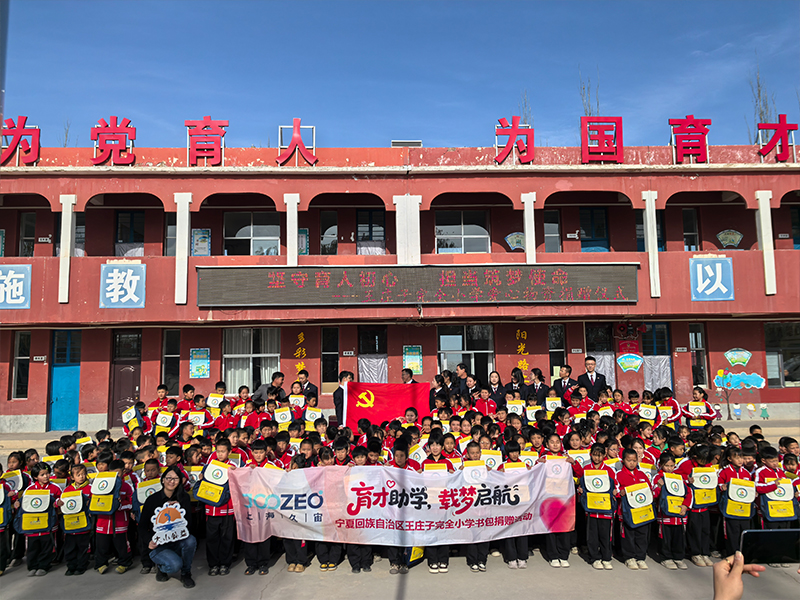
At Jiuzhou, our corporate mission extends beyond chemical manufacturing. We believe that through targeted industrial innovation, we can contribute to a cleaner environment. Our systems are optimized to reduce emissions, capture process pollutants, and increase energy efficiency in chemical plants worldwide.
Providing clear technical answers to common questions raised by procurement managers and process engineers in Victoria.
The operational lifespan of a molecular sieve is primarily determined by thermal degradation, contamination, and mechanical wear. In compressed air drying plants, the presence of oil vapor from upstream compressors can coat the zeolite beads, blocking access to the internal pores and causing permanent loss of capacity. Standard systems can achieve 3 to 5 years of operation when designed with proper pre-filtration, correct cycle configurations, and controlled regeneration heating rates.
Activated alumina is a highly porous form of aluminum oxide that adsorbs water via physical capillary condensation, making it ideal for high-humidity streams and standard compressed air dryers. In contrast, molecular sieves are crystalline zeolites with exact pore sizes that select molecules based on size and polarity. Molecular sieves can achieve extremely low dew points (down to -70°C or lower) and are preferred when deep water removal is required, or when selective gas separation is needed.
Jiuzhou Chemicals maintains strict control over every stage of production at our Shanghai and Wuxi plants. We verify incoming raw materials, closely monitor temperature and crystallization parameters during synthesis, and test finished batches in our central laboratory. Our products conform to national and international standards, including ISO 9001:2008, TUV, and SGS, ensuring consistent physical strength, crush resistance, and adsorption performance.
For standard Temperature Swing Adsorption (TSA) processes, zeolite molecular sieves require heating the bed to between 200°C and 320°C to release adsorbed water molecules and restore capacity. The exact temperature depends on the specific zeolite type (e.g., 3A, 4A, 13X), process constraints, and the composition of the regeneration purge gas. Proper ramp rates and cooling phases are critical to preventing thermal stress and extending the material's service life.
Providing a comprehensive range of molecular sieve powders, carbon sieves, and specialty catalysts to support diverse industrial operations across Melbourne.
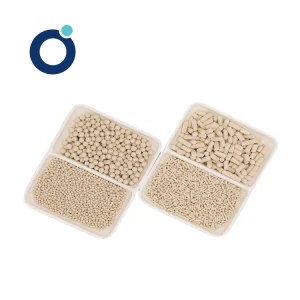
Targeted for specialized chemical processing and refining systems.
Get Pricing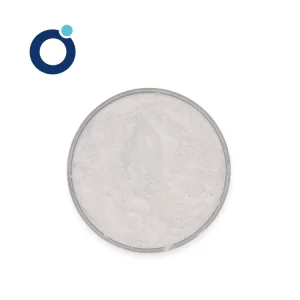
Finely divided active powder for polyurethane, paint, and coating formulas.
Get Pricing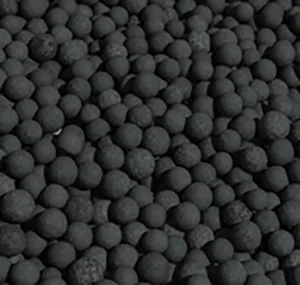
Formulated for acid scavenger applications in critical chemical loops.
Get Pricing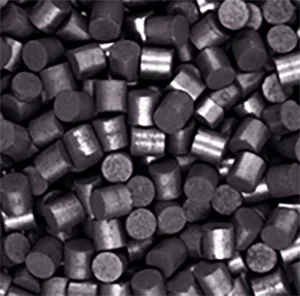
Engineered catalyst carrier for high-temperature process conditions.
Get Pricing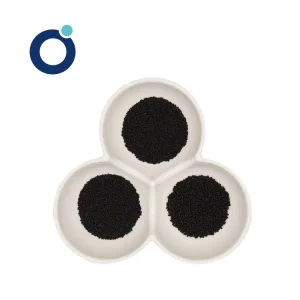
Excellent performance in PSA nitrogen systems for high-purity generation.
Get Pricing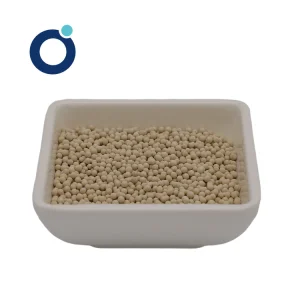
Designed for demanding dehydration duties in process gas systems.
Get Pricing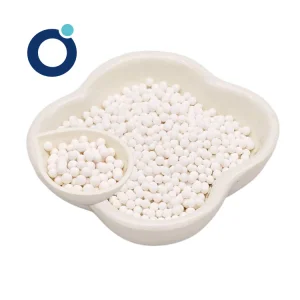
High-capacity spherical desiccant for industrial compressed air dryers.
Get Pricing
Active zeolite powder designed for moisture removal in polymers.
Get PricingHigh-purity technical products designed for challenging industrial conditions and catalytic applications.
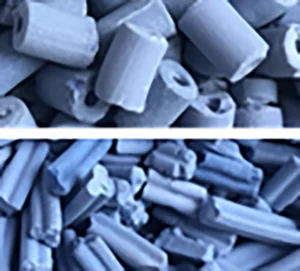
Premium catalyst developed for hydrocarbon reforming and conversion processes.
Inquire Now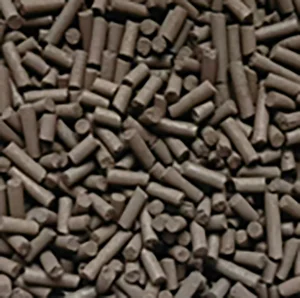
Guard bed material designed to protect downstream catalysts from contamination.
Inquire Now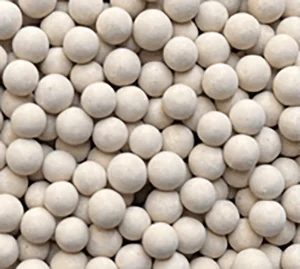
High-affinity adsorbent engineered for targeted impurity removal in gas loops.
Inquire Now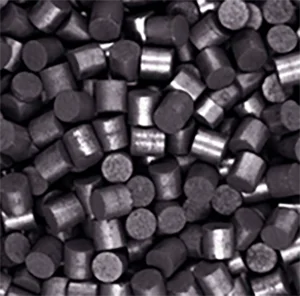
Advanced catalyst formulated for high-performance organic chemical processes.
Inquire NowWhether you are replacing desiccant beds in Melbourne or engineering a new PSA system, our technical team is ready to assist. Contact us today to receive customized specifications, performance curves, and pricing options.