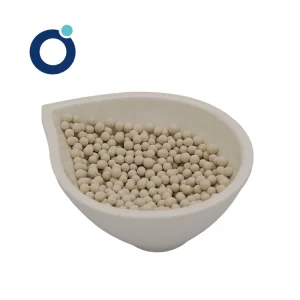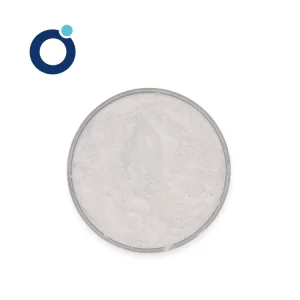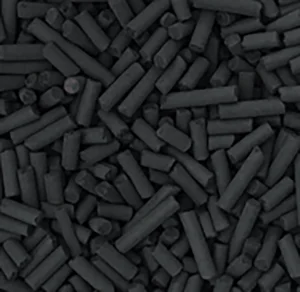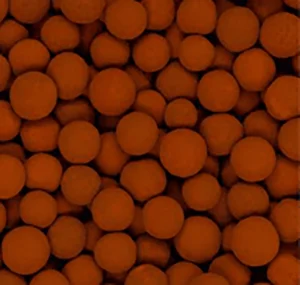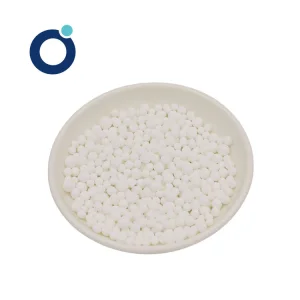
Engineered to satisfy stringent industrial specifications. Select from our advanced desiccant range below to request detailed datasheets and factory quotes.
Activated alumina is a highly porous form of aluminum oxide ($\text{Al}_2\text{O}_3$) featuring an extremely high surface-area-to-weight ratio (typically exceeding $300\text{ m}^2/\text{g}$). Produced by the controlled calcination of aluminum hydroxide (gibbsite or boehmite), this material undergoes partial dehydroxylation to yield a complex crystalline structure dominated by transitional alumina phases (specifically $\gamma$-alumina and $\eta$-alumina). These phases present high pore volume distributions and active site densities that are ideal for physical adsorption and catalytic processes.
Our manufacturing sites refine these characteristics by optimizing calcination temperatures and kiln residence profiles. This guarantees that our Activated Alumina products demonstrate exceptional mechanical crush strength alongside low abrasion loss. This structural integrity is critical for demanding high-pressure gas streams, preventing bed channeling, minimizing pressure drop increases, and protecting downstream equipment from desiccant dust contamination.
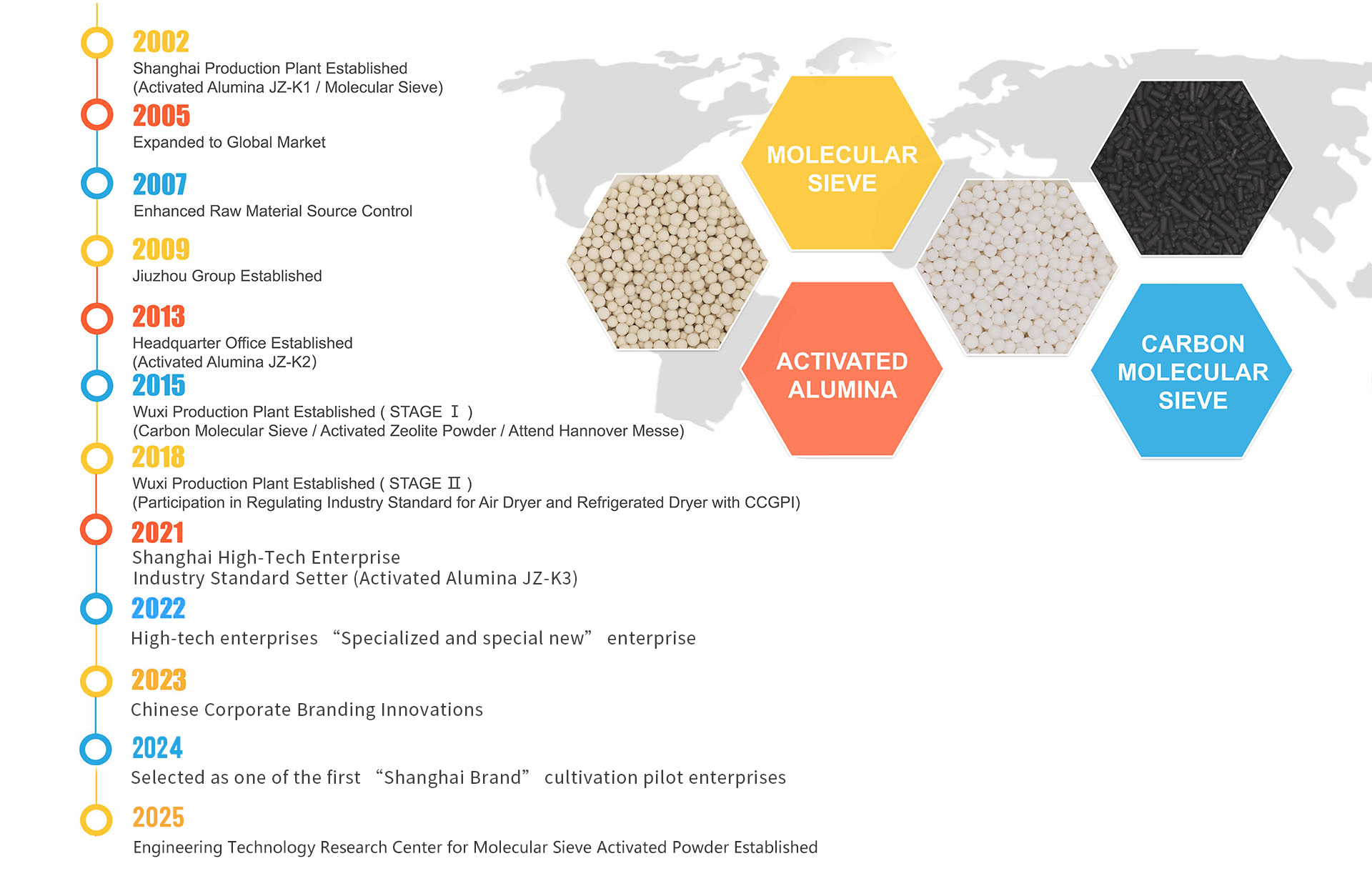
A summary of JOOZEO's core focus areas in industrial adsorption, molecular sieving, and catalytic support systems.
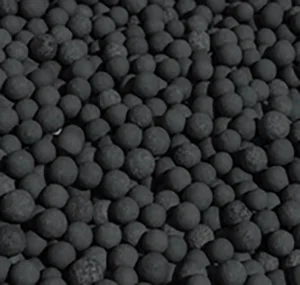
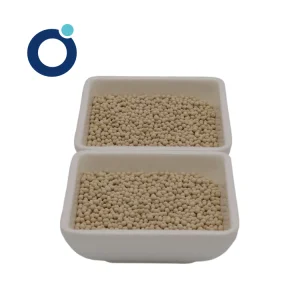
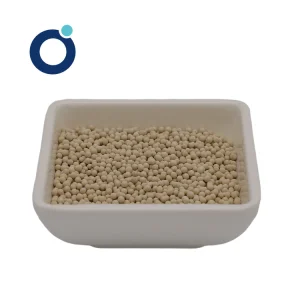
Optimized for both Heat-of-Compression (HOC) and blower-purge regenerative desiccant air dryers, achieving outlet pressure dew points down to $-70^\circ\text{C}$ ($-94^\circ\text{F}$). Provides exceptional resistance to thermal shock and liquid water ingress.
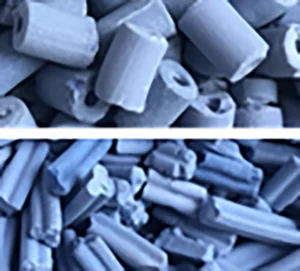
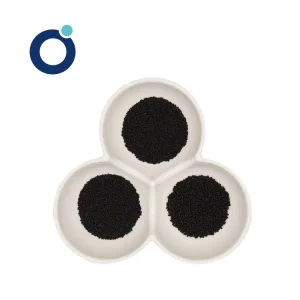
Providing high macro-porosity and tailored surface chemistry to support active metals. Essential for maximum conversion efficiency in refinery Claus sulfur recovery units and tail gas treatment systems.
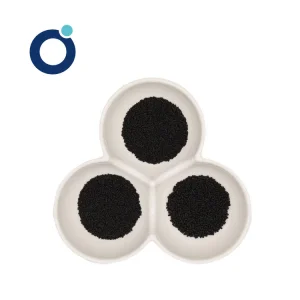
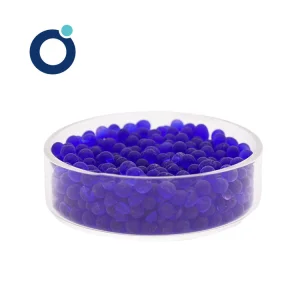
Specifically developed with high-affinity active sites for drinking water purification. Reliably removes heavy metals, fluoride, and selenium from municipal and industrial wastewater streams.
Activated alumina is a critical component across many of the world's primary process industries.
In modern industrial manufacturing, Activated Alumina serves as a foundational component across several critical sectors. In the Petrochemical and Natural Gas processing industries, the presence of water vapor, even in parts-per-million (ppm) levels, leads to hydrate formation, equipment corrosion, and catalyst poisoning. The deep dehydration of cracked gas, liquid hydrocarbons (such as ethylene and propylene), and natural gas feedstocks relies on high-performance activated alumina beds designed to handle fluctuating feed temperatures and acidic gas components.
Similarly, the worldwide expansion of Hydrogen economy infrastructures and clean energy initiatives has increased demand for highly efficient Pressure Swing Adsorption (PSA) units. In these systems, activated alumina functions as a protective guard bed, adsorbing moisture and heavier hydrocarbons before the stream reaches high-affinity molecular sieves. This dual-bed configuration extends the lifecycle of specialized zeolites, optimizing the return on capital investment for global petrochemical complexes.
Beyond gas drying, the Industrial Water Treatment sector relies heavily on activated alumina for environmental compliance. Stricter global regulations on arsenic, fluoride, and heavy metal concentrations in municipal water sources require highly selective, high-capacity adsorbents. By leveraging chemical precipitation and surface adsorption properties, JOOZEO's specialized alumina grades help water authorities meet EPA, WHO, and EU drinking water standards.
Additionally, the Air Separation Unit (ASU) market relies on activated alumina for the pre-purification of ambient air. Removing trace carbon dioxide and water prior to cryogenic distillation prevents blockages in cold box heat exchangers, ensuring safe, continuous production of high-purity oxygen, nitrogen, and argon.
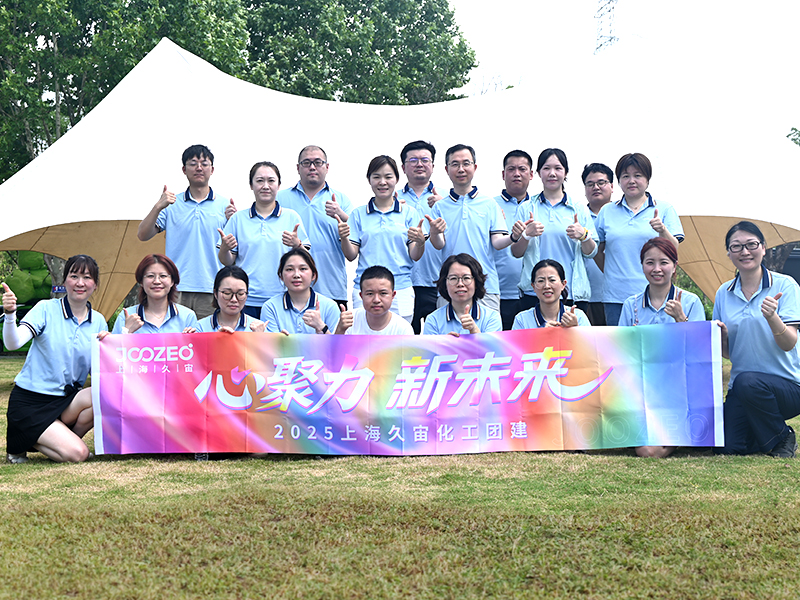
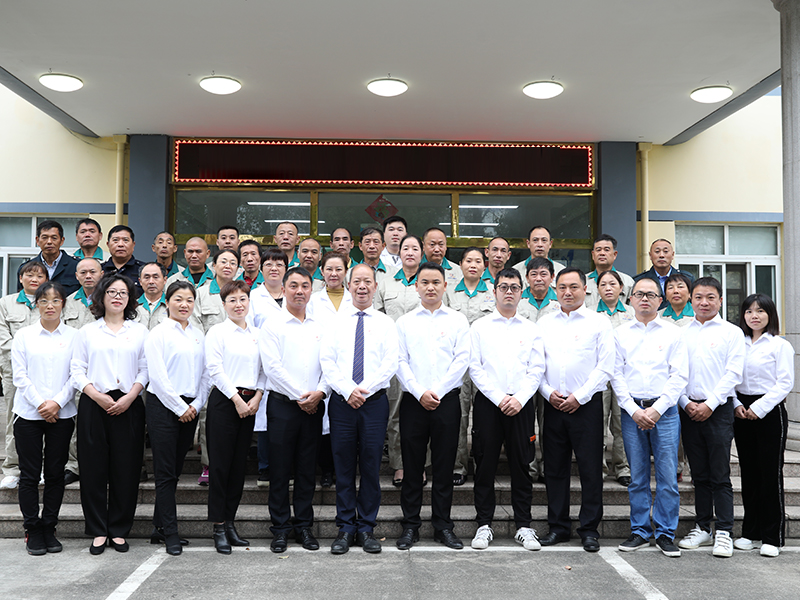
Operating out of Shanghai and Wuxi, JOOZEO integrates design, raw material procurement, and advanced calcination technology.
Shanghai Jiuzhou Chemicals Co., Ltd. is strategically based in the economic hub of Shanghai. Over the years, Jiuzhou has adhered to our core principles of "Quality Control & Innovation", committed to the research, development, and manufacturing of high-quality, innovative chemical products. Our production capabilities include molecular sieve powders, active molecular sieves, activated powder, activated alumina, aluminum oxide catalysts, various alumina packing materials, ceramic balls, sodium silicates, aluminum hydroxide, zeolite 4A, sodium carbonates, and SLES.
Our dual-factory model leverages the distinct strengths of both the Shanghai and Wuxi locations. The Shanghai Factory serves as our central hub for advanced research, quality control, international logistics management, and global customer support. Meanwhile, our Wuxi Factory houses high-throughput, automated production lines designed to manufacture bulk industrial desiccants and catalyst carriers under strict ISO 9001:2008 standards.
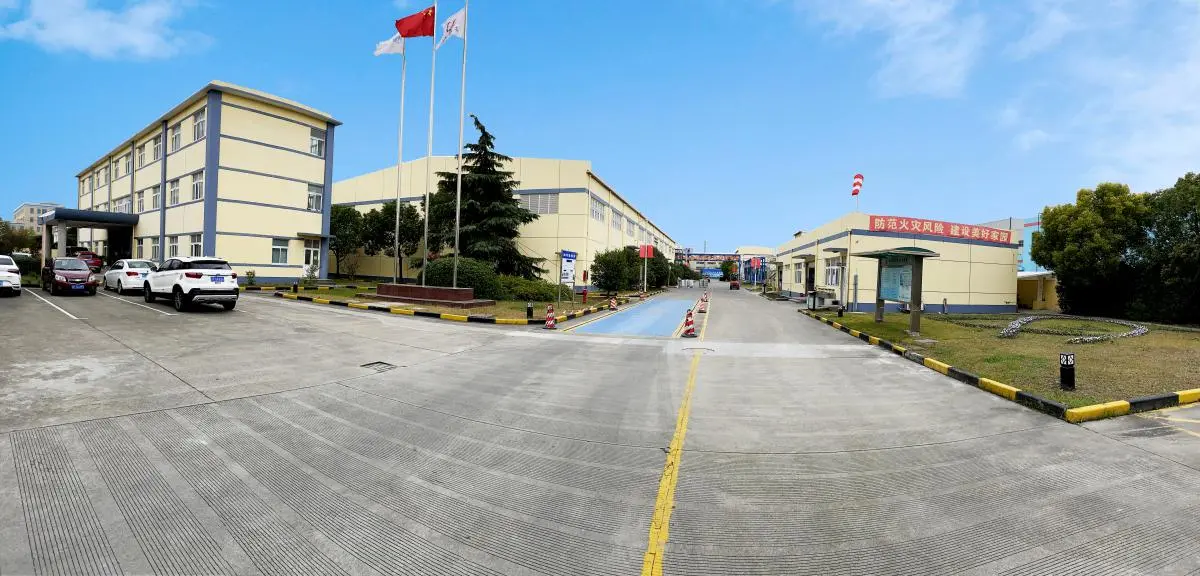
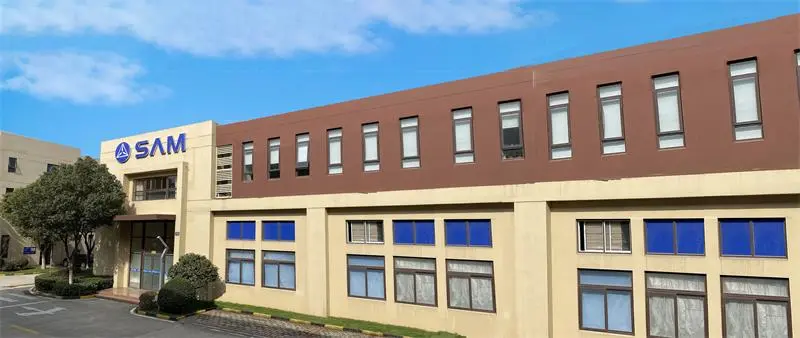
How JOOZEO products solve real-world engineering challenges across diverse geographical markets.
In the Permian Basin and Marcellus Shale regions, operators use our Duralyst and DuraChem series within tri-bed TSA systems. These guard beds remove heavy hydrocarbon fractions, preventing fouling in downstream cryogenic natural gas liquid (NGL) recovery units.
In high-ambient-temperature environments, refineries utilize our active alumina catalyst carriers in Claus reactors. The high thermal resistance of the carrier supports stable conversions of hydrogen sulfide ($\text{H}_2\text{S}$) to elemental sulfur, ensuring compliance with local environmental standards.
Communities in regions with elevated natural fluoride levels rely on our specialty alumina grades for water filtration systems. These materials maintain stable adsorption capacities under local pH and temperature fluctuations, delivering safe drinking water.
JOOZEO actively participates in defining national and international chemical standards, ensuring regulatory alignment across global markets.
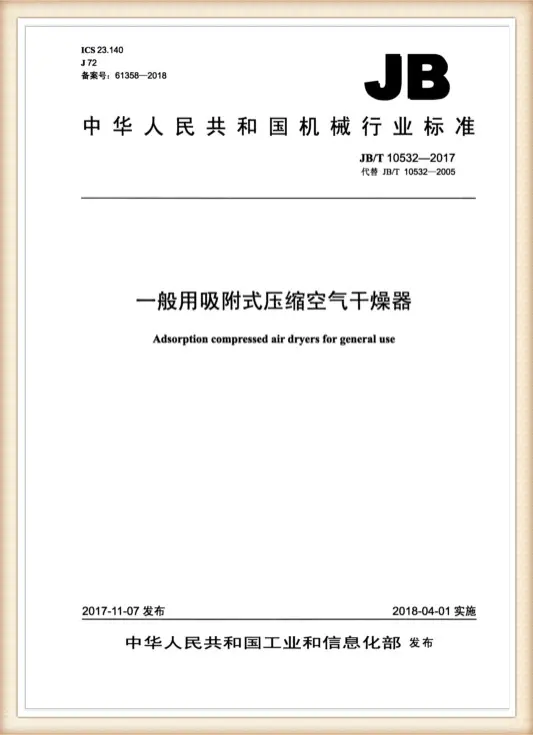
JB / T 10532-2017
Adsorption compressed air dryers for general use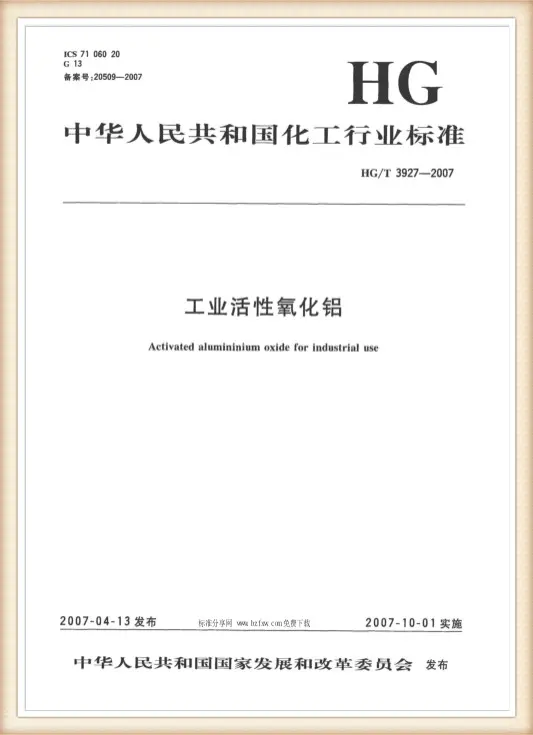
HG / T 3927-2007
Activated aluminium oxide for industrial use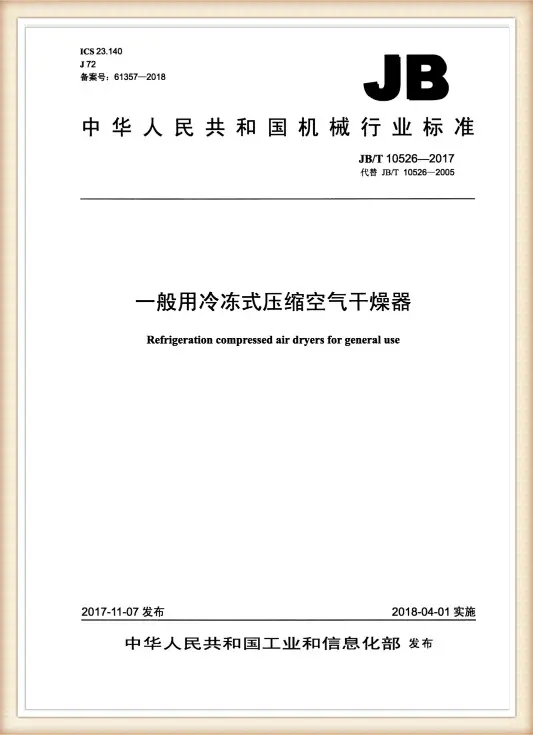
JB / T 10526-2017
Refrigeration compressed air dryers for general use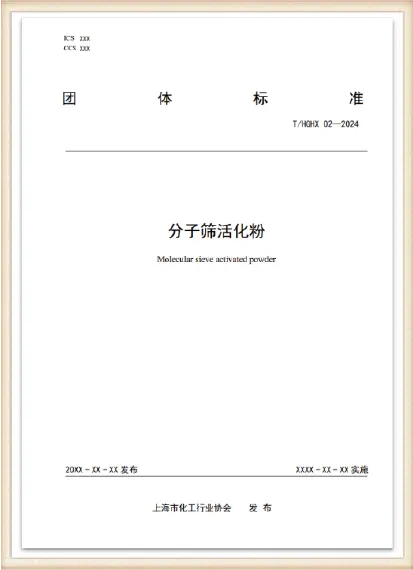
T/CGMA1201-2024
Advanced Industrial Standard Specifications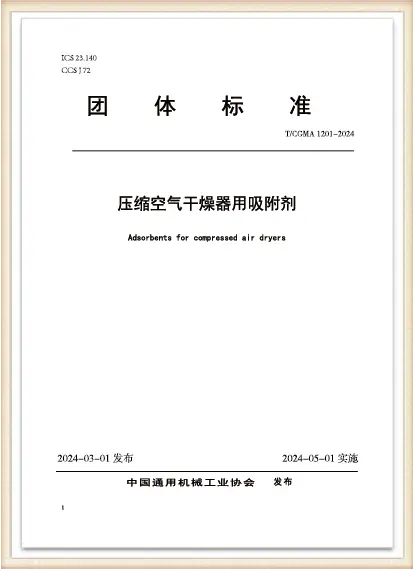
T/HGHX 02—2024
Chemical Desiccant Industrial Standard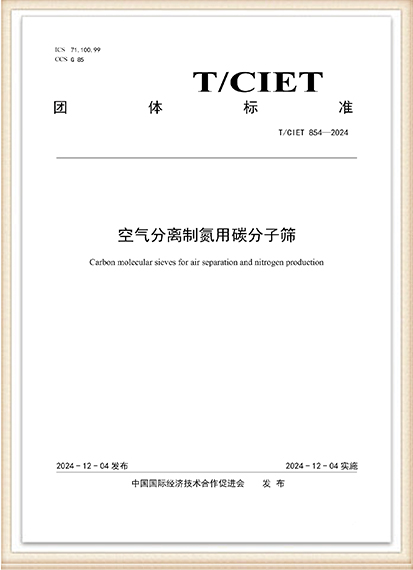
T/CIET 854-2024
Green Chemical Production & Supply CriteriaOur complete product range carries ISO 9001:2008 quality management certification, alongside TUV and SGS testing verifications. By aligning our production parameters with these standards, JOOZEO products offer dependable quality and consistency on the global market.
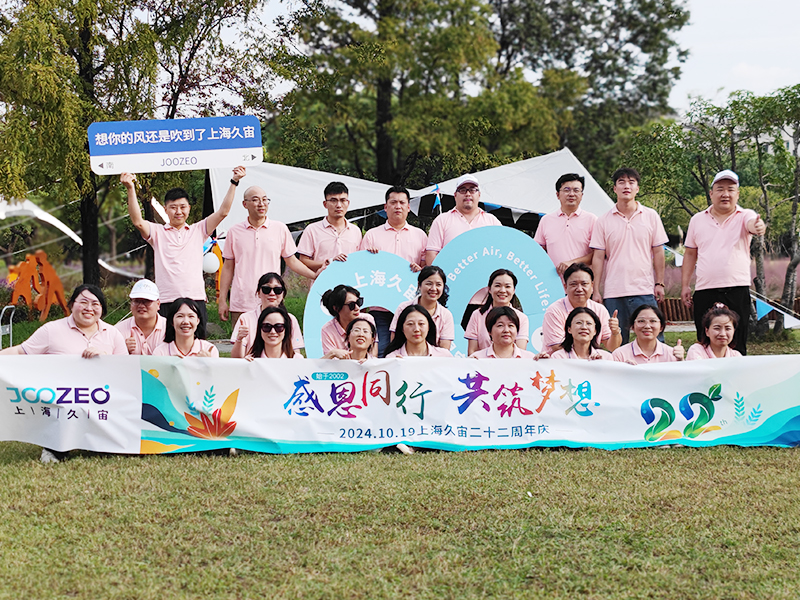
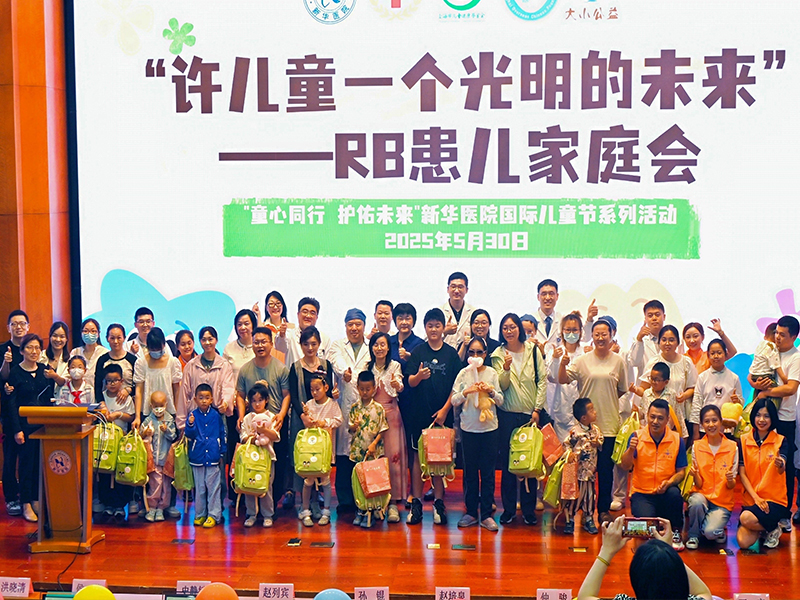
Our commitment: "Better Air, Better Life." We practice responsible chemistry by reducing energy consumption during the calcination process.
Driving the transition toward low-carbon desiccant regeneration and high-selectivity catalysis.
As industrial processes focus more on reducing their carbon footprint, the energy requirements for thermal desorption systems have become a key target for optimization. Traditional thermal swing adsorption (TSA) processes demand substantial thermal energy to heat alumina beds up to $200^\circ\text{C}-250^\circ\text{C}$ for moisture desorption. JOOZEO is addressing this with our Low-Temperature Desorption Alumina Research Initiative. By modifying surface hydroxyl groups and optimizing pore connectivity, our research team is developing alumina grades that regenerate at lower temperatures, reducing energy consumption for system operators.
We are also focusing on hybrid composite materials that combine activated alumina with synthetic zeolites. These hybrids leverage the high physical strength and liquid water resistance of activated alumina alongside the low-dew-point performance of molecular sieves in a single, co-formed matrix. This approach simplifies tower packaging design and lowers the risk of bed fluidization.
Expert answers to common engineering questions regarding the selection, application, and maintenance of activated alumina beds.
Activated alumina offers higher resistance to liquid water droplets and exhibits a higher capacity for moisture at high relative humidity levels. It is typically used for drying air and gas streams to pressure dew points between $-40^\circ\text{C}$ and $-70^\circ\text{C}$. Molecular sieves, on the other hand, have a higher affinity for moisture at very low relative humidity and are typically reserved for deep dehydration, reaching dew points below $-100^\circ\text{C}$. In many systems, a dual-bed design is used, with activated alumina as a protective bottom layer and molecular sieves on top.
The main causes of capacity loss are thermal aging and chemical fouling. Thermal aging occurs during repeated high-temperature regeneration cycles, which can cause the pore structures of transitional alumina to sinter and recrystallize into the lower-surface-area $\alpha$-alumina phase. Chemical fouling is typically caused by heavy hydrocarbons or amine carryover from upstream gas sweetening units, which block the pores and restrict access to the active adsorption sites.
For complete thermal regeneration in industrial gas dryers, the heating gas temperature should be maintained between $160^\circ\text{C}$ and $250^\circ\text{C}$. Heating the bed above $350^\circ\text{C}$ should be avoided, as this can cause structural sintering and permanent loss of adsorption capacity.
Yes. While onsite thermal regeneration cycles restore the bed's working capacity during normal operation, heavily fouled or fully exhausted beds can undergo industrial reactivation. JOOZEO offers technical guidance on thermal reactivation programs to help customers evaluate the viability of recycling spent alumina media based on contamination levels.
Browse our range of specialty silica gels, active powders, carbon molecular sieves, and custom chemical formulations.
Get in touch with our technical sales engineers for detailed product specifications, custom pricing, packaging options, and design assistance for your adsorption systems.
Send Request / RFQ