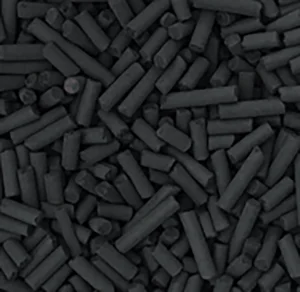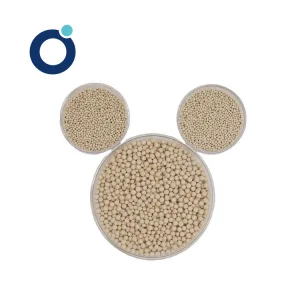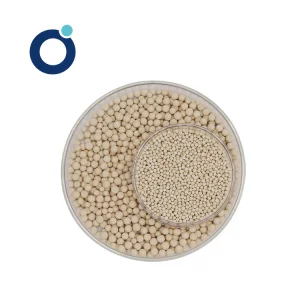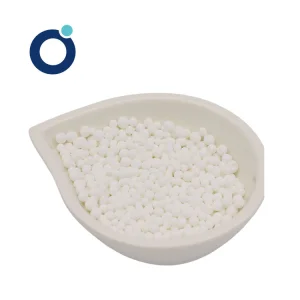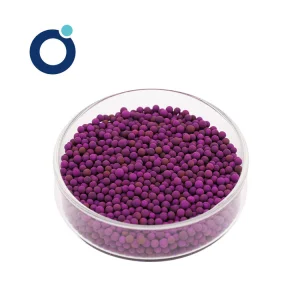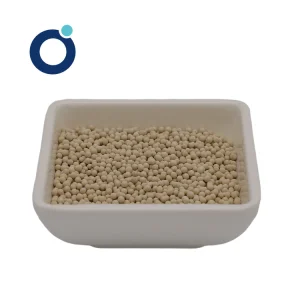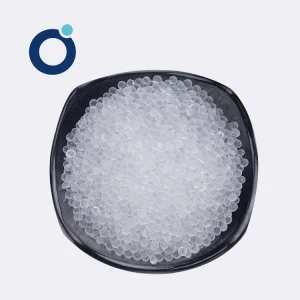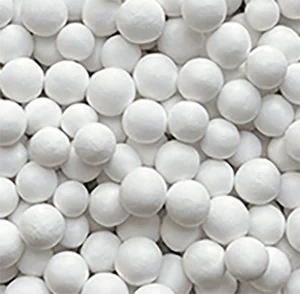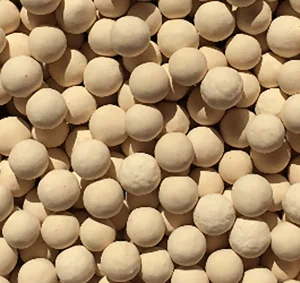
Silica gel is a porous, amorphous form of silicon dioxide (SiO2·nH2O). Characterized by its highly interconnected network of microscopic pores, silica gel presents an exceptionally large specific surface area (typically ranging from 300 to 800 m²/g). This structural layout allows it to function as a powerful physical adsorption agent, capturing water vapor, hydrocarbons, and polar compounds from gaseous or liquid environments without undergoing structural transformation.
Industrial manufacturing processes for synthetic amorphous silica involve the controlled polymerization of silicic acid, which is derived from the reaction of premium sodium silicate (water glass) with mineral acids (such as sulfuric acid). By precisely regulating pH, temperature, aging duration, and washing conditions during the gelation process, manufacturers can customize the pore size distribution. This results in standard types such as narrow-pore (Type A), medium-pore (Type B), and wide-pore (Type C) silica gels, each optimized for specific operating environments.
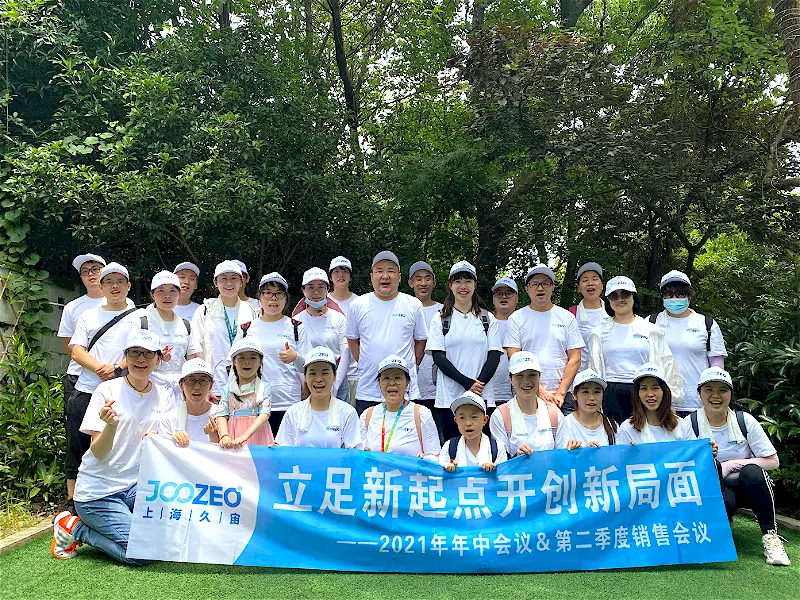
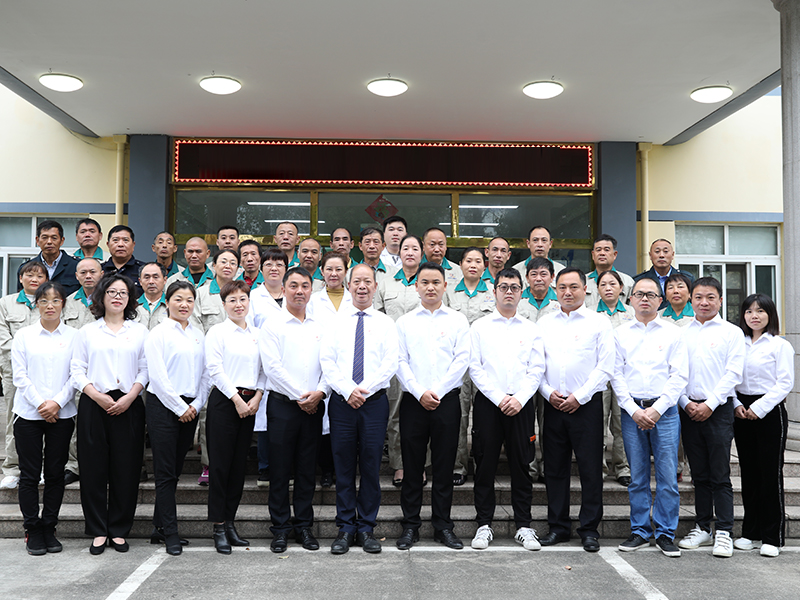
Shanghai Jiuzhou Chemicals Co., Ltd. is located in Shanghai, the largest economic development city in China. Over the years, Jiuzhou has consistently adhered to the core principles of "Quality Control & Continuous Innovation". We are fully committed to the development, research, and high-volume manufacturing of high-quality, innovative chemical adsorption products.
Our comprehensive industrial product range includes various molecular sieve powders, molecular sieves, activated powder, activated alumina, aluminum oxide catalysts, different types of alumina packing and ceramic balls, sodium silicates, aluminum hydroxide, zeolite 4A, sodium carbonates, SLES, and premium silica gel variants. All our systems and production pipelines are strictly certified under the ISO9001: 2008 quality management system, as well as obtaining verification from internationally recognized testing authorities like TUV and SGS.
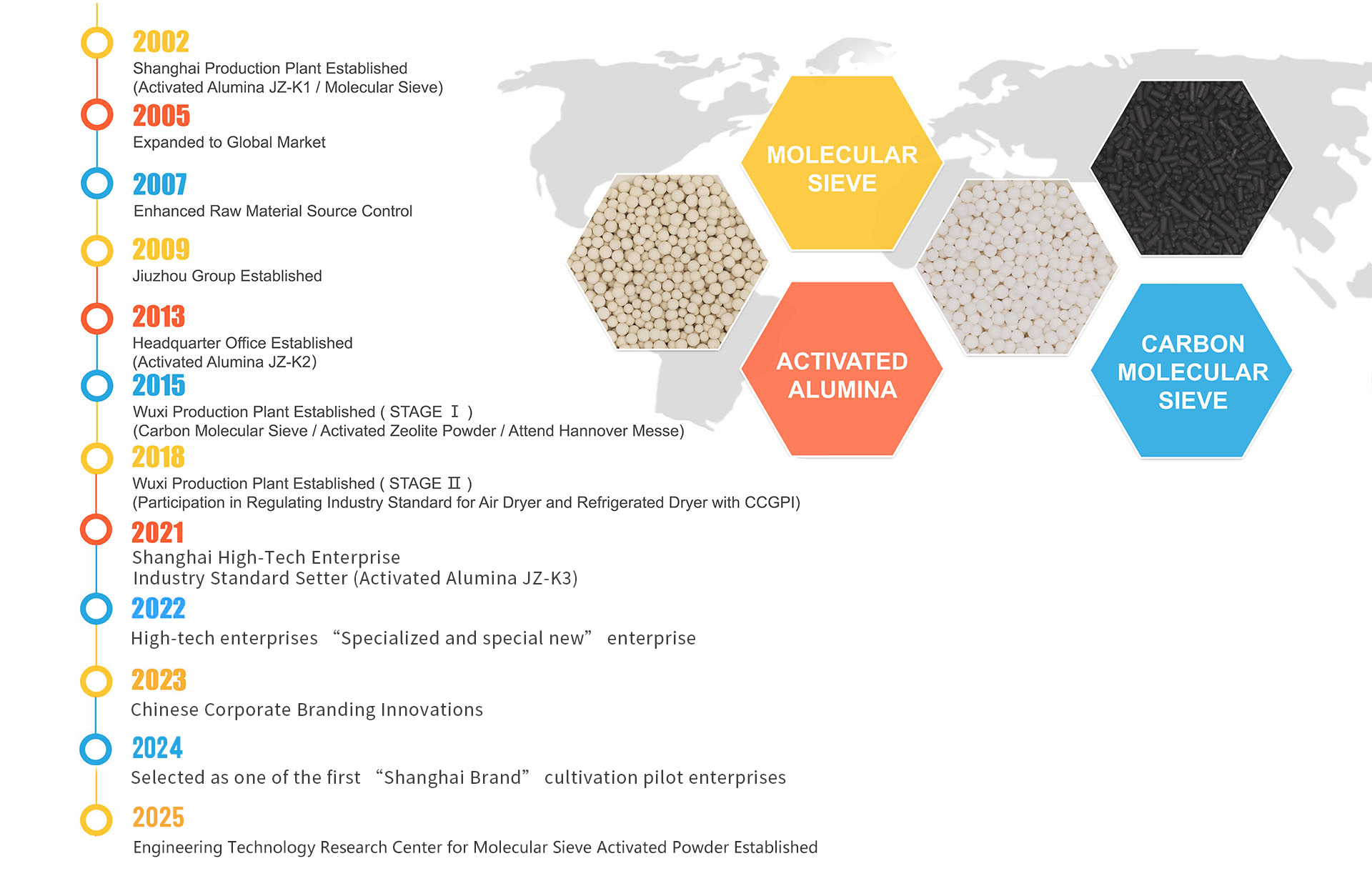
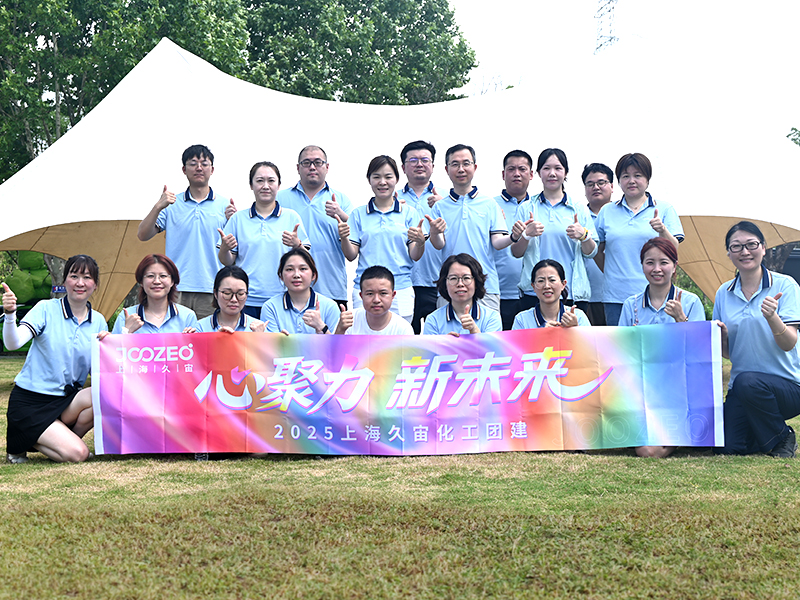
Our technical strength and solid reputation make us a leading name in the chemical adsorption industry. We maintain dedicated research teams and work alongside chemical resources experts to implement international production technologies. Our infrastructure includes automated multi-functional production workshops, a central analytical laboratory, and a dynamic adsorption laboratory equipped with high-precision monitoring and analysis instruments.
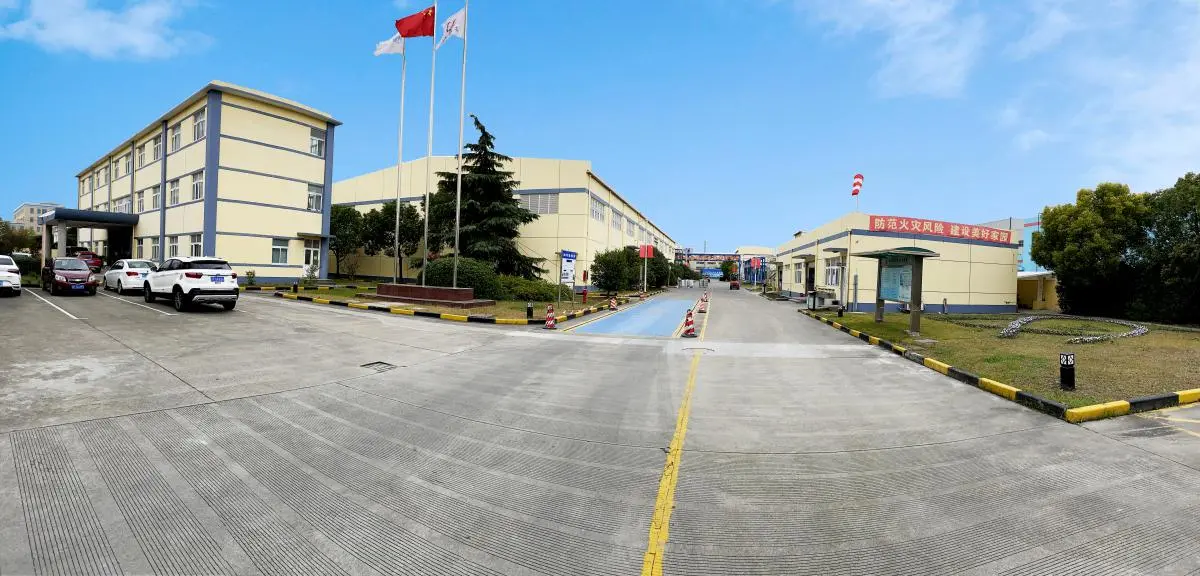
Serving as our flagship development and strategic logistics hub, this facility leverages Shanghai's global shipping port connections to streamline international supply lines.

This high-volume production facility is equipped with automated chemical reactors, washing lines, and dynamic drying systems to support bulk contract manufacturing.
"Better air, Better life"
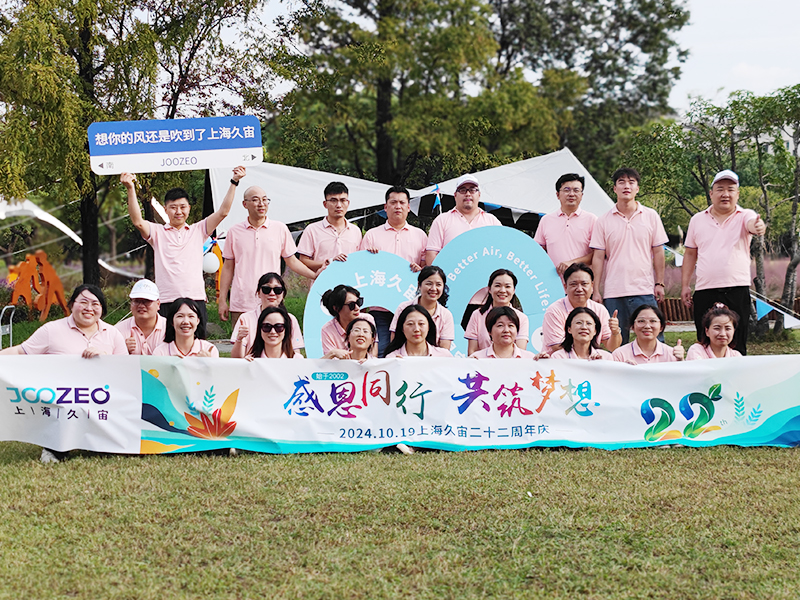
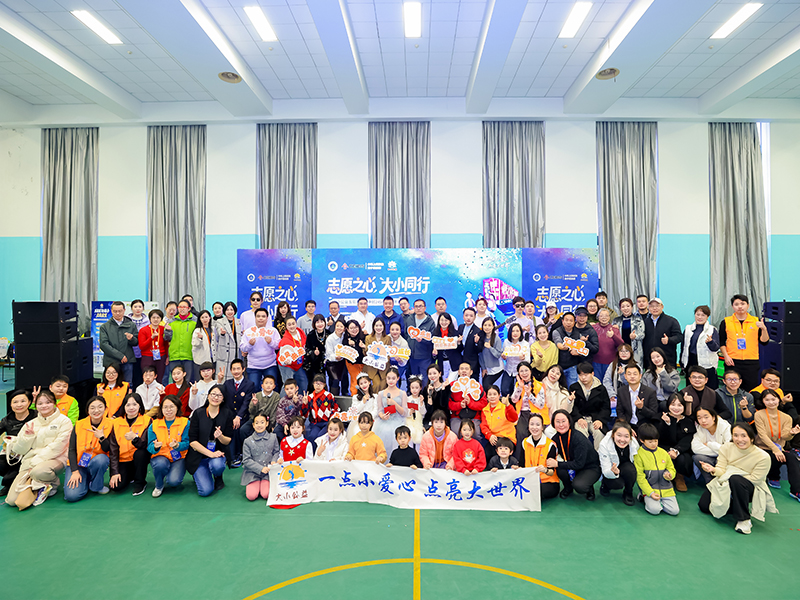
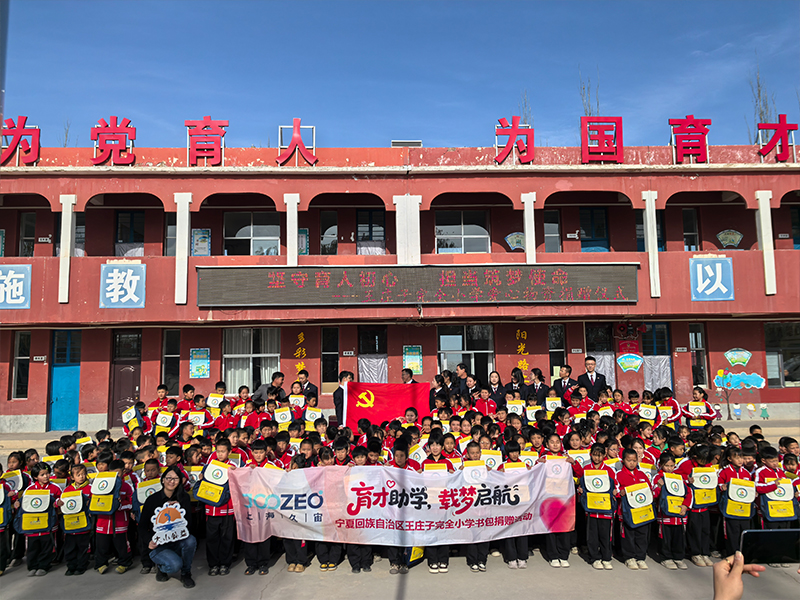
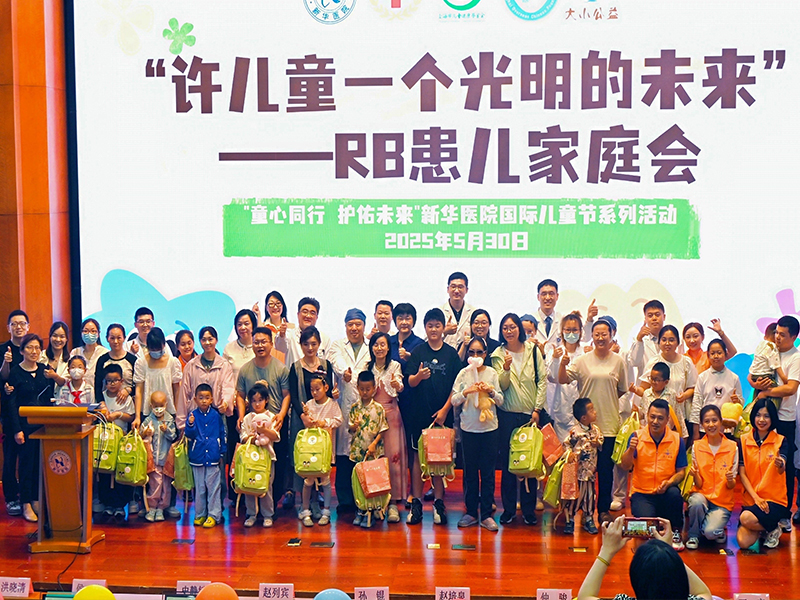
We focus on green manufacturing, carbon-neutral drying systems, and reducing emissions in our communities.
As a major technical entity in the industrial desiccant and chemical engineering sectors, Shanghai Jiuzhou Chemicals is actively involved in drafting and maintaining national and industry standards in China:
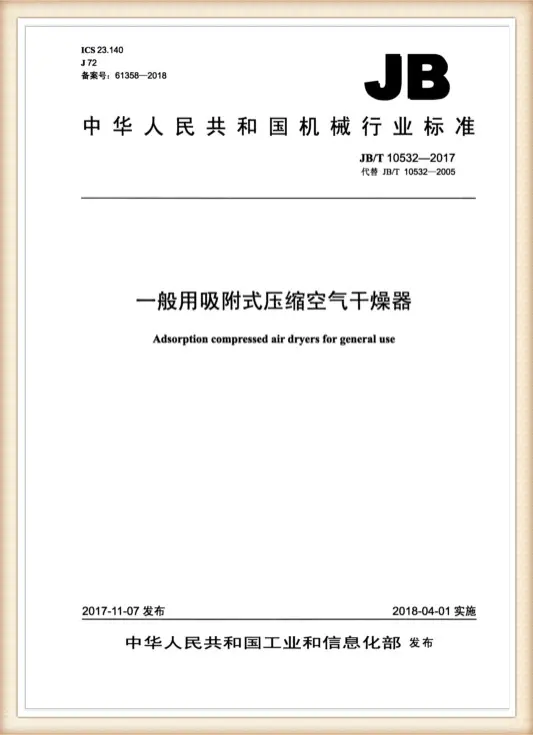
JB / T 10532-2017
Adsorption compressed air dryers for general use
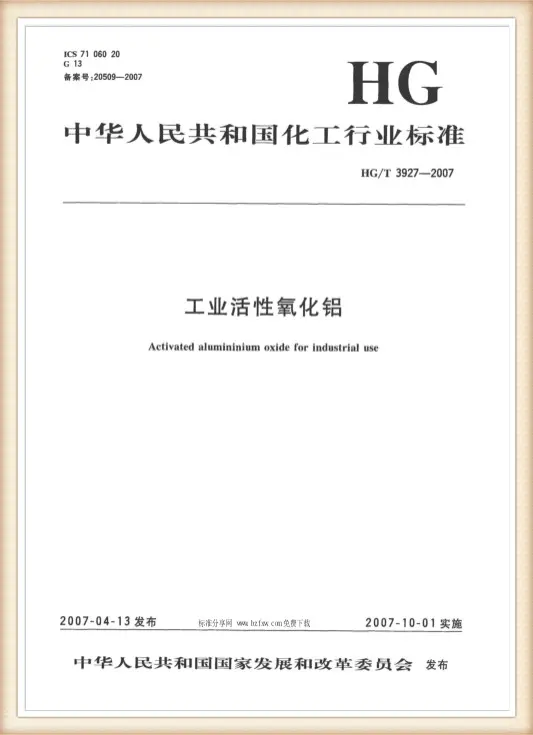
HG / T 3927-2007
Activated aluminum oxide for industrial use
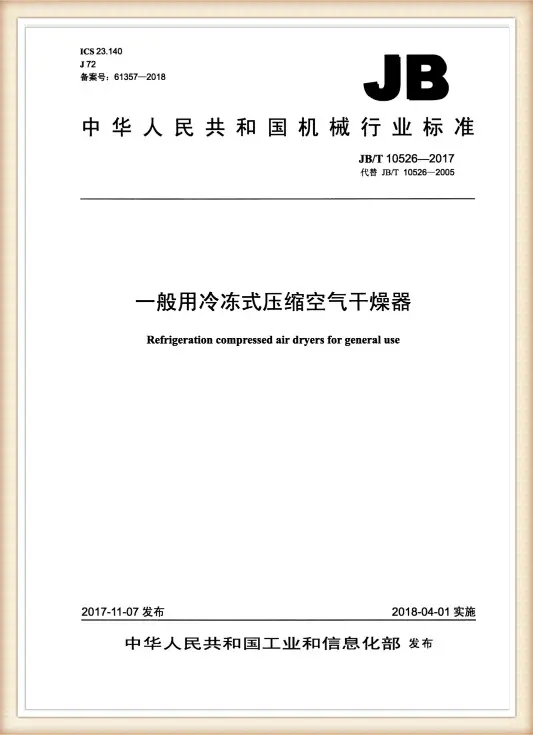
JB / T 10526-2017
Refrigeration compressed air dryers for general use
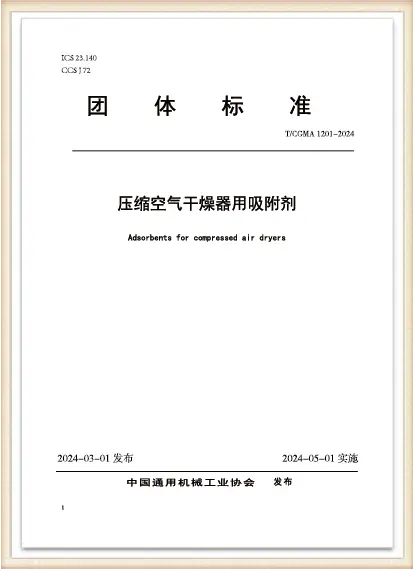
T/CGMA1201-2024
Technical specifications and performance standards
T/HGHX 02—2024
Industrial chemical testing guidelines
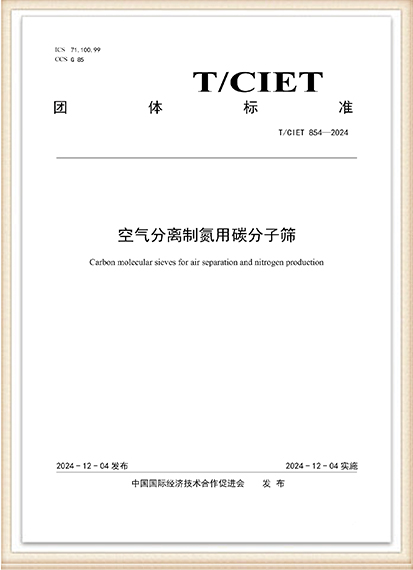
T/CIET 854-2024
Green development and carbon neutrality benchmarks
Procuring silica gel products globally requires a stable, high-capacity partner. Operating in China's industrial zones offers distinct strategic benefits:
Our facilities secure direct pipelines to high-grade sodium silicate and mineral acids. This consistent access allows us to avoid price fluctuations and raw material shortages that can impact other global production hubs.
Our factories use closed-loop polymerization reactors, continuous washing lines, and dynamic rotary calcination kilns. This high level of automation reduces batch-to-batch variation, ensuring consistent pore volumes and crushing strength.
Our Shanghai location offers direct access to major maritime container terminals. This proximity allows us to load, clear customs, and ship global orders quickly, minimizing transport lead times.
Modern procurement and technical compliance managers look for partners who can meet rigorous performance and regulatory standards:
Our products meet international chemical safety regulations, including EU REACH, RoHS, and relevant FDA regulations for direct food and pharmaceutical contact. We also offer cobalt-free, heavy metal-free indicator gels to support environmental compliance.
Every batch undergoes testing in our central laboratory. We measure key performance metrics including particle size distribution, equilibrium water vapor uptake, attrition rate, bulk density, and residual moisture content (loss on drying).
Our products are designed to perform reliably across a wide range of industrial applications:
Our water-resistant silica gel (JZ-WSG) serves as a robust buffer layer in desiccant air dryers, protecting downstream adsorbent beds from liquid water droplets and preventing structural degradation.
Used as catalyst carriers and support media, our custom pore gels provide the thermal stability and chemical purity required for complex organic synthesis reactions.
For sensitive components, we manufacture dust-free, low-dust silica gel packets that prevent moisture damage, corrosion, and oxidation during ocean transit and long-term storage.
The industrial desiccant sector is shifting toward sustainable, high-efficiency solutions. We are focusing our research and development on several key areas:
Standard silica gel can shatter or degrade when it comes into direct contact with liquid water during adsorption, due to rapid temperature changes and internal stress. Water-resistant silica gel is chemically modified during synthesis to improve its structure. This allows it to absorb liquid water without cracking, making it ideal as a protective first layer in desiccant beds.
For typical non-indicating silica gels, regeneration is achieved by heating the material to between 120°C and 180°C. If you are using color-indicating gel (such as blue-to-pink or orange-to-green), we recommend keeping regeneration temperatures below 120°C to prevent degradation of the indicator compounds.
We perform regular raw material screenings and verify our final products through third-party laboratories like SGS and TUV. Our silica gels are free from SVHC (Substances of Very High Concern) and comply with chemical safety requirements for the European and North American markets.
Yes. By adjusting parameters such as gelation pH, aging duration, temperature, and acid wash profiles during our chemical synthesis process, we can target specific pore diameters and surface areas to meet custom customer specifications.
The choice depends on your target dew point and moisture levels. Silica gel offers a high total water adsorption capacity at high relative humidity. For applications requiring very low dew points (down to -70°C) or trace moisture removal, molecular sieves are typically the preferred choice.