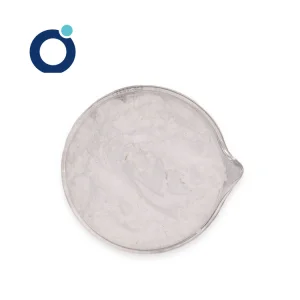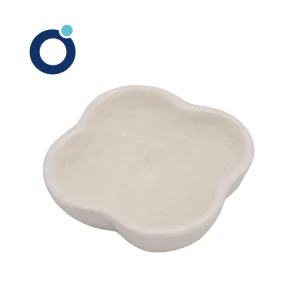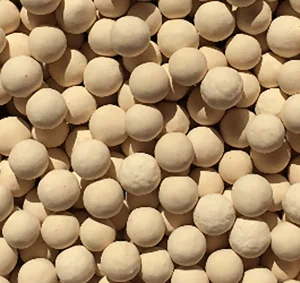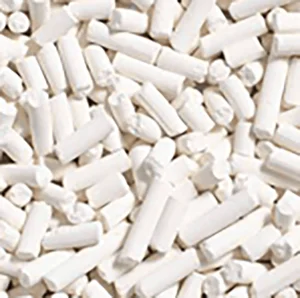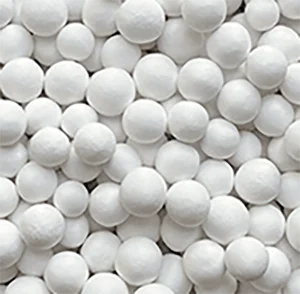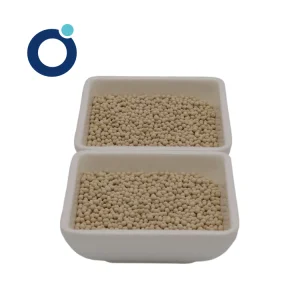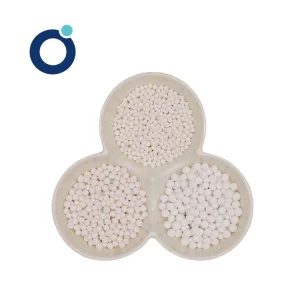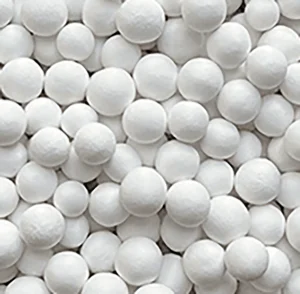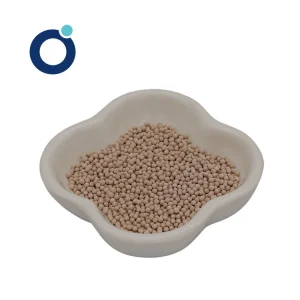
Engineered with precise pore architectures, thermal stability, and exceptional mechanical strength for demanding process dynamics.
In the modern process industries, catalyst carriers (or catalyst supports) act as the physical framework on which active catalytic components are deposited. By dispersing critical catalytic elements across highly porous structural networks, catalyst carriers minimize raw active ingredient cost, improve physical durability, and regulate reaction kinematics. Today, the global market demands catalyst carriers that exhibit highly specialized configurations, ranging from mesoporous gamma alumina (γ-Al₂O₃) to tailored silica-alumina, zeolites, and inert ceramic matrices.
Due to the transition toward more rigorous environmental mandates, the adoption of catalytic support systems is expanding beyond traditional petroleum refining. Sectors like emission purification (such as Selective Catalytic Reduction - SCR), green hydrogen storage, biomass-to-energy conversion, and high-efficiency petrochemical synthesis now dictate precise physical properties. Carriers must deliver exceptional hydrothermal stability, customizable acid-base dynamics, and specific crush resistances to survive extreme operating conditions.
As manufacturing hubs shift to advanced chemical clusters in China, suppliers must combine scalable production with rigorous R&D capacities. Shanghai Jiuzhou Chemicals stands at the forefront of this movement, supplying specialized carriers that feature optimized pore size distribution (PSD) and macro-mesopore balance, helping system integrators realize peak catalytic performance.
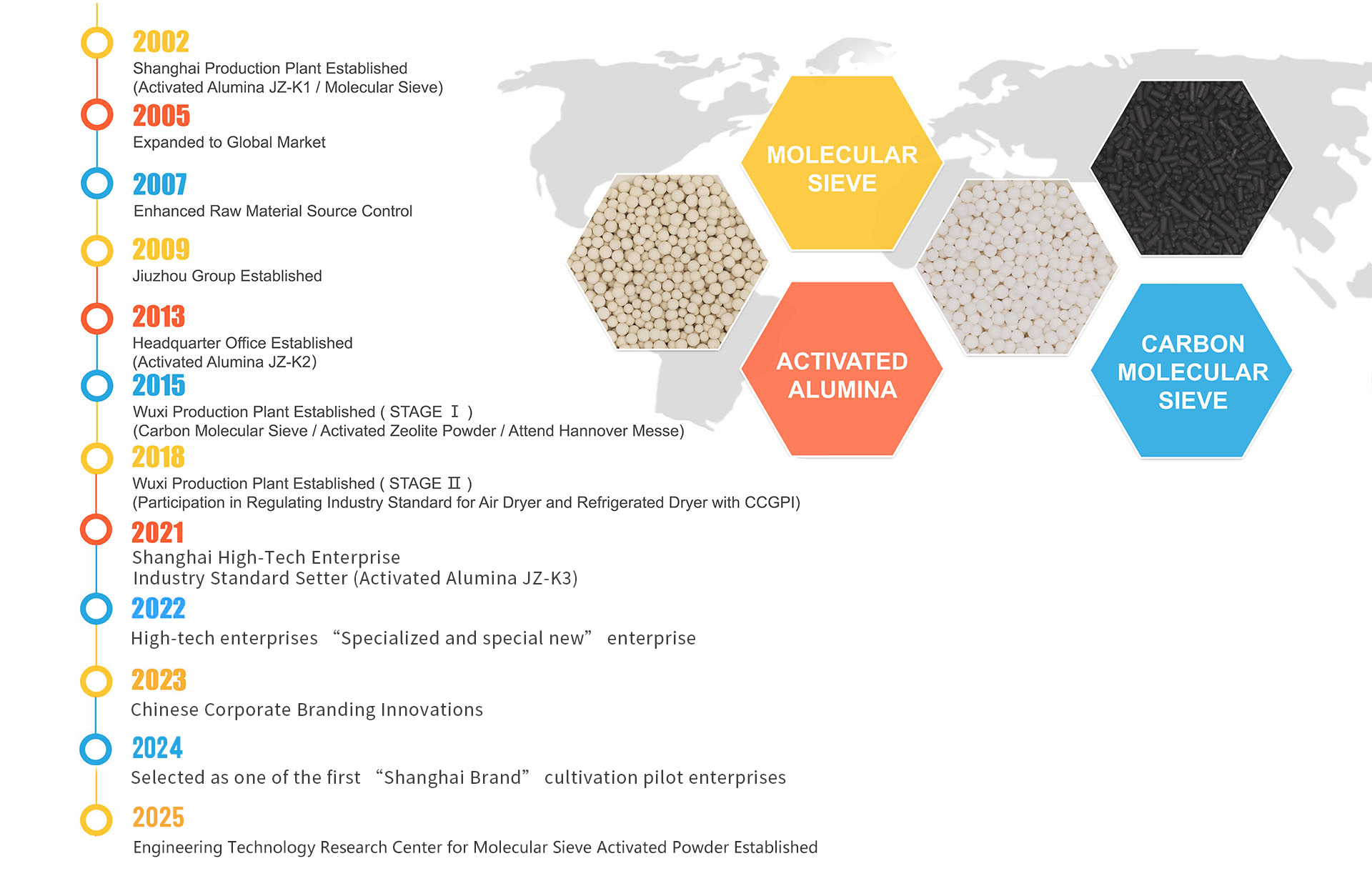
A trusted global manufacturer of molecular sieves, activated alumina, and catalyst support materials.
Located in the key economic and trade center of Shanghai, Shanghai Jiuzhou Chemicals Co., Ltd. has always adhered to the core principles of "Quality Control, Innovation." We are dedicated to the research, development, and manufacturing of premium, high-efficiency chemical adsorbents and catalyst carriers. Our production lines supply a diverse portfolio, including various molecular sieve powders, molecular sieves, activated powder, activated alumina, aluminum oxide catalysts, various types of alumina packing and ceramic balls, sodium silicates, aluminum hydroxide, zeolite 4A, sodium carbonates, and SLES.
Jiuzhou is certified under ISO9001:2008 standards alongside TUV and SGS certifications. Our quality inspection framework leverages state-of-the-art analytical instrumentation to ensure batch consistency and physical uniformity across our entire catalyst carrier and adsorbent lines.
Our professional research teams continuously develop new adsorbent solutions and optimize pore distributions. Leveraging both dynamic and analytical testing laboratories, we create customized solutions designed to lower energy consumption and enhance system operating lifespans.
Strategically situated facilities built to secure capacity, optimize logistics, and guarantee delivery timelines.
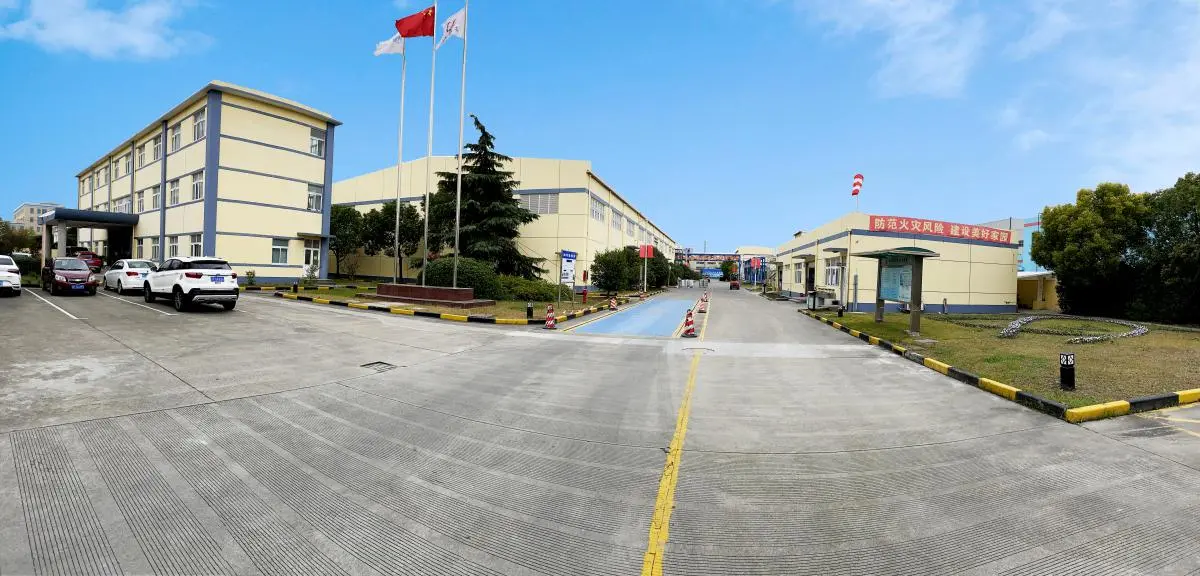
Focuses on high-purity catalyst carrier forming, molecular sieve development, and central testing operations.
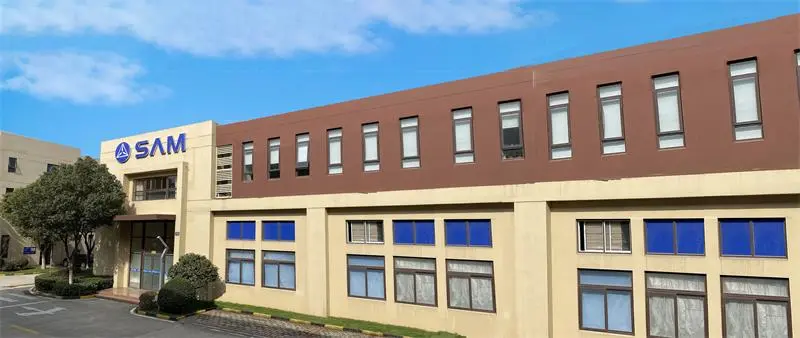
Handles volume production of activated alumina, ceramic packing materials, and environmental desiccants.
A deep dive into pore size design, phase purity, and surface chemistry configuration.
The effectiveness of a catalyst carrier is governed by its surface area (BET method) and pore volume. We synthesize support structures with micro-pore, meso-pore, or macro-pore distributions tailored to control molecular diffusion resistance. By adjusting temperature and calcination durations, we control the pore structure to prevent premature pore plugging under soot-prone environments.
Alumina phase transformations (e.g., transition from gamma-alumina to theta-alumina, and eventually to alpha-alumina at higher temperatures) determine the number and strength of acidic surface sites. Selecting the right phase is critical because acidic surface sites catalyze parallel reactions. We neutralize or activate these sites with trace alkaline Earth metals or silica doping to ensure selectivity.
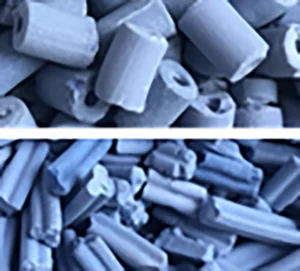
Carriers must withstand considerable physical stress inside high-pressure reactors. Our extrusion and sphere forming technologies are engineered to deliver high bulk crush strength. This reduces attritional dust formation that causes reactor pressure drops, extending overall operating runs and protecting downstream gas compressors.
We customize the physical properties of our catalyst support media to match the target process kinetics of different industrial setups:
| Carrier Substrate | Primary Phase | Surface Area Range | Pore Volume Range | Typical Application Fields |
|---|---|---|---|---|
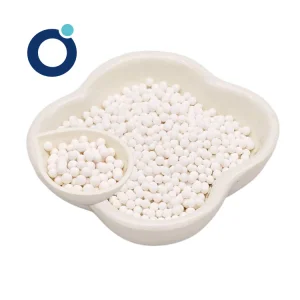
| Activated Alumina (JZ-K) | Gamma (γ) | 220 - 320 m²/g | 0.35 - 0.50 mL/g | Claus Sulfur Recovery, Petrochemical Hydrotreating, Dehydration |
| Duralyst Series (TH / Ti) | Theta-Delta (θ-δ) | 90 - 150 m²/g | 0.40 - 0.70 mL/g | High-Temperature Hydrogenation, Selective Dehydrogenation |
| Silica Gel (JZ-PSG) | Amorphous Silica | 300 - 650 m²/g | 0.75 - 1.10 mL/g | Olefin Polymerization (Ziegler-Natta, Metallocene), Selective Adsorption |
| Structured Molecular Sieves | Crystalline Zeolite | 400 - 800 m²/g | 0.25 - 0.40 mL/g | Isomerization, Fluid Catalytic Cracking (FCC), NOx abatement |
Enabling process stability and higher yields across chemical facilities worldwide.
In global petrochemical complexes, crude oil fractions require hydrodesulfurization (HDS) and hydrodenitrogenation (HDN) to produce low-sulfur fuels. Our customized alumina catalyst carriers are engineered with a balanced pore size distribution. This distribution allows active metals (such as Cobalt-Molybdenum or Nickel-Molybdenum) to deposit uniformly across internal surfaces, maximizing catalytic activity while preventing fouling by asphalt and heavy metals.
Moisture management is critical to protecting downstream cryogenic separation processes from freezing or scaling. Jiuzhou’s specialized activated alumina and molecular sieve combinations deliver low dewpoints (down to -70°C). By tailoring the pore diameters of the molecular sieves to selectively capture water molecules while letting bulk gas molecules pass through, we help operators optimize cycle runtimes.
Meeting air pollution regulations requires robust catalytic systems capable of destroying volatile organic compounds (VOCs) and reducing NOx emissions under harsh flue gas environments. Our carriers provide the thermal stability needed to prevent support sintering at elevated temperatures. This thermal durability keeps the catalytic metals dispersed and active over long operating lifetimes.
Polyethylene and polypropylene manufacturing rely on catalytic carriers that exhibit precise mechanical characteristics. The particle size distribution and pore shape of the carrier directly influence the morphology and bulk density of the finished polymer. Our silica gel and specialty alumina supports are formulated to ensure controlled fragmentation during polymerization, which helps prevent fine dust formation inside reactors.
Better air, Better life — Fostering sustainable manufacturing practices and environmental stewardship.
At Shanghai Jiuzhou, our corporate mission extends beyond performance materials. We design efficient adsorption and catalyst support technologies that help global industries reduce their carbon footprint, manage emissions, and run clean energy operations.
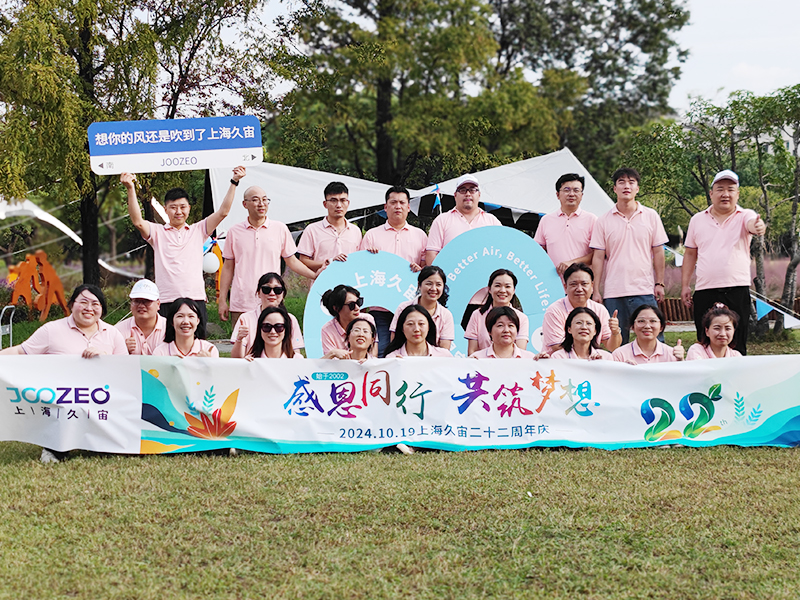
Environmental Stewardship
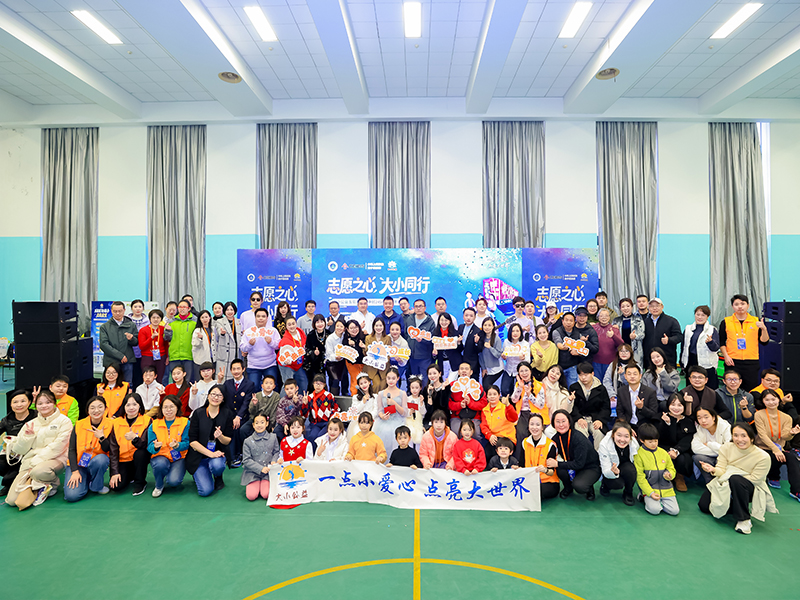
Green Manufacturing
Eco-Friendly Solutions
Global Carbon Reduction
Safe Industrial Operations
Community & Resource Care
Active participation in establishing industry-wide benchmarks and quality protocols for adsorbents and compressed air dryer systems.
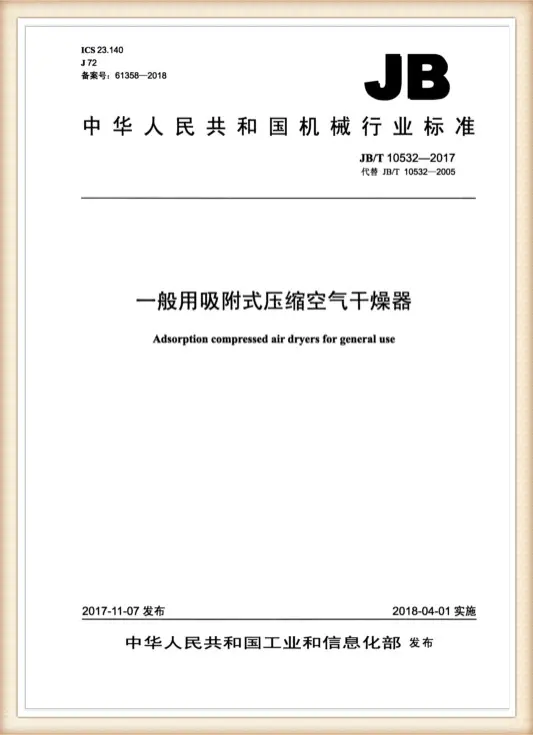
JB / T 10532-2017
Adsorption compressed air dryers for general use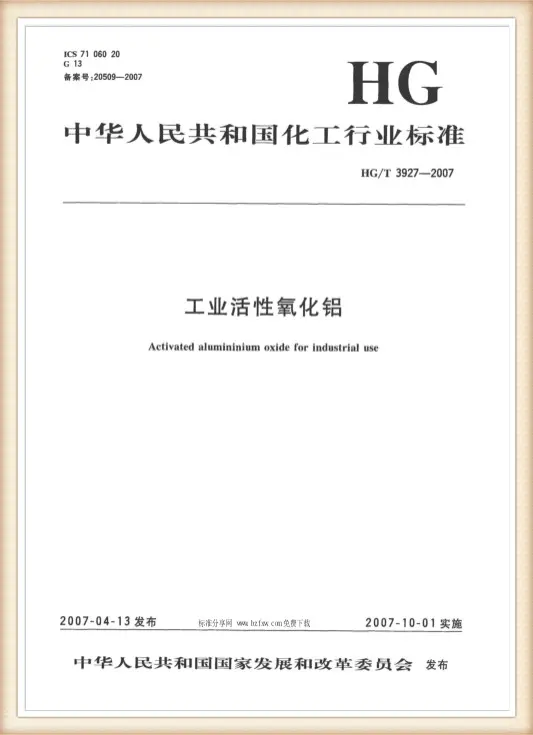
HG / T 3927-2007
Activated aluminium oxide for industrial use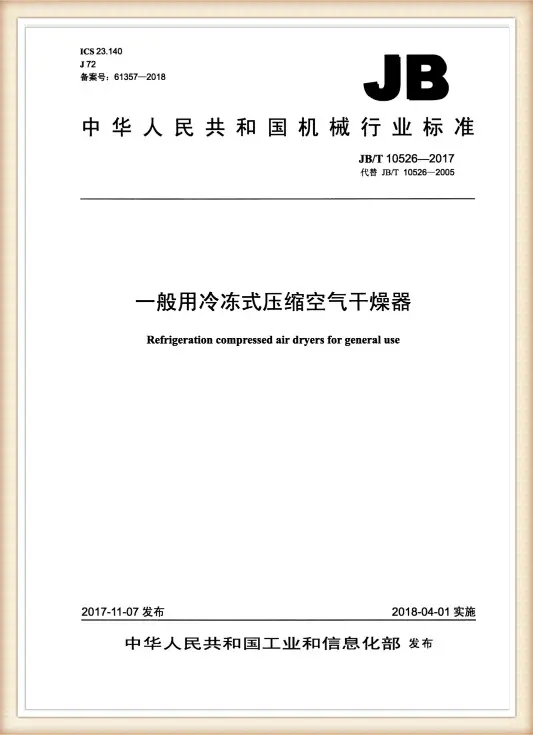
JB / T 10526-2017
Refrigeration compressed air dryers for general use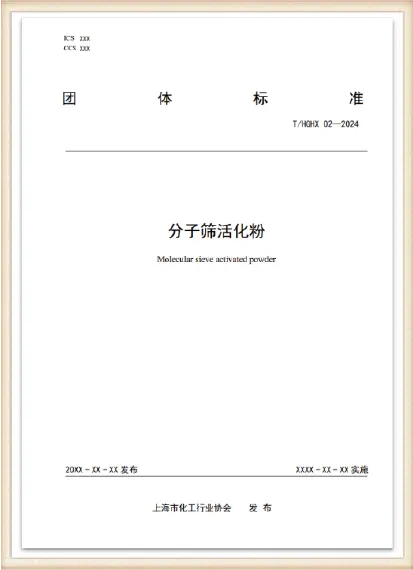
T/CGMA1201-2024
National manufacturing standard implementation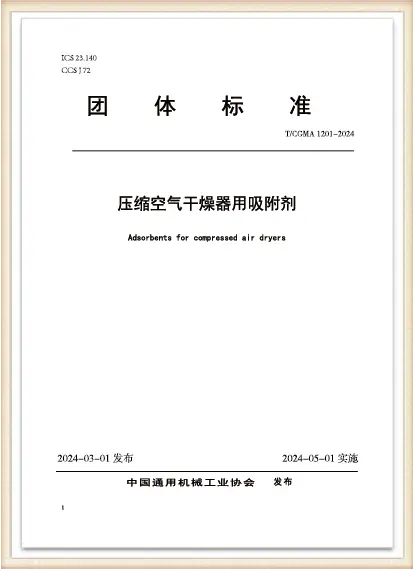
T/HGHX 02—2024
Quality benchmarks for chemical materials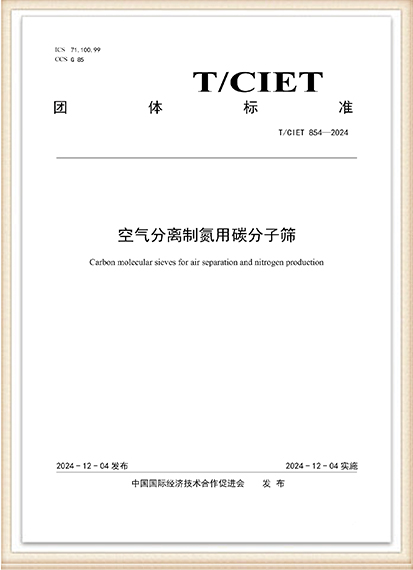
T/CIET 854-2024
Green industrial processing and environmentAddressing the common questions raised by chemical engineers, reactor designers, and procurement managers.
A catalyst carrier provides a highly stable physical substrate with a large surface area to disperse the active catalyst phases. This dispersity minimizes the required volume of active elements (such as precious metals like Pt, Pd, or active metal oxides like Mo, Co, or W). Additionally, it provides the necessary mechanical strength, thermal stability, and pressure drop management needed inside industrial reactors.
Pore size distribution determines internal molecular diffusion rates. Micropores provide high surface area but can limit diffusion for larger reactant molecules. Mesopores and macropores act as transport pathways, allowing reactants to access the active catalytic sites efficiently. Optimizing the balance between these pore sizes prevents internal fouling and improves overall product selectivity.
Alumina phase dynamics dictate thermal stability and surface acidity. Gamma-alumina (γ) offers high surface area but is prone to sintering at temperatures above 800°C, transforming into theta (θ) and eventually alpha (α) phases. Alpha alumina is highly stable at high temperatures but has low surface area. For high-temperature processes, we stabilize the alumina structure using additives like Silica, Titania, or Zirconia.
Key parameters include flat-plate crush strength and bulk crush strength. A carrier must resist crushing under the weight of the catalyst bed, pressure fluctuations, and thermal expansion cycles. High mechanical strength prevents physical degradation and dust formation, which can cause flow channeling and increase reactor pressure drops.
Residual sodium oxide (Na₂O) acts as a strong alkaline impurity that can neutralize desired acid sites on the alumina surface, reducing its catalytic activity. It also lowers the sintering temperature of the carrier, accelerating thermal aging. We maintain ultra-low sodium specifications for systems that require high acid-site selectivity.
Regeneration typically involves controlled thermal burning to remove accumulated carbon deposits (coking). This process must be carefully monitored to prevent temperature spikes that could cause hydrothermal sintering or phase changes. Our carriers are engineered with excellent thermal stability to withstand multiple regeneration cycles.
We implement online process controls from raw material preparation to final calcination. Every production run undergoes automated grain sizing, crush testing, BET surface area measurements, and chemical assays. Retention samples from all batches are cataloged for traceability and quality verification.
High-efficiency crystalline frameworks and premium desiccant solutions engineered for critical separation processes.