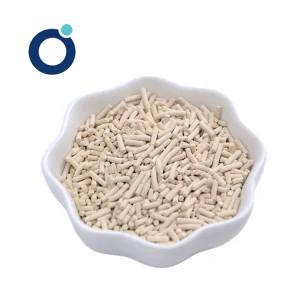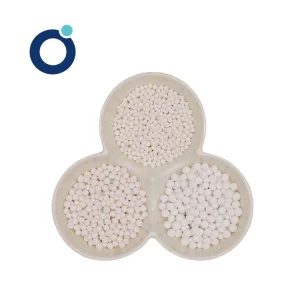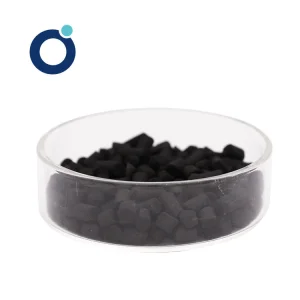
The global imperative for carbon capture and decarbonization has propelled molecular sieves to the forefront of adsorption technology. Molecular sieves, particularly crystalline aluminosilicates (zeolites) and carbon molecular sieves, are critical in removing Carbon Dioxide (CO2) from natural gas streams, biogas, landfill gas, and hydrogen synthesis feedstocks. Due to their highly ordered framework structures, controlled pore dimensions, and tailorable electrostatic environments, these adsorbents leverage molecular size, shape, and polarity to isolate CO2 selectively.
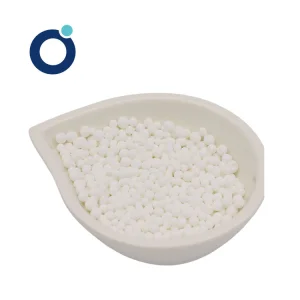
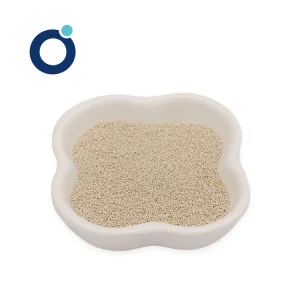
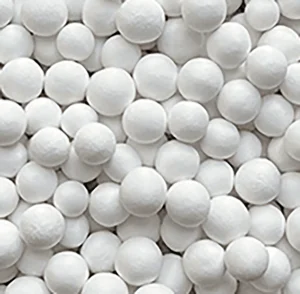
Typically, Zeolite 13X (with a pore size of approximately 10 Å) and specialized formulations of 4A and 5A molecular sieves are utilized for industrial carbon dioxide capture. CO2 possesses a high quadrupole moment compared to nitrogen, methane, and hydrogen. This structural asymmetry creates strong electrostatic interactions with the exchangeable cations present inside the aluminosilicate matrix of the zeolites, achieving high selectivity. In applications like cryogenic air separation units (ASUs), trace levels of CO2 must be completely eliminated to prevent blockages within the heat exchangers.
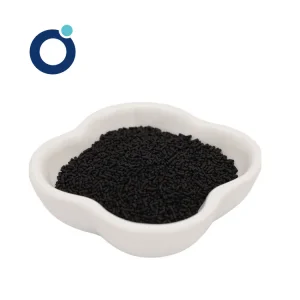
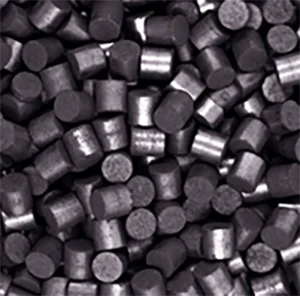
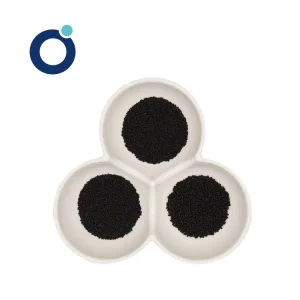
Additionally, Carbon Molecular Sieves (CMS) exploit kinetic separation properties. Due to the ultra-precise tailoring of their narrow microporous networks, CMS can separate gas components dynamically, enabling high-purity nitrogen production, methane upgrading, and low-temperature carbon extraction.
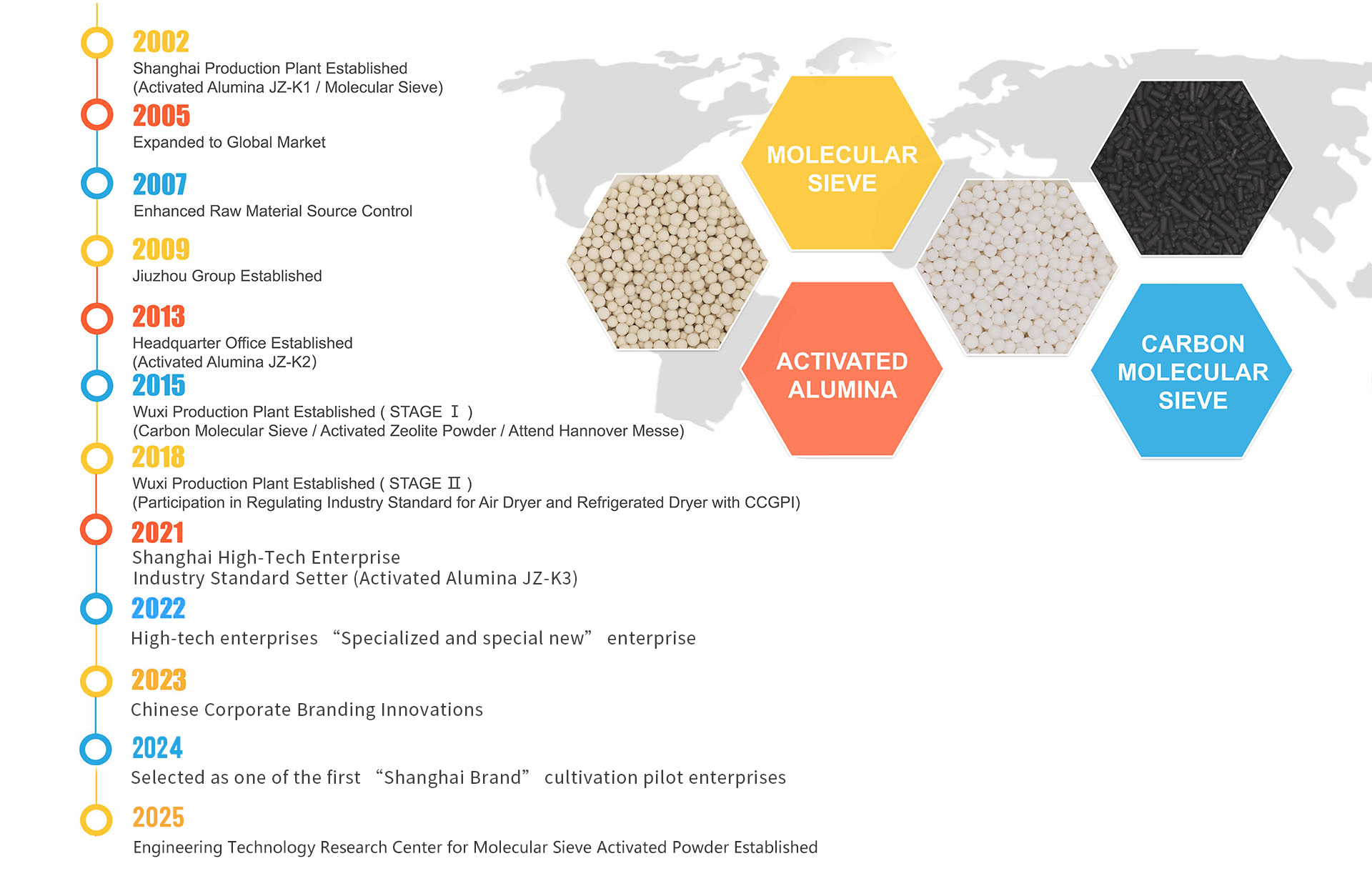
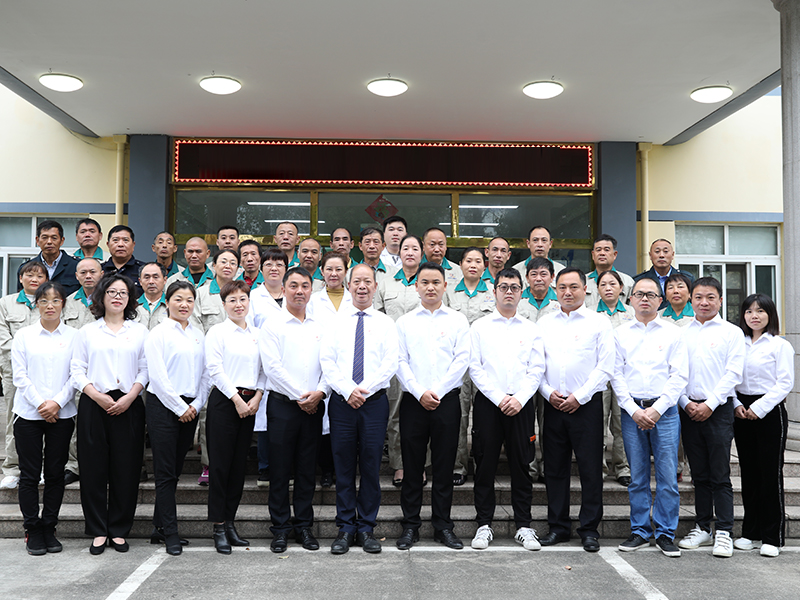
Located in China's financial hub, Shanghai Jiuzhou Chemicals Co., Ltd. has established itself as an international standard-setter and premier developer of structural chemical adsorbents, serving mission-critical applications globally.
Shanghai Jiuzhou Chemicals Co., Ltd. is committed to the development, research, and manufacturing of high-quality, innovative chemical products. Our diversified portfolio includes various molecular sieve powders, molecular sieves, activated powder, activated alumina, aluminum oxide catalysts, structural alumina packing, ceramic balls, sodium silicates, aluminum hydroxide, zeolite 4A, sodium carbonates, SLES, and more. All products are certified under the ISO9001: 2008 quality management system as well as TUV & SGS certifications.
By leveraging international production technology and professional dynamic laboratory monitoring, our central laboratory supports rigorous analytical protocols. Our technical strength and industry reputation are leading the desiccants and adsorbents sector. We operate automated, multi-functional production workshops capable of serving diverse clients globally with energy-saving and environmentally friendly adsorption systems.
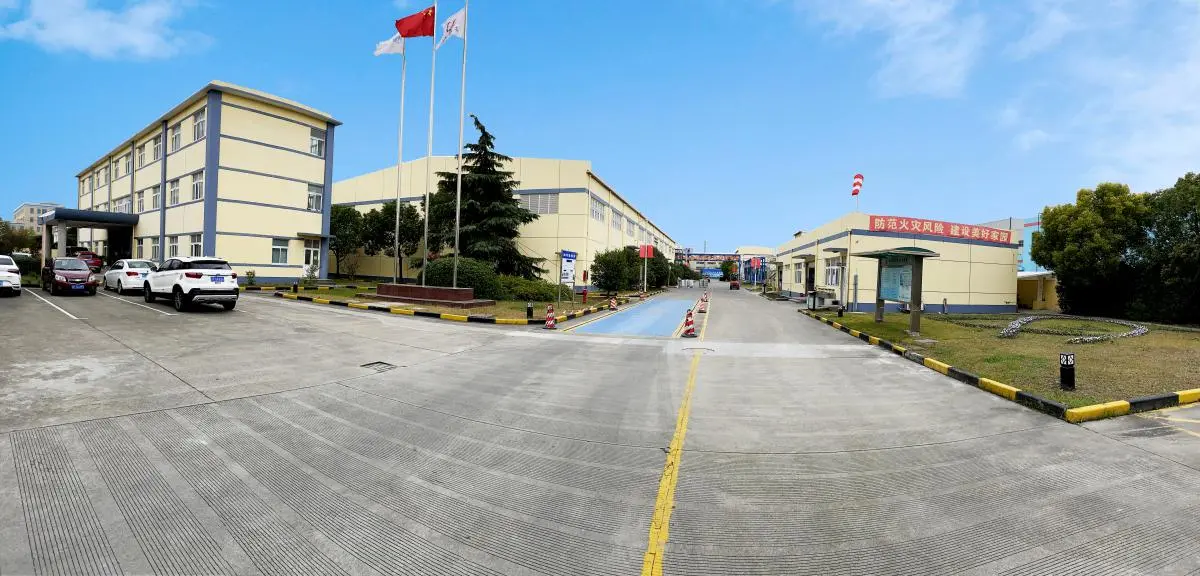
Equipped with high-capacity calcination kilns and fully automated packaging lines.
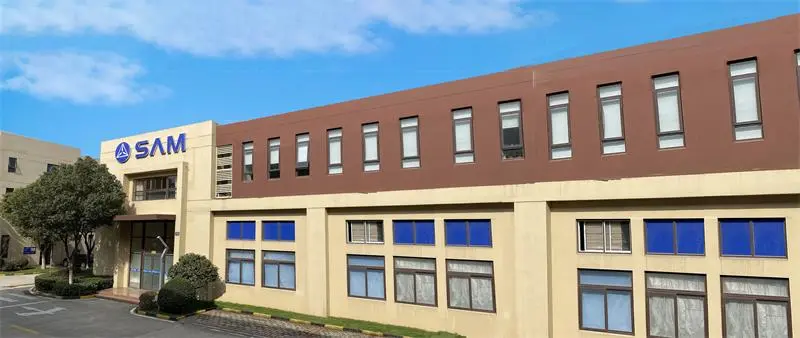
Specialized in advanced synthetic zeolite structures and custom dynamic chemical testing loops.
The landscape of CO2 removal is undergoing shifts driven by both climate regulations and the economics of gas processing. Key developments include:
Amine scrubbing (liquid absorption) faces limitations such as solvent degradation, equipment corrosion, and high thermal energy demands during regeneration. Solid-state adsorption using molecular sieves offers an environmentally friendly alternative, operating efficiently in Pressure Swing Adsorption (PSA), Vacuum Swing Adsorption (VSA), and Temperature Swing Adsorption (TSA) setups.
Modern applications require high-density zeolites with high crush strength. Minimizing bead attrition prevents dust formation, which can otherwise lead to channel blockages and pressure drop variations within industrial beds. High-density structures enable smaller vessel configurations, reducing initial capital expenditures (CAPEX).
Altering the silica-to-alumina ratio within zeolites modifies their hydrophilic nature and thermal stability. Low-silica zeolites (e.g., LSX) present high density of active cation sites, maximizing dynamic CO2 capacity at low partial pressures.
Purchasing departments seeking Molecular Sieve for CO2 removal must look beyond unit price to evaluate overall performance metrics. Key evaluation parameters include:
Pricelist Guide: Pricing models fluctuate depending on raw material synthetic precursors, specialized activation steps, batch sizes, and compliance requirements. Shanghai Jiuzhou Chemicals Co., Ltd. provides customized quotation models including long-term supply agreements and spot purchasing options.
"Better air, Better life"
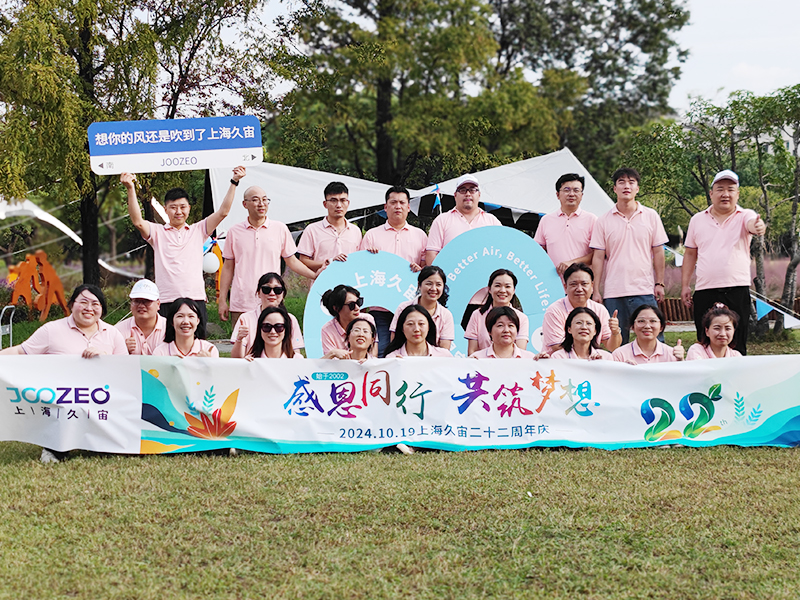
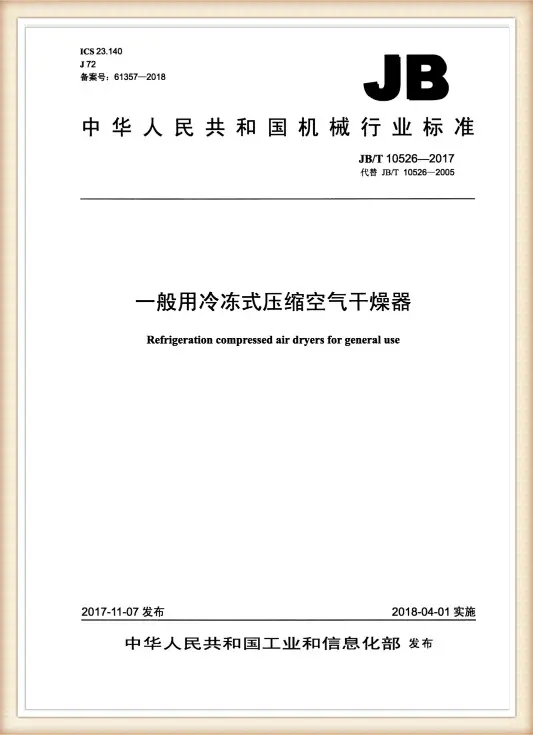
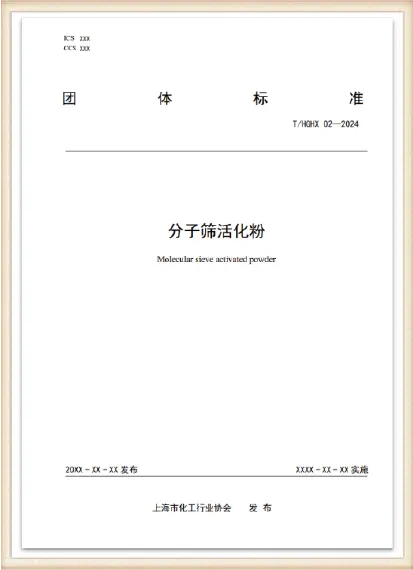
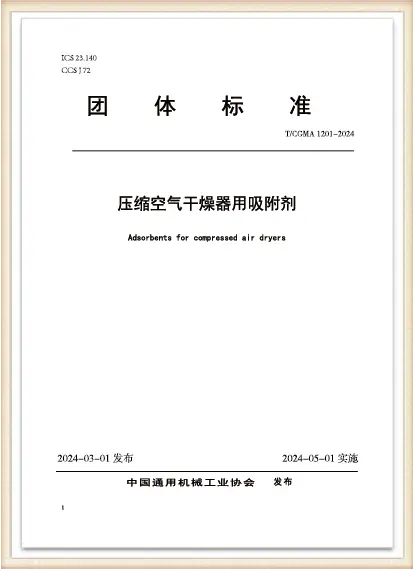
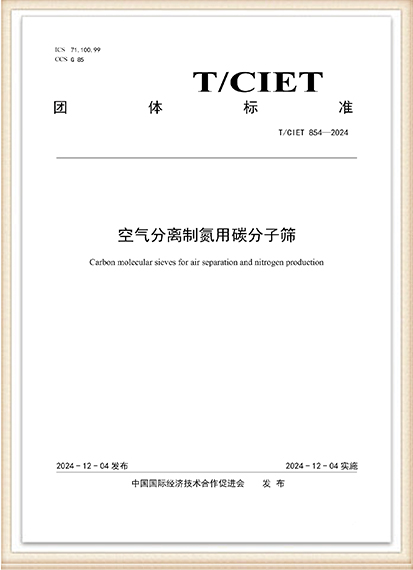
JOOZEO actively participates in defining national and industrial standards, verifying our leadership in the chemical adsorbents domain.
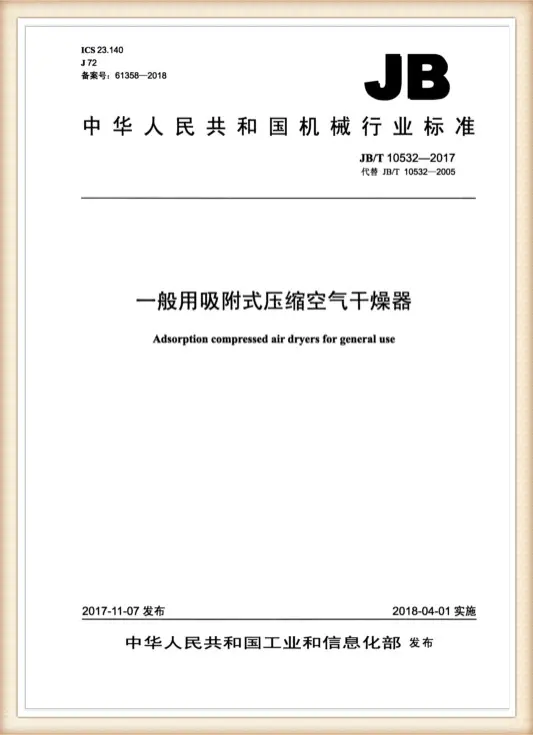
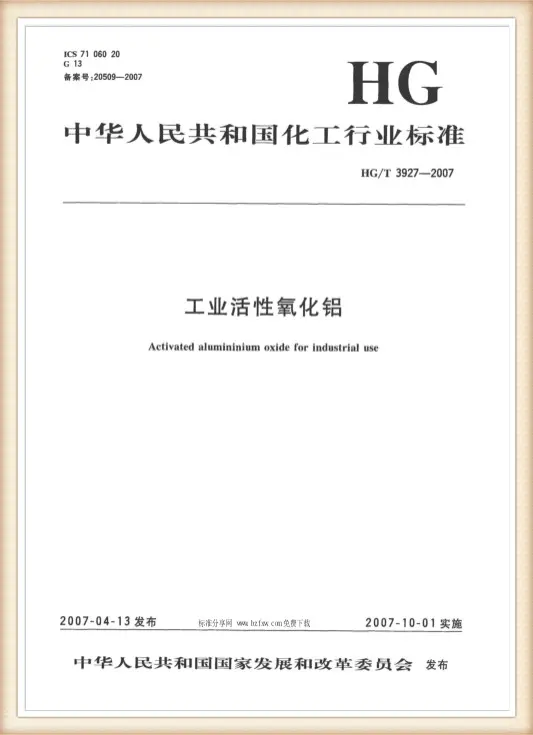
Contact our technical team for custom configurations, adsorption isotherms, or detailed pricing for your projects.
We respond within 24 hours.
Send Request