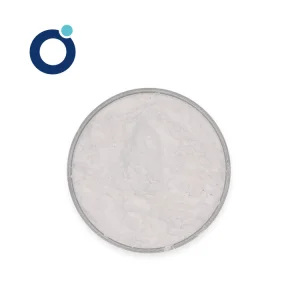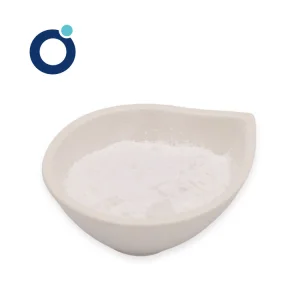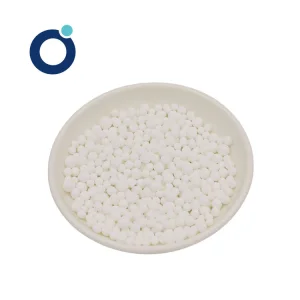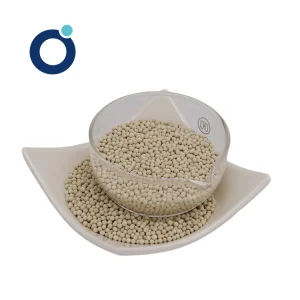
High-purity desiccant media and molecular sieve structures optimized for demanding industrial dehydration and purification duties.
Molecular Sieve Units (MSUs) leverage the thermodynamic and kinetic separation characteristics of crystalline aluminosilicates (zeolites). By engineering exact pore sizes—typically ranging from 3Å to 10Å—our units selectively adsorb water molecules, polar compounds, and volatile organic hydrocarbons while allowing non-adsorbable carrier gases to pass unaffected.
Utilizing Temperature Swing Adsorption (TSA) or Pressure Swing Adsorption (PSA) processes, these units achieve extreme dew points below -70°C (-94°F). The thermal regeneration cycles are designed with customized heat exchangers and control logic, optimizing heating/cooling profiles to prevent early structural aging of the zeolite crystals.
As a critical preprocessing phase, our molecular sieve columns protect downstream liquefaction cold boxes and catalytic reactors from freezing and poisoning. Proper design must balance superficial gas velocity, pressure drop, mass transfer zone (MTZ) length, and residual water levels to ensure uninterrupted operation.
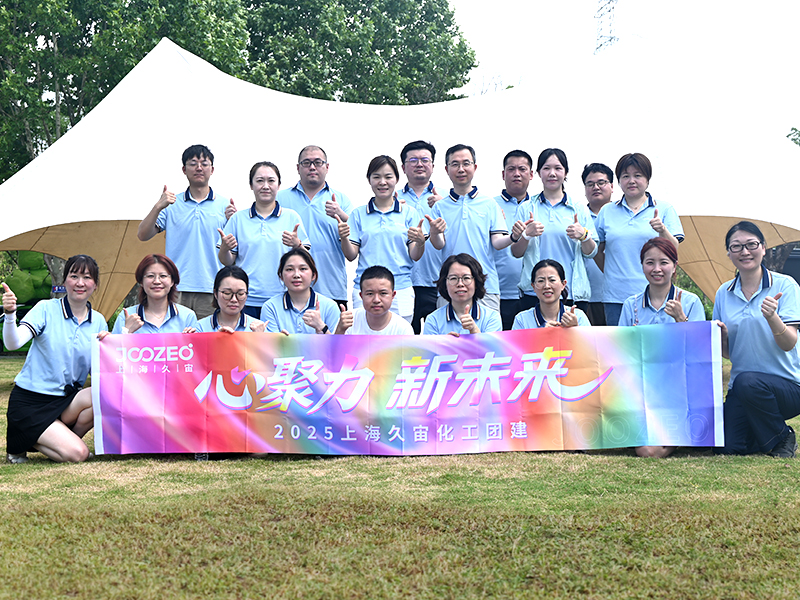
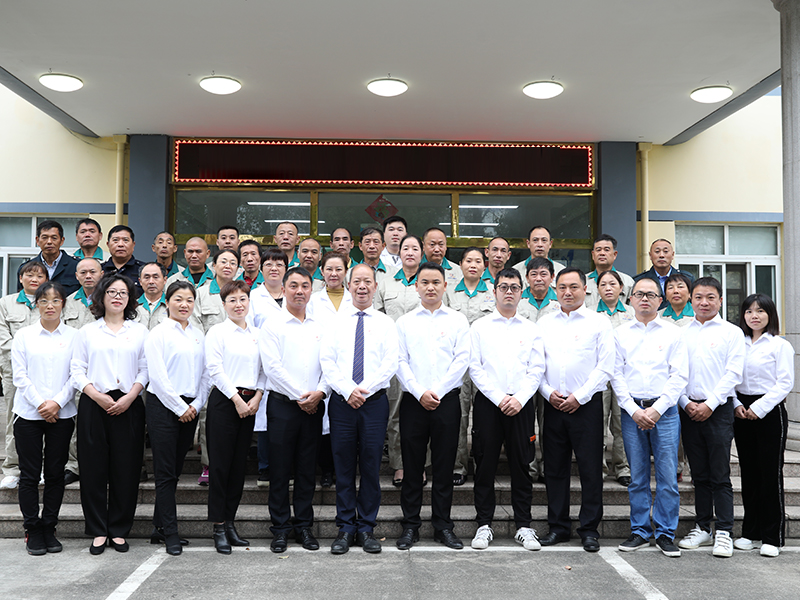
Shanghai Jiuzhou Chemicals Co., Ltd. is located in China's largest economic development city, Shanghai. Over the years, Jiuzhou has consistently adhered to the "Quality Control, Innovation" principles, committing itself to the development, research, and manufacturing of high-quality innovative chemical products.
Our comprehensive product portfolio includes various molecular sieve powders, synthetic molecular sieves, activated powder, activated alumina, aluminum oxide catalysts, various types of alumina packing and ceramic balls, sodium silicates, aluminum hydroxide, zeolite 4A, sodium carbonates, and SLES. All Jiuzhou products have successfully passed the ISO9001:2008 quality management system certification, as well as TUV & SGS certifications.
With a professional, world-class research team and recognized experts in chemical materials, we utilize advanced international production technologies and specialized equipment. Quality control is integrated at every level, supported by a central analytical laboratory and dynamic testing facility equipped with large-scale monitoring and analysis instruments, ensuring our products comply with international standards.
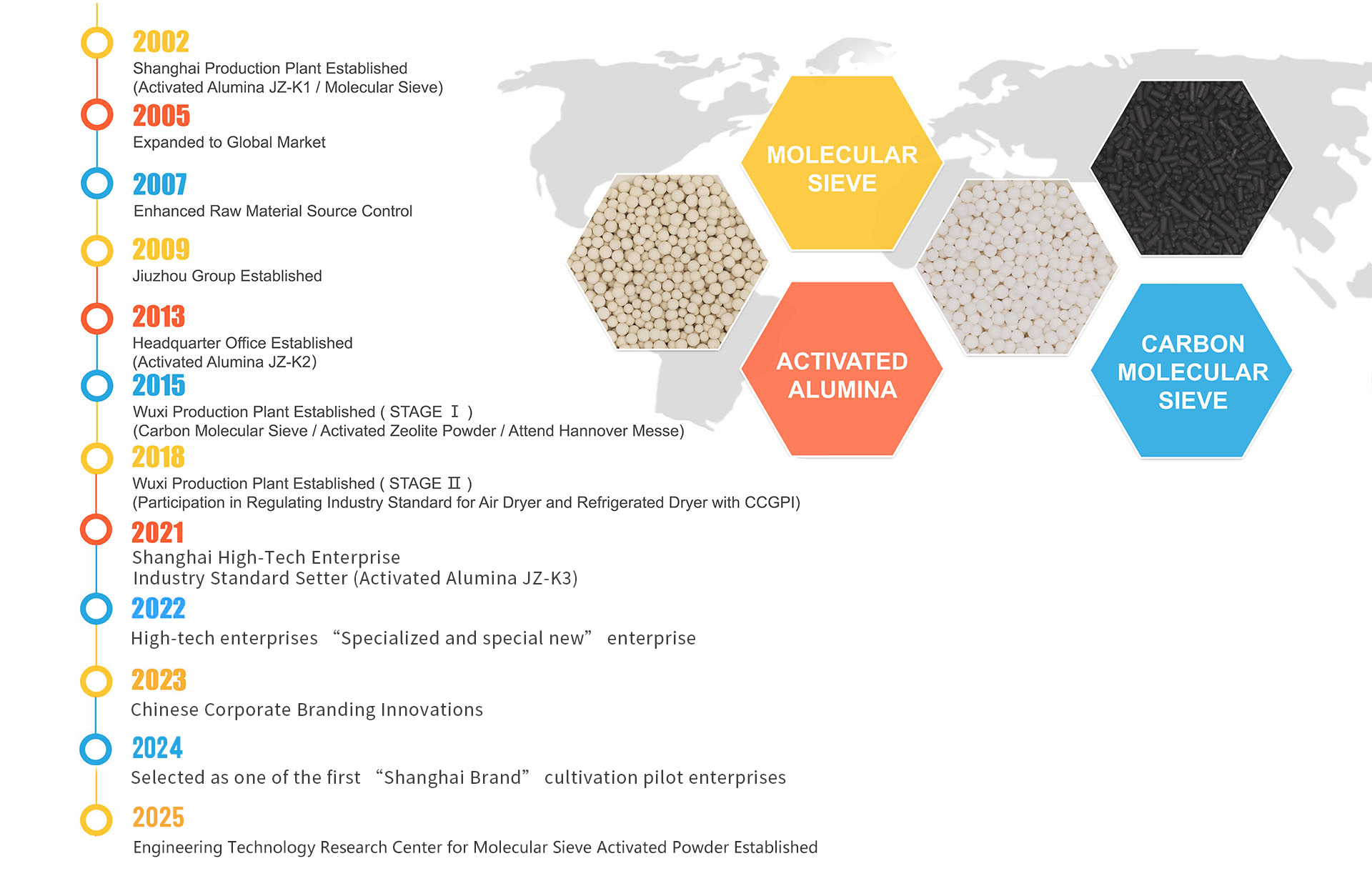
Strategically positioned production centers and automated multi-functional workshops equipped to guarantee continuous high-volume supply.
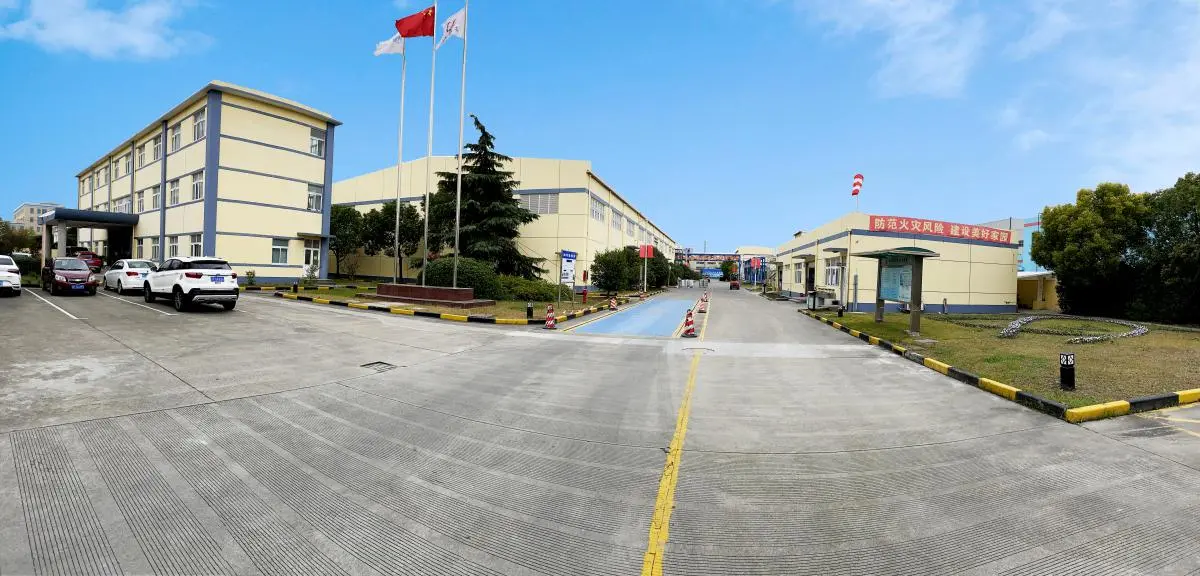
Our central facility, home to the dynamic R&D testing center, customized formulation laboratories, and premium synthetic zeolite manufacturing units.
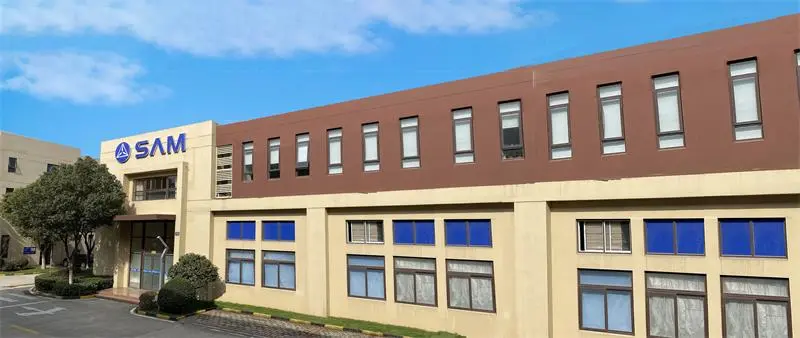
Focused on high-volume production of specialty adsorbents, catalyst carriers, and high-purity support materials to support global supply chains.
As an active participant in drafting national and industrial guidelines, Jiuzhou sets the benchmark for quality, environmental safety, and performance.
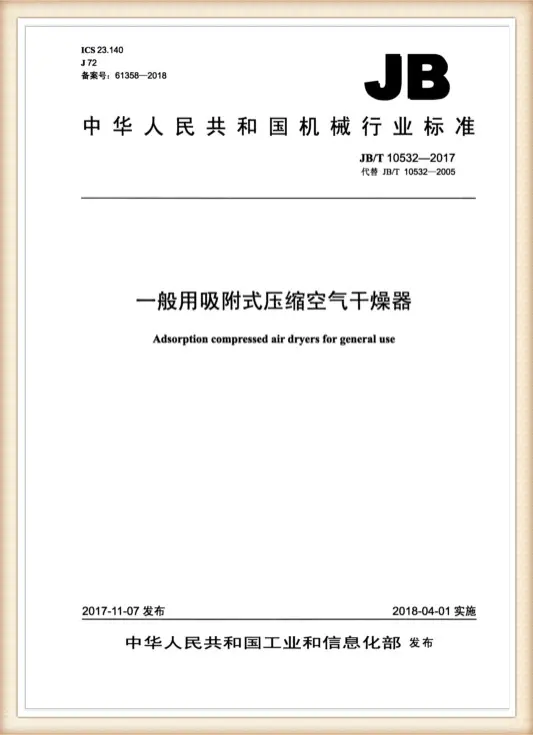
JB / T 10532-2017
Adsorption compressed air dryers for general use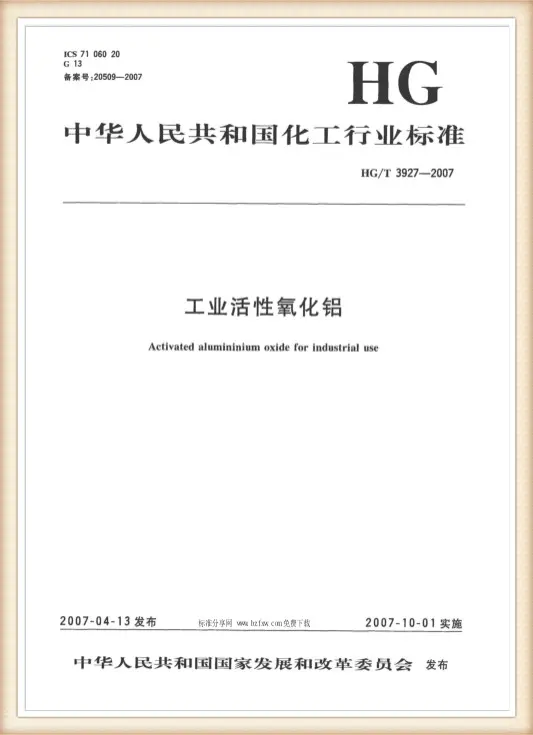
HG / T 3927-2007
Activated alumina for industrial use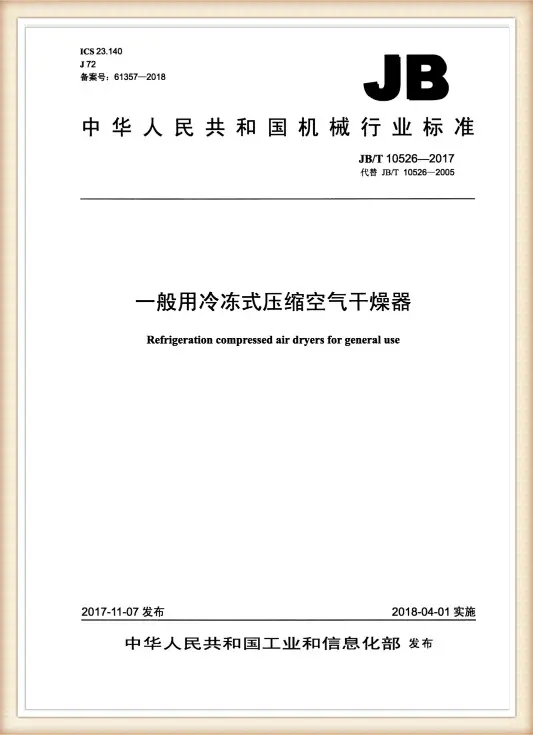
JB / T 10526-2017
Refrigeration compressed air dryers for general use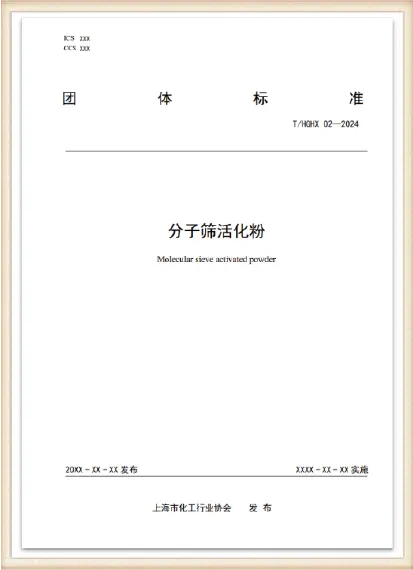
T / CGMA 1201-2024
Industry Adsorbent Standards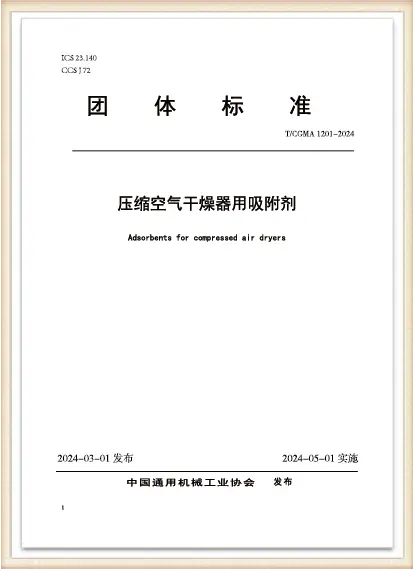
T / HGHX 02—2024
Chemical Industry Performance Metrics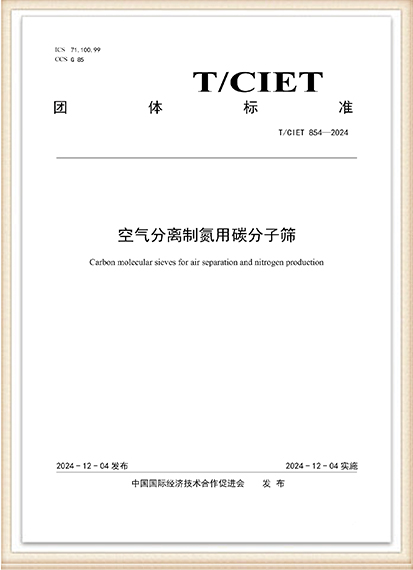
T / CIET 854-2024
Eco-friendly Adsorption SolutionsCommitment to sustainable chemistry through low-emission manufacturing processes and recyclable raw materials.
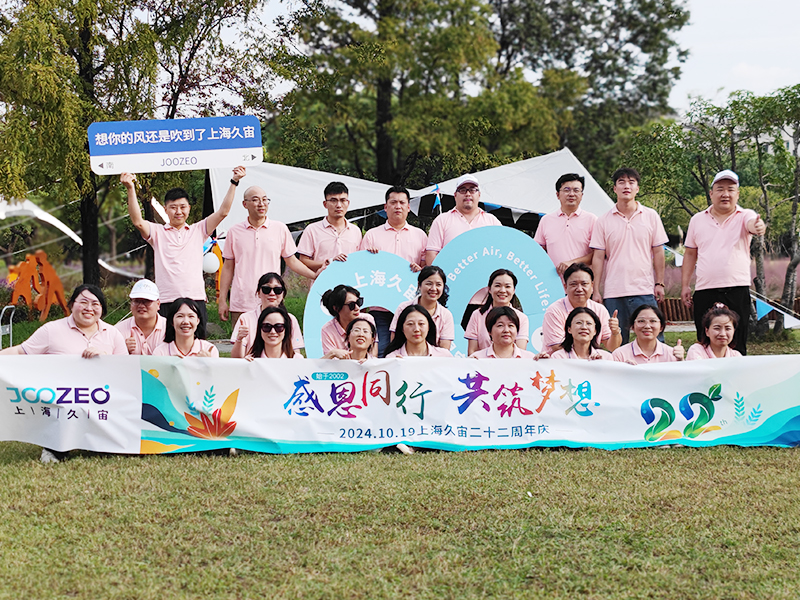
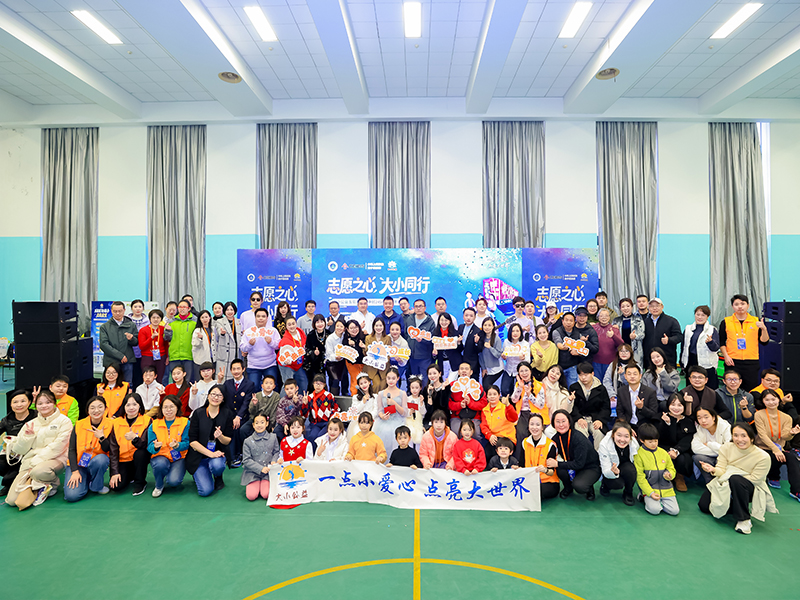
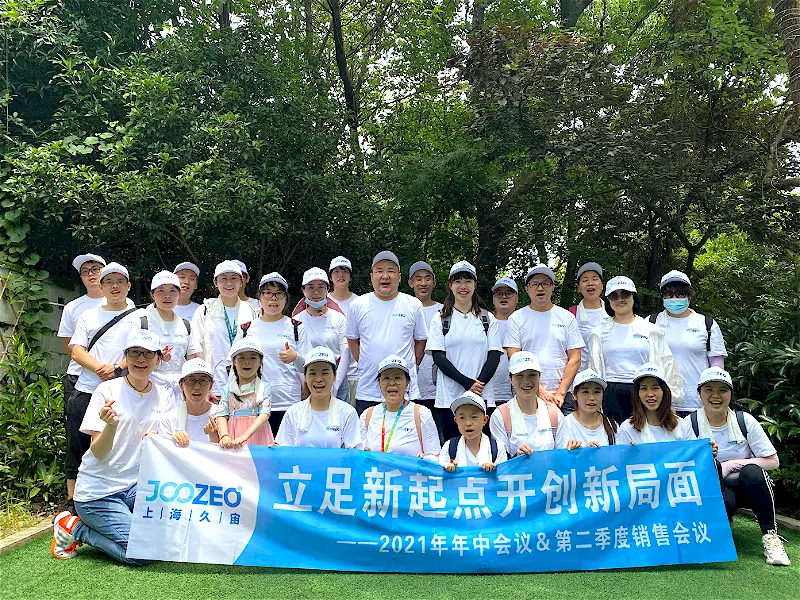
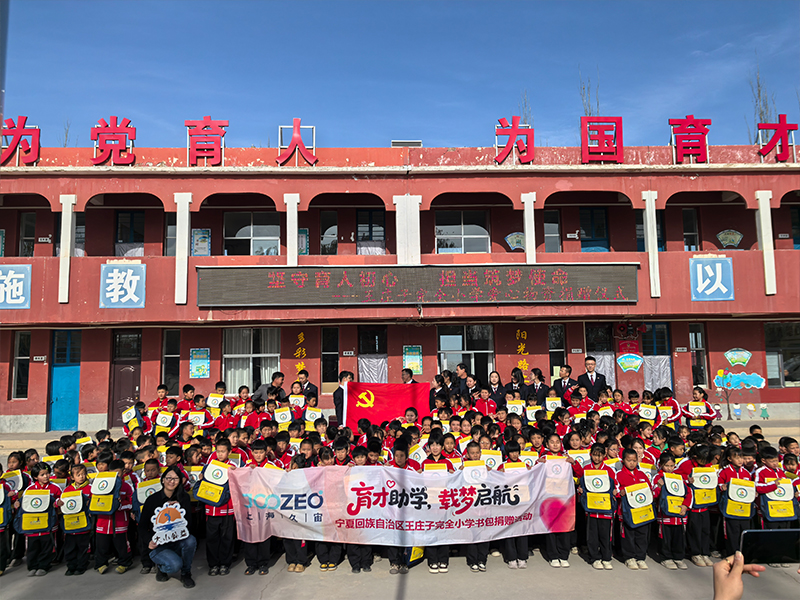
The global transition toward high-purity chemicals, clean fuels, and net-zero emissions has intensified the demand for efficient gas separation and purification technologies. Molecular Sieve Units (MSUs) represent the core of deep dehydration in petrochemical facilities, LNG terminals, and hydrogen generation networks worldwide. Currently, process engineering firms face several challenges: volatile energy costs impacting regeneration efficiency, requirements for low-emission solvents, and the need for longer adsorbent service life.
Industrial facilities require adsorbents that maintain high physical integrity over thousands of operational cycles. Mechanically weak zeolites lead to attrition, creating fine dust that blocks beds, increases pressure drops, and can cause plant shutdowns. Our molecular sieves are manufactured with robust binder formulations, offering high crush strength and lower attrition rates to address these reliability concerns.
Customized configurations optimized for specific climatic, regulatory, and process environments worldwide.
Used in high-purity nitrogen, oxygen, and argon production. Our 13X molecular sieve columns remove carbon dioxide and water at ambient temperatures. This prevents downstream cryogenic freezing and maintains the integrity of high-value plate-fin heat exchangers.
Used in offshore platforms and inland refineries. Our 4A and 5A molecular sieve beds handle feed gas saturated with sour contaminants like H2S and mercaptans, reducing moisture to under 0.1 ppmv to prevent hydrate formation in cryogenic liquefaction.
Designed for fuel-grade ethanol production. Using 3A molecular sieves, the system breaks the water-ethanol azeotrope to dry vapor streams from 95% concentration to 99.8% purity, while excluding the larger ethanol molecules from the pore structure.
Select the appropriate crystal structure and pore aperture to match the kinetic diameter of target adsorbate molecules.
| Zeolite Type | Pore Diameter | Target Adsorbate | Critical Applications | Bulk Density (g/ml) | Crush Strength (N) |
|---|---|---|---|---|---|
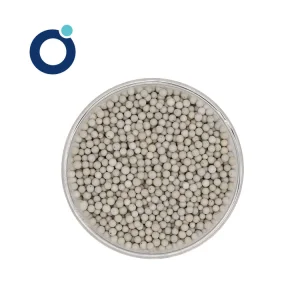
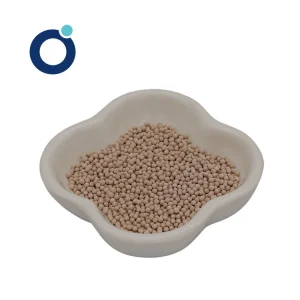
| 3A Zeolite | ~3 Å | H2O (Kinetic Dia. 2.6 Å) | Ethylene/Propylene drying, Ethanol dehydration, Insulated glass | 0.60 – 0.68 | ≥ 40 (Beads) |
| 4A Zeolite | ~4 Å | H2O, CO2, SO2 | Air compressors, closed gas loop dehydration, refrigerant drying | 0.62 – 0.70 | ≥ 45 (Beads) |
| 5A Zeolite | ~5 Å | n-Paraffins, H2S, Mercaptans | PSA hydrogen purification, normal/iso paraffin separations | 0.64 – 0.72 | ≥ 50 (Beads) |
| 13X Zeolite | ~10 Å | Heavy hydrocarbons, CO2, Organosulfur | Cryogenic air pre-purification, LPG desulfurization, oxygen concentrators | 0.64 – 0.70 | ≥ 55 (Beads) |
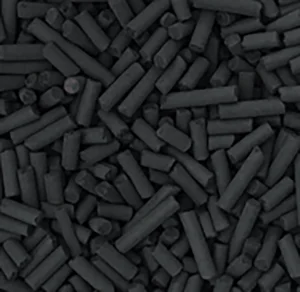
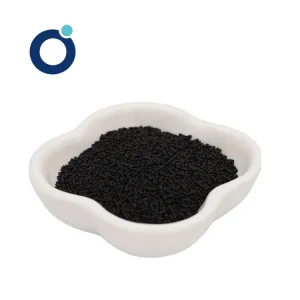
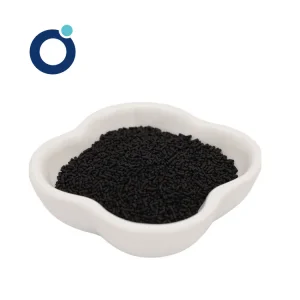
| Carbon Molecular Sieve | Variable slit-like pores | O2 (kinetic separation from N2) | PSA Nitrogen generation systems (high purity output) | 0.66 – 0.68 | ≥ 95 (Extrudes) |
As a vertically integrated manufacturer in the industrial chemical hub of East China, Shanghai Jiuzhou Chemicals manages a resilient supply chain. Our raw material procurement is backed by direct upstream integration for key feedstocks such as sodium silicates and aluminum hydroxide. This structure reduces vulnerability to market cost fluctuations and ensures reliable material availability for high-volume orders.
Direct pipeline and regional sourcing of high-purity silicates and aluminates lower production costs and prevent raw material delays.
Our coordinated facilities in Shanghai and Wuxi balance production loads, helping us adjust capacity and meet urgent shipping timelines.
Located near the Port of Shanghai and major transportation links, we support efficient containerized shipping, bulk vessel dispatch, and door-to-door delivery options.
The field of industrial adsorption is evolving to meet higher environmental and efficiency requirements. Our research team focuses on development in three main areas:
By converting inactive clay binders into active zeolite structures, we aim to increase the working adsorption capacity by up to 25% per unit volume. This allows operators to reduce bed dimensions without losing performance.
We are testing synthetic zeolites optimized for flue gas CO2 capture. These materials are engineered for improved selectivity in the presence of moisture and sulfur dioxide, along with lower thermal regeneration requirements.
By studying real-world data from operating installations, we are building analytical models to estimate remaining adsorbent lifetime. This supports predictive maintenance schedules and helps prevent unplanned downtime.
Industrial operations must comply with rigorous national and international regulations. Our products are manufactured to meet global environmental and safety standards:
• REACH & RoHS: Registered and certified for compliance across the European Union.
• US EPA & OSHA guidelines: Compliant SDS documents and dust emission standards.
• Pressure Equipment Standards: Our molecular sieves are optimized for use in pressure vessels certified to ASME Section VIII and PED 2014/68/EU.
To ensure the performance of our adsorption media, we offer engineering support throughout the system lifecycle:
• Sieving Design & Calculation: Custom modeling for gas velocities, pressure drops, and breakthrough times.
• Supervised Loading Services: Advice on proper loading techniques (dense phase or sock loading) to prevent void spaces.
• Performance Audits: Spent adsorbent analysis in our laboratories to determine remaining lifetime and trace potential contamination sources.
Technical answers to key queries on selection, performance, and maintenance of molecular sieves.
Additional chemical formulations, supports, and separation agents for global industrial processors.
Our engineering team is ready to assist with sizing configurations, pressure drop calculations, and custom adsorbent formulations. We respond within 24 hours.
Send Request