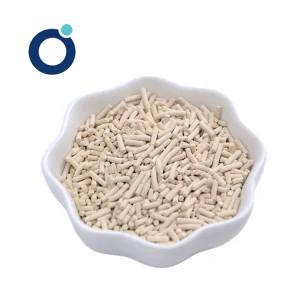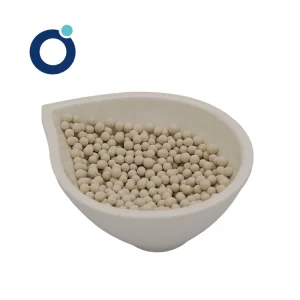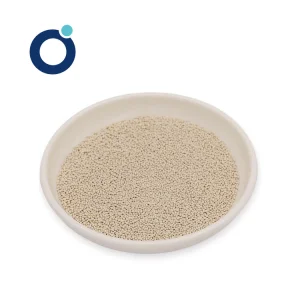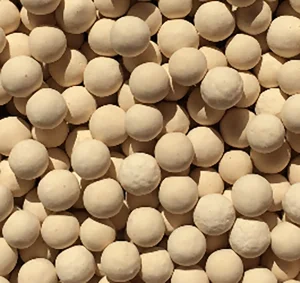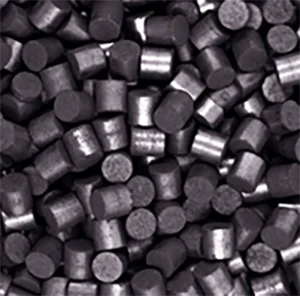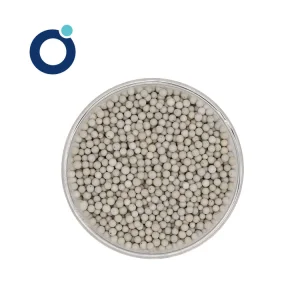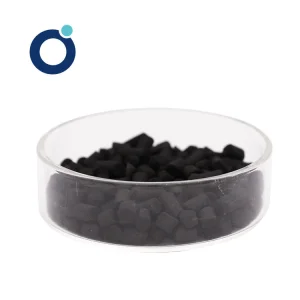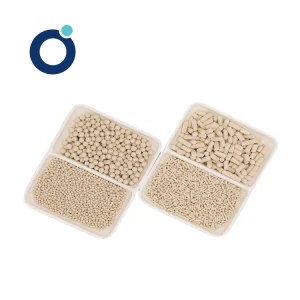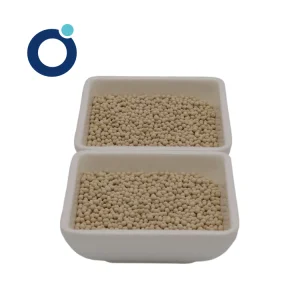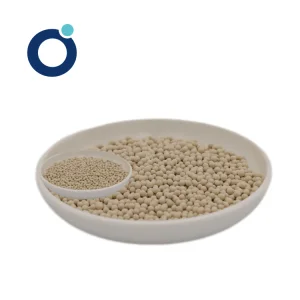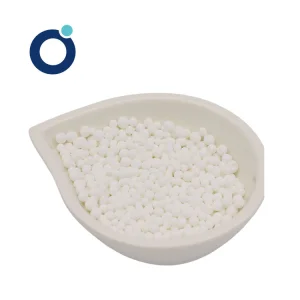
Premium quality zeolites, activated carbon, and alumina tailored for global separation plants
In industrial process engineering, the separation of air into its high-purity constituent gases is key to hundreds of downstream processes. At the heart of this separation lies the Pressure Swing Adsorption (PSA) technology, which depends entirely on the precision kinetics of Nitrogen Molecular Sieves and Carbon Molecular Sieves (CMS).
Because nitrogen molecules ($3.64\,\text{Å}$) and oxygen molecules ($3.46\,\text{Å}$) differ by only fractions of an angstrom in kinetic diameter, the micro-pore distribution of the synthetic zeolite or carbon substrate must be incredibly precise. A high-performing Nitrogen Molecular Sieve exploits these subtle dimensional differences, allowing oxygen to be selectively adsorbed at high speed while nitrogen passes through the bed as a high-purity product stream.
Developing this pore-size accuracy requires state-of-the-art thermal processing, rigorous chemical formulation, and exceptional crystal synthesis technology. These capabilities define the manufacturing expertise found in China's leading chemical industrial zones today.
To optimize gas recovery systems, molecular sieves must show fast adsorption kinetics and robust mechanical crush resistance. Our products are formulated to lower overall bed resistance, thereby saving power in compressors during cyclic regeneration phases.
With precise hydrothermal treatment, our factories synthesize zeolites with controlled channel networks. This leads to exceptional target gas selectivities, reducing the purge gas ratio and extending overall molecular sieve service lifetimes.
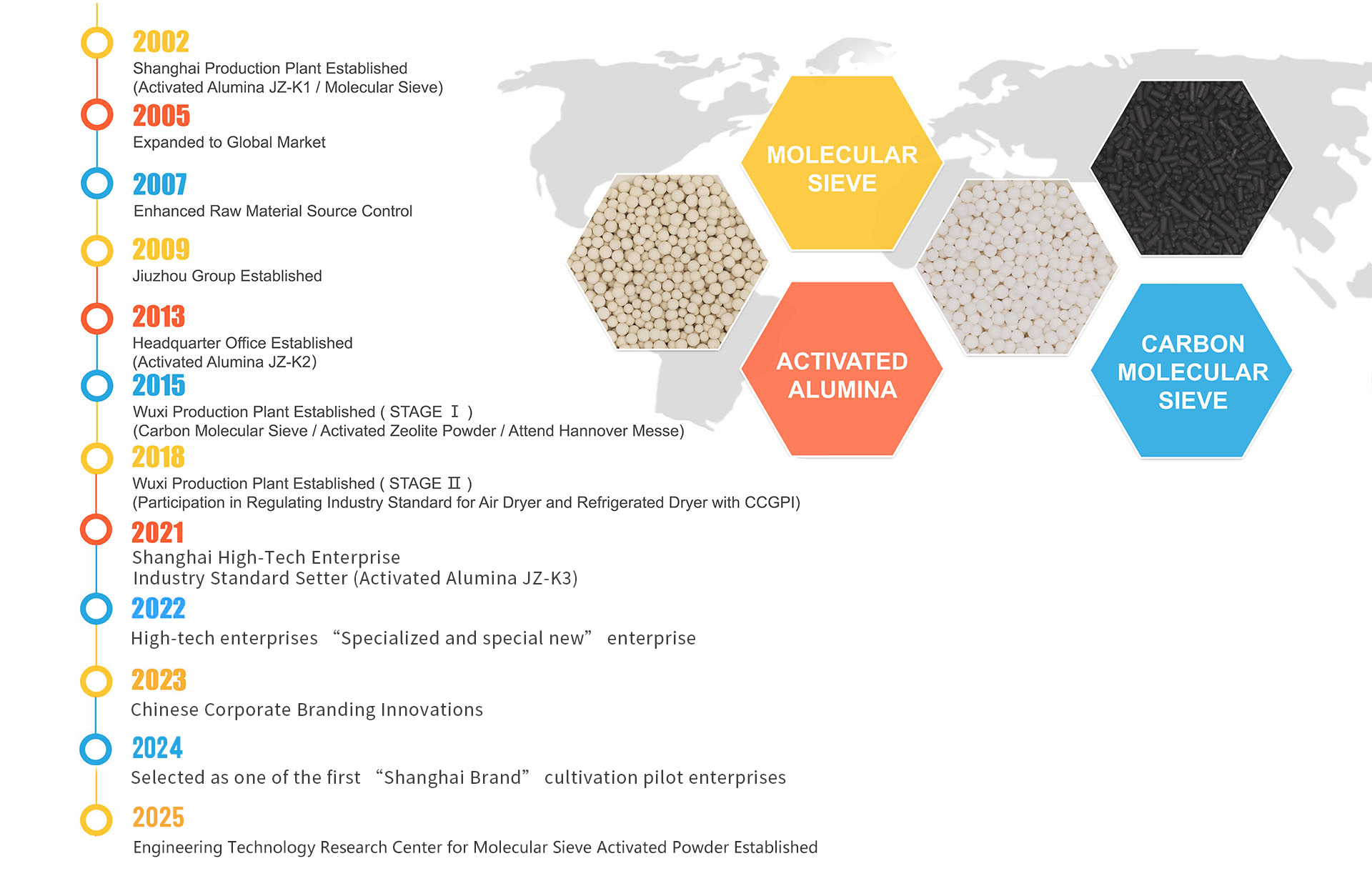
Shanghai Jiuzhou Chemicals Co., Ltd. is located in Shanghai, the largest economic development hub in China. Over the years, Jiuzhou has adhered to the principles of "Quality Control, Innovation" and is committed to the research, development, and manufacture of high-quality chemical adsorbents.
Our main products include various molecular sieve powders, molecular sieves, activated powder, activated alumina, aluminum oxide catalysts, alumina packings, ceramic balls, sodium silicates, aluminum hydroxide, zeolite 4A, sodium carbonates, and SLES. All of our products have passed ISO9001:2008 Quality Management System certification, along with TUV and SGS certifications.
With automated multi-functional workshops, a dynamic testing laboratory, and a central laboratory equipped with advanced analytical instruments, we provide customized services and energy-saving adsorption solutions for partners worldwide.
By managing two fully equipped manufacturing plants in Shanghai and Wuxi, Jiuzhou ensures flexible production schedules, consistent batch quality, and fast shipping through major logistics hubs.
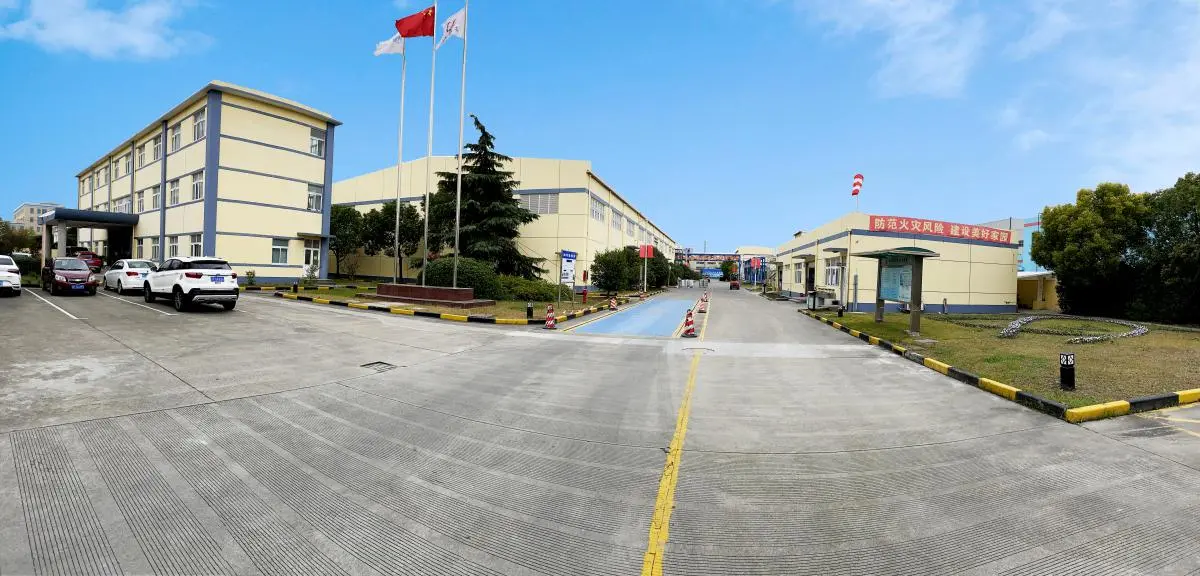
Shanghai Factory

Wuxi Factory
At JOOZEO, we believe in minimizing environmental footprints. Our advanced molecular sieves assist in carbon capture, waste-gas purification, and nitrogen enrichment, promoting energy conservation across chemical operations globally.


Setting benchmarks for adsorption equipment and media performance across Chinese and international markets
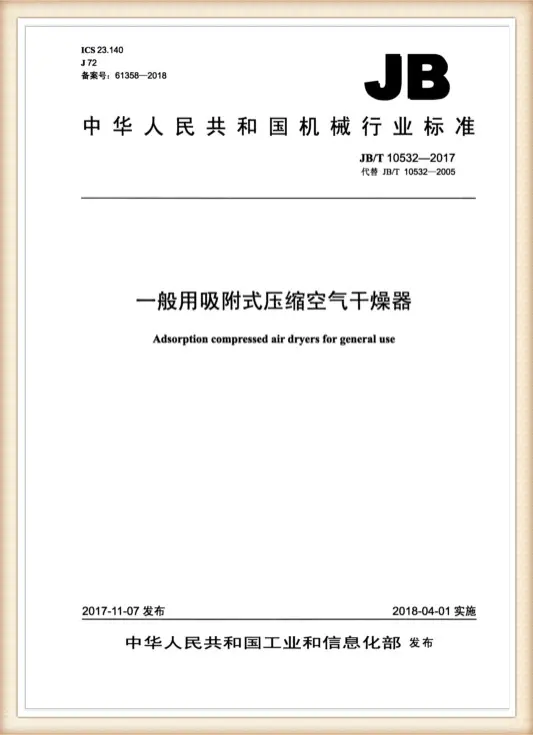
Adsorption compressed air dryers for general use.
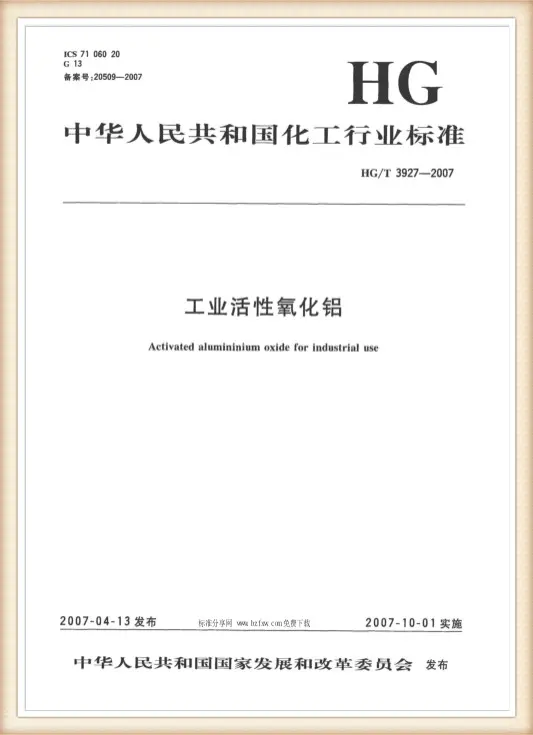
Activated aluminium oxide for industrial use.
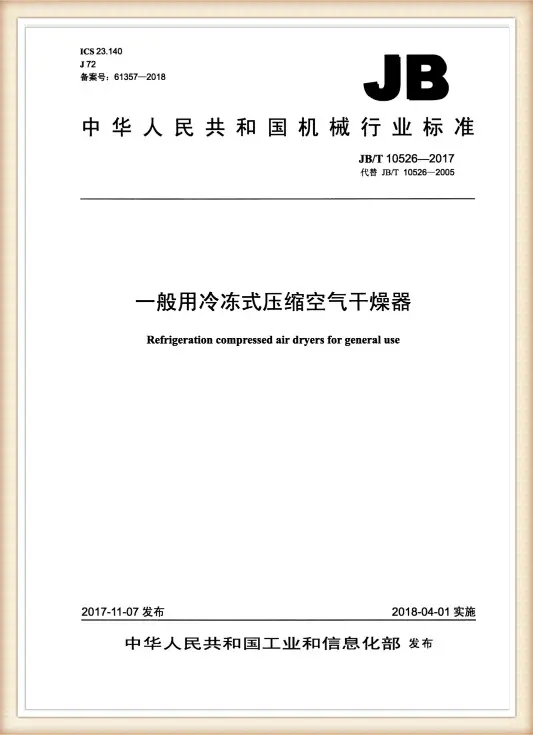
Refrigeration compressed air dryers for general use.
Standardized specifications for modern compressors and adsorption dry systems.
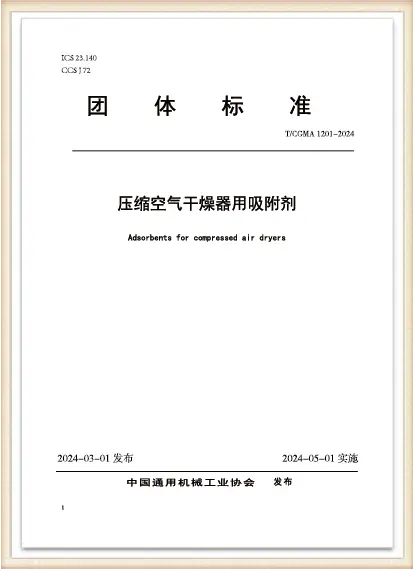
Industrial chemical agent purity and assessment standards.
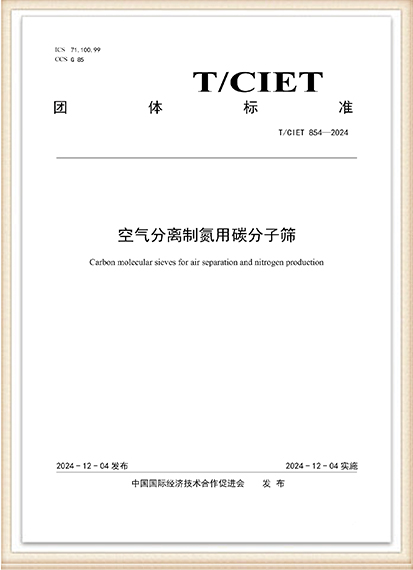
Advanced standard protocols for eco-friendly carbon-adsorption chemical engineering.
Analyzing raw material integration, manufacturing scales, and thermal processing innovation
China produces a significant share of the world's high-purity synthetic zeolites and carbonaceous precursors. Access to these resources allows factories to control chemical purity right from raw materials, reducing traces of iron and sodium contaminants that degrade sieve life.
Advanced rotary kilns utilize temperature control profiles with accuracy under ±1°C. This dynamic thermal process is crucial for pore narrowing, ensuring the carbonaceous material or zeolite crystals lock in the required kinetic dimensions.
By operating multi-ton automated batch systems, Chinese factories minimize chemical variability. These economies of scale reduce the cost per cubic meter of nitrogen generated, directly benefiting international industrial EPC firms.
The selection of molecular sieves involves evaluation of mechanical parameters and thermodynamic properties. For instance, the bulk density of the carbon or zeolite structure determines the total packing mass required inside the PSA tower, which directly influences pressure drop and flow velocities. High mechanical crush strength is required to prevent attrition and dust generation under the rapid pressure swings inherent to PSA cycles.
Equally critical is the adsorption capacity ratio. Leading-grade molecular sieves from China showcase higher oxygen adsorption velocities while maintaining low co-adsorption of nitrogen. This increases the nitrogen recovery rate, meaning less feed air is required from the compressor. The result is a direct reduction in the electrical power needed to produce high-purity nitrogen gas, improving operational efficiency.
When sourcing Nitrogen Molecular Sieves from Chinese manufacturers, procurement departments should verify the following laboratory benchmarks:
Providing reliable separation technologies across the energy, pharmaceutical, and electronic sectors
High-purity nitrogen is used extensively in chemical plants for purging pipelines, catalyst regeneration, and tank inerting. In these volatile environments, reliable inert gas streams prevent combustion and shield reactive chemicals from humidity.
Silicon wafer fabrication and component packaging demand nitrogen purity levels of 99.999% or higher. Our advanced carbon molecular sieves allow PSA systems to supply consistent high-purity streams directly on-site, bypassing bulk liquid nitrogen logistics.
By creating modified atmospheres in storage vessels, food processors and pharmaceutical packaging firms eliminate oxygen, extending the shelf-life of food products and maintaining the efficacy of critical drugs.
Onboard LNG tankers and chemical ships, space and weight are strictly limited. Modern compact PSA systems powered by high-performance Chinese molecular sieves deliver rapid nitrogen output to inert cargo holds and minimize fire hazards during sea transits. These sieves are designed to tolerate saline air and vibration, maintaining mechanical integrity under challenging marine conditions.
In deep underground mining, localized pockets of methane present high risks. Large-scale PSA nitrogen generators, situated at mine shafts, pump massive volumes of nitrogen gas down to dilute oxygen levels, preventing spontaneous coal dust fires and keeping workers safe.
Expert technical answers to common questions about molecular sieves and gas separation systems
Zeolite Molecular Sieve (ZMS) is typically used for oxygen generation, capturing nitrogen molecules due to polar electrostatic interactions with the crystalline aluminosilicate framework. Carbon Molecular Sieve (CMS) is used for nitrogen generation, utilizing kinetic separation. The smaller oxygen molecules diffuse into the carbon pores much faster than the larger nitrogen molecules, allowing high-purity nitrogen to pass through as the non-adsorbed product.
In a properly designed PSA system with robust pre-treatment (oil, water, and particulate removal), high-quality sieves from leading Chinese factories can operate effectively for 5 to 8 years. Trace contaminants like compressor oils or water moisture can cause pore blockage, reducing the active adsorption surface area and shortening the overall lifetime of the sieve.
Feed air contains aerosols, liquid water, and hydrocarbon impurities. Because molecular sieves are highly hydrophilic and have high affinity for oils, these pollutants are readily adsorbed and block access to the microscopic pore structure. If not removed by air dryers and coalescing filters, the separation efficiency will drop, reducing the system's nitrogen yield.
Pricing is largely driven by raw material quality (synthetic zeolite purity vs. lower-grade clays), pore-size uniformity, mechanical crush strength, and nitrogen recovery metrics. High-performance sieves that produce higher nitrogen yields per ton of adsorbent command a premium because they lower energy costs for air compressors over their operating life.
Yes. Industrial products conform to international quality certifications. Our factories in Shanghai and Wuxi operate under ISO9001:2008 standards. Products undergo testing according to Chinese national standards (JB/T 10532-2017, HG/T 3927-2007) and hold TUV and SGS certifications.
Higher bulk density allows more mass of adsorbent to be packed into a fixed vessel volume, improving the adsorption capacity per cycle. However, packing must be uniform. Loose or uneven packing can lead to gas channeling, where gas flows faster through paths of least resistance, causing early breakthrough of oxygen and reducing nitrogen purity.
Modern factories focus on reducing emissions during high-temperature activation steps. Energy-efficient kilns and waste-heat recovery systems lower the carbon footprint of production. Since these sieves improve the energy efficiency of PSA systems, their use reduces the operating emissions of global gas production facilities.
Yes. Advanced plants can adjust the dynamic pore openings of carbon and zeolite materials using precise chemical vapor deposition (CVD) and controlled sintering cycles. This enables customization for specialized gas separations, such as separating argon from nitrogen or targeting specific light hydrocarbon streams in gas processing.
Premium silica gels, activated alumina, catalysts, and molecular sieves from our certified factories
Have a technical question or need a quote for your specific gas separation project? Our engineering team will respond within 24 hours.
Send Request