Explore our standard-grade molecular sieves and activated alumina catalysts designed for premium dehydration and trace pollutant scavenging.
Shanghai Jiuzhou Chemicals Co., Ltd. is strategically situated in Shanghai, China's premiere technological and economic development hub. Adhering strictly to our dual pillar principles of uncompromised quality control and continuous innovation, Jiuzhou has established a global footprint as a world-class developer, researcher, and manufacturer of top-tier adsorption chemical formulations.
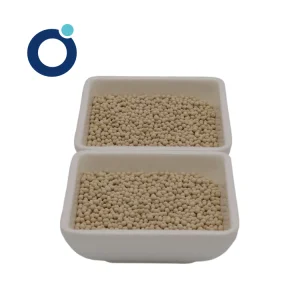
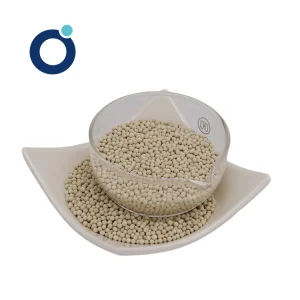
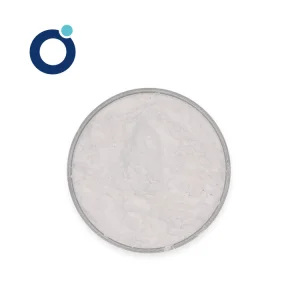
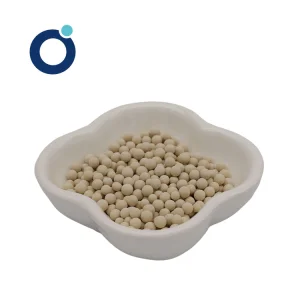
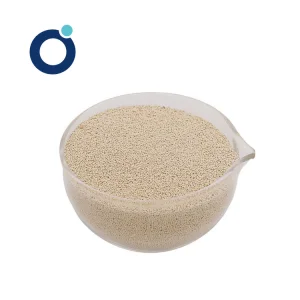
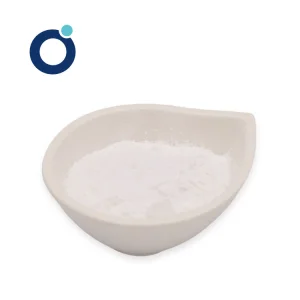
Our comprehensive production matrix encompasses premium molecular sieve powders, active molecular sieve zeolites, high-surface-area activated alumina, transition phase alumina catalysts, optimized ceramic packing structures, liquid sodium silicates, aluminum hydroxides, and environmentally friendly green adsorption formulations. All product lines are certified under ISO9001:2008 and fully verified by TUV and SGS testing audits, ensuring complete integration with international procurement standards.
Continuous automated online testing pipelines.
In-house R&D with top academic chemical institutions.
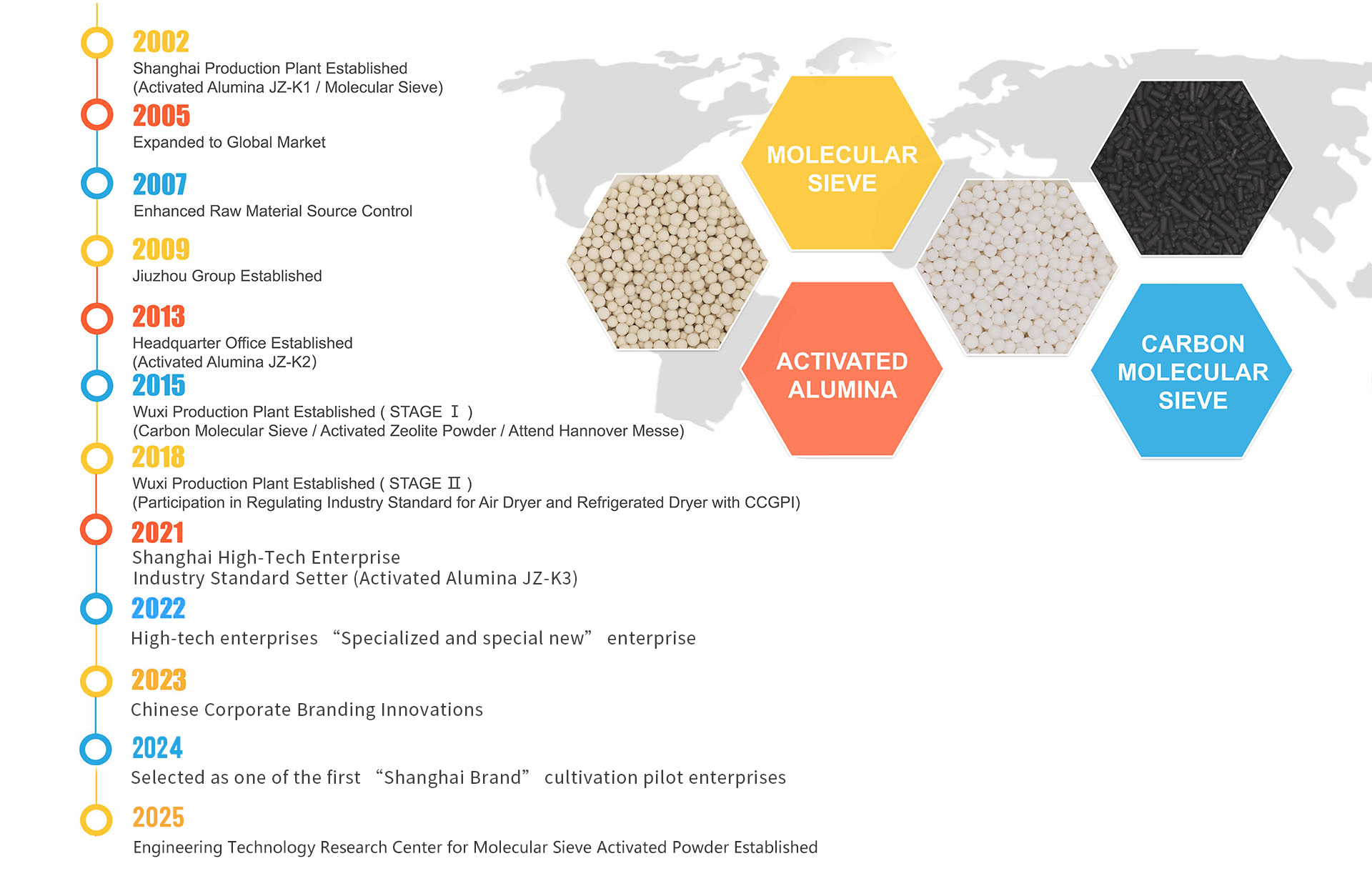
Deploying specialized chemical adsorbents to solve challenging separation problems across diverse global industrial application boundaries.
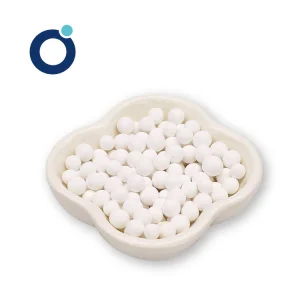
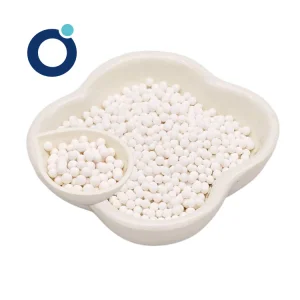
Trace moisture in gaseous cracked streams and liquid olefins can systematically poison downstream polymerization catalysts. Our activated alumina spheres dynamically maintain deep dehydration (dew points down to -70°C), preserving catalyst integrity and maximizing process runtimes.
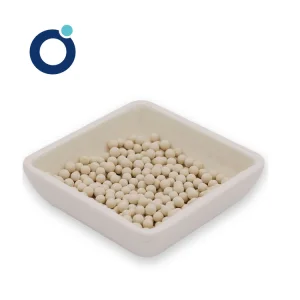
Before cryogenic liquefaction of atmospheric gases, carbon dioxide and trace moisture must be entirely scrubbed to prevent freeze-up in heat exchangers. We supply specialized molecular sieve & alumina layer arrangements that optimize thermal swing adsorption cycles.
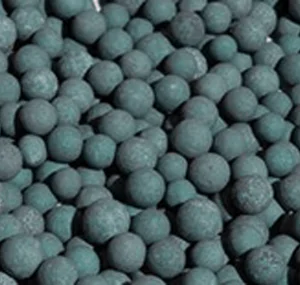
High levels of fluoride and arsenic in drinking water pose massive long-term environmental hazards. Through precisely targeted active surface sites, our custom-engineered activated alumina balls selectively pull heavy contaminants out of complex aqueous solutions.
The next generation of gas-solid contact applications requires functional materials capable of resisting cyclic hydrothermal collapse. Our material engineers are actively modifying the pore architectures of our activated alumina balls to yield hierarchical pore distributions. By structuring a combined network of macropores for rapid fluid transport and micropores for high density thermodynamic adsorption, we can mitigate pressure drops while boosting adsorption kinetics.
Furthermore, our transition toward sustainable chemical processes has led to the design of green regeneration technologies. Traditional thermal swing regeneration requires high energy outputs. Our newest research focuses on tailoring surface acidity to reduce water binding energies, allowing industrial regeneration at substantially lower thermal points.
We are also researching hybrid composite beds, combining the rapid mass transfer kinetics of our activated alumina balls with the high-selectivity capabilities of zeolitic structures, allowing a single vessel to execute dual tasks of moisture dehydration and acid-gas scrubbing.
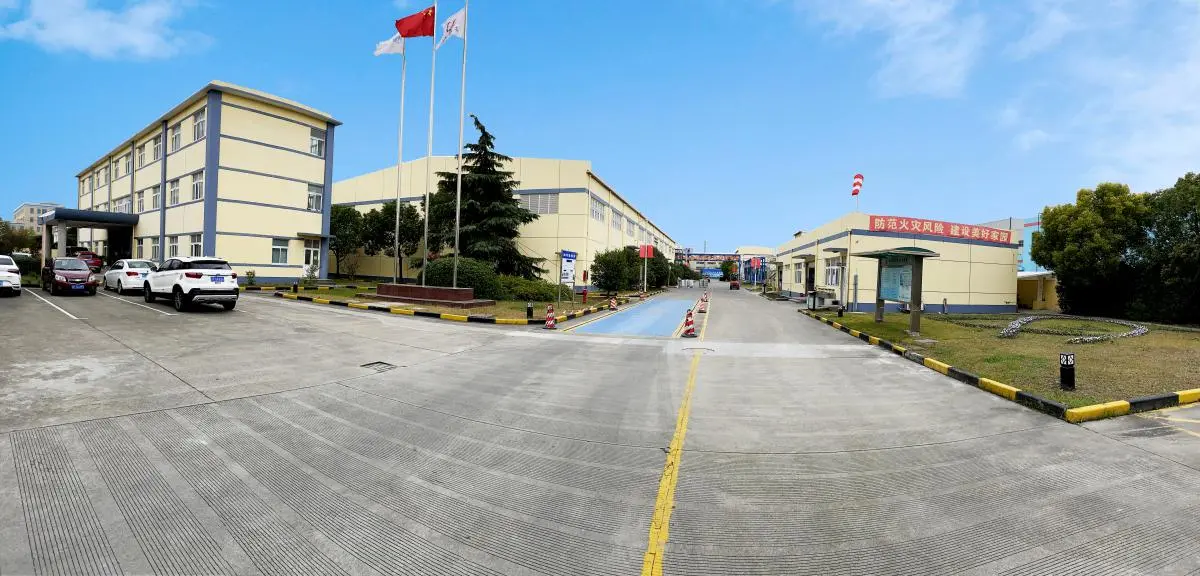
Combining dual manufacturing points in Shanghai and Wuxi to guarantee uncompromised quality, capacity buffers, and seamless global logistics.
By distributing our production resources across our Shanghai Factory and Wuxi Factory, we establish a robust operational model that guarantees supply chain continuity. In the event of local infrastructure maintenance or regional shipping challenges, our dual-location structure dynamically re-allocates manufacturing workflows.
Both facilities utilize highly automated calcination, shaping, and activation lines. Dynamic sensor arrays track key manufacturing metrics in real-time, including calcining temperature gradients, binder ratio controls, and thermal activation residence times, ensuring that each batch is uniform.
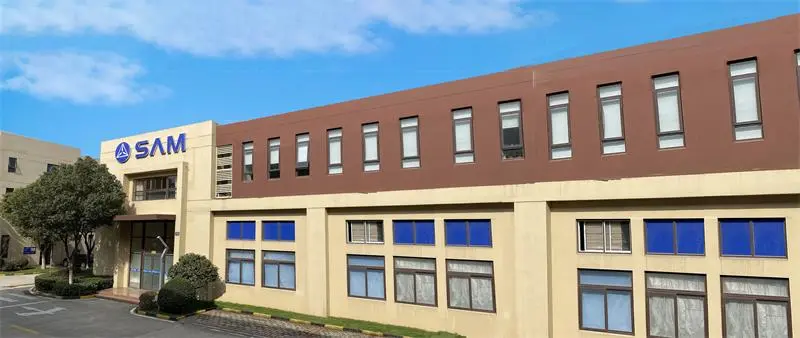
Our corporate focus is driven by the mission "Better air, Better life." Our manufacturing processes utilize closed-loop dust extraction, wastewater recycling, and energy recovery systems.
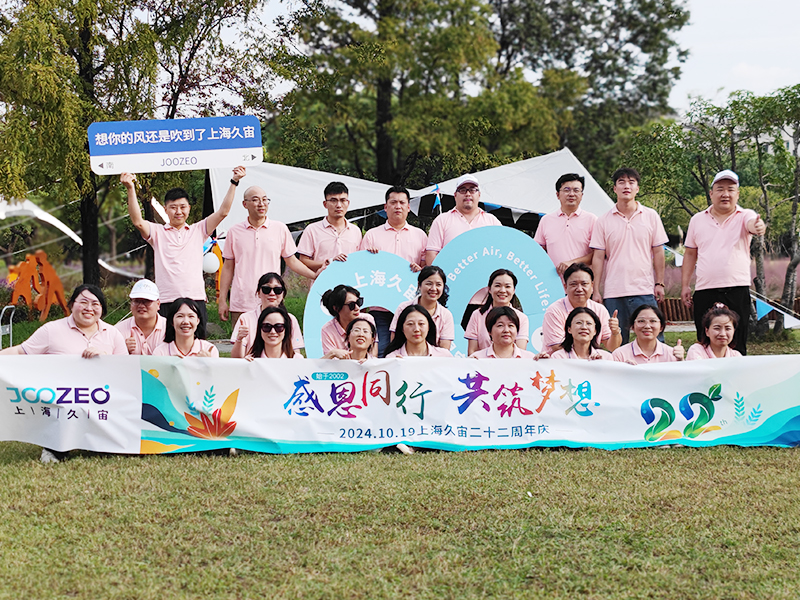
JOOZEO is not merely a manufacturer; we are an active technical contributor defining chemical and mechanical drying industry standards in China.
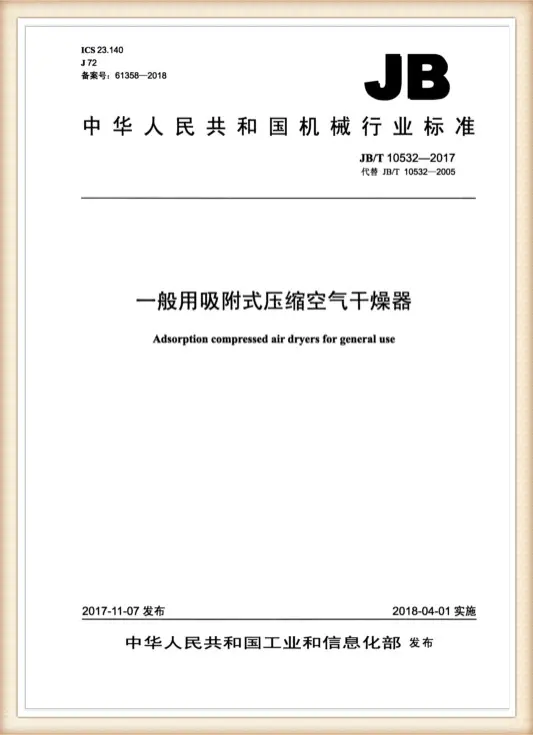
Drafting member for standardizing adsorption compressed air dryers for general industrial use.
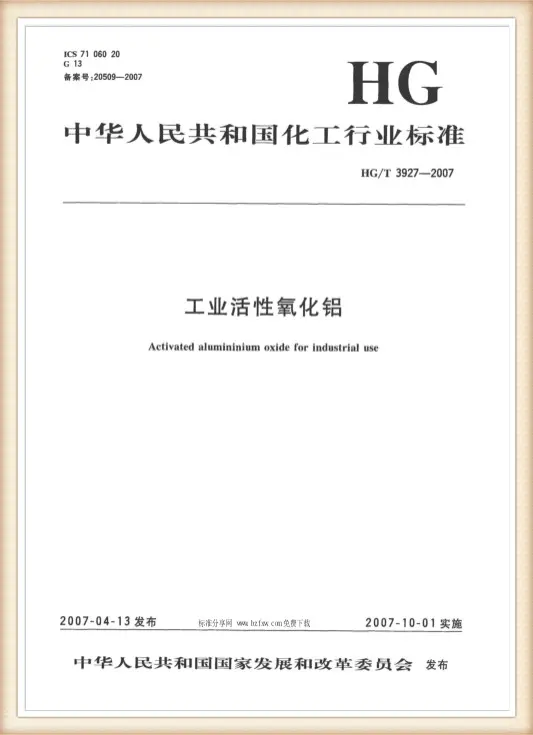
Primary drafter and testing baseline setter for Activated Alumina oxide in industrial applications.
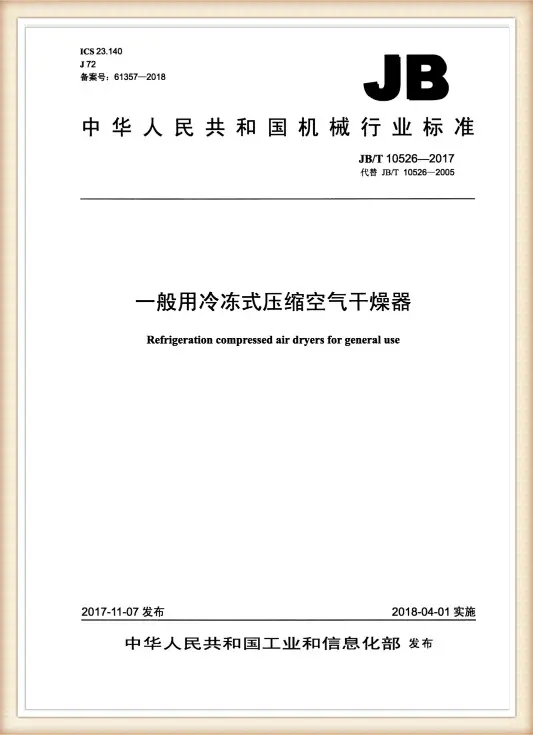
Active regulator shaping refrigeration compressed air dryers specifications and efficiency margins.
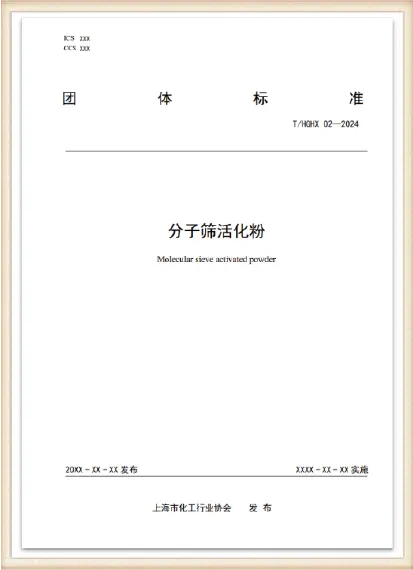
Participating unit defining carbon emissions and sustainability protocols in industrial dryers.
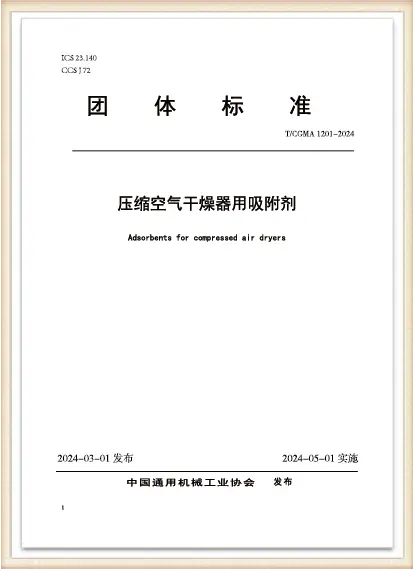
Chemical association standard guiding advanced testing metrics for structural desiccants.
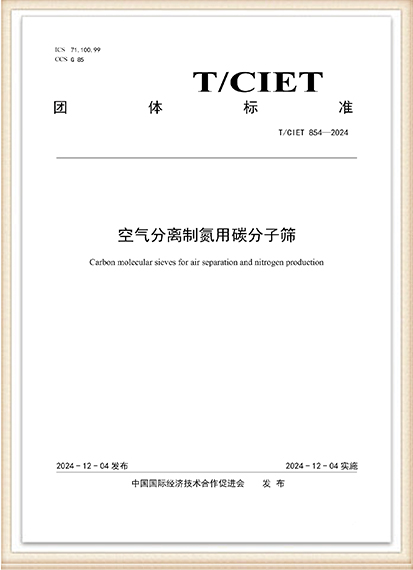
Establishing standardized operational metrics for the chemical production export supply chain.
Providing friction-free logistics and compliance pathways for international sourcing teams across 80+ nations.
We operate optimized customs pipelines tailored for major shipping corridors in North America, the European Union, Southeast Asia, and the Middle East. By pre-packaging all products in high-density moisture-barrier bulk sacks, steel drums, or super sacks, we ensure our activated alumina reaches its destination with zero moisture pre-adsorption. Every shipment is accompanied by complete batch chemical composition reports, safety data sheets (SDS), and custom declarations matching localized requirements.
Our raw material feeds undergo severe tracking protocols to satisfy global chemical compliance mandates. We maintain fully compliant registration profiles with REACH regulations within the EU, alongside adhering strictly to RoHS indicators and global environmental frameworks. When sourcing from JOOZEO, corporate buyers can bypass validation bottlenecks, confident in our fully audited documentation pipelines.
Addressing core engineering questions regarding optimal performance, fluid dynamics, and maintenance of chemical adsorption beds.
Complete your procurement requirement with our specialized sodium silicates, silica gel composites, and high-selectivity zeolites.
Whether you need a custom pore size configuration, large-volume export pricing, or integration assistance with municipal water standards, our engineers will respond within 24 hours.
Send Engineering Request