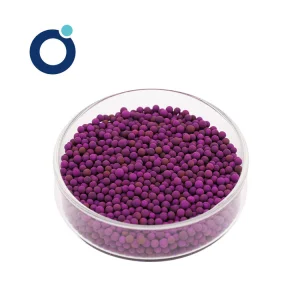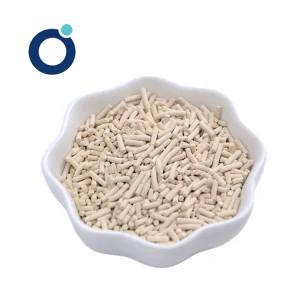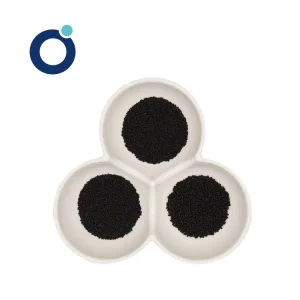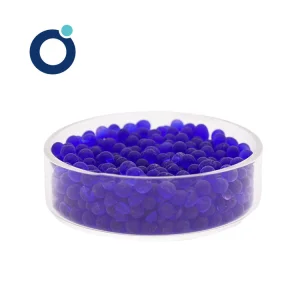
Premium range of high-efficiency catalyst systems, molecular sieves, and activated alumina grades certified for complex processing environments.
Shanghai Jiuzhou Chemicals Co., Ltd. (JOOZEO) is strategically located in Shanghai, the largest economic development and manufacturing hub in China. Driven by our core values of "Quality Control & Innovation," we are committed to the research, development, and high-precision manufacturing of innovative industrial adsorbents and chemical compounds.
Our expansive global footprint spans a 25,000 square meter state-of-the-art production complex, serving critical industrial facilities in over 80 countries. By integrating modern automated workshops with a dedicated central dynamic testing laboratory, we ensure every batch exceeds rigorous international criteria.
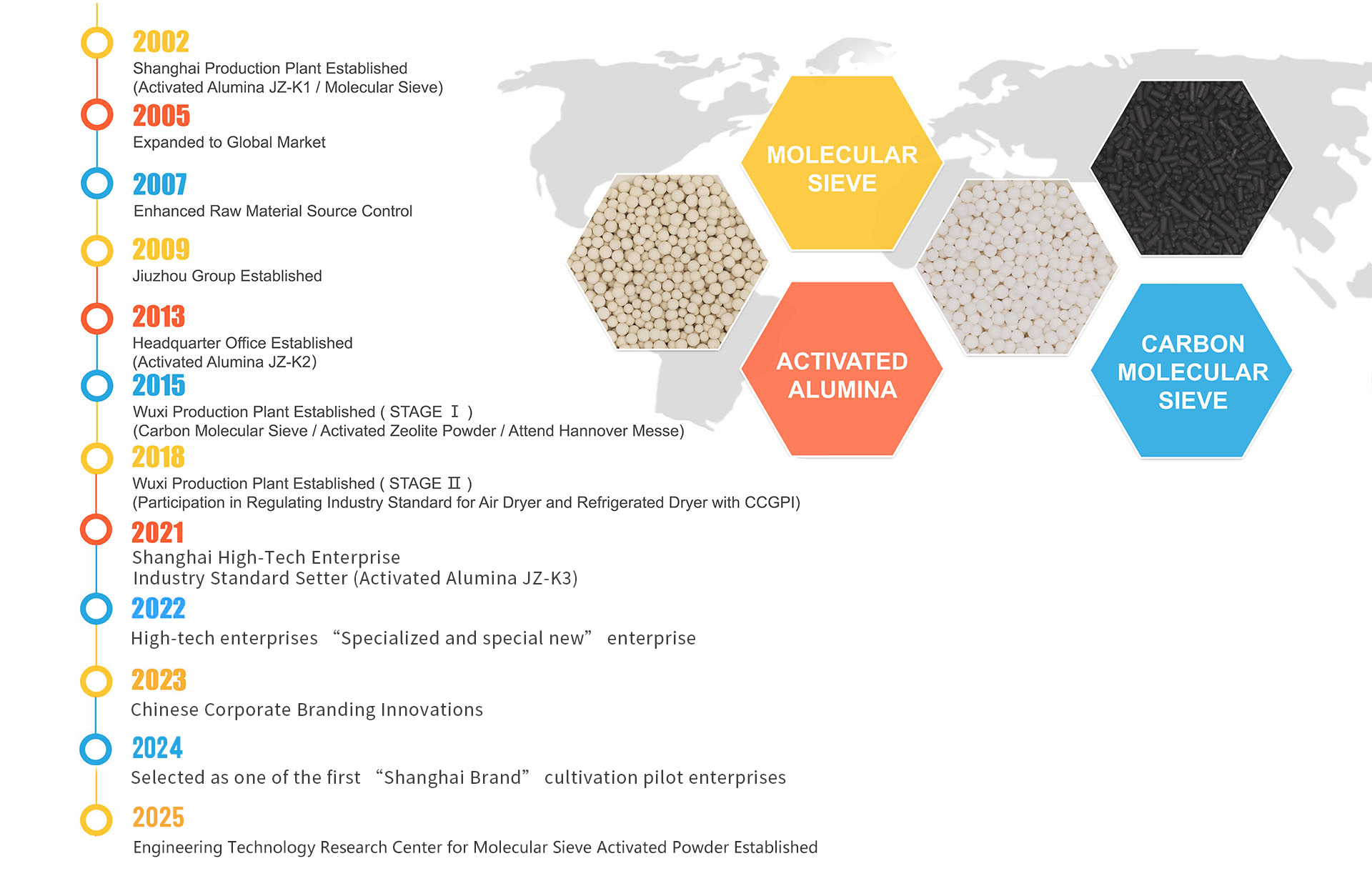
A comprehensive overview of global consumption, manufacturing techniques, and supply chain dynamics.
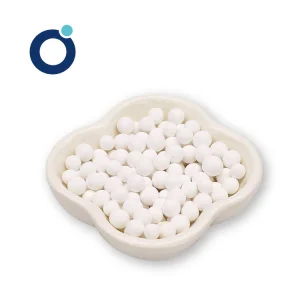
Activated Alumina (Active Aluminium Oxide) is a highly porous form of aluminum oxide ($Al_2O_3$) featuring an extremely high surface-area-to-weight ratio. Engineered via thermal dehydroxylation of aluminum hydroxides, its structure is packed with microscopic pores and tunnels that provide excellent adsorption capacity for liquids and gases. Industrially, it serves as a baseline solution in petrochemical refining, air separation units (ASUs), catalyst support, and municipal water purification.
In the global market, Activated Alumina plays a critical role in clean energy and environmental protection. High-purity grades are key in removing trace impurities like fluorides, arsenic, and sulfur from complex chemical streams. Rapid industrialization in Southeast Asia, combined with strict environmental policies in North America and the EU, has led to a significant increase in demand for premium desiccants and catalysts. Plant managers now prioritize long-term chemical durability, low attrition rates, and high regeneration cycles to lower operational costs and meet sustainability targets.
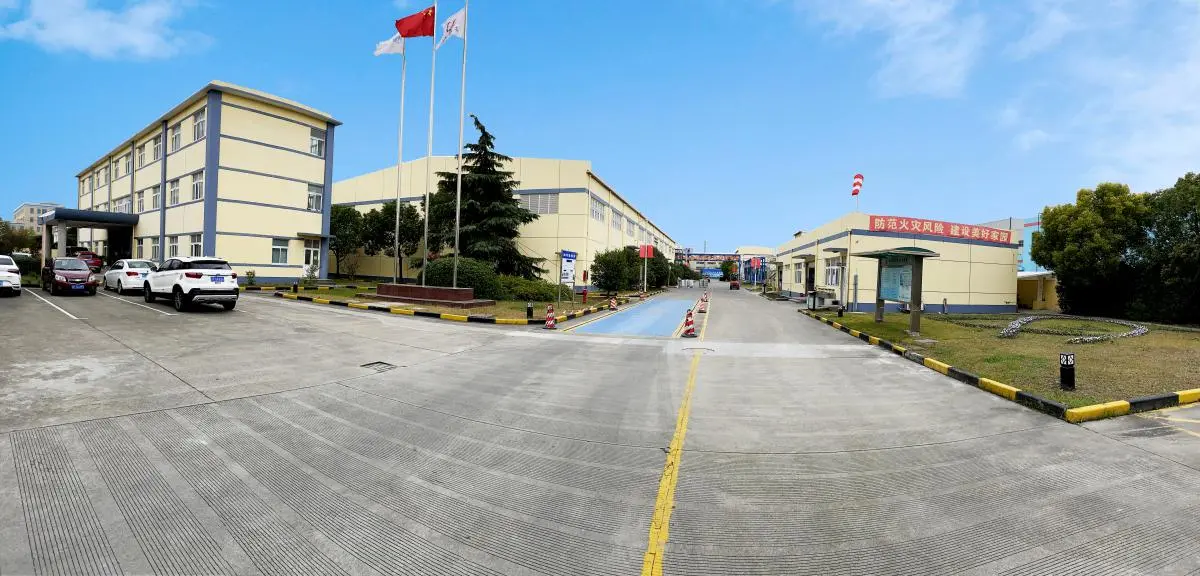
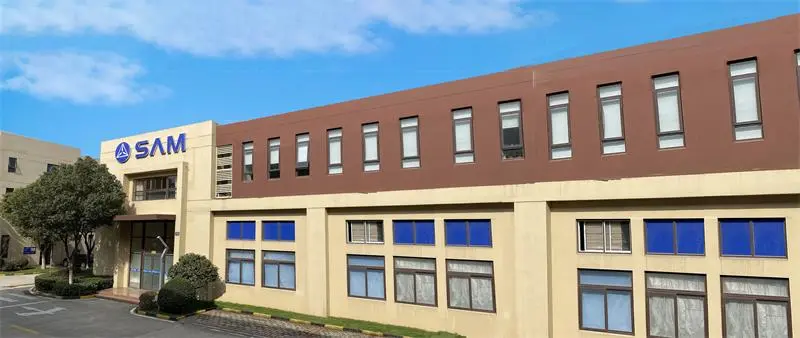
As the global manufacturing center for industrial desiccants, China has built an efficient, integrated supply chain. Our facilities, located in Shanghai and Wuxi, demonstrate this competitive advantage through several key factors:
By sourcing raw materials close to our processing facilities, we minimize transport costs and maintain a stable supply of high-purity pseudoboehmite and gibbsite precursor clays.
We use automated rotary calcination kilns that precisely control heating profiles. This produces a consistent crystal phase transformation, yielding uniform pore sizes and excellent crush strength.
Our dynamic laboratories simulate real-world column operating conditions. This enables us to formulate customized products that optimize adsorption kinetics for different flow rates and pressures.
JOOZEO actively shapes chemical manufacturing standards in China, ensuring reliable product performance.
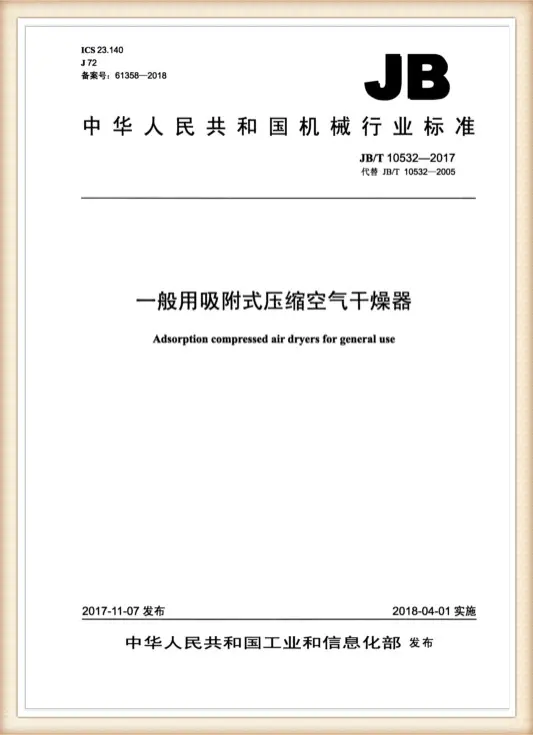
Adsorption compressed air dryers for general use.
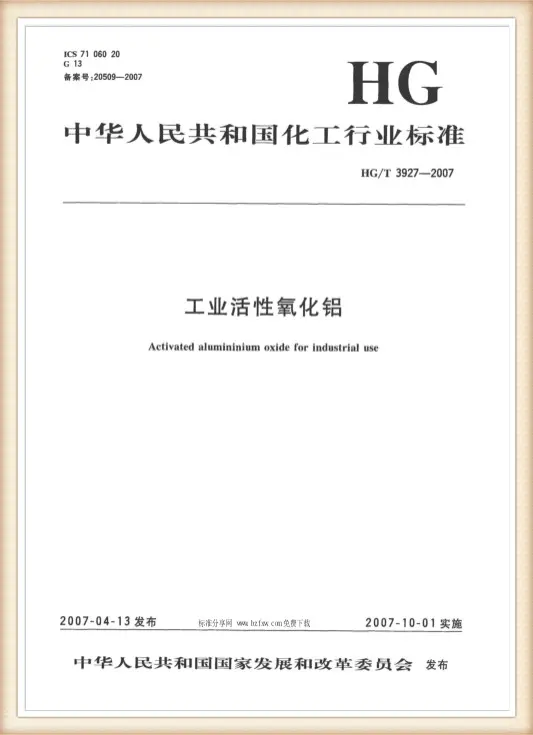
Activated aluminum oxide for industrial use.
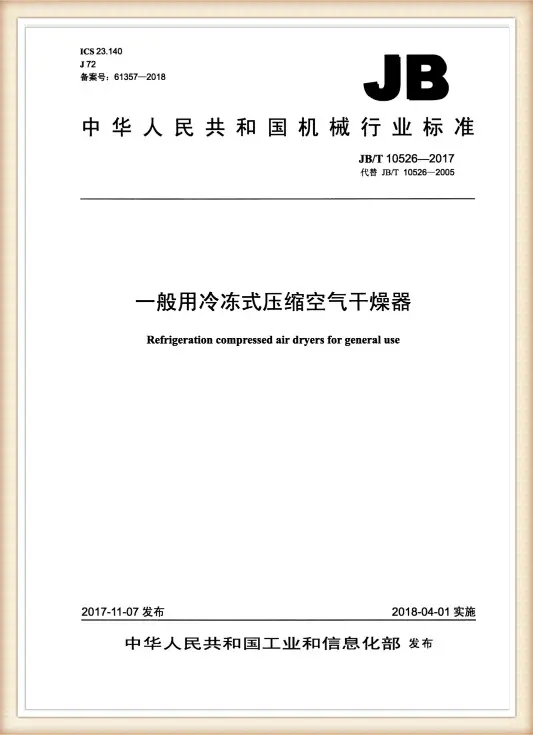
Refrigeration compressed air dryers for general use.
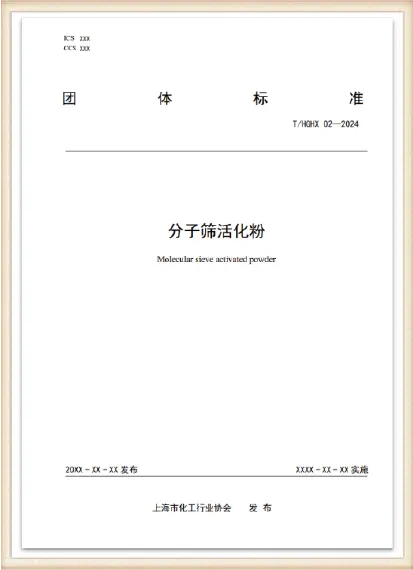
Advanced standard framework for compressed gas filtration.
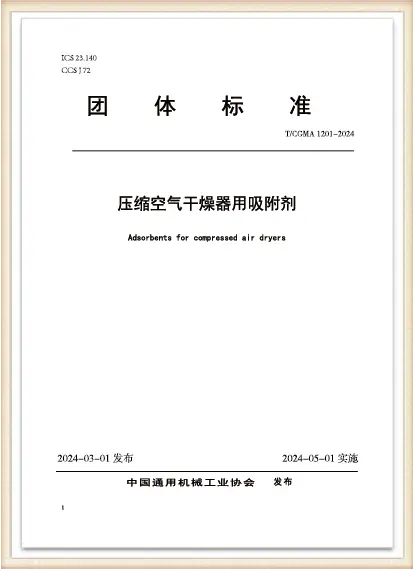
Industrial chemical product emission & environmental safety specs.
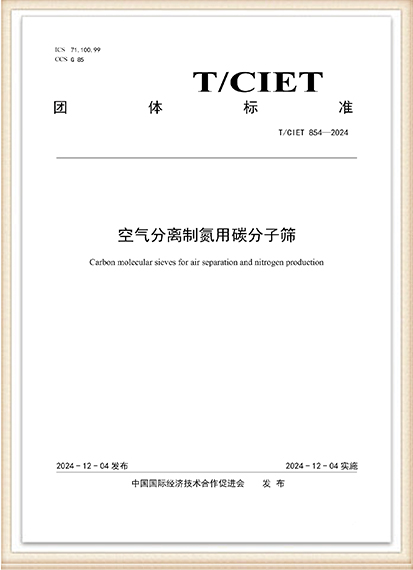
Green manufacturing protocols for synthetic molecular sieves.
How Activated Alumina operates across key industries to meet demanding requirements.
Adsorption-based compressed air dryers require desiccants that resist moisture saturation and high crushing pressures. Activated Alumina prevents condensation in pneumatic controls down to dew points of -40°C to -70°C.
During ethylene and propylene production, our specialized alumina adsorption beds selectively capture acidic pollutants, carbon dioxide ($CO_2$), and organic halides. This process protects downstream noble metal catalysts from poisoning.
In regions with high natural fluoride levels, activated alumina filters serve as an effective remediation method. The high surface area allows for selective ion exchange, lowering fluoride levels below WHO drinking water limits.
Global procurement teams can refer to the typical values below when sourcing premium activated alumina beads:
| Property Indicator | JZ-K2 Industrial Grade | Test Standard Reference | Key User Significance |
|---|---|---|---|
| Al2O3 Content (%) | ≥ 93.5% | HG/T 3927-2007 | Ensures chemical stability and helps prevent unwanted side-reactions. |
| Surface Area (m²/g) | 300 - 360 | BET N2 Adsorption Method | Directly influences adsorption capacity and kinetics. |
| Pore Volume (ml/g) | 0.40 - 0.48 | Mercury Intrusion Method | Determines capillary capacity for water molecules. |
| Crush Strength (N/particle) | ≥ 140 (for 3-5mm beads) | ASTM D4179 | Prevents bead breakdown and pressure drops in tall columns. |
| Bulk Density (g/ml) | 0.68 - 0.76 | ASTM D4164 | Helps determine vessel sizing and total material weight requirements. |
| Loss on Ignition (LOI, %) | ≤ 5.0% | Gravimetric Method at 1000°C | Ensures high initial activity, reducing the need for pre-activation. |
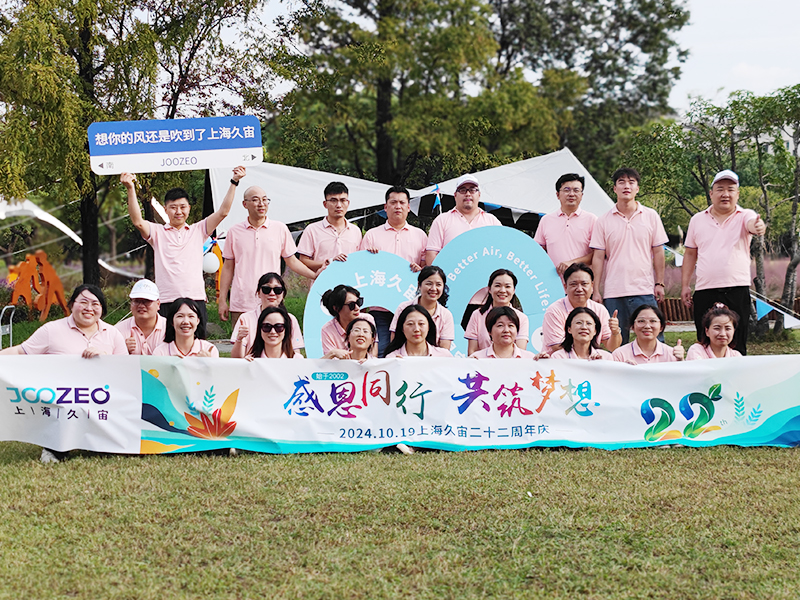
Environmental responsibility is integrated directly into our production processes. We employ advanced dust collection systems and thermal recycling techniques to minimize emissions during manufacturing. Our automated packing lines reduce operator contact with dust, ensuring a clean and safe working environment.
Our commitment extends beyond regulatory compliance. By developing durable, wear-resistant adsorbents, we help our partners reduce material waste and optimize energy use, contributing to more sustainable operations.
How next-generation chemical engineering is shaping the development of active catalysts and desiccants.
The industry is moving toward hybrid adsorbent technologies. Combining activated alumina with molecular sieves or silica gels allows systems to capture a wider range of impurities from gas streams. At the same time, there is a strong focus on low-temperature regeneration. Standard thermal reactivation cycles consume significant energy. Developing modified alumina formulations that release adsorbed water at lower temperatures is a major area of research for modern chemical manufacturers.
Additionally, the transition to hydrogen energy requires specialized purification solutions. Modern hydrogen purification systems rely on activated alumina beds to remove trace water and organic compounds, ensuring the output gas meets fuel cell purity standards. JOOZEO remains at the forefront of these developments, continuously optimizing our product lines to support sustainable energy initiatives.
Expert insights on product specifications, application requirements, and logistics.
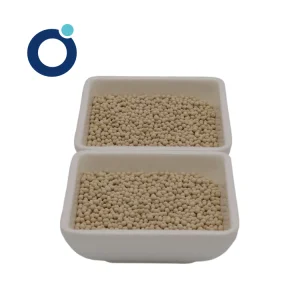
Activated alumina is an amorphous, transition-phase aluminum oxide with a broad range of pore sizes, making it ideal for bulk water removal and high-capacity adsorption. Molecular sieves feature a crystalline structure with precise pore sizes, designed for selective adsorption of specific molecules (such as $H_2O$, $CO_2$, or $H_2S$) based on molecular size.
We monitor quality metrics at every stage of production, including raw material selection, calcination temperature profile, and sintering time. Our final products are tested according to ASTM standards to ensure they meet the mechanical strength required for industrial desiccant columns.
Thermal regeneration typically requires heating the material to 150°C - 250°C. Dry purge gas is passed through the bed to carry away released moisture. The exact regeneration profile depends on the system's operating pressure and flow rates.
Yes. We can adjust our production parameters to manufacture custom bead diameters (e.g., 1-2mm, 2-4mm, 5-8mm, or specific mesh fractions) to match the fluid dynamics of your reactors.
Stored in its original, sealed packing in a dry warehouse, our activated alumina can be kept for up to 3 years without losing its activity. Once opened, it should be resealed promptly to prevent moisture absorption.
High-efficiency gas separation and purification agents designed for demanding industrial environments.
Our engineering team can help you select the optimal product grade for your operating parameters. We respond within 24 hours.
Send Product Request