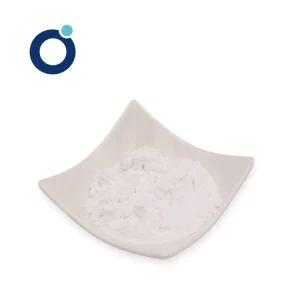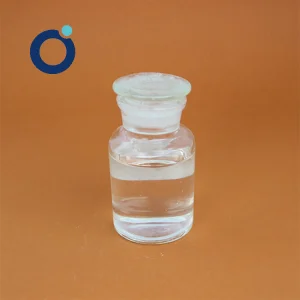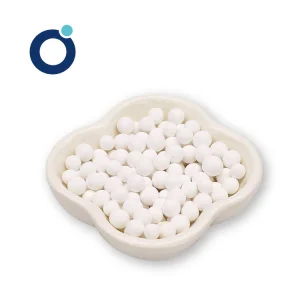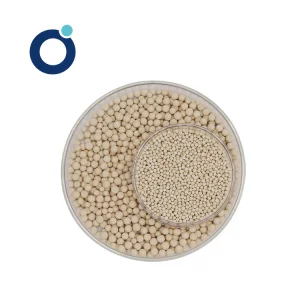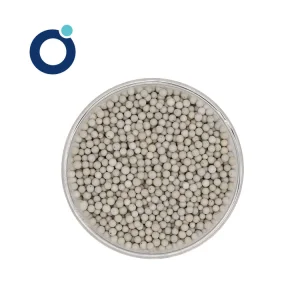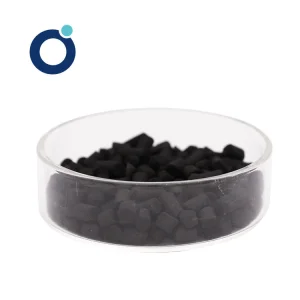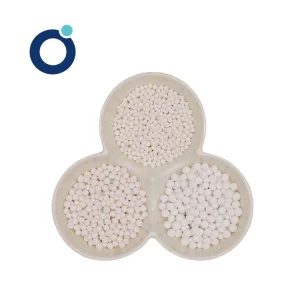
Explore our premium grade chemical formulations and structural support catalog, engineered to support extreme operational metrics across heavy process industries.
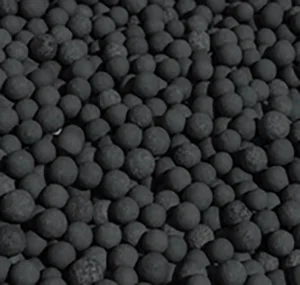
Alumina ceramic balls are foundational assets across global energy, manufacturing, and heavy process industries. Functioning either as inert catalyst bed support media or high-density wear-resistant grinding elements, these structures exhibit exceptional chemical stability, high density, and extreme thermal resilience.
In global refining, petrochemical processing, and air separation units (ASUs), the mechanical integrity of catalyst beds determines plant run-time and yield margins. As refinery beds operate under increasingly severe high-pressure, hydro-processing conditions, there is a strict requirement for support media that does not scale, vitrify, or trigger side reactions. Inert alumina balls, consisting of alpha-alumina with ultra-low silica content, prevent silica leaching in high-temperature steam environments, protecting downstream catalyst matrices from poisoning.
From a commercial perspective, the market is undergoing a transition driven by capacity expansions in the Middle East and APAC regions, alongside modernization demands in North American and European petrochemical facilities. The shift toward higher purity (99% Al₂O₃) solutions is no longer limited to niche chemical operations; it has become standard for high-severity gas-to-liquid (GTL) plants, ammonia converters, and ethylene cracking processes.
Industrial plants prioritize long-term chemical durability. In highly acidic or alkaline reactors, standard silica-based support ceramics degrade, leading to pressure drop spikes and unscheduled shutdowns. By sourcing high-purity alumina ceramic balls, operators ensure:
Engineered to withstand extreme pressures and prevent dynamic erosion within heavy-duty chemical reactor vessels.
| Al₂O₃ Content (%) | SiO₂ Content (%) | Bulk Density (g/cm³) | Water Absorption (%) | Max Operating Temp (°C) | Acid Resistance (%) | Crushing Strength (Ø20mm, min) |
|---|---|---|---|---|---|---|
| 99% Pure Inert | < 0.2% | ≥ 3.60 | < 0.1 | 1650 | ≥ 99.5 | ≥ 22 KN |
| 95% Support Grade | < 2.5% | ≥ 3.40 | < 0.5 | 1450 | ≥ 99.0 | ≥ 18 KN |
| 92% Medium-High | < 4.0% | ≥ 3.20 | < 1.0 | 1350 | ≥ 98.5 | ≥ 15 KN |
| 90% Standard | < 5.0% | ≥ 3.10 | < 1.5 | 1300 | ≥ 98.0 | ≥ 12 KN |
*Note: Custom specifications including target porosities, split sizing, and specific trace element limits can be adjusted by our laboratory staff according to operational parameters.
Providing specialized ceramic media setups to optimize flow dynamics and prevent catalyst migration across key industrial processing environments.
Used as catalyst bed support media in hydrotreaters, reformers, and desulfurizers. They prevent pressure drops, support heavy catalytic beds, and withstand harsh operating temperatures without degrading.
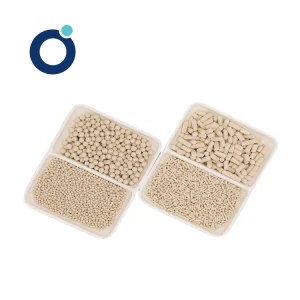
Installed at the bottom of adsorption towers, drier units, and molecular sieve gas dehydration systems. Ensures stable gas distribution and protects micro-porous molecular sieves from gas velocity erosion.
Engineered for ball mills used in grinding glaze materials, ceramic bodies, minerals, and electronic compounds. Offers high density, minimizes wear loss, and prevents material contamination.
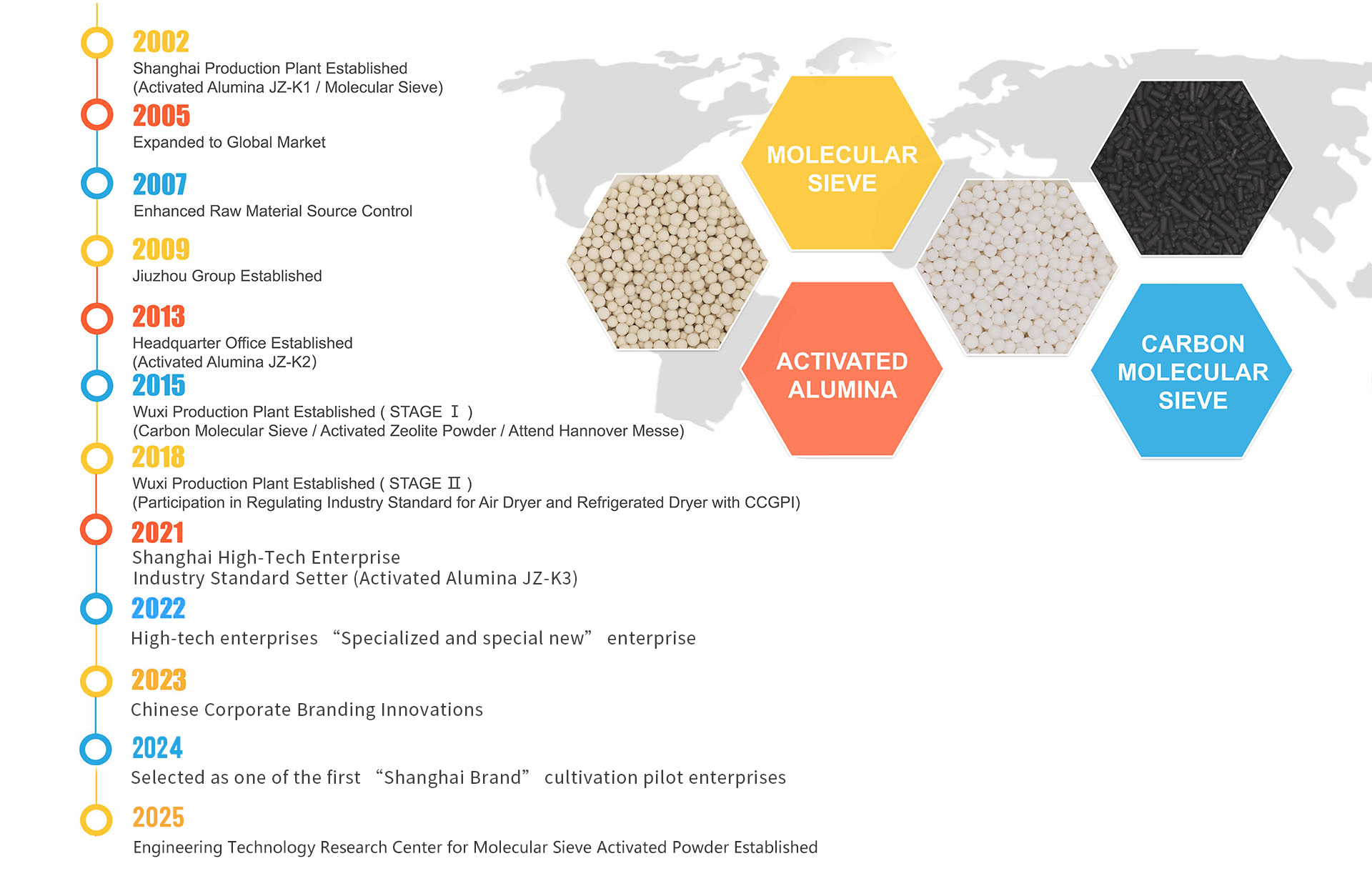
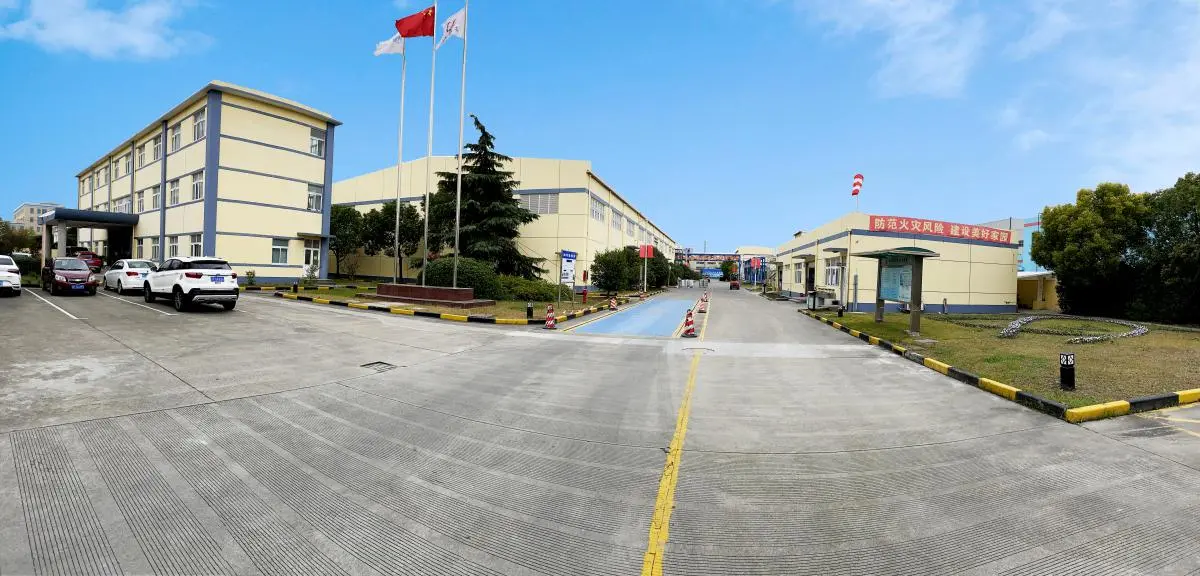
Shanghai Jiuzhou Chemicals Co., Ltd. is located in Shanghai, the largest economic development hub in China. Over the years, Jiuzhou has adhered to the principles of "Quality Control & Innovation", committing to the research, development, and manufacturing of high-quality, innovative chemical and mineral products.
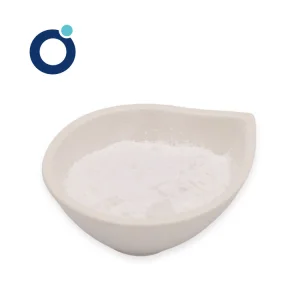
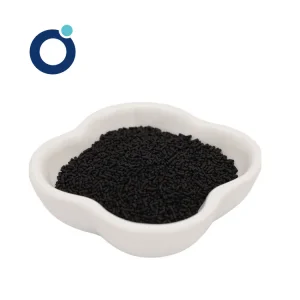
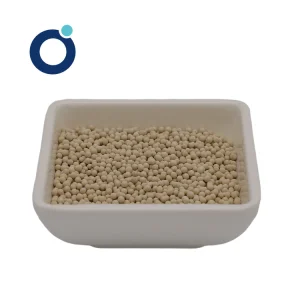
Our core product portfolio includes premium molecular sieve powders, molecular sieves, activated powder, activated alumina, aluminum oxide catalysts, and various types of alumina packing and ceramic balls, along with sodium silicates, aluminum hydroxide, zeolite 4A, sodium carbonates, and SLES. All of our products comply with the ISO 9001:2008 quality management system certification, alongside international certifications from TUV and SGS.
Our technical capabilities and industry reputation position us as a leader in the fields of desiccants, catalytic support systems, and process packings. Supported by automated multi-functional production lines and a central analytical laboratory, we deliver customizable, energy-efficient adsorption and bed-support solutions to partners globally.
Our advanced automated manufacturing lines implement real-time particle tracking, high-temperature hydraulic tunnel kiln sintering, and mechanical compression testing.
Focuses on high-purity inert alumina chemical packings and molecular sieve compounding.
Specializes in heavy-duty grinding media and large-scale industrial mineral drying agents.

Environmental sustainability is central to our manufacturing operations. We invest in carbon-capture exhaust systems and closed-loop water filtration to minimize the environmental footprint of our sintering processes.
From initial raw material sourcing to packaging and delivery, we prioritize eco-friendly transport configurations and energy-efficient thermal processing lines.
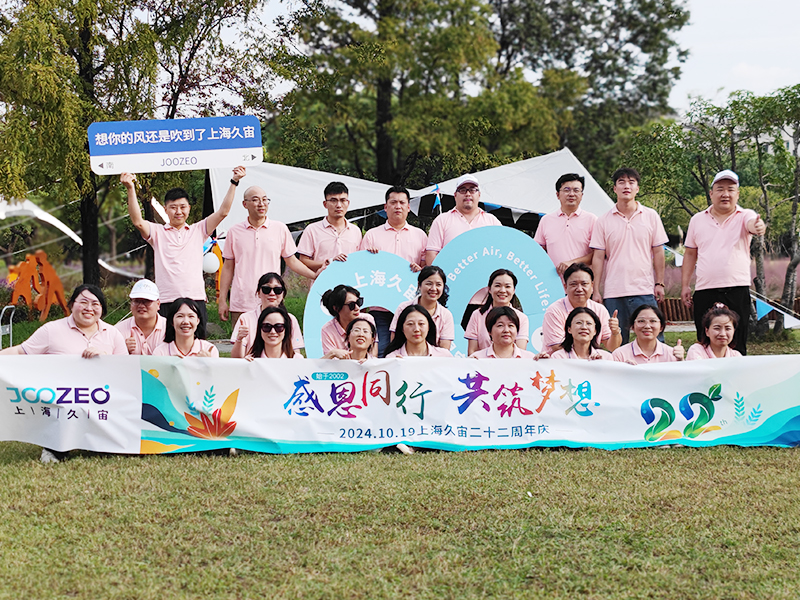
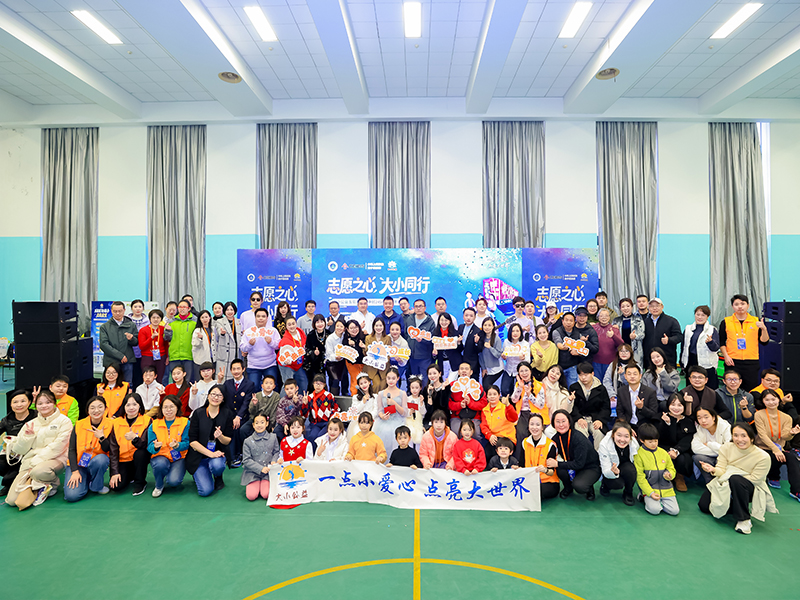
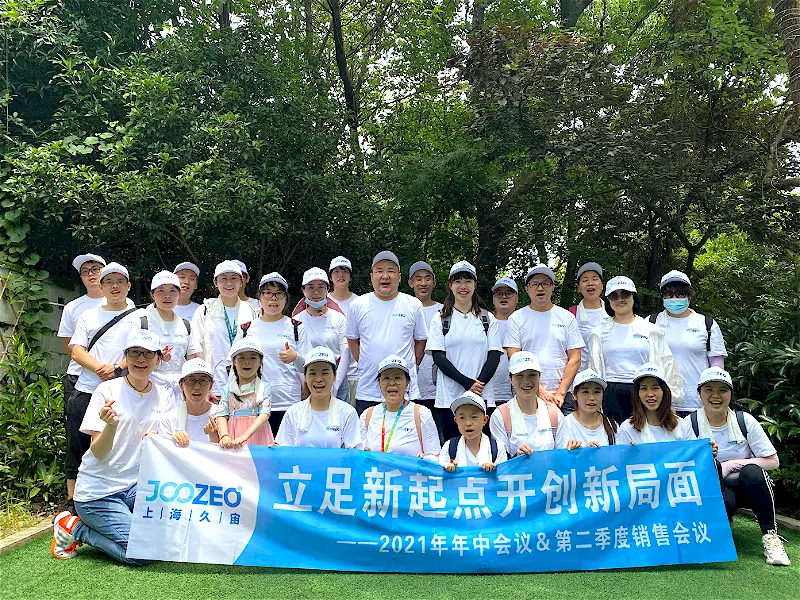
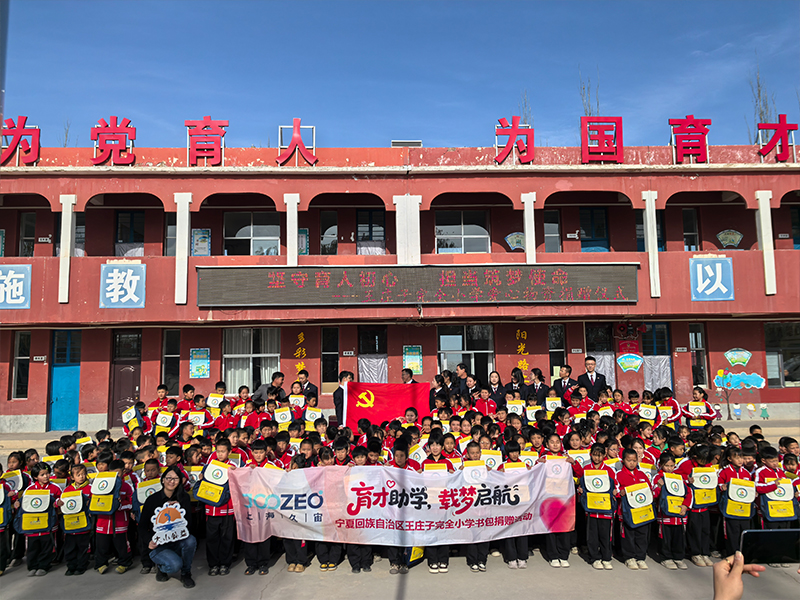
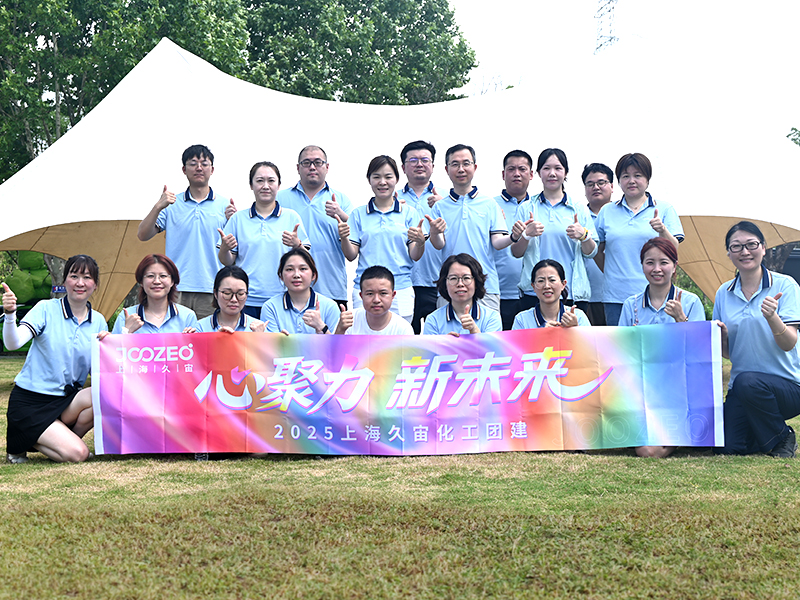
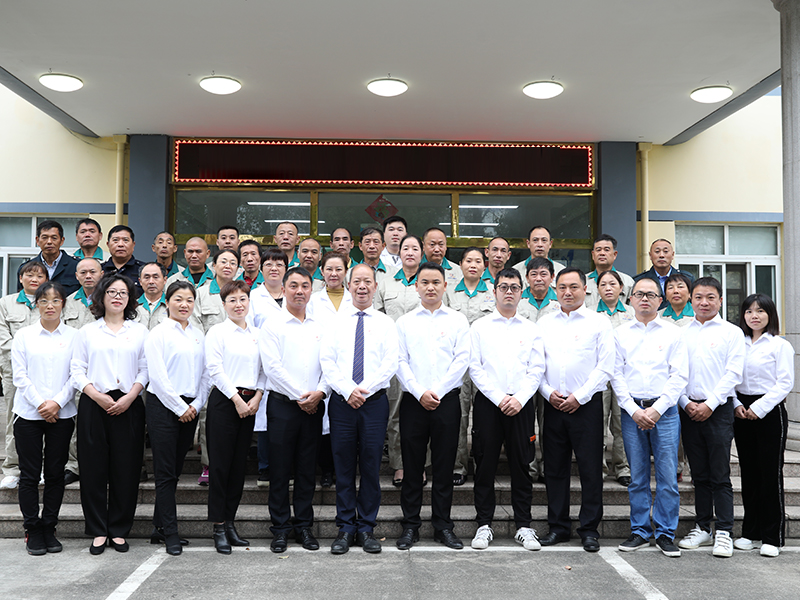
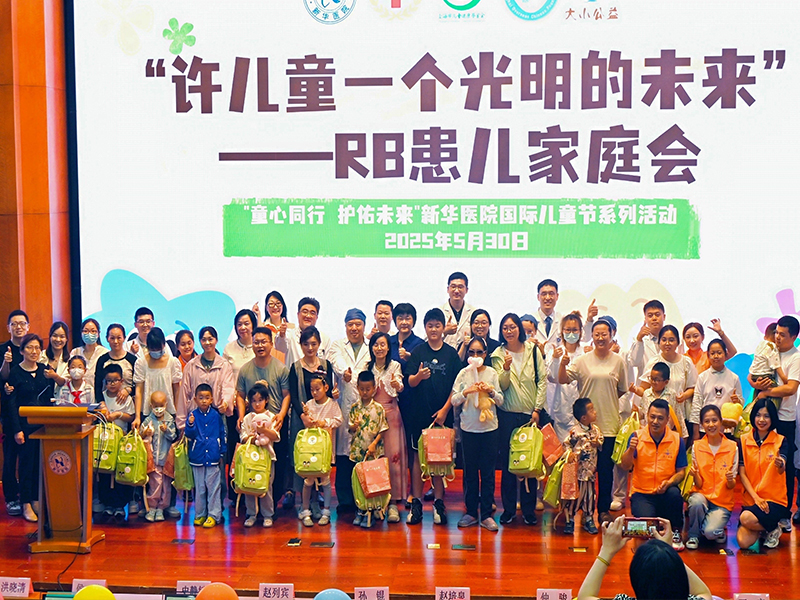
Jiuzhou is actively involved in drafting and implementing national and industry quality regulations for chemical desiccants and adsorbent products.
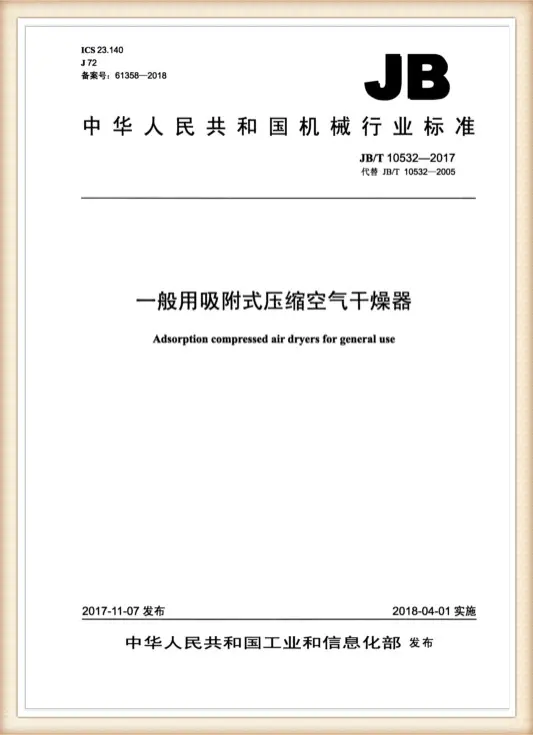
JB / T 10532-2017
Air Dryers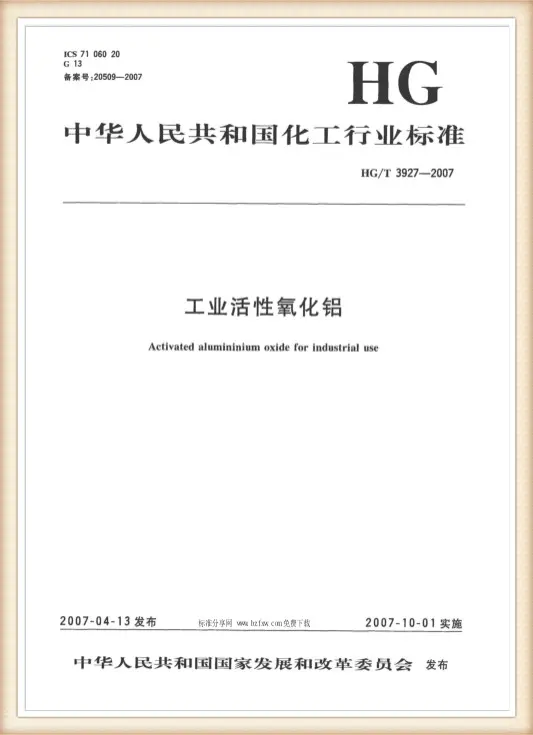
HG / T 3927-2007
Activated Alumina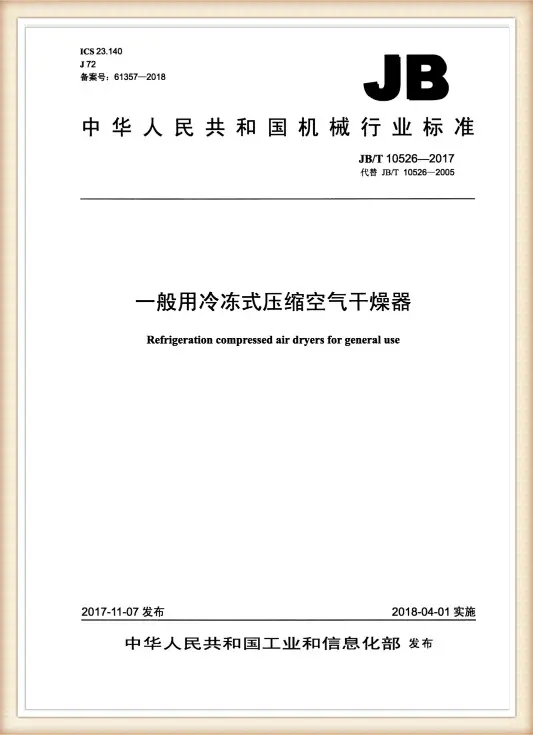
JB / T 10526-2017
Refrigeration Dryers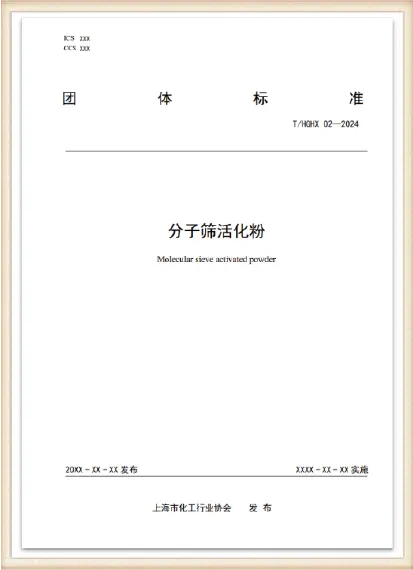
T/CGMA1201-2024
Group Standard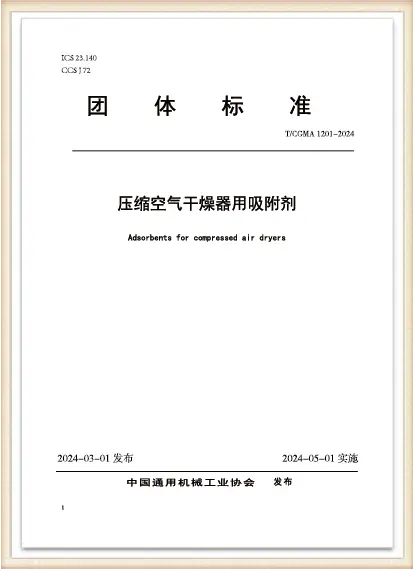
T/HGHX 02—2024
Chemical Standard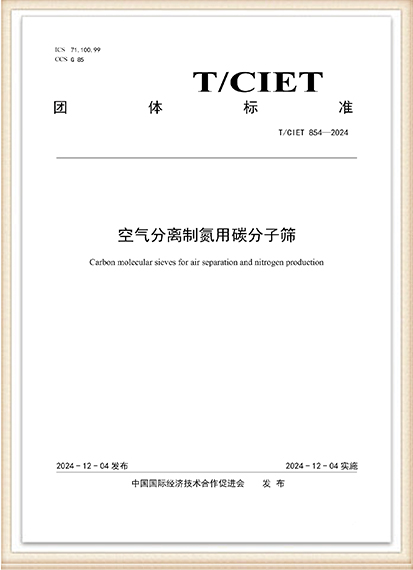
T/CIET 854-2024
Evaluation StandardAs catalytic and materials technologies advance, we continuously adapt our research and development programs. Over the next five years, our engineering focus centers on three key strategic priorities:
We prioritize targeted quality controls to address common refinery issues, such as dynamic catalyst shift and fluid bypass:
Common technical and procurement inquiries resolved by our team of material scientists and chemical engineers.
Our engineering team can adjust crushing strengths, purity levels, and sizing configurations to match your operational requirements. We respond to inquiries within 24 hours.
Send Request / Inquire NowExplore our complete industrial product catalog, engineered to support extreme operational metrics across heavy process industries.