
Explore our top-performing industrial desiccants, catalysts, and carbon-based molecular media engineered for maximum moisture recovery and gas purification.
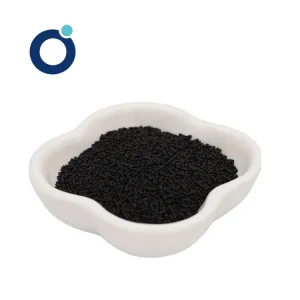
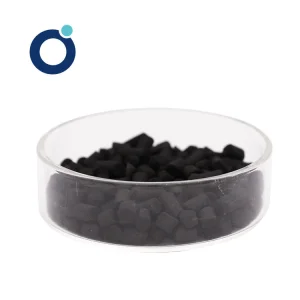
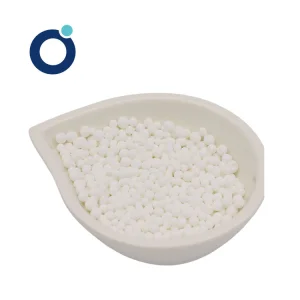
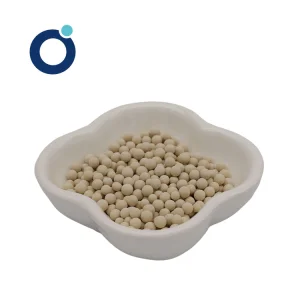
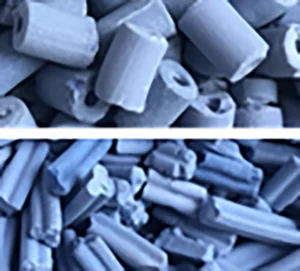
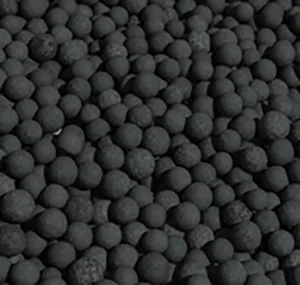
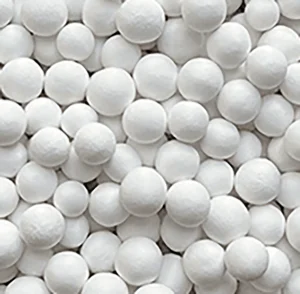
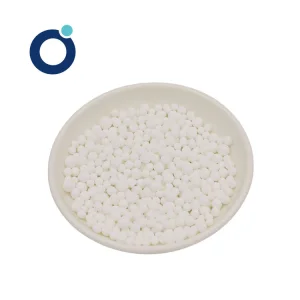
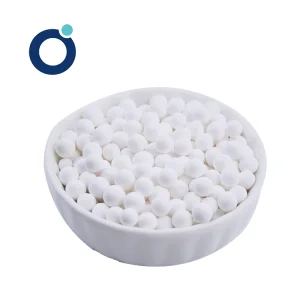
In modern heavy industries, moisture control is not merely a operational detail; it is a critical constraint. Water contamination in process pipelines, hydrocarbon gases, and instrumentation systems leads to severe structural failures, catalyst poisoning, and corrosion. Desiccant Activated Alumina (a transition-state aluminum oxide with the chemical formula $\mathrm{Al_2O_3 \cdot nH_2O}$) stands as a key solution. It is a highly porous, spherically shaped material engineered specifically for physical adsorption of moisture and polar organic compounds.
Unlike static chemical desiccants, activated alumina is highly stable at high temperatures, mechanically resilient against physical crushing, and chemically inert to most liquids and gases. This has positioned it as the default choice for industries demanding continuous operational runtimes: petrochemical refining, gas processing plants, air separation facilities, and compressed air drying systems. From a thermodynamic perspective, the material’s high specific surface area—frequently exceeding 300 square meters per gram—features a complex capillary structure. This capillary network exerts a strong electrostatic pull on water molecules, making it ideal for deep dehydration applications, yielding pressure dew points down to $\mathrm{-40^\circ C}$ or even $\mathrm{-70^\circ C}$.
The global push for decarbonization and hydrogen fuel cell development requires extremely dry, highly pure gas streams. Because water acts as a catalyst poison in steam reforming, fuel cells, and polymer production, the integration of advanced desiccant beds is critical to global energy transitions.
Our engineered Desiccant Activated Alumina is optimized to handle a wide range of moisture control and gas purification applications globally.
Widely deployed in Pressure Swing Adsorption (PSA) and Temperature Swing Adsorption (TSA) dryer plants. It ensures instrument air lines remain free of moisture and condensation, preventing pneumatic failures and valve freezing in extreme sub-zero localized environments.
Used to dry feedstocks such as ethylene, propylene, and natural gas. Preventing moisture prevents ice and hydrate formation in cryogenic fractionation columns, preventing costly plant shutdowns.
Exhibiting high affinity for fluoride, arsenic, and selenium ions, our activated alumina is applied globally in municipal and localized industrial wastewater treatment systems to ensure compliance with strict environmental standards.
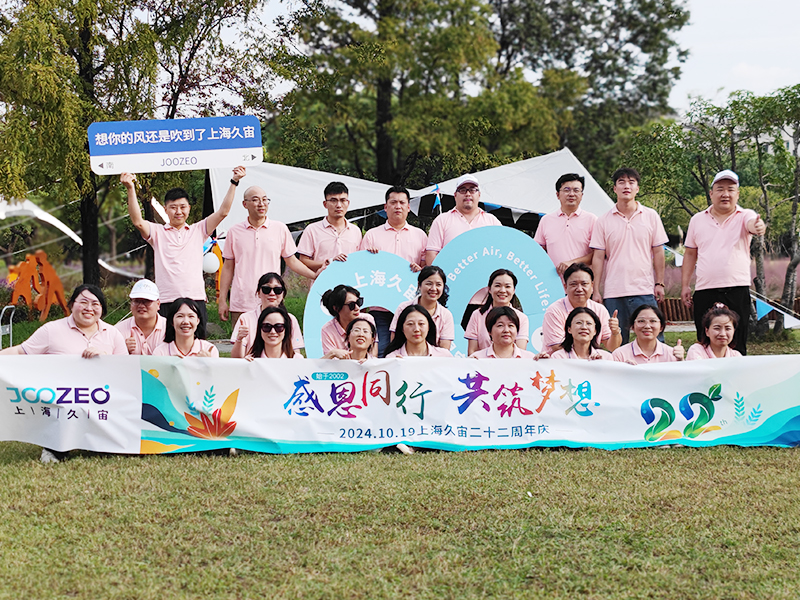
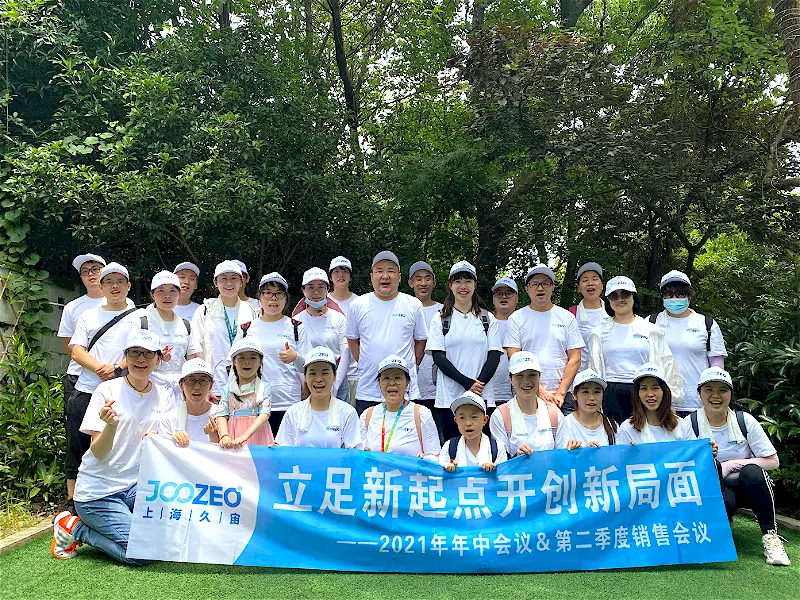
Established in 1994, Shanghai Jiuzhou Chemicals Co., Ltd. (commonly known in global markets by our brand JOOZEO) has committed itself to the development, manufacturing, and distribution of chemical adsorbents. Strategically headquartered in Shanghai, the largest economic development city in China, Jiuzhou operates dual-core manufacturing nodes: the Shanghai Factory and the Wuxi Factory. Over three decades of growth, we have adhered strictly to the principles of "Quality Control 100%" and "Innovation 100%."
Our infrastructure spans over 25,000 square meters of state-of-the-art automated chemical production facilities. Here, we run world-class production processes to manufacture activated alumina, molecular sieves, carbon molecular sieves, activated carbon, and specialized silica gels. Our facilities are backed by an ISO9001:2008 Quality Management System, alongside globally recognized TUV and SGS certifications.
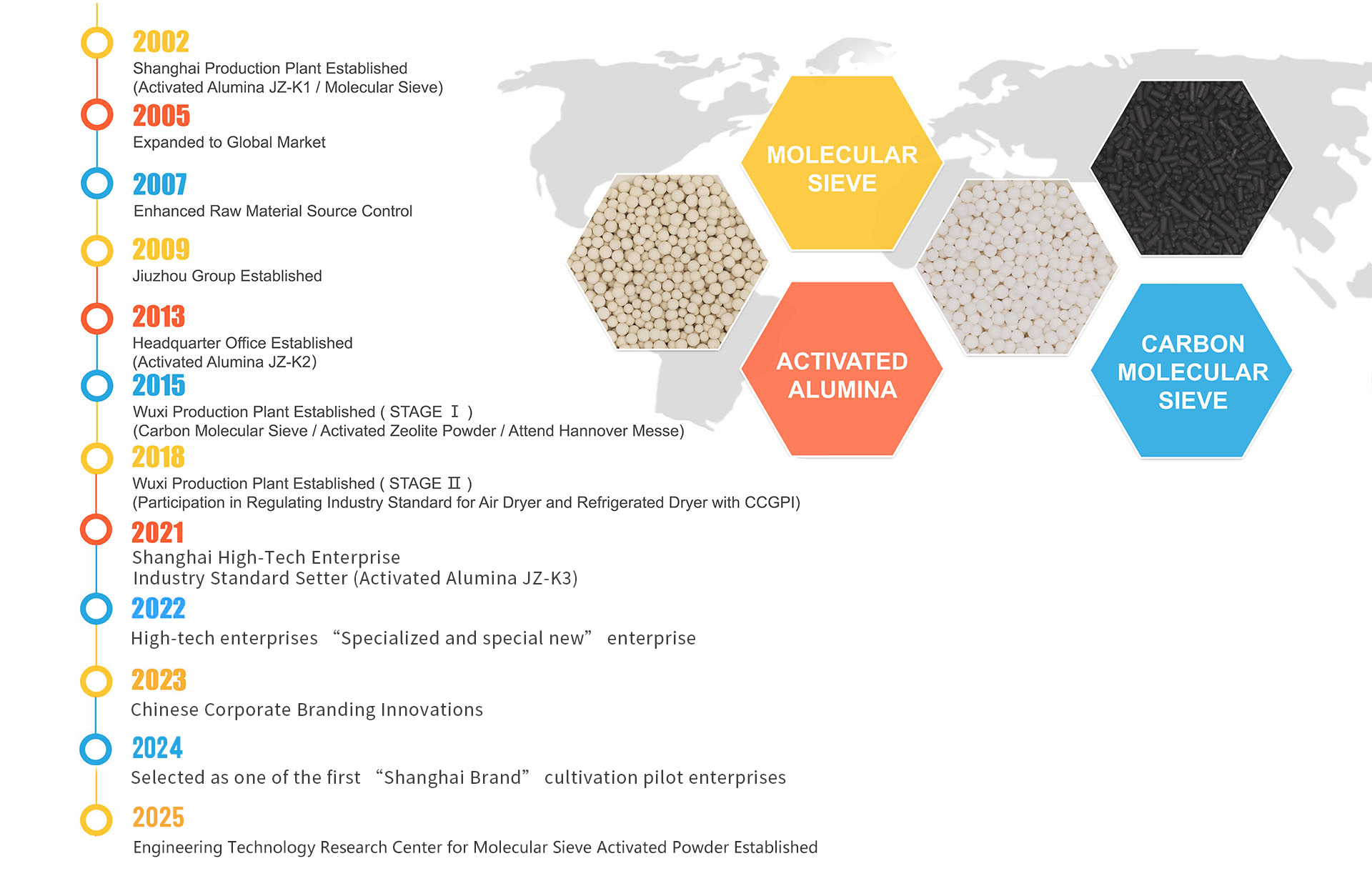
Operating dual strategic factories in East China enables unmatched production scale, logistics coordination, and supply chain resilience.
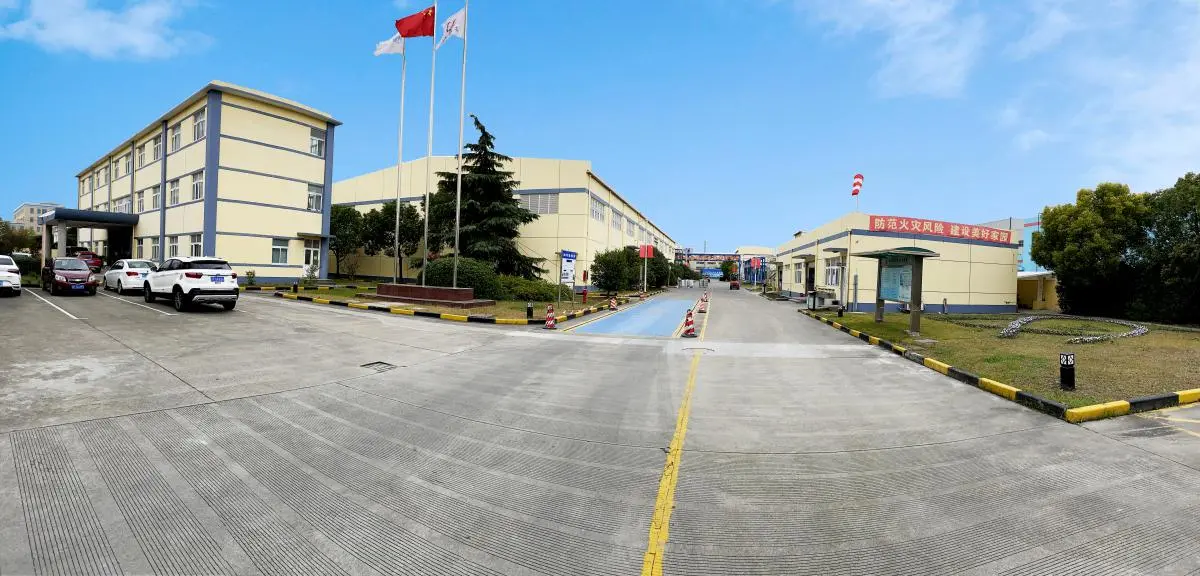
Our Shanghai plant serves as our primary engineering, testing, and shipping node. Positioned near one of the busiest maritime ports in the world, this facility specializes in high-precision finishing, dynamic testing, and rapid export packaging.
By consolidating logistics in Shanghai, we dramatically cut down inland transport times, allowing us to respond quickly to urgent desiccant replacement needs globally. Direct access to raw materials and chemical shipping lanes also shields our supply chain from local logistical disruptions.
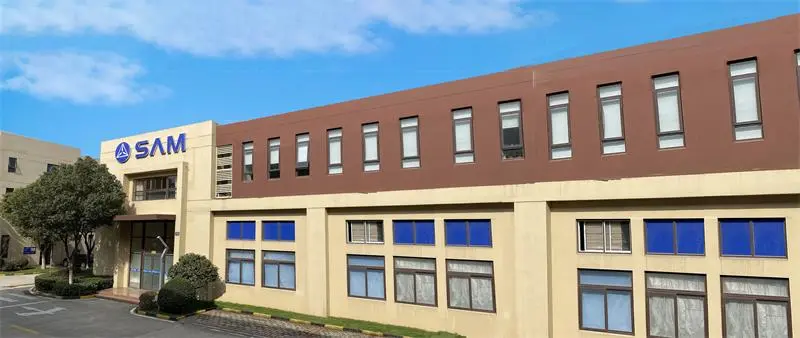
Located in Wuxi, our industrial chemical production hub handles large-scale raw material processing, calcination, and pelletization. Equipped with advanced automated rotary kilns and sizing towers, this facility processes thousands of tons of activated alumina annually.
Our Wuxi operations benefit from local raw material sourcing, lowering overall production costs. This enables us to maintain highly competitive pricing on bulk shipments without compromising on product quality.
At JOOZEO, we don't just follow industry standards—we help write them. We actively participate in drafting national and industrial guidelines in China.
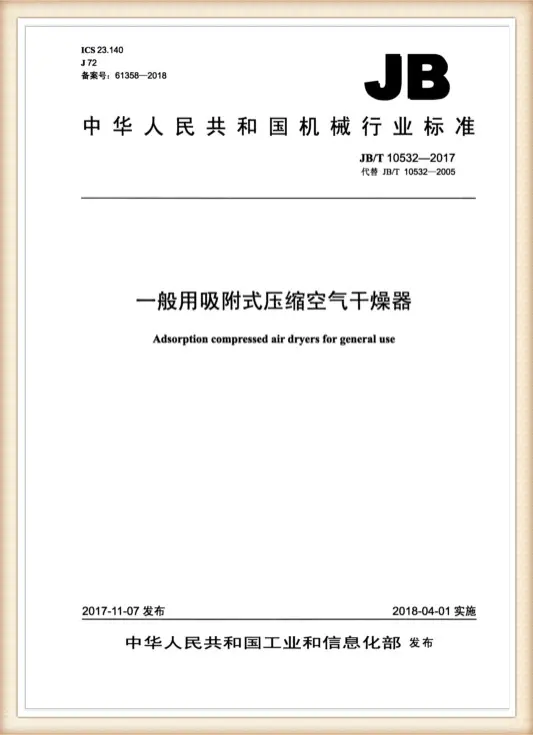
Adsorption compressed air dryers for general use.
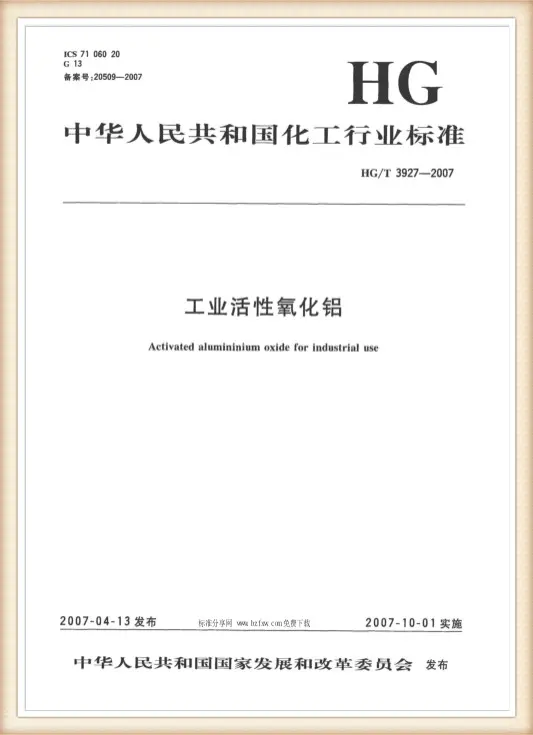
Activated aluminum oxide for industrial use.
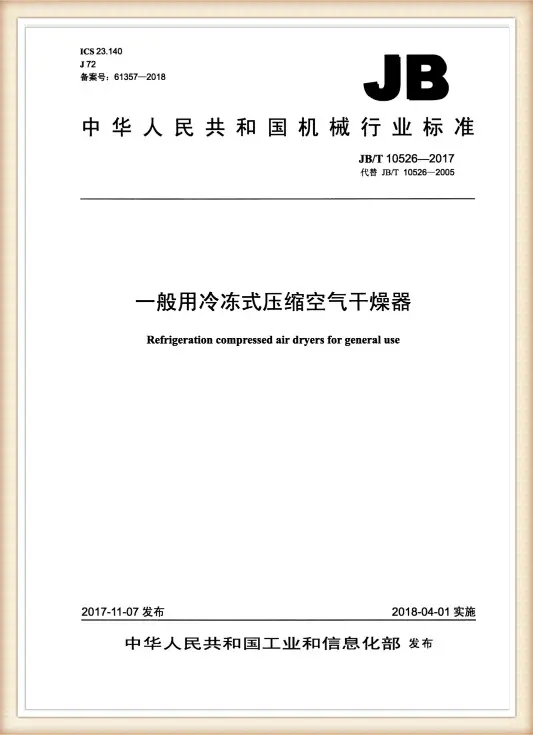
Refrigeration compressed air dryers for general use.
Advanced standard guidelines for compressed air equipment.
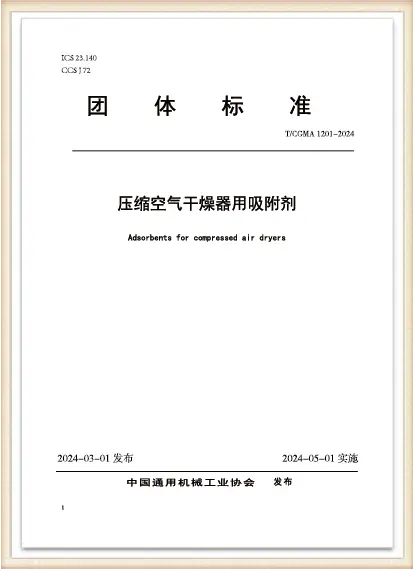
Advanced chemical standards for molecular adsorption media.
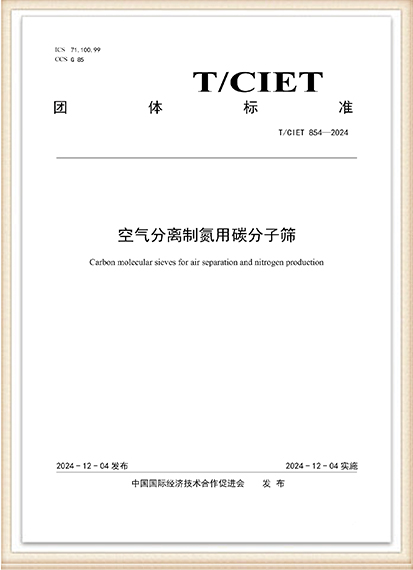
Green chemistry and environmental compliance rules for manufacturing.
Looking forward, adsorption engineering is shifting toward lowering energy consumption during regeneration. Standard activated alumina typically requires regeneration temperatures between $\mathrm{150^\circ C}$ and $\mathrm{250^\circ C}$. Our R&D roadmap focuses on developing modified transition-state aluminas that can regenerate at lower temperatures, saving significant energy in heated purge dryers.
By doping our alumina structures with specific metal-organic components, we are engineering pore networks that optimize water vapor release during the pressure swing cycle. We are also optimizing physical ball structures to minimize dust generation. Mechanical wear in desiccant beds creates micro-fine dust, which can clog downstream filters and damage instruments. Our future material iterations aim to increase crush strength beyond standard thresholds, extending product service life to 5+ years.
Developing low-temperature regeneration (LTR) activated alumina, designed to reduce operational thermal energy requirements by up to 30% in industrial TSA systems.
Using localized physical binding agents to maximize structural density, ensuring minimal attrition loss and dust-free operations during gas flow cycles.
Adjusting the ratio of micro, meso, and macropores to allow selective adsorption of moisture in complex hydrocarbon environments.
At JOOZEO, we believe in "Better air, Better life." Our manufacturing philosophy aligns closely with global environmental standards.
For procurement officers, looking past the initial per-ton price of activated alumina to consider the Total Cost of Ownership (TCO) is key to long-term savings. Standard industrial pricing ranges from $1,200 to $2,800 USD per metric ton, depending on size grading, raw material quality, and custom specifications.
Initial purchase price accounts for only a portion of real operating costs. Low-grade desiccants often degrade prematurely under high thermal cycling, leading to bed compacting, high pressure drops, and elevated energy consumption. Investing in high-crush-strength, optimized pore-density alumina may demand a higher initial spend, but pays off by preventing desiccant attrition and lowering pressure drops. This keeps compressors running efficiently, saving substantial power over a typical 5-year operating lifecycle.
Spherical Sizing: Smaller spheres (1.5mm - 3mm) require more intensive screening and grading, carrying a premium over standard 5mm - 8mm sizes. Doping with water-resistant compounds or specialized silica coatings also shifts pricing upward, but is essential for liquid water mitigation.
Deep-dive answers to technical questions about industrial drying beds and system optimization.
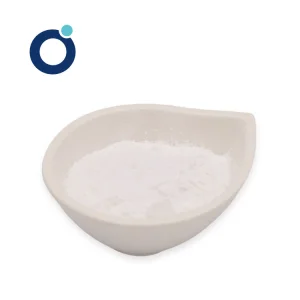
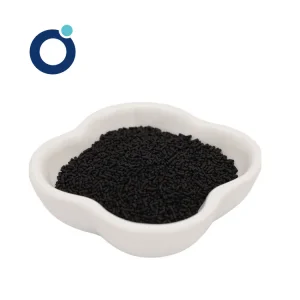
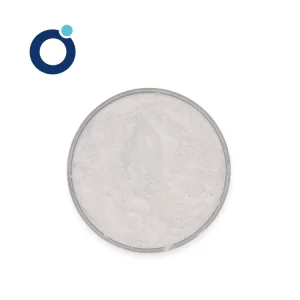
Explore additional products from our range, designed to meet the purification needs of diverse processing environments.
Do you have a question or need a quote? Contact our technical team today. We respond to all inquiries within 24 hours.
Send Request