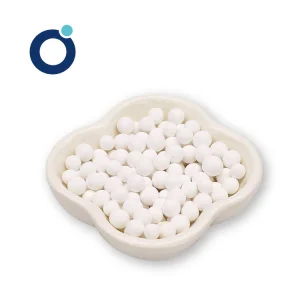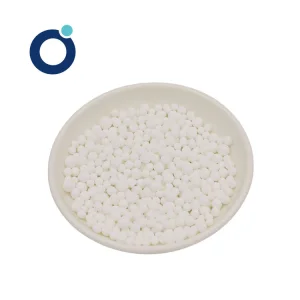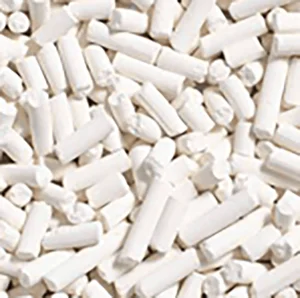
Premium industrial molecular sieves, silica gels, and catalysts engineered for high adsorption performance.
A global leader in high-performance adsorption materials and dynamic chemical separation technologies.
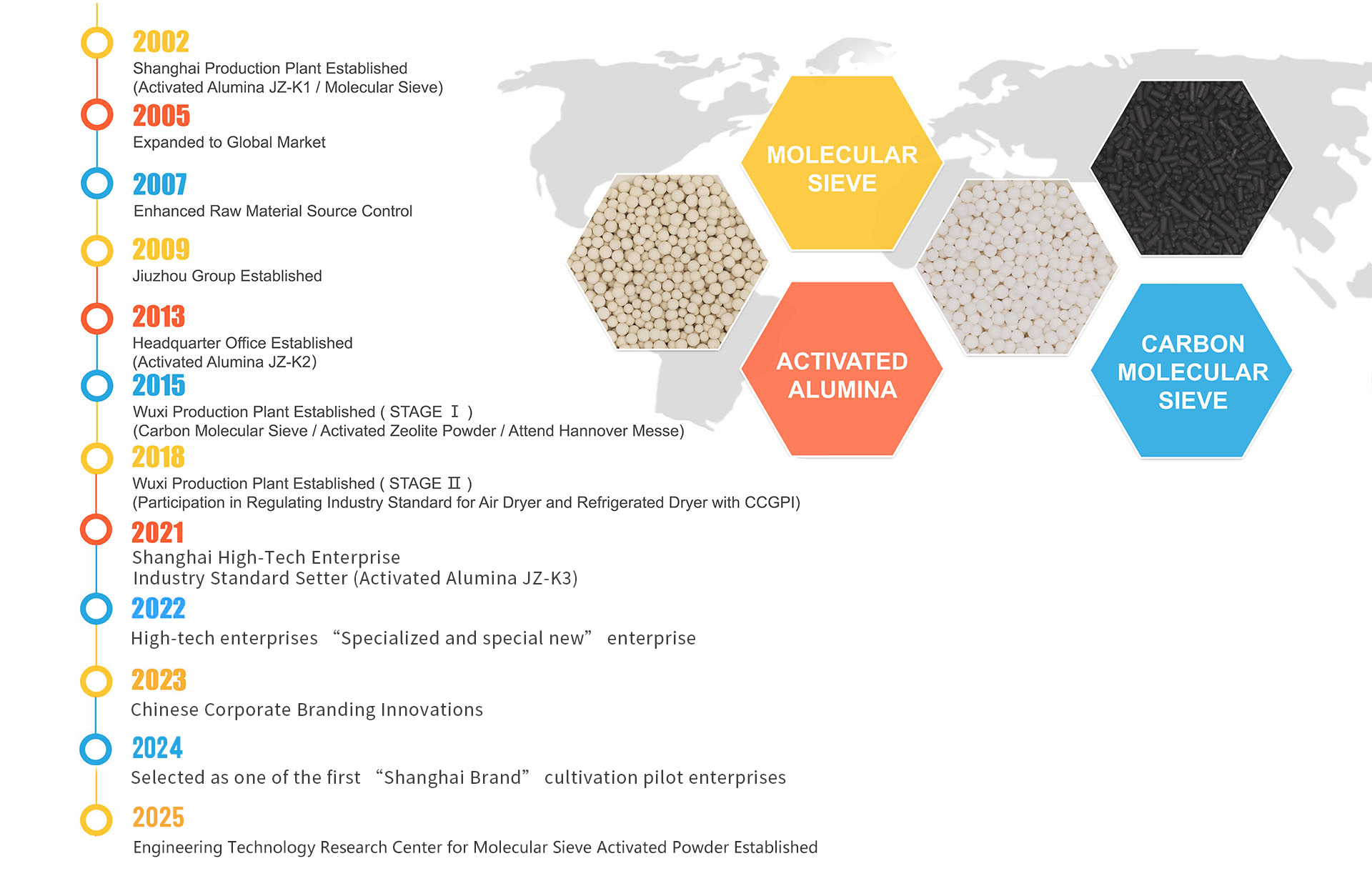
Shanghai Jiuzhou Chemicals Co., Ltd., headquartered in China's economic center, Shanghai, has consistently prioritized quality control and sustainable innovation. For decades, we have committed ourselves to the synthesis, application development, and global logistics of elite-grade desiccants, catalysts, and synthetic zeolites.
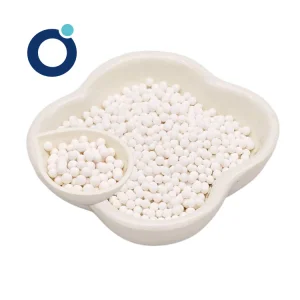
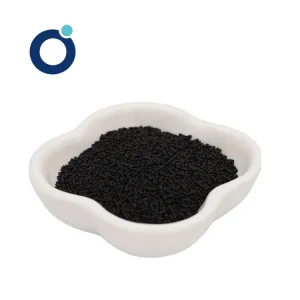
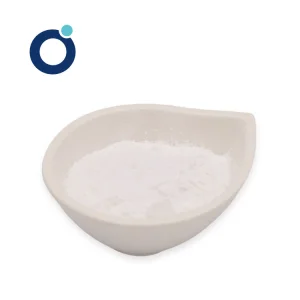
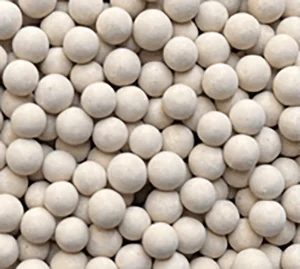
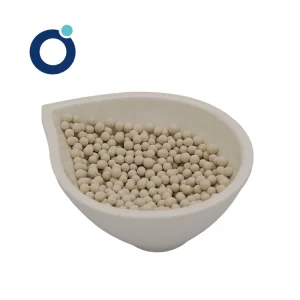
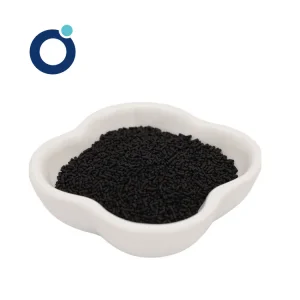
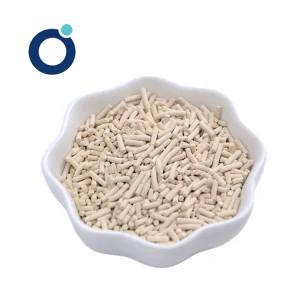
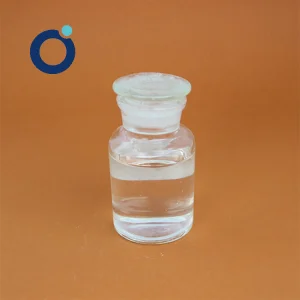
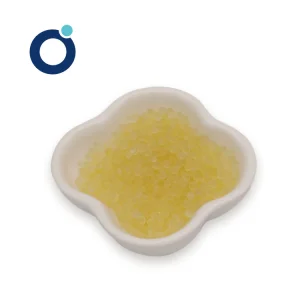
Our comprehensive catalog contains premium synthetic zeolites, including Molecular Sieve 13X, molecular sieve powders, activated alumina, aluminum oxide catalysts, carbon molecular sieves, sodium silicates, and ceramic structural packing. Backed by ISO9001:2008, TUV, and SGS certifications, our production lines adhere to rigid international metrology frameworks, ensuring that every batch meets the exact specifications of global industrial buyers.
With an integrated dynamic laboratory and a centralized research facility equipped with advanced chromatography, mass spectrometers, and dynamic adsorption systems, we work directly with petrochemical refineries, ASU engineers, and medical oxygen OEMs worldwide to deliver optimized gas-solid adsorption dynamics.
Evaluating the macro-economic and technical drivers of Zeolite 13X pricing trends across global supply lines.
Zeolite 13X (Sodium X sodium aluminosilicate) pricing correlates with raw sodium silicate, sodium aluminate, and high-purity caustic soda indices. Shifts in bulk mining of silica and bauxite globally impact raw production overheads.
Activating molecular sieves requires thermal treatment up to 550°C to strip structurally bound water molecules. Regional natural gas, grid electricity, and carbon offset taxes represent roughly 35% of the gross manufacturing cost.
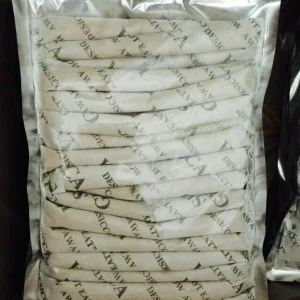
Due to its high affinity for atmospheric moisture, Molecular Sieve 13X demands hermetically sealed steel drums or heavy-duty super-sacks with nitrogen purging, making shipping logistics a key element of bulk pricing models.
| Property Parameter | Unit Measure | Value (Standard Type) | Value (High Performance / Air Sep) |
|---|---|---|---|
| Nominal Pore Diameter | Angstrom (Å) | 10 Å (approx. 1.0 nm) | 10 Å (approx. 1.0 nm) |
| Bulk Density | g/ml (lb/ft³) | 0.62–0.68 (38–42) | 0.64–0.70 (40–44) |
| Static Water Adsorption (RH 75%) | wt % | ≥ 26% | ≥ 28.5% |
| CO₂ Adsorption Capacity (25°C, 250mmHg) | Nml/g | ≥ 18 | ≥ 22 |
| Crush Strength (Beads / Extrudates) | N (Newtons) | ≥ 30 (1.6-2.5mm) | ≥ 40 (1.6-2.5mm) |
| Attrition Rate | wt % | ≤ 0.10% | ≤ 0.05% |
Operational excellence across multiple dynamic facilities to support heavy-duty chemical supply requirements.
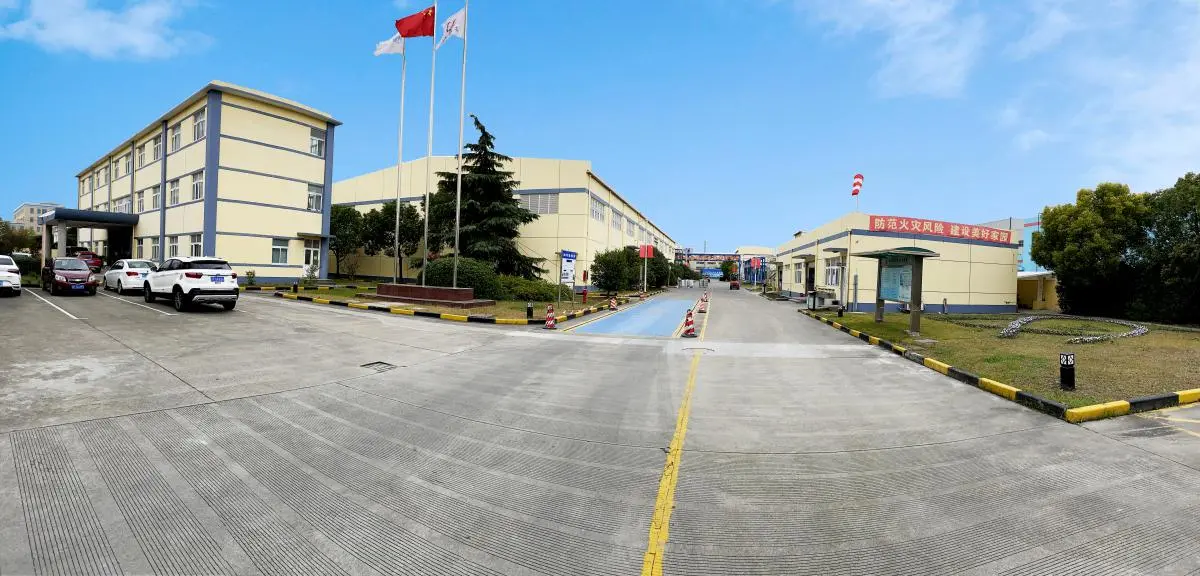
Our Shanghai facility acts as our primary quality control headquarters and research lab, coordinating regional and international deliveries, focusing on specialized customization and surface treatment modifications of zeolites.

Our Wuxi plant manages large-scale synthesis, dynamic calcination, and high-volume bead extrusion, ensuring a stable, uninterrupted supply chain for global procurement partnerships.
How Molecular Sieve 13X is deployed to resolve critical separation challenges across key industries.
Modern ASUs require pre-purification systems to scrub trace carbon dioxide ($CO_2$) and moisture ($H_2O$) from intake air stream. Traces of these compounds crystallize at low cryogenic temperatures, clogging heat exchangers. Zeolite 13X acts as the primary desiccant filter inside pre-purification units (APUs).
For medical and industrial oxygen concentrators, Molecular Sieve 13X (often modified with lithium or calcium exchanges to yield high purity) serves as the primary adsorbent to remove nitrogen from compressed air streams, enriching oxygen concentrations up to 93%–95%.
Natural gas and petrochemical feedstocks contain hydrogen sulfide ($H_2S$) and mercaptans, which are corrosive and emit hazardous emissions. With a pore diameter of 10 Å, Zeolite 13X adsorbs these larger sulfur-bearing molecules, sweetening the gas before catalytic reforming.
Our commitment to research shapes the future of dynamic chemical separation efficiency.
By altering the standard sodium cation profile within the faujasite ($FAU$) crystal matrix, our technical team has improved nitrogen selectivity under low-pressure scenarios. This optimization enables PSA systems to achieve higher oxygen yields per cycle, reducing compressed air requirements and lowering energy footprints.
Standard 13X crystals can undergo structural collapse when exposed to cyclic steam during thermal regeneration. Our proprietary silica-to-alumina ratio stabilization and chemical binder systems extend the operational lifespan of the molecular sieve bed by up to 25%, minimizing downtime for plant operators.
Frictional movement within large molecular sieve beds can lead to bead attrition, generating dust that restricts flow and increases pressure drop. Our manufacturing process reinforces the structural matrix of each bead, keeping dust generation under 0.05% weight threshold even in high-flow gas systems.
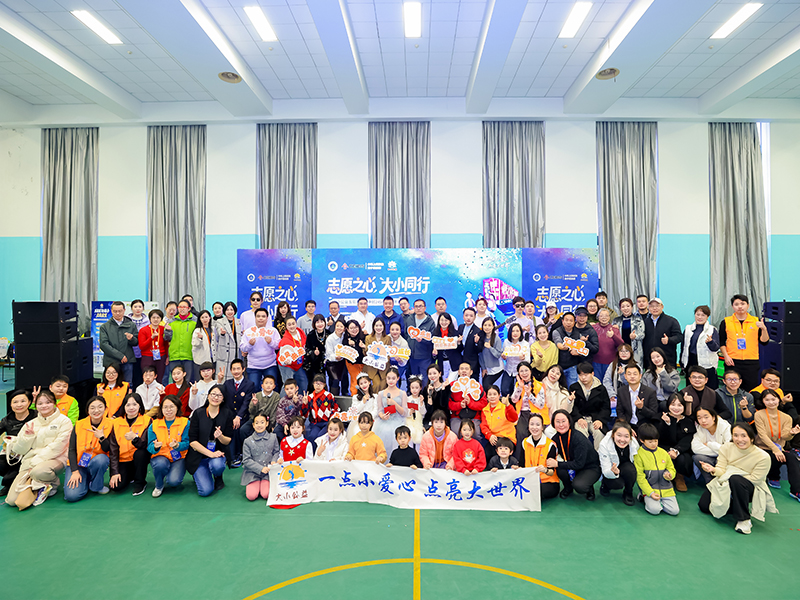
How Jiuzhou Chemicals balances manufacturing practices with environmental stewardship and sustainable operations.

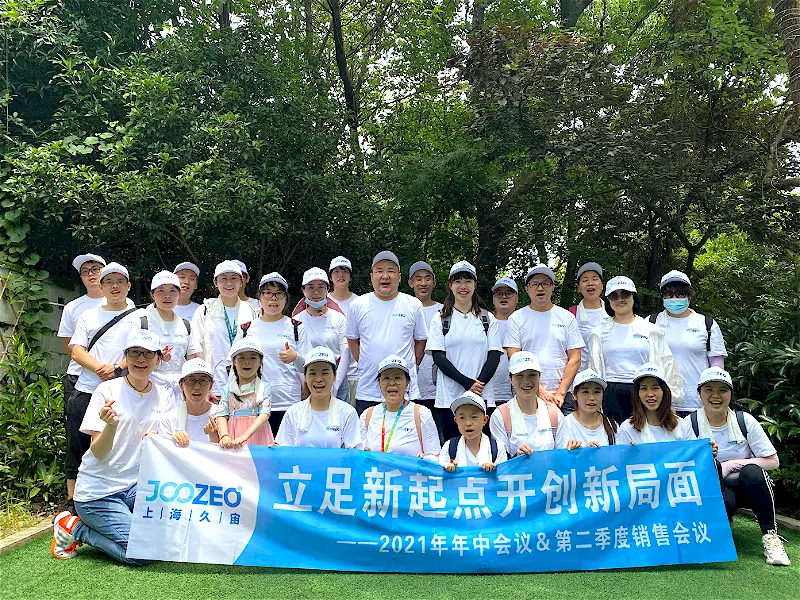
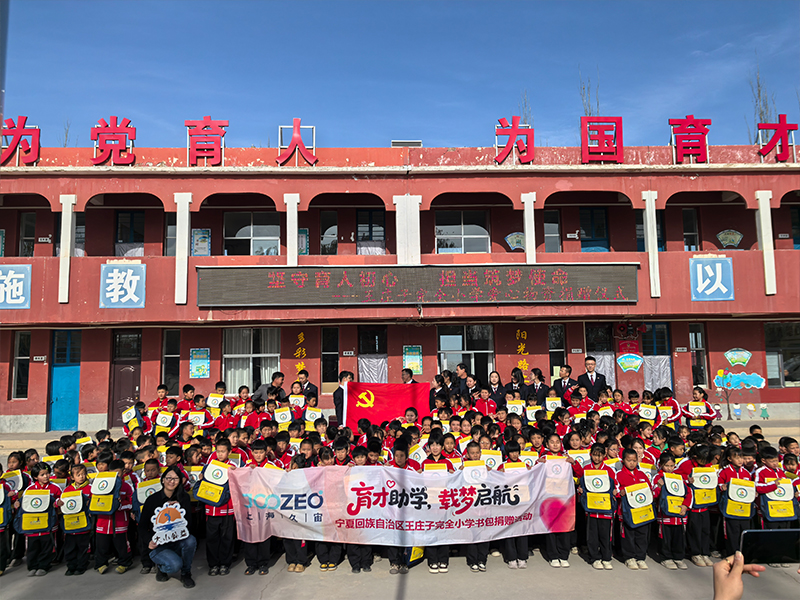
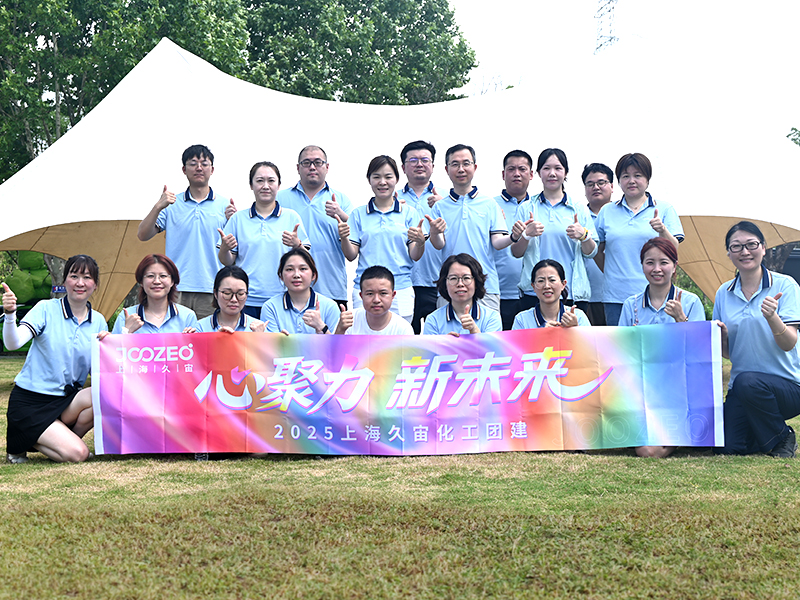
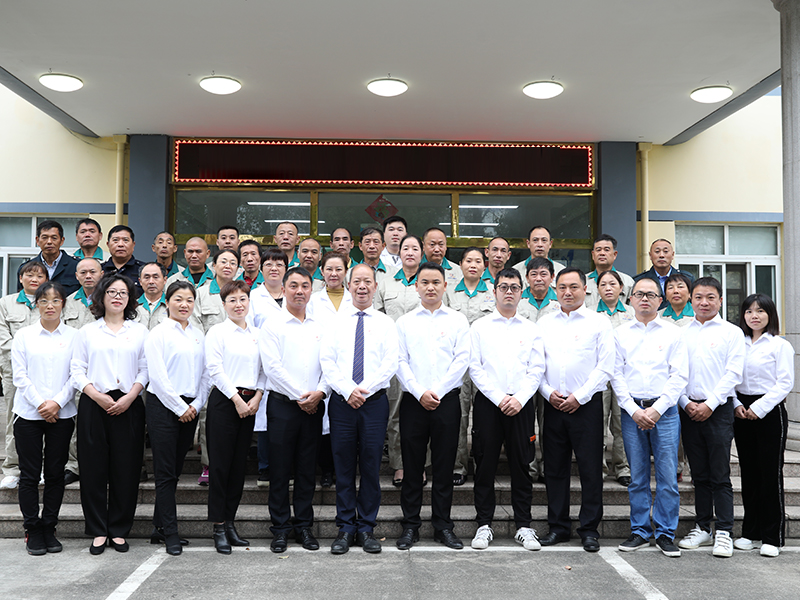

Dynamic Sustainable Production Systems
We utilize closed-loop water recirculation and low-emission gas calciners to minimize the environmental footprint of our synthetic molecular sieve production.
Setting the benchmarks for international and domestic chemical and adsorption engineering specifications.
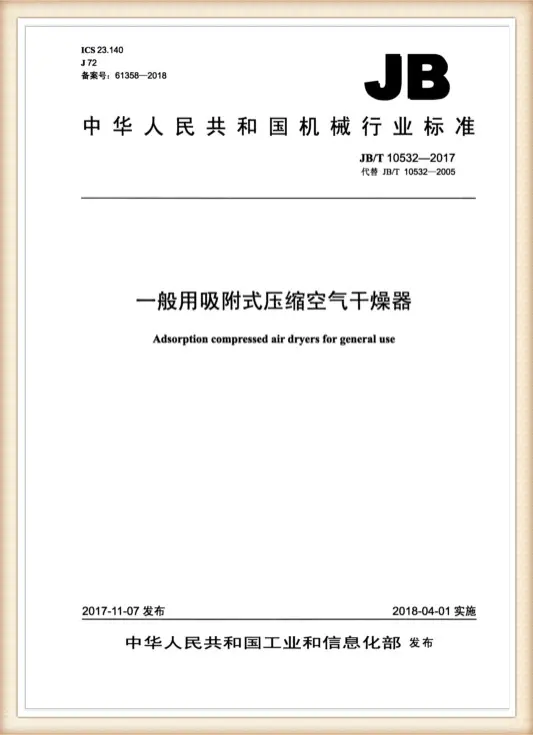
JB/T 10532-2017
Adsorption Dryers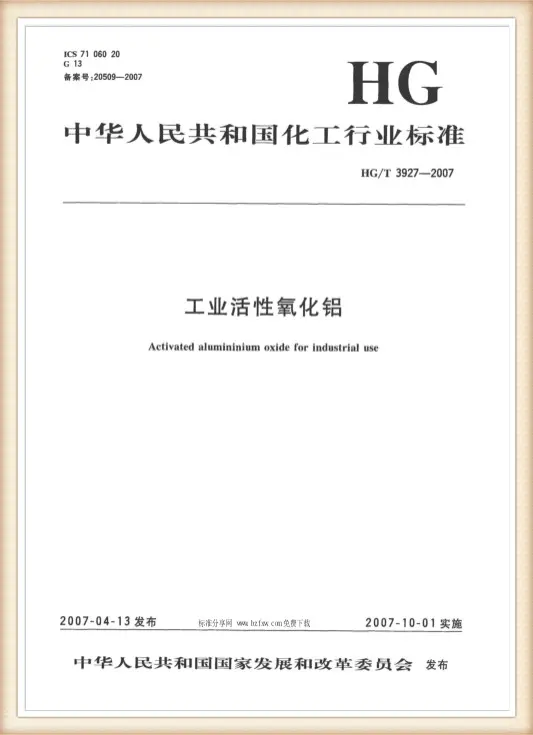
HG/T 3927-2007
Activated Alumina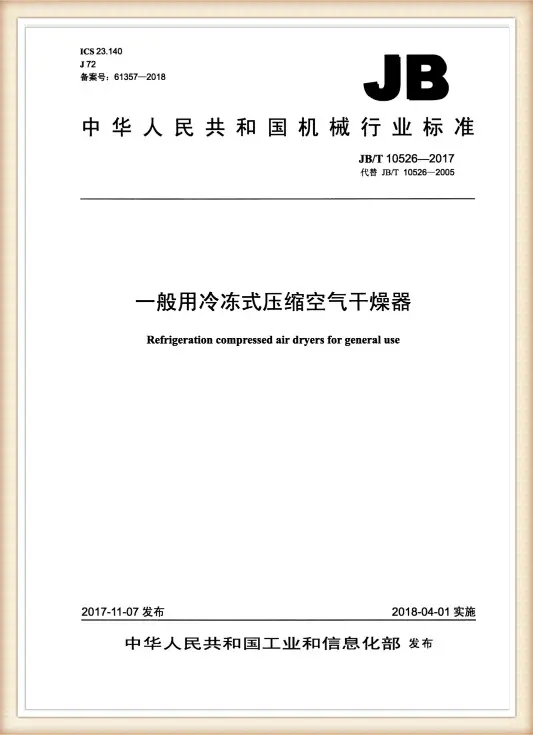
JB/T 10526-2017
Refrigerated Dryers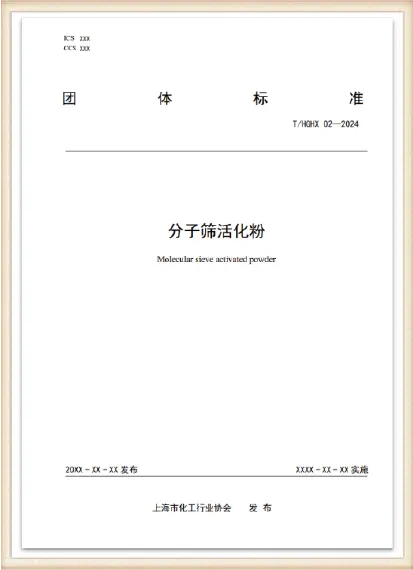
T/CGMA 1201-24
Industry Frameworks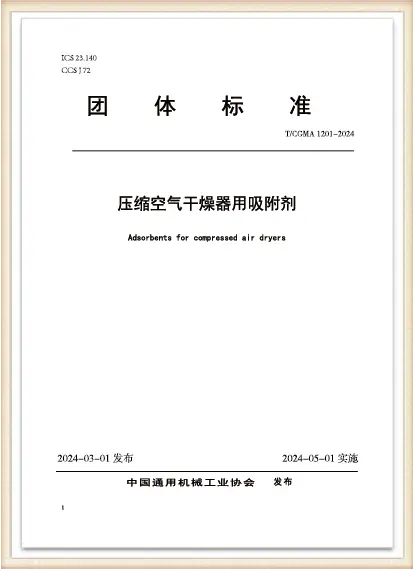
T/HGHX 02-2024
Chemical Synthesis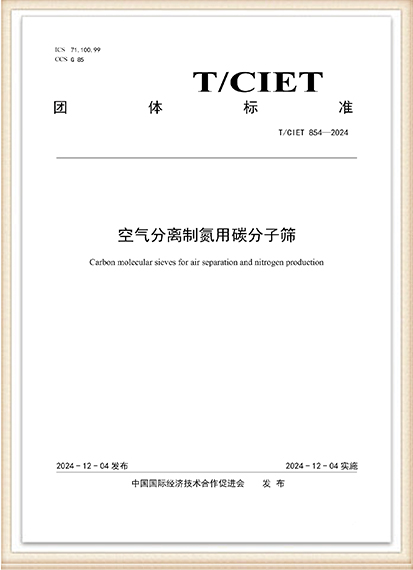
T/CIET 854-2024
Global StandardsExpert technical insights regarding product parameters, regeneration, and bulk procurement dynamics.
Discover our full range of molecular sieves, catalysts, and auxiliary purification media.
Need specific product datasheets, bulk price quotations, or customized chemical formulations? Our engineering team will reply within 24 hours.
Send Request