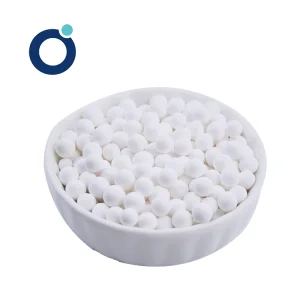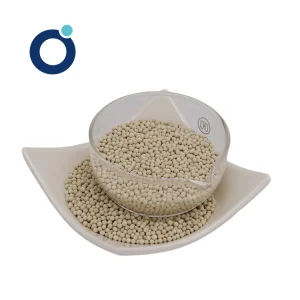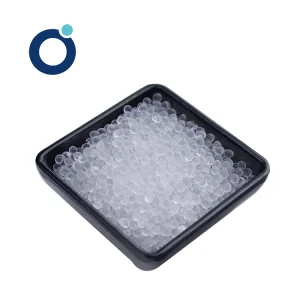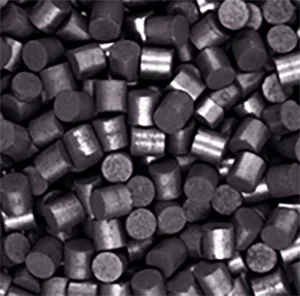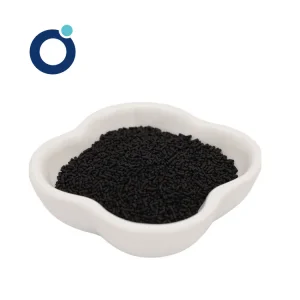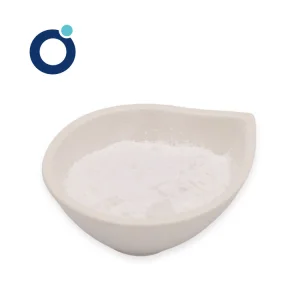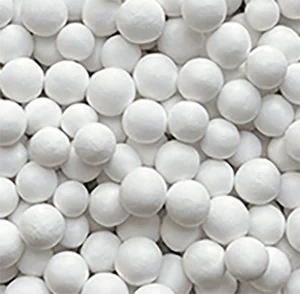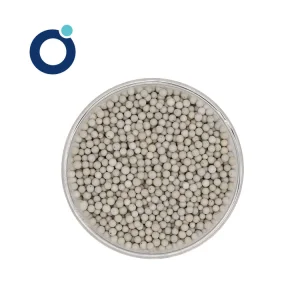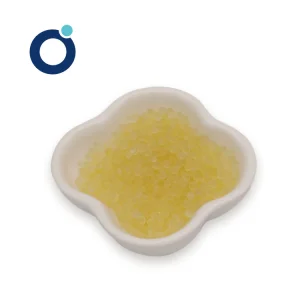
Engineered for precise pore size distribution, superior crush strength, and ultra-high static and dynamic water/gas adsorption performance.
Pioneering chemical synthesis, dynamic adsorption modeling, and high-purity thermal molecular sieve activation since 1994.
Shanghai Jiuzhou Chemicals Co., Ltd. is located in the largest economic development hub, Shanghai. Over the years, Jiuzhou has always adhered to the “Quality Control, Innovation” principles, committed to the research, development, and advanced manufacturing of high-quality chemical adsorbents. Our primary product lines encompass crystalline molecular sieve powders, synthetic molecular sieves (Types 3A, 4A, 5A, 13X, Lithium-X), activated powder, activated alumina, aluminum oxide catalysts, specialized ceramic packing balls, sodium silicates, aluminum hydroxide, Zeolite 4A, sodium carbonates, and SLES.
All manufactured products strictly adhere to the ISO 9001:2008 Quality Management System standards and have earned comprehensive TÜV Rheinland and SGS international certifications.
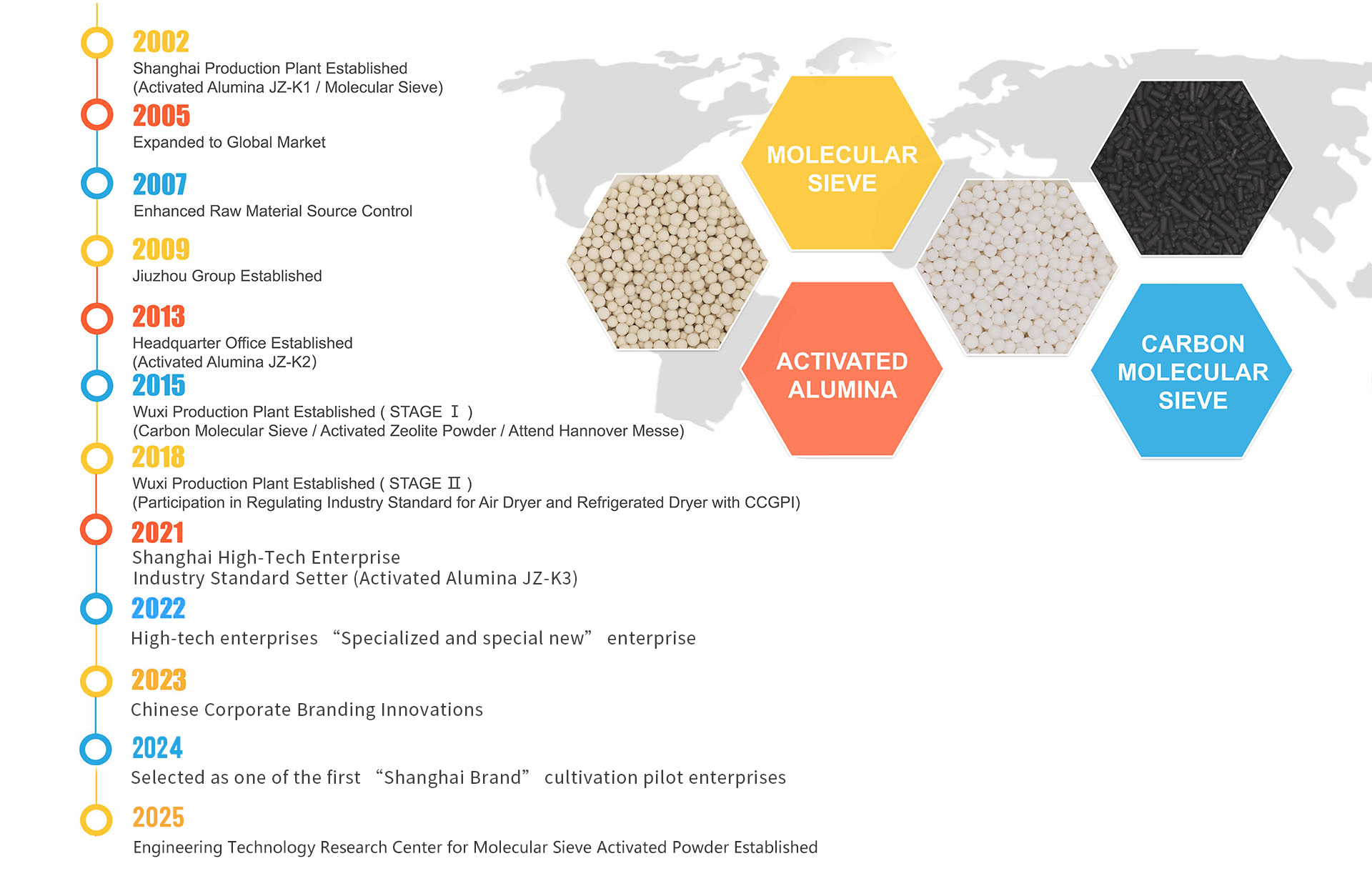
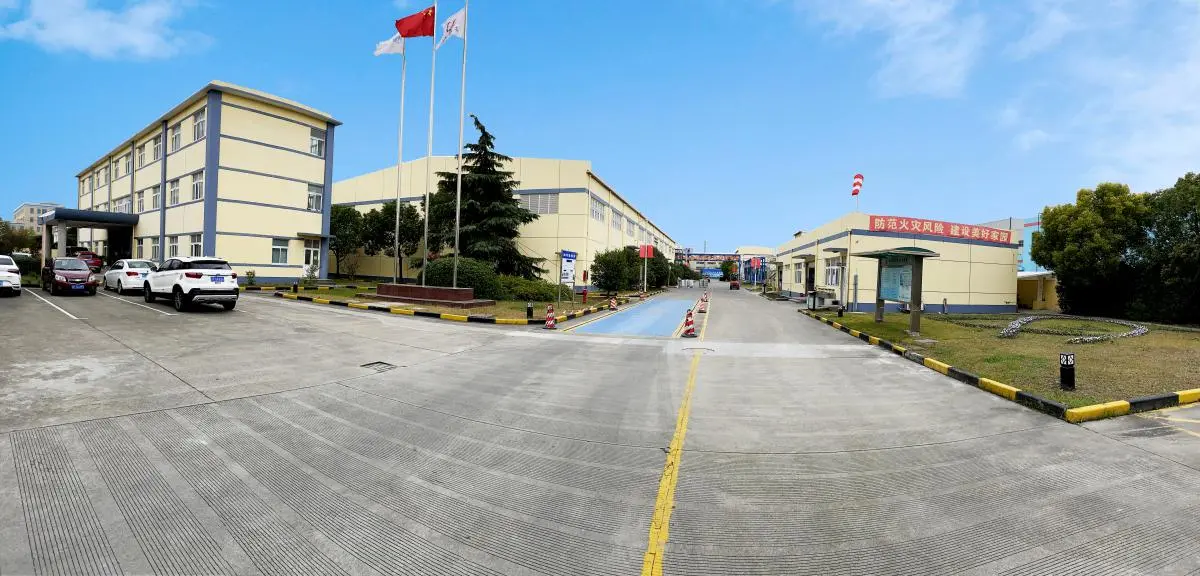
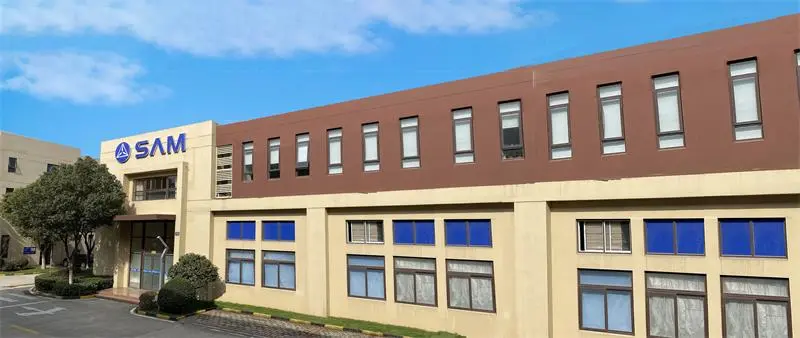
Jiuzhou factory houses a world-class research team comprising senior chemical engineers, crystallographers, and materials science experts. Utilizing cutting-edge automated calcination kilns, high-speed granulation technology, and multi-purpose monitoring instruments, our central analytical laboratory monitors batch-to-batch consistency with absolute precision. Our dynamic testing facilities evaluate breakthrough curves under actual operating conditions (up to 150 bar and temperatures ranging from -196°C to 650°C).
Through established distribution hubs in North America, South America, Europe, Southeast Asia, Japan, and the Middle East, JOOZEO supplies tailormade adsorption solutions that significantly lower operational energy expenditures (OPEX) while minimizing carbon footprints for global industrial gas processors, petro-refineries, and air separation enterprises.
Demonstrating true technical leadership and E-E-A-T (Experience, Expertise, Authoritativeness, Trustworthiness), Shanghai Jiuzhou actively authors and defines national and industry standards in desiccant technologies:
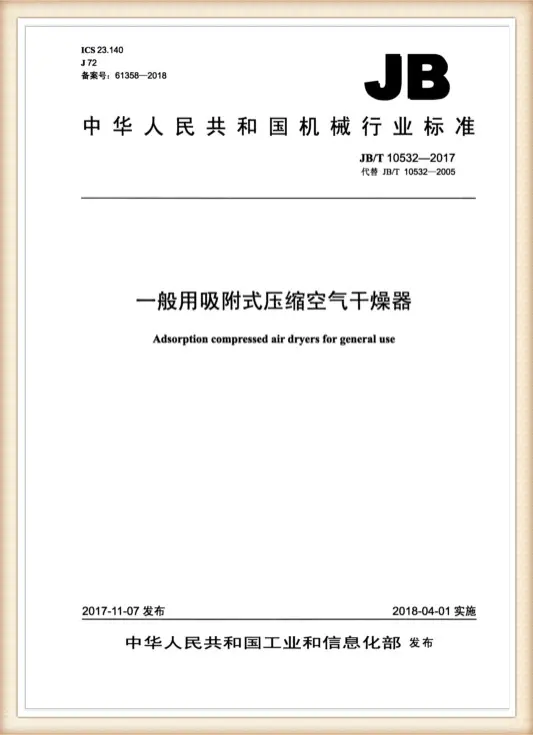
Adsorption compressed air dryers for general industrial use
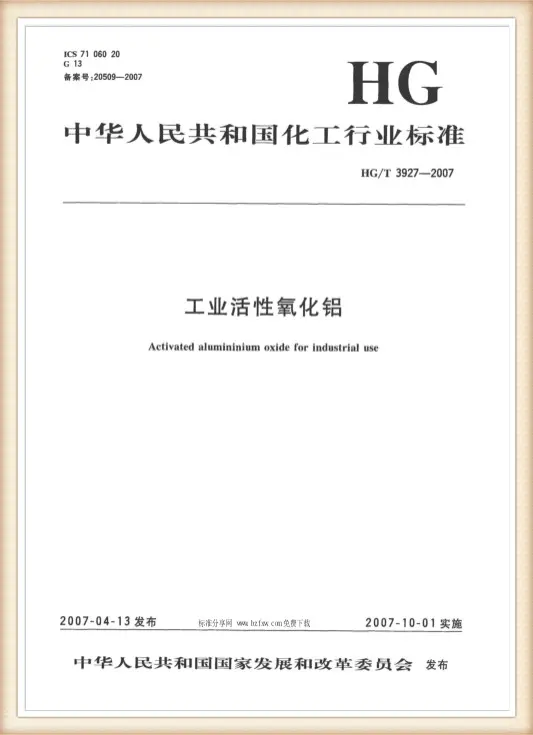
Activated aluminum oxide for industrial applications
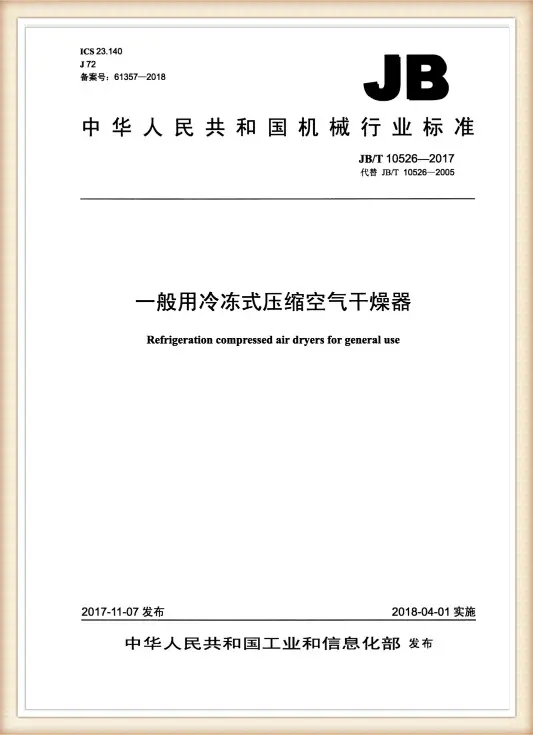
Refrigeration compressed air dryers for general industrial use
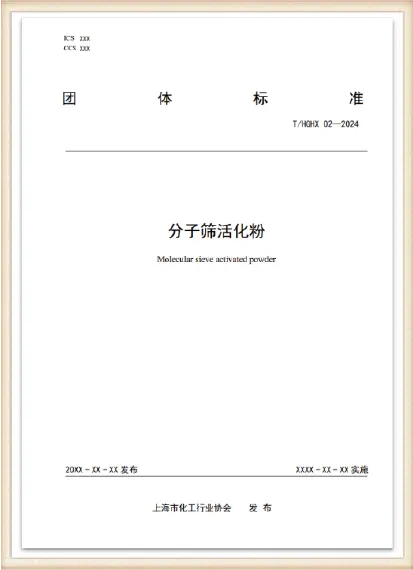
Group Standard for Compressed Air Drying Performance & Integrity
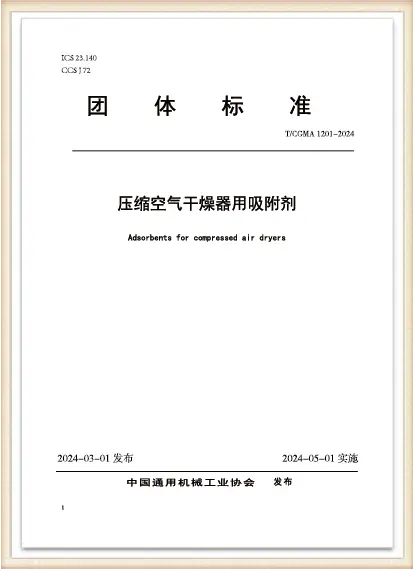
Chemical Industry Standard for Activated Synthetic Zeolites
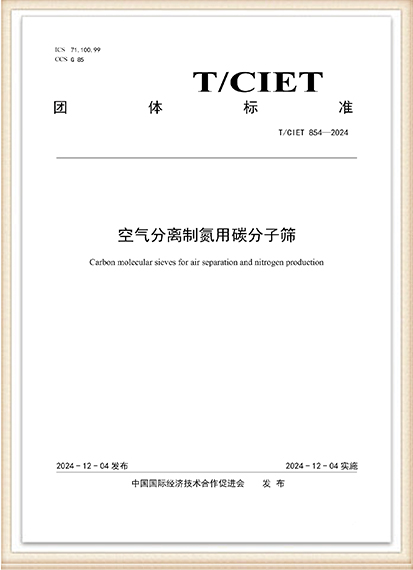
Green Engineering & Low-Carbon Desiccant Activation Protocols
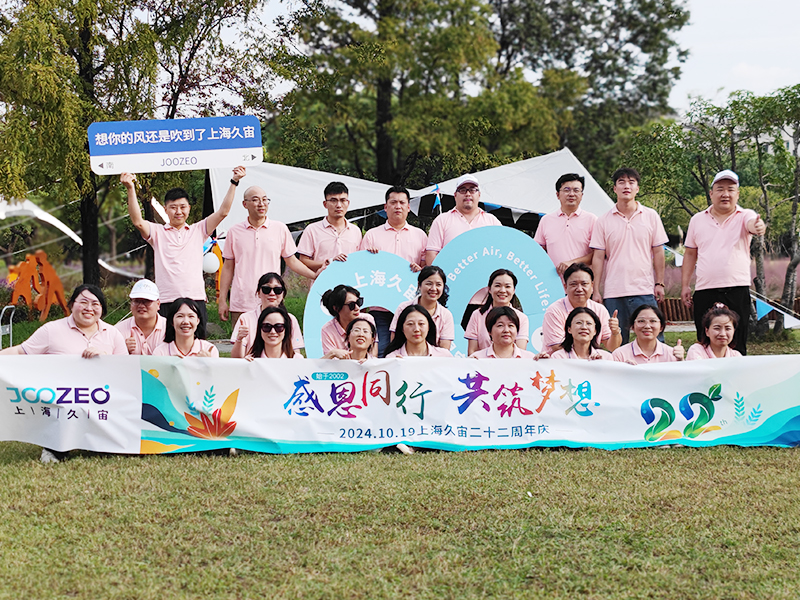
"Better Air, Better Life"
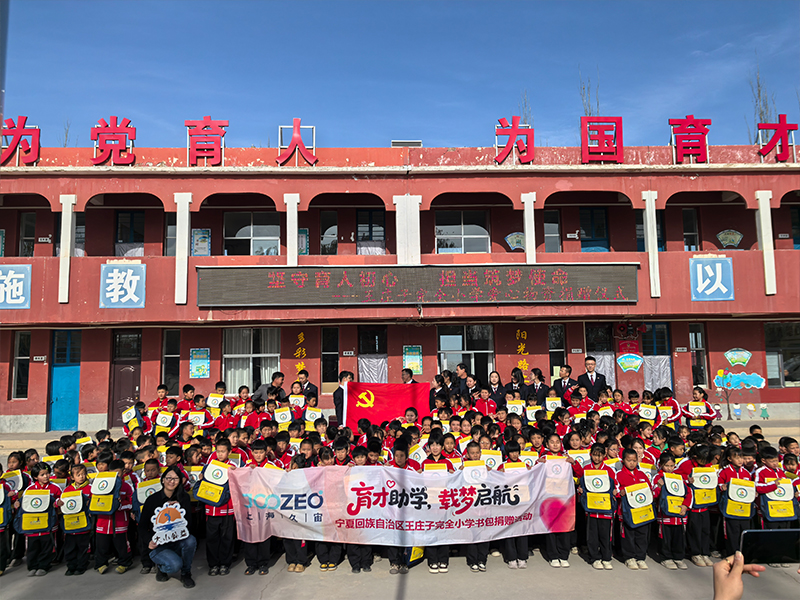
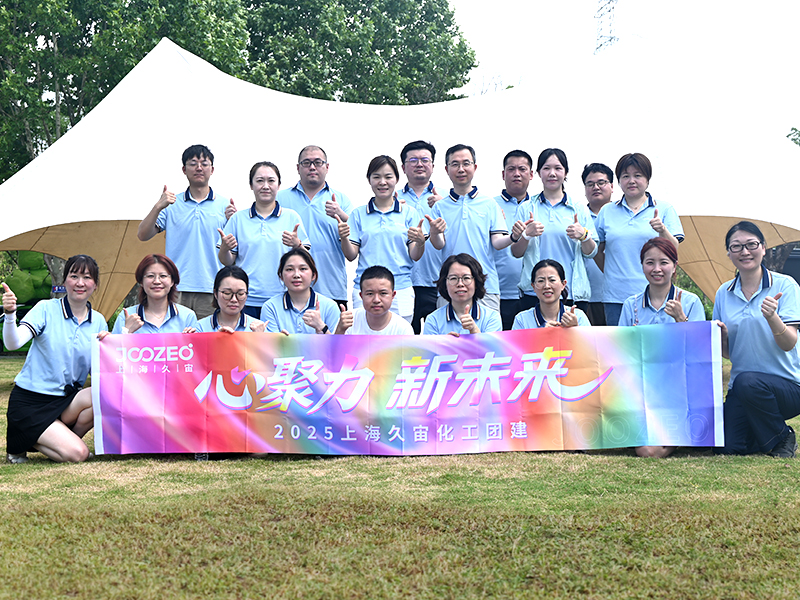
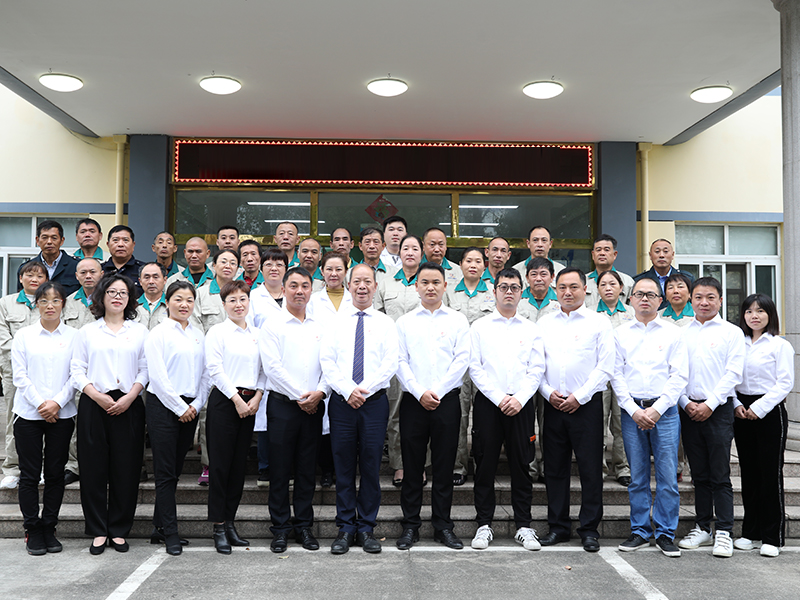
Molecular sieves—crystalline aluminosilicates possessing highly uniform porous networks at the nanometer scale—are the backbone of modern industrial gas separation, petrochemical purification, cryogenic air fractionation, and carbon capture systems. However, raw synthetic zeolites contain coordinated moisture and volatile hydrate molecules bound tightly within their crystalline cages. The process of converting inert raw zeolite crystals into ultra-high-capacity functional adsorbents is known as Molecular Sieve Activation.
As a global top-tier molecular sieve activation factory and exporter, Shanghai Jiuzhou Chemicals (JOOZEO) operates state-of-the-art continuous activation kilns, fluid-bed thermal processors, and atmosphere-controlled calcination towers. This whitepaper provides chemical engineers, plant managers, and procurement executives with an exhaustive technical breakdown of activation thermodynamics, pore framework optimization, structural stability criteria, global industrial trends, and practical application integration.
Precise multi-stage calcination profiles (ranging from 350°C to 650°C) eliminate physically adsorbed moisture and chemically bound hydroxyl groups without collapsing the delicate crystalline framework.
Advanced clay-binder optimization and binderless synthesis ensure superior crush strength (>80 N/bead for 3-5mm spheres), minimizing attrition, dusting, and pressure drop in tall industrial beds.
Precise cation exchange (Na⁺, K⁺, Ca²⁺, Li⁺) tailors aperture windows down to angstrom-level accuracy: 3A (0.3nm), 4A (0.4nm), 5A (0.5nm), and 10A/13X (1.0nm).
The activation of synthetic zeolites involves complex physical-chemical phase transitions. In unactivated zeolite powders or beads, water molecules form stable hydration complexes with exchangeable framework cations (such as sodium, potassium, or calcium). If heated too rapidly under high vapor pressure conditions, hydrothermal degradation occurs, leading to permanent framework dealumination and loss of crystallinity (commonly known as "steaming degradation").
JOOZEO’s advanced factory process utilizes multi-zone rotary calcination kilns equipped with dynamic counter-current dry purge gas streams. The activation mechanism follows three distinct thermodynamic stages:
The worldwide demand for activated molecular sieves and specialized activated powders has surged significantly, driven by stringent global decarbonization targets, expanding hydrogen gas networks, and rapid growth in medical-grade oxygen infrastructure. Currently valued at over $4.5 billion globally, the synthetic zeolite desiccant market is experiencing key structural shifts:
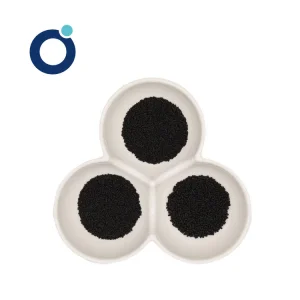
As industries transition toward green hydrogen and renewable natural gas (RNG), deep dehydration and trace impurity removal (CO₂, H₂S, siloxanes) are critical. Carbon Molecular Sieves (CMS, such as our JZ-CMS6N and JZ-CMS2N) employ pressure swing adsorption (PSA) technology to yield high-purity nitrogen or separate hydrogen from reformate streams at recovery efficiencies above 99.2%.
Post-combustion and direct air capture (DAC) applications require hydrophobic molecular sieves with high CO₂/N₂ selectivities. Modified 13X and binderless APG-grade zeolites are vital in removing trace moisture down to dew points lower than -100°C prior to cryogenic CO₂ liquefaction.
Modern mega-scale ASUs rely on specialized 13X-HP and APG (Air Purification Grade) molecular sieve beds to remove trace hydrocarbons (acetylene, ethylene) and atmospheric moisture. Preventing trace carbon dioxide and ice formation in cryogenic heat exchangers is essential for operational safety and continuous plant uptime.
Over the next decade, the adsorbent industry is transitioning toward lower energy-intensity activation methods and ultra-tailored molecular structures. Shanghai Jiuzhou Chemicals is actively driving this technological evolution along four primary R&D vectors:
Replacing fossil gas-fired rotary kilns with high-frequency microwave and induction thermal systems. Microwave heating directly excites polar water molecules within zeolite pores, achieving full activation in 30% of the time at 40% lower carbon emissions.
Traditional molecular sieve beads contain 15–20% inert clay binder, which reduces adsorption capacity per unit mass. Our binderless synthesis converts the binder phase into active zeolite crystal, boosting volumetric adsorption capacity by up to 25%.
Controlling carbon deposition at the sub-nanometer scale enables carbon molecular sieves (CMS) to achieve kinetic separation of gas pairs with nearly identical molecular kinetic diameters, such as O₂ (3.46Å) and N₂ (3.64Å).
In cracker gas drying, co-adsorption of unsaturated hydrocarbons like ethylene, propylene, and butadiene can cause rapid coking and severe thermal runaways during thermal regeneration cycles. JOOZEO’s specialized Molecular Sieve 3A features a strictly controlled pore aperture of 3 Angstroms (via ion-exchange with potassium cations). This excludes olefins entirely while permitting water molecules (kinetic diameter ~2.65Å) to enter, guaranteeing dew points below -70°C without olefin polymerization risks.
Insulating glass units installed in high-rise architectural facades require long-term desiccant performance to prevent internal condensation and fogging over a 25-year service life. Standard desiccant powders can adsorb atmospheric air (N₂/O₂), causing glass deflection and structural seal failure during ambient temperature fluctuations. JOOZEO’s non-deflecting 3A molecular sieve selectively adsorbs water without adsorbing ambient air, maintaining structural seal integrity regardless of climate extremes.
In industrial compressed air systems (governed by standards like JB/T 10532-2017 and HG/T 3927-2007, which Shanghai Jiuzhou helped formulate), desiccant air dryers combine Activated Alumina (JZ-E) in the inlet buffer zone with Molecular Sieve 4A or 13X in the polishing zone. This dual-bed architecture absorbs bulk liquid droplets and oil aerosols while delivering pressure dew points down to -40°C or -70°C for sensitive electronics and pharmaceutical manufacturing.
Expert answers regarding molecular sieve activation, regeneration parameters, product selection, and international export logistics.
Raw synthetic zeolite powder contains up to 20-25% by weight of hydration water locked inside its crystalline cages. In this unactivated state, the molecular sieve cannot adsorb additional moisture or gases. Thermal activation removes this bound moisture under strictly controlled temperature and purge conditions, creating empty sub-nanometer cavities ready for physical adsorption.
For standard thermal regeneration (TSA systems), Type 3A, 4A, and 5A molecular sieves require dry purge gas stream temperatures between 200°C and 250°C (390°F to 480°F). Type 13X and specialty catalysts typically require 230°C to 300°C. Exceeding 600°C can cause irreversible crystal sintering and destruction of the alumina-silicate framework.
We blend high-purity kaolin/attapulgite clay binders with exact moisture ratios prior to spheroidization. Subsequent high-temperature calcination induces binder vitrification, producing molecular sieve beads with crush strength ratings exceeding 80 N for 3-5mm sizes and 35 N for 1.6-2.5mm sizes, exceeding standards JB/T 10532-2017 and HG/T 3927-2007.
When stored in original, unopened airtight packaging (such as hermetically sealed steel drums or foil-lined super sacks), JOOZEO activated molecular sieves maintain full adsorption capability for up to 24 to 36 months from the date of manufacture.
Explore our specialized formulations for gas purification, liquid drying, oxygen generation, and catalytic support applications.
Need custom pore size engineering, dynamic breakthrough curve simulation, or bulk export quotes? Contact our Shanghai R&D technical center today. We respond within 24 hours.
Send Request Now