Engineered for high moisture adsorption, minimal dust generation, and precise pore distribution to prevent gas co-adsorption.
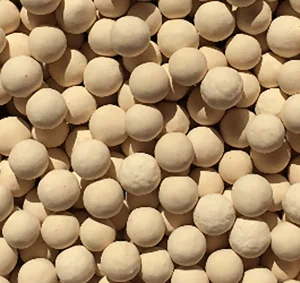
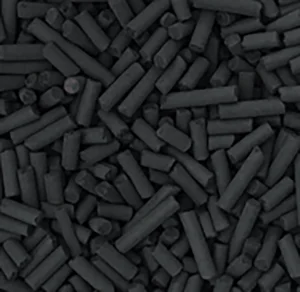
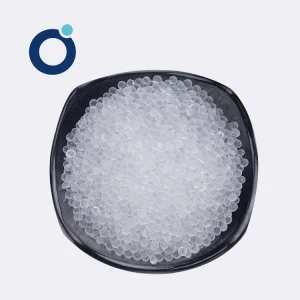
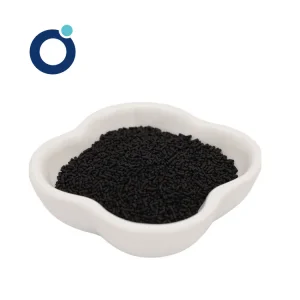
Deep-dive chemical and physical breakdown of zeolite formulation, structural kinetics, and long-term durability metrics.
In modern architectural fenestration, Insulating Glass Units (IGUs) rely on an ultra-dry internal cavity to achieve high thermal performance and prevent visual deterioration. The choice of desiccant is not merely a matter of moisture absorption capacity; it is governed by selective molecular sieving mechanics.
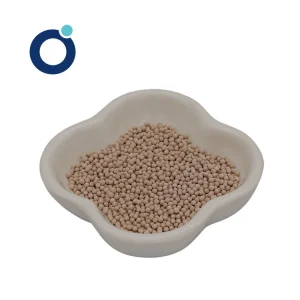
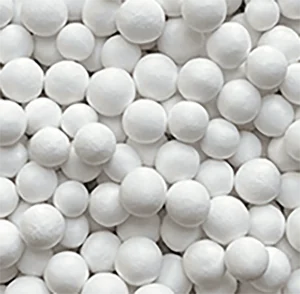
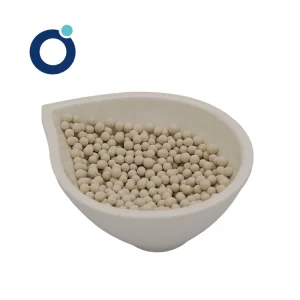
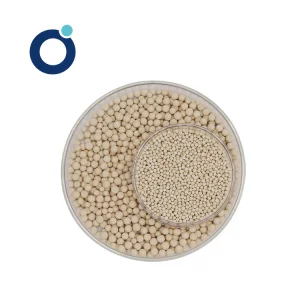
A true 3Å molecular sieve (specifically potassium-exchanged Zeolite A) features a nominal pore opening of 3 Angstroms (0.3 nm). The kinetic diameter of water molecules is approximately 2.65 Å, allowing them to freely enter the crystal cavities and be bound via physical adsorption. Conversely, nitrogen (N₂: 3.64 Å), oxygen (O₂: 3.46 Å), and noble insulation gases such as Argon (Ar: 3.40 Å) have kinetic diameters significantly larger than 3 Å. These gas molecules are physically excluded from entering the zeolite structure.
When substandard or 4Å molecular sieves are utilized, nitrogen and argon are co-adsorbed during cold periods and desorbed when heated. This cyclic adsorption-desorption behavior causes severe pressure fluctuations inside the hermetically sealed pane, resulting in glass deflection, structural stress, spacer displacement, and eventually, the premature failure of the primary and secondary seals. This seal failure admits humid ambient air, leading to irreversible condensation (fogging) and glass corrosion.
The global construction sector is undergoing a profound paradigm shift driven by stringent energy efficiency directives, including the EU’s Energy Performance of Buildings Directive (EPBD), ASHRAE 90.1 standards in the United States, and China's ambitious Dual Carbon (30/60) targets. These frameworks mandate a massive reduction in building heat loss coefficients (U-values), accelerating the adoption of double-glazed Low-E, triple-glazed, and vacuum-insulated window assemblies.
This trend directly affects desiccant specifications:
B2B procurement professionals, architectural engineers, and IGU manufacturing plant managers must evaluate complex chemical properties beyond unit cost. Key structural parameters that dominate international requests for quotes (RFQs) include:
An indicator of adsorption speed and affinity. Standardized testing measures the temperature spike when the desiccant contacts water. A controlled Delta-T confirms correct 3Å crystalline structure and activity.
Ensuring the product is delivered with less than 1.5% moisture content. Higher initial values consume active adsorption capacity before assembly, drastically reducing IGU lifespan.
Precise size categorization (typically 1.0–1.5 mm, 1.5–2.0 mm, or 1.6–2.5 mm) is required to ensure compatibility with automated desiccant filling machines without jamming or creating excess dust.
In response to volatile international trade corridors and raw material bottlenecks, Chinese chemical manufacturing has transitioned into the Industry 4.0 era. Advanced facilities like those operated by Shanghai Jiuzhou Chemicals Co., Ltd. leverage comprehensive automation to ensure high product consistency and uninterrupted supply lines.
By operating dual facilities in Shanghai and Wuxi, spanning over 25,000 square meters, our supply network provides critical redundancy. Automated calcination kilns run 24/7 under digital PLC monitoring to control temperature profiles with accuracy. This eliminates the batch-to-batch variation that plagues semi-automated production lines.
Furthermore, China's robust inland logistics networks and direct proximity to major shipping hubs like the Port of Shanghai ensure that bulk orders are prepared, packaged in nitrogen-flushed, airtight steel drums, and exported efficiently to over 80 countries worldwide. This level of supply chain control minimizes global transit delays, which is crucial for modern, just-in-time IGU manufacturing plants.
Desiccants must perform reliably under highly diverse climatic stress conditions:
Year of Establishment
Trade Partner Countries
Company Area (SQM)
Quality Control & Innovation
Leading the adsorption industry for over three decades with advanced production technologies and rigorous quality assurance.
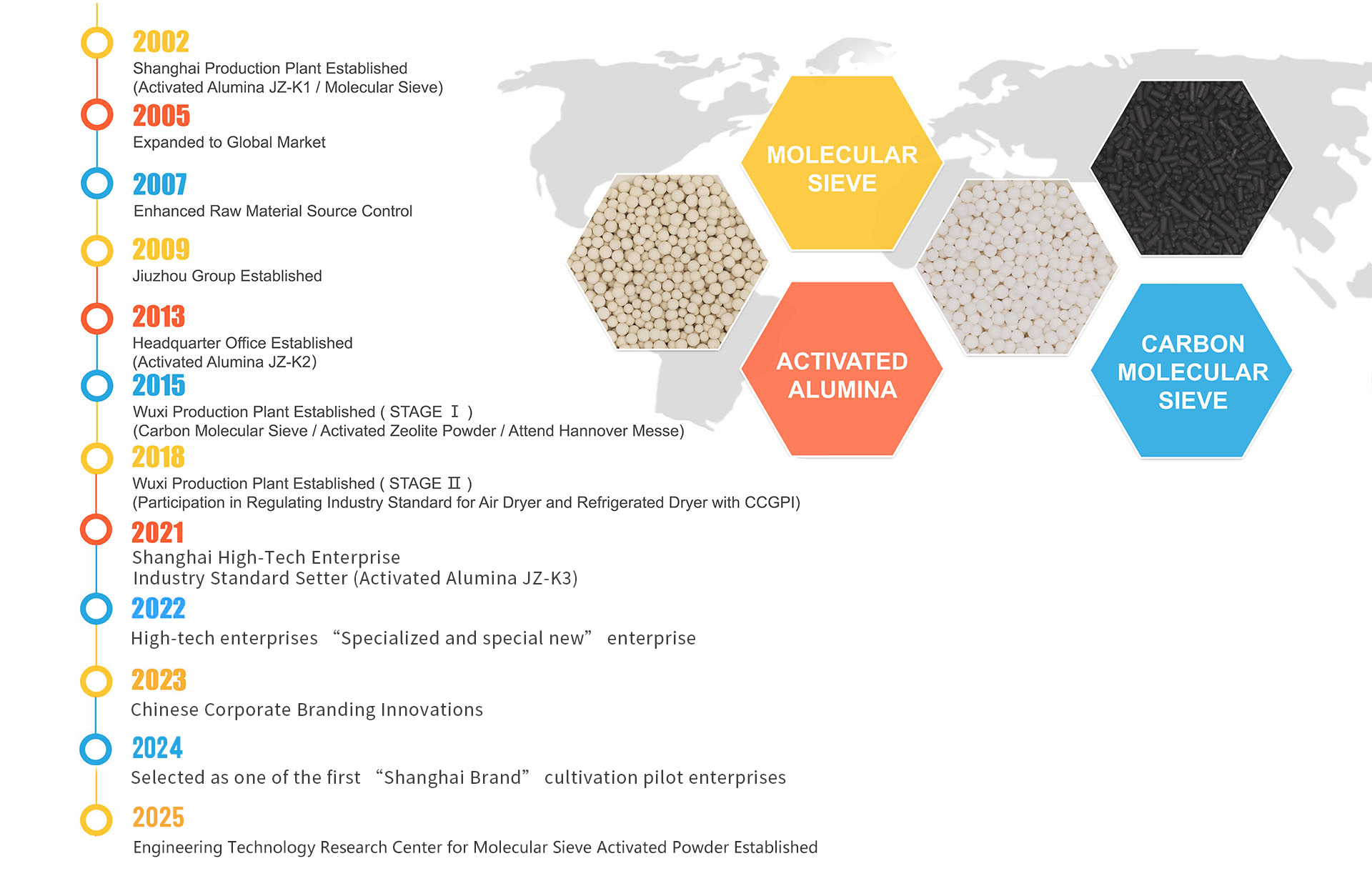
Located in the commercial hub of Shanghai, Shanghai Jiuzhou Chemicals Co., Ltd. has adhered to the principles of "quality control, continuous innovation" since its inception in 1994. We are committed to the research, development, and manufacturing of high-performance adsorption media.
Our product portfolio features a comprehensive range of molecular sieve powders, active molecular sieves, activated powder, activated alumina, aluminum oxide catalysts, various alumina packing materials, ceramic balls, sodium silicates, aluminum hydroxide, zeolite 4A, and sodium carbonates. Our production facility is certified under the ISO9001: 2008 Quality Management System, with third-party testing and compliance validated by TUV and SGS.
We work with an experienced research team and leading chemical chemical experts. Our facilities feature a central laboratory equipped with modern analytical instruments and dynamic testing setups to ensure compliance with strict international performance baselines.
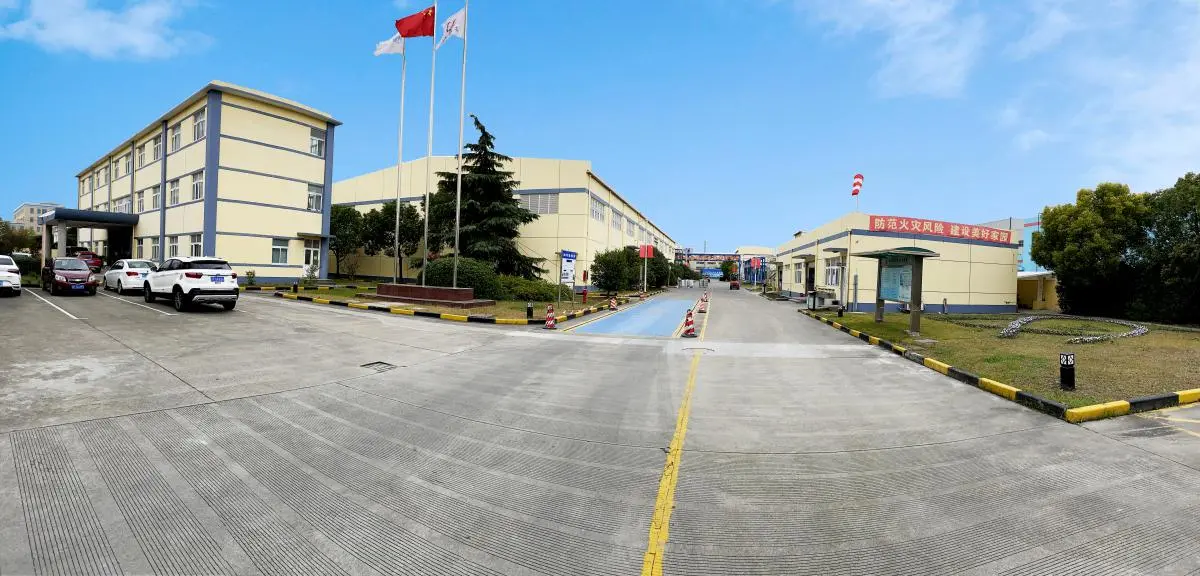
Our primary hub for export coordination, specialty packaging, and core molecular sieve synthesis.

Equipped with automated manufacturing lines to meet large-scale global orders.

"Better air, Better life" - committed to energy conservation and green manufacturing standards.
Active participation in drafting industry specifications, demonstrating technical leadership and compliance expertise.
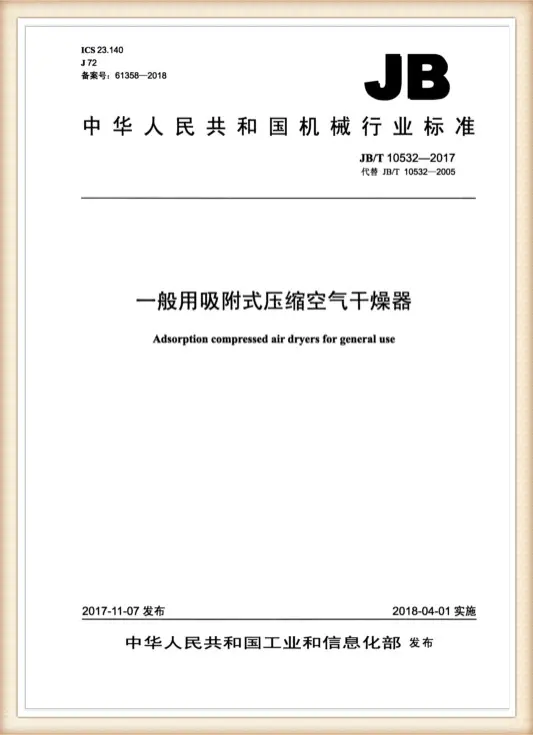 JB / T 10532-2017
Adsorption compressed air dryers for general industrial applications
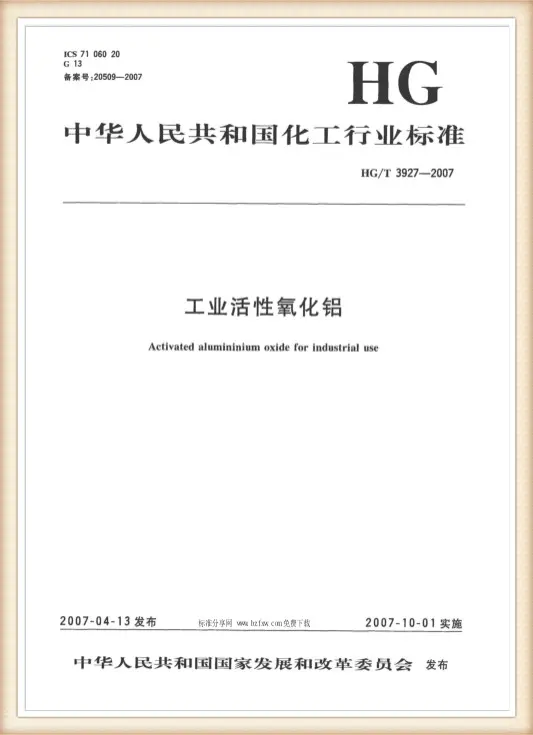 HG / T 3927-2007
Activated aluminum oxide for industrial applications
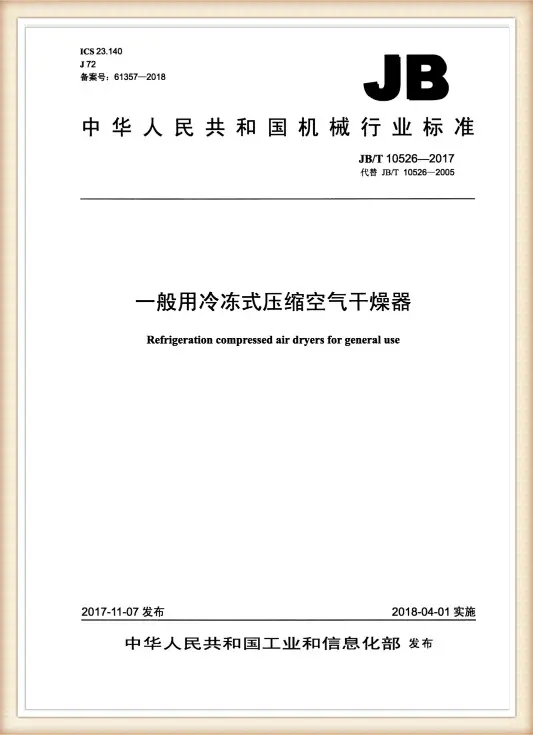 JB / T 10526-2017
Refrigeration compressed air dryers for general industrial applications
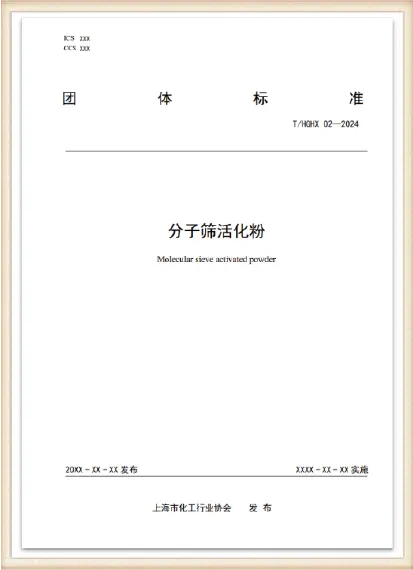 T/CGMA1201-2024
Compliance and evaluation criteria for energy-efficient dryers
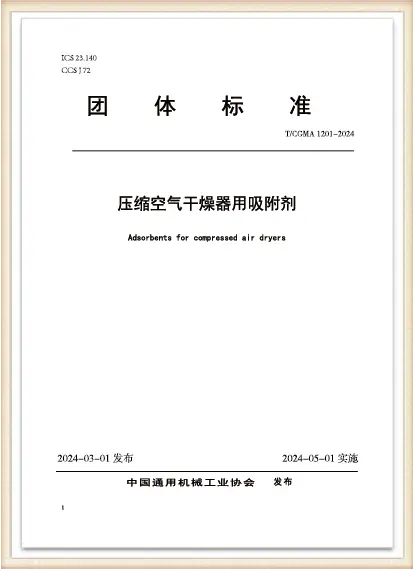 T/HGHX 02—2024
Advanced chemical materials safety and production testing standards
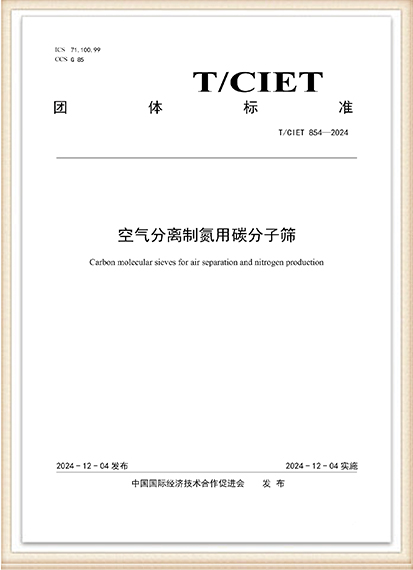 T/CIET 854-2024
Green supply chain management and low-carbon industrial guidelines
Addressing the chemical, mechanical, and logistical questions of glass consultants and quality directors.
An insulating glass unit contains gases like Argon, Krypton, or Nitrogen. If a molecular sieve has a pore size larger than 3Å (e.g., 4Å or substandard blends), these gases enter the desiccant structure. Under changing outdoor temperatures, the gases are alternately adsorbed and desorbed, creating severe pressure changes inside the sealed unit. This pressure leads to glass deflection, sealant stress, and early barrier failure. A true 3Å sieve excludes these gases, adsorbing only water molecules.
High-quality molecular sieves must be packaged with an initial moisture content below 1.5% (by weight). If the desiccant absorbs moisture from the environment before or during installation, its active capacity is compromised. Using desiccants with high initial moisture content shortens the lifetime of the IGU, leading to premature fogging under humid conditions.
The Delta-T test measures the temperature rise when the molecular sieve is mixed with water. Because the adsorption of water on zeolites is exothermic, a rapid, high temperature spike (typically 30°C to 40°C depending on grain size and test volume) indicates a highly active, fully dehydrated crystalline structure. It serves as a reliable field indicator of desiccant activity and quality.
Molecular sieves are highly hygroscopic and will absorb atmospheric moisture. To prevent pre-adsorption, we package our products in airtight steel drums or specialized barrier bags flushed with dry nitrogen gas. This keeps the desiccant dry and stable during long maritime shipments and extended storage periods.
Explore our complete range of certified carbon molecular sieves, silica gels, and custom chemical formulations.