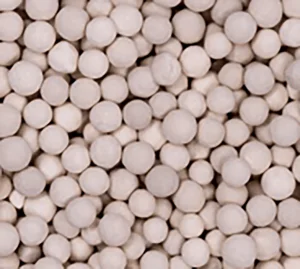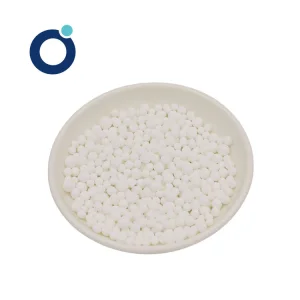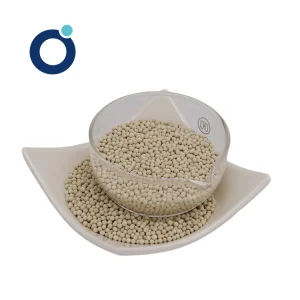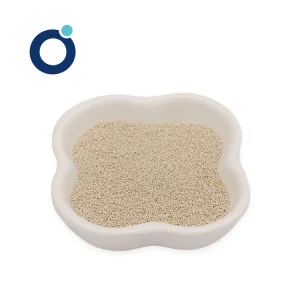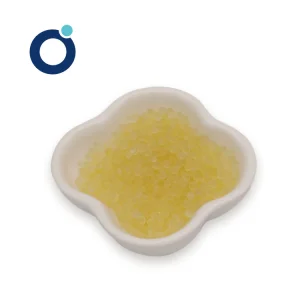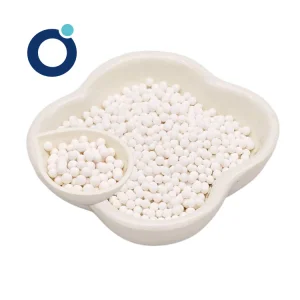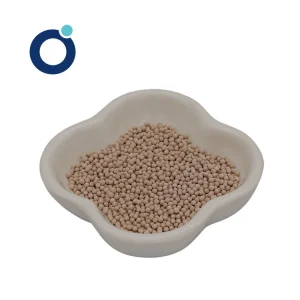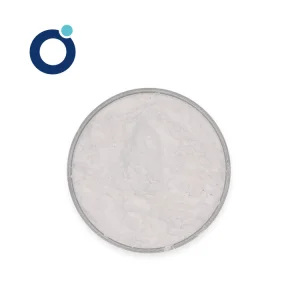
Precision-engineered adsorbents designed to filter, target, and separate heavy metals and toxic chemicals from wastewater systems.
Shanghai Jiuzhou Chemicals: Providing Sustainable, Highly Automated Purification Technology Worldwide
Establishment
Trade Partners
Factory Area (SQM)
Quality Guarantee
Shanghai Jiuzhou Chemicals Co., Ltd. is located in the key economic and technological center, Shanghai. Over the years, Jiuzhou has consistently adhered to the founding values of "Quality Control, Continuous Innovation". We are heavily invested in the engineering, synthesis, and manufacturing of high-grade innovative chemical products and advanced environmental adsorbents.
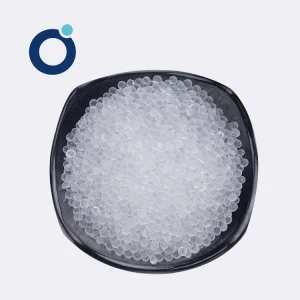
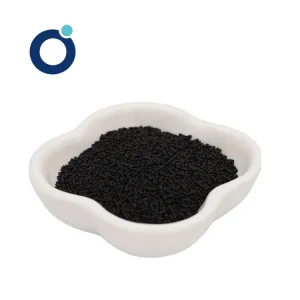
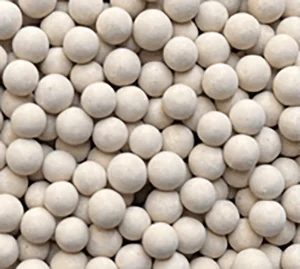
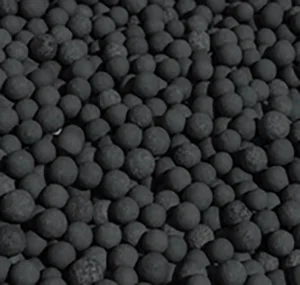
Our comprehensive portfolio features multiple specialized molecular sieve powders, standard molecular sieves, activated powder, activated alumina, synthetic aluminum oxide catalysts, various types of alumina tower packings, structured ceramic balls, customized sodium silicates, aluminum hydroxide, zeolite 4A, sodium carbonates, and surfactant agents like SLES. Every single batch is produced under strict standards certified by the ISO9001: 2008 Quality Management System alongside safety audits by TUV & SGS.
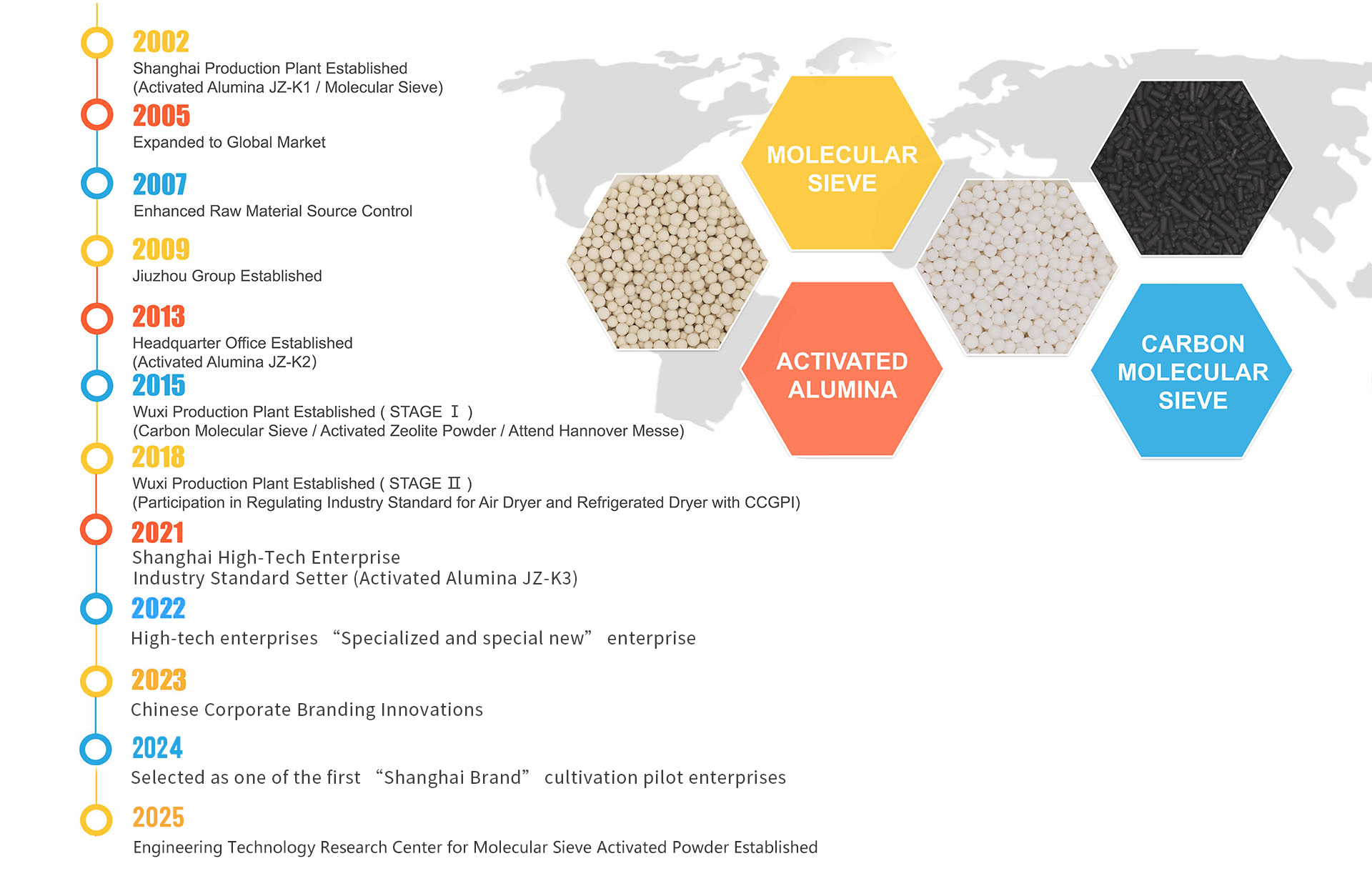
A comprehensive study on leveraging synthetic molecular sieves and activated oxides to remove micro-pollutants and heavy metals in compliance with modern environmental mandates.
Wastewater purification, particularly in heavy chemical, oil & gas refining, and electroplating industries, faces the complex challenge of removing dissolved chemical pollutants at parts-per-billion (ppb) levels. Conventional precipitation methods often fall short when targeting highly dissolved polar pollutants or trace metal elements. This is where advanced adsorption kinetics play a crucial role.
Synthetic zeolites and molecular sieves function through structured crystalline aluminosilicate frameworks. These porous matrices carry highly defined pore geometries (ranging from 3Å to 10Å). They utilize selective sieving mechanism and strong electrostatic fields within their cavities to trap toxic ions, dissolved organic carbons (DOC), and industrial solvents while letting water molecules flow through or selectively separating targeted species. For instance, modified sodium silicate and silica-alumina combinations serve as precursors that create powerful molecular nets to isolate toxic metals like Lead ($Pb^{2+}$), Cadmium ($Cd^{2+}$), and Arsenic ($As^{3+/5+}$) under varying pH levels.
Global industrial expansion requires chemical supplies to meet both local site standards and strict international regulations. Every region presents a unique regulatory web, from the European Union's REACH regulation (Registration, Evaluation, Authorisation and Restriction of Chemicals) to the United States' Environmental Protection Agency (EPA) standards under the Clean Water Act.
Our global distribution structure handles these regional requirements through localized engineering consultants and customs compliance offices:
Operating production plants in Shanghai and Wuxi provides a significant advantage for global industrial supply chains. By utilizing direct access to raw minerals, smart vertical integration, and highly automated production processes, we maintain consistent product chemistry and stable supply lines even during global market shifts.
This supply chain resilience is built on three key advantages:
Enterprise procurement teams in the EPC (Engineering, Procurement, and Construction) and chemical processing sectors evaluate suppliers based on strict criteria. Our production lines are built to fulfill these complex procurement requirements:
Industrial wastewater purification requires specialized solutions tailored to the chemistry of the target effluent:
The wastewater treatment sector is shifting towards carbon-neutral operations and circular economies. Modern innovations focus on lowering the regeneration temperatures of molecular sieves and desiccants, which significantly cuts thermal energy consumption during steam or dry gas stripping. Additionally, development in eco-friendly sodium silicate formulations aims to minimize chemical processing footprints, allowing plants to clean process water while lowering their overall carbon footprint.
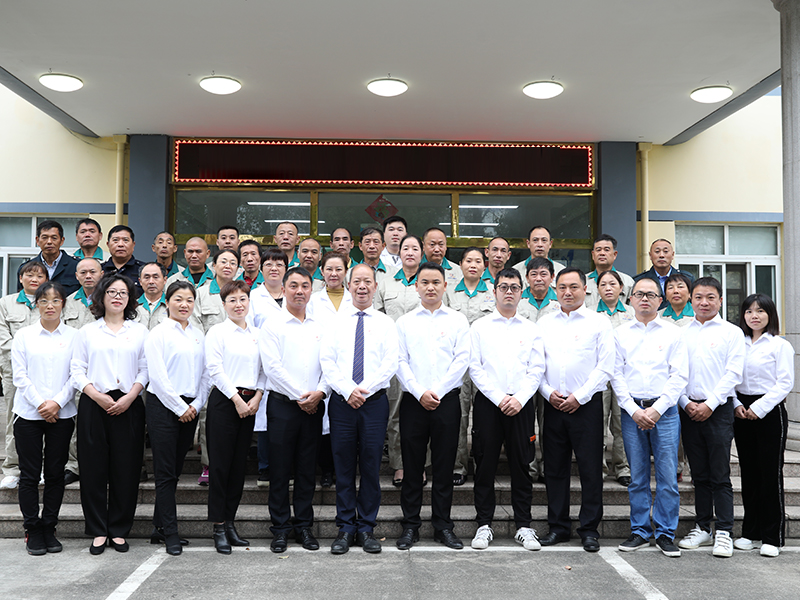
Operating state-of-the-art factories in Shanghai and Wuxi while actively shaping industry standards.
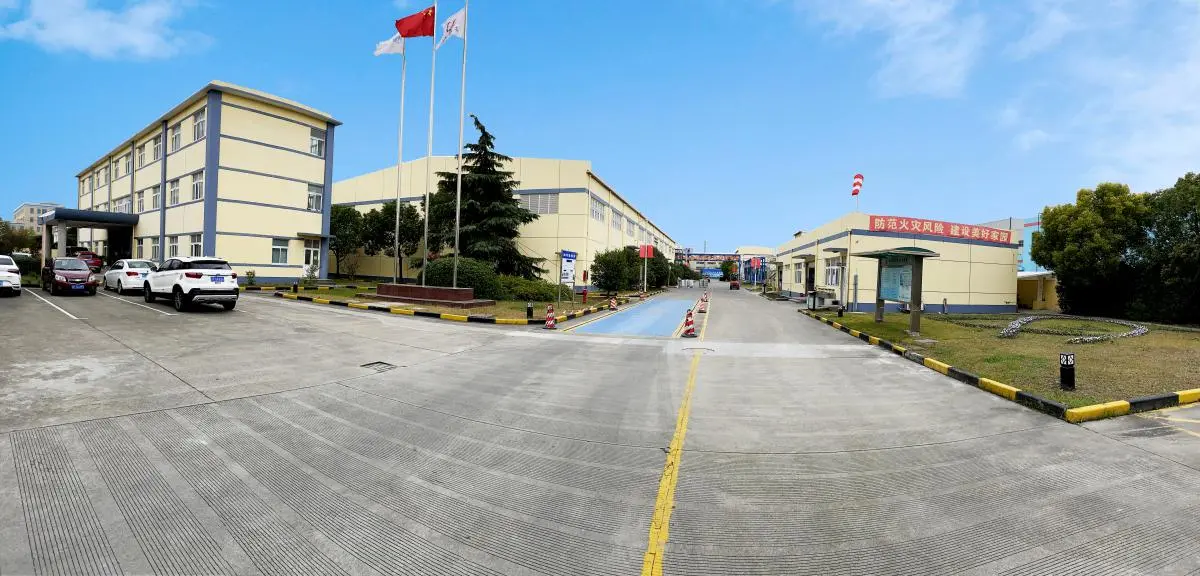
Our main hub for product development, global sales operations, and advanced quality testing, equipped with a centralized testing laboratory.
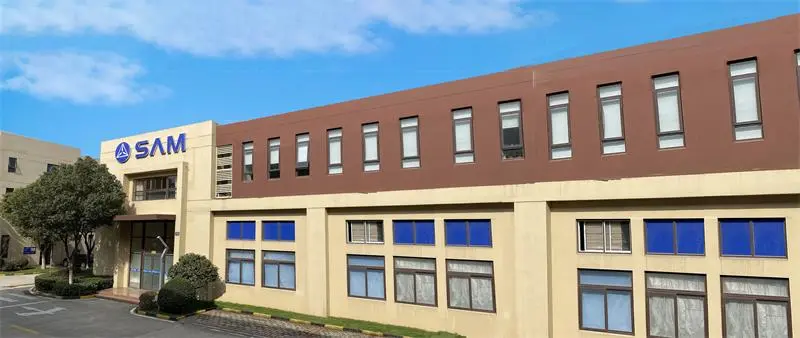
Our primary facility for large-scale production of molecular sieves and activated alumina, utilizing automated high-temperature calcination kilns.
We actively participate in drafting and setting national chemical and machinery guidelines in China.
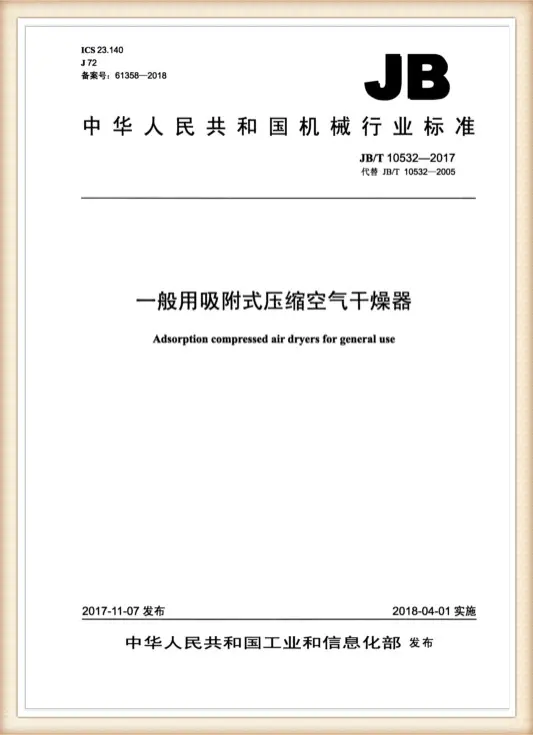
JB / T 10532-2017
Adsorption compressed air dryers for general use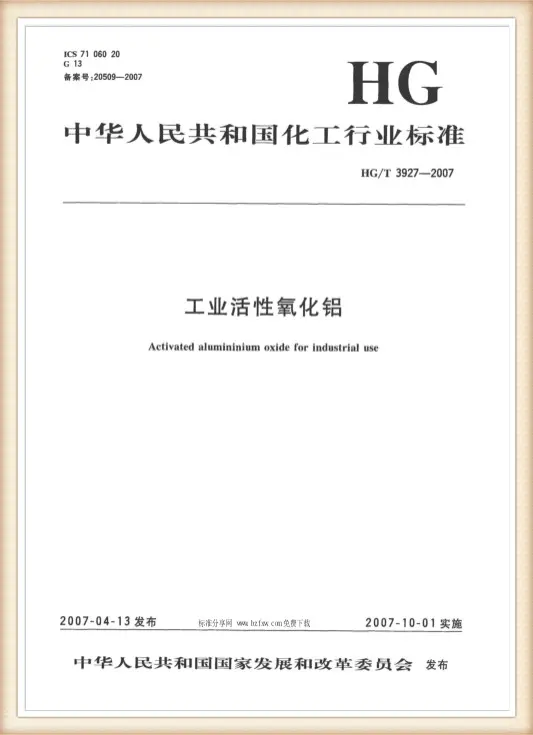
HG / T 3927-2007
Activated aluminium oxide for industrial use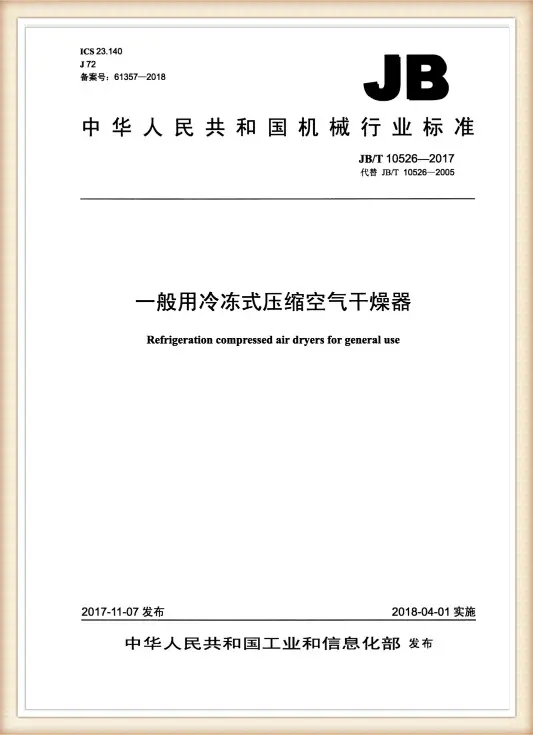
JB / T 10526-2017
Refrigeration compressed air dryers for general use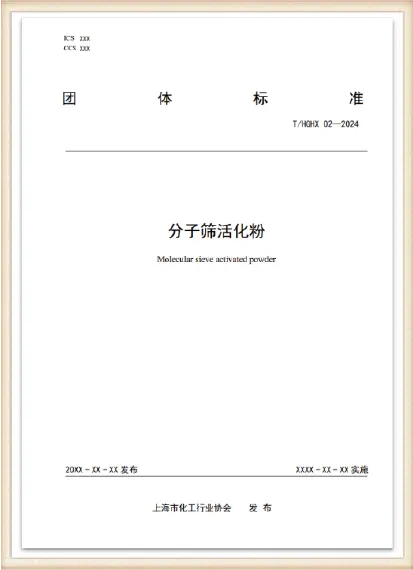
T/CGMA1201-2024
Advanced Air Treatment Standards Group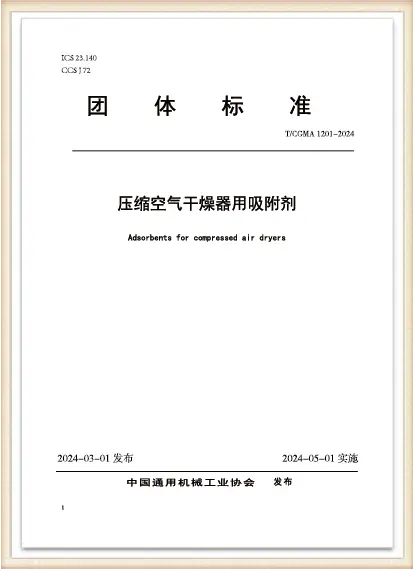
T/HGHX 02—2024
Chemical Adsorption Material Specifications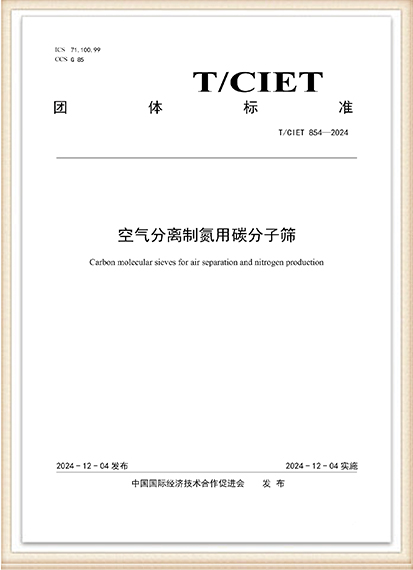
T/CIET 854-2024
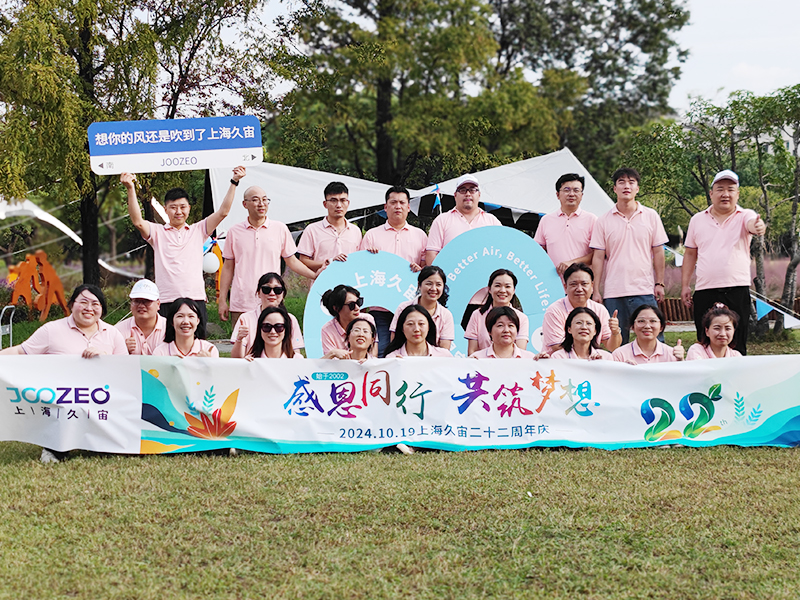
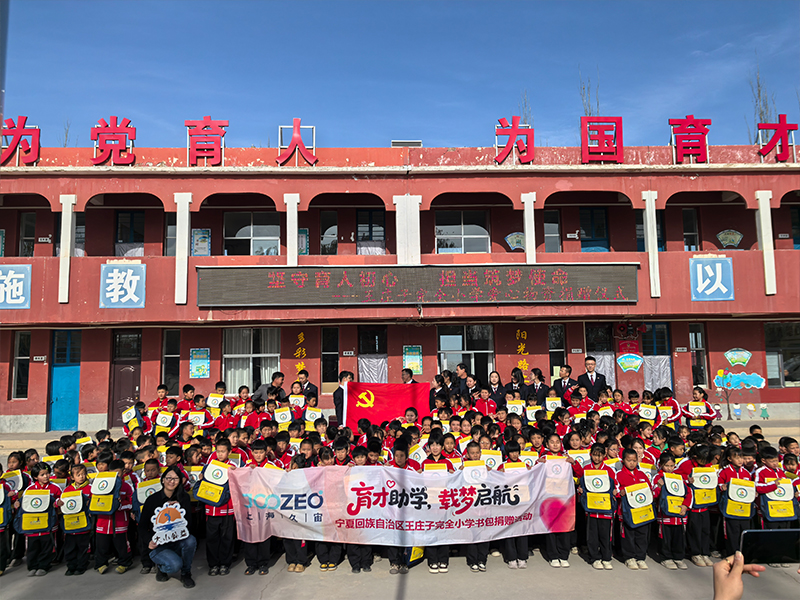
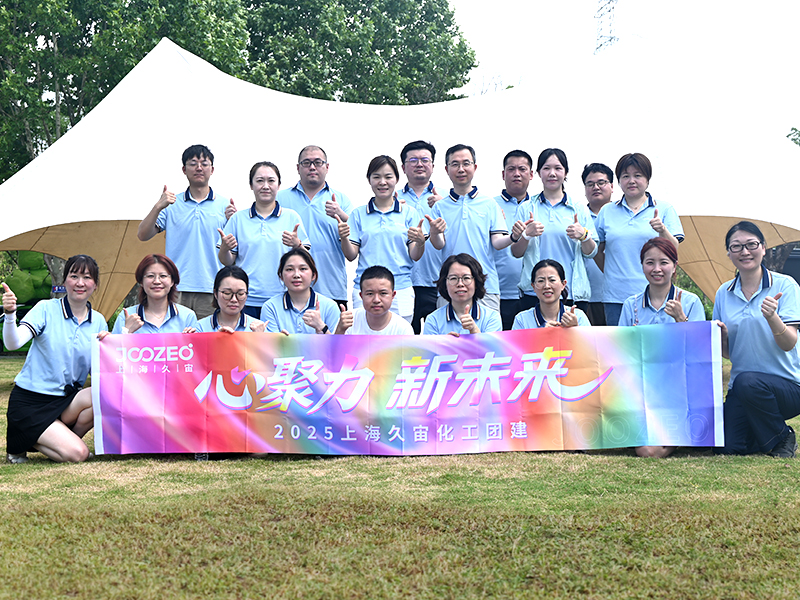
Green Chemical Processing Certification"Better air, Better life" — Our commitment to environmental responsibility goes beyond our products, guiding our manufacturing practices as well.
Expert answers to common engineering questions regarding the application and deployment of molecular sieves and activated alumina.
Complete your environmental treatment systems with our high-grade sodium silicates and carbon molecular sieves.
Connect with our engineering team to receive customized pricing, technical data sheets, and custom adsorption solutions for your wastewater system.
Send Inquiry Request