Explore our high-performance molecular sieves, activated oxides, and customized synthetic zeolites manufactured to rigorous industrial standards.
A technical examination of crystalline sodium aluminosilicates with faujasite (FAU) topology for gas purification and component separation.
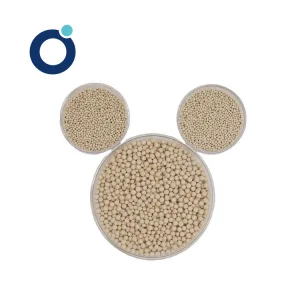
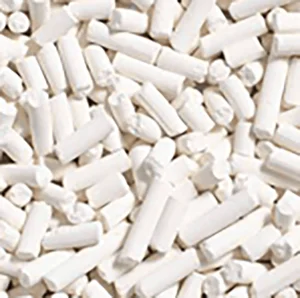
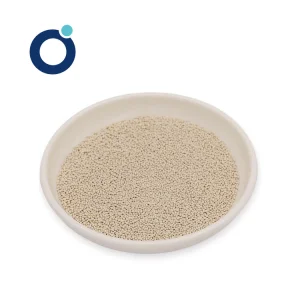
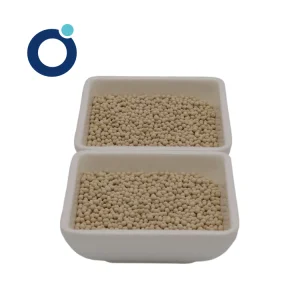
Zeolite 13X is the sodium form of the type X crystal structure, representing an alkali metal aluminosilicate with an effective pore opening of approximately 10 Angstroms (1.0 nm). This pore size enables the adsorption of molecular species with kinetic diameters up to 1.0 nm, making it uniquely qualified to process molecules that cannot enter narrower channel lattices like 3A, 4A, or 5A molecular sieves. Structurally designated with a framework density of about 1.25 g/cm³ and a typical silicon-to-aluminum ratio (Si/Al) of 1.2 to 1.5, Zeolite 13X exhibits strong electrostatic fields inside its internal cavities due to the presence of exchangeable sodium ($Na^+$) cations.
The FAU structure provides a large theoretical surface area (typically >700 m²/g) and a high adsorption capacity for polar molecules and molecules containing polarizable electron configurations. This includes carbon dioxide ($CO_2$), hydrogen sulfide ($H_2S$), sulfur dioxide ($SO_2$), mercaptans, and aromatic compounds.
By leveraging the strong electrostatic field of the sodium cations, Zeolite 13X preferentially captures trace impurities in complex gas streams. This characteristic is critical for removing trace carbon dioxide and moisture from air streams prior to cryogenic liquefaction.
| Technical Parameter | Typical Value (Spherical Bead Form) | Testing/Compliance Standard |
|---|---|---|
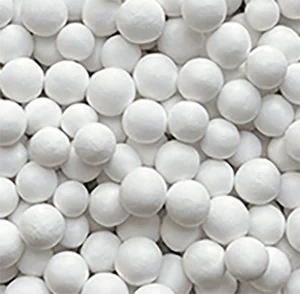
| Nominal Pore Diameter | 10 Å (1.0 nm) | IUPAC Framework Classification | Bulk Density | 0.62–0.70 g/ml | ASTM D2854 |
| Static H2O Adsorption Capacity (25°C, RH 60%) | ≥ 26.0 wt% | HG/T 3927-2007 Compliance Methods |
| Static CO2 Adsorption Capacity (25°C, 250 mmHg) | ≥ 18.0 wt% | Gas Chromatographic Volumetric Analyzer |
| Crushing Strength (Size 3-5 mm) | ≥ 80 N / bead | ASTM D4179 |
| Attrition Loss Rate | ≤ 0.1 wt% | ASTM D4058 |
| Residual Moisture Content (as packaged) | ≤ 1.5 wt% | Loss on Ignition (LOI) at 575°C |
Analyzing the deployment of Zeolite 13X in core industrial landscapes, modern purification plants, and clean energy supply chains.
In modern metallurgical, petrochemical, and electronics industries, high-purity nitrogen, oxygen, and argon are generated via cryogenic air separation. Before the air can be cooled to liquid temperatures, all traces of moisture ($H_2O$) and carbon dioxide ($CO_2$) must be removed down to sub-ppm levels (typically <0.1 ppm for $H_2O$ and <1.0 ppm for $CO_2$). If left unchecked, these components freeze in the primary heat exchangers, blocking process passages and causing catastrophic plant shutdowns. Zeolite 13X is deployed in thermal swing adsorption (TSA) or pressure swing adsorption (PSA) beds as the primary barrier, preventing freeze-out and ensuring uninterrupted operation.
Natural gas sweetening requires the selective removal of hydrogen sulfide ($H_2S$), carbon dioxide ($CO_2$), and volatile sulfur species (mercaptans) to protect transmission pipelines from corrosion and meet strict environmental emissions criteria. Zeolite 13X is widely used in dry-bed sweetening processes. Thanks to its larger pore structure compared to 4A or 5A, it can simultaneously co-adsorb trace heavy mercaptans alongside $CO_2$ and $H_2S$, eliminating the need for complex, multi-stage liquid wash units in isolated fields.
With the global shift toward decarbonization, Zeolite 13X has become a benchmark material for post-combustion carbon capture. Researchers and design institutes rely on the material's structural integrity and thermal stability under cyclic regeneration. The high electrostatic gradient of the FAU cage provides a high selectivity for $CO_2$ over $N_2$ at low to moderate partial pressures, offering a reliable, solid-adsorbent solution to replace volatile liquid amine scrubbers.
Combining world-class R&D, certified manufacturing, and deep standard-setting authority to support global partners in 80+ countries.
Located in the economic hub of Shanghai, Shanghai Jiuzhou Chemicals Co., Ltd. has spent three decades refining chemical processing, adsorbent R&D, and precision manufacturing. We supply molecular sieve powders, active powders, activated alumina, catalysts, sodium silicates, and advanced zeolites.
Our operations adhere to the strict principles of "Quality Control & Technical Innovation". Jiuzhou holds ISO 9001:2008 quality management certification alongside audits by TUV and SGS. Our central laboratory, equipped with modern monitoring and analysis instruments, ensures our products consistently meet or exceed international standards.
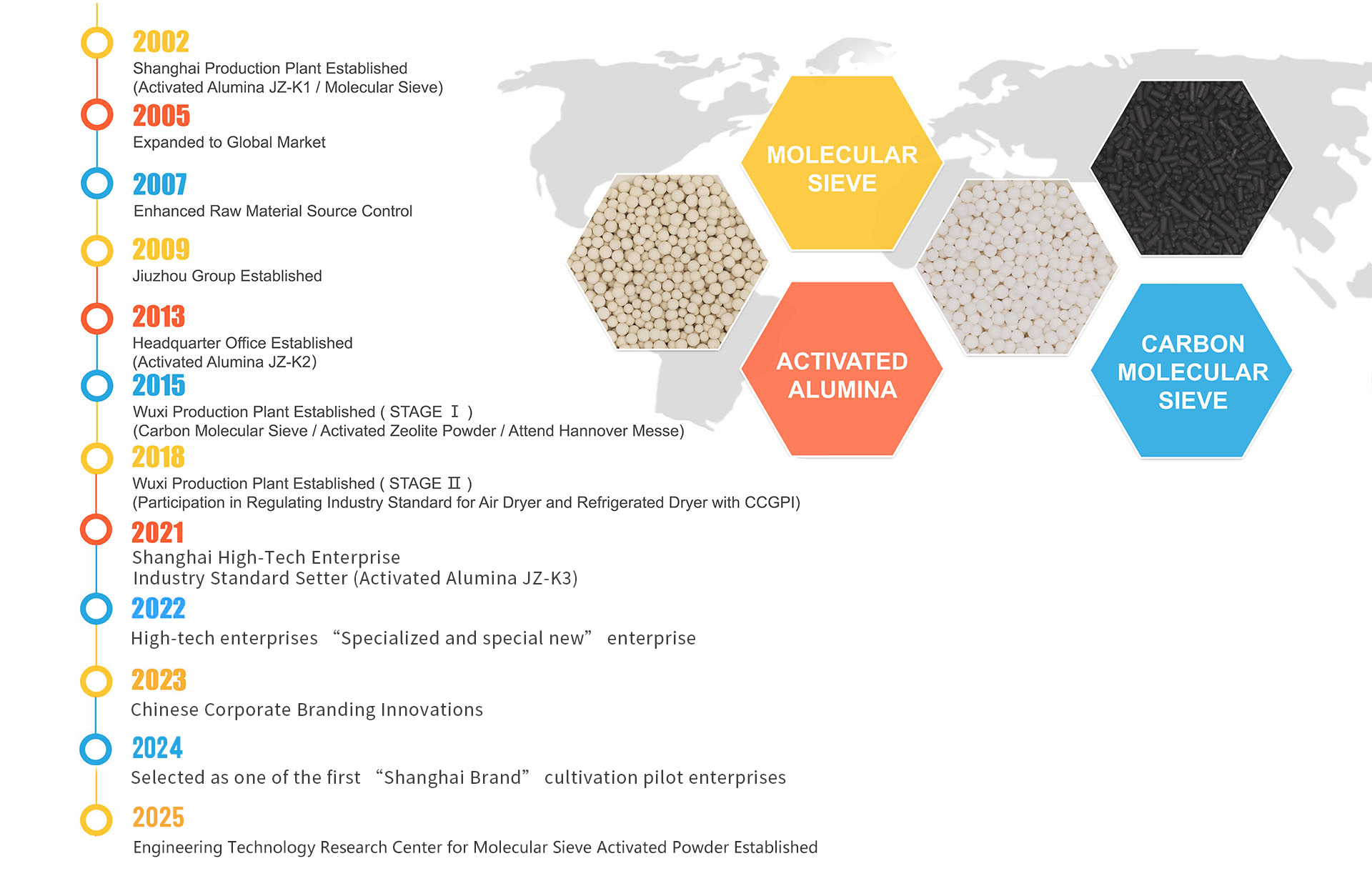
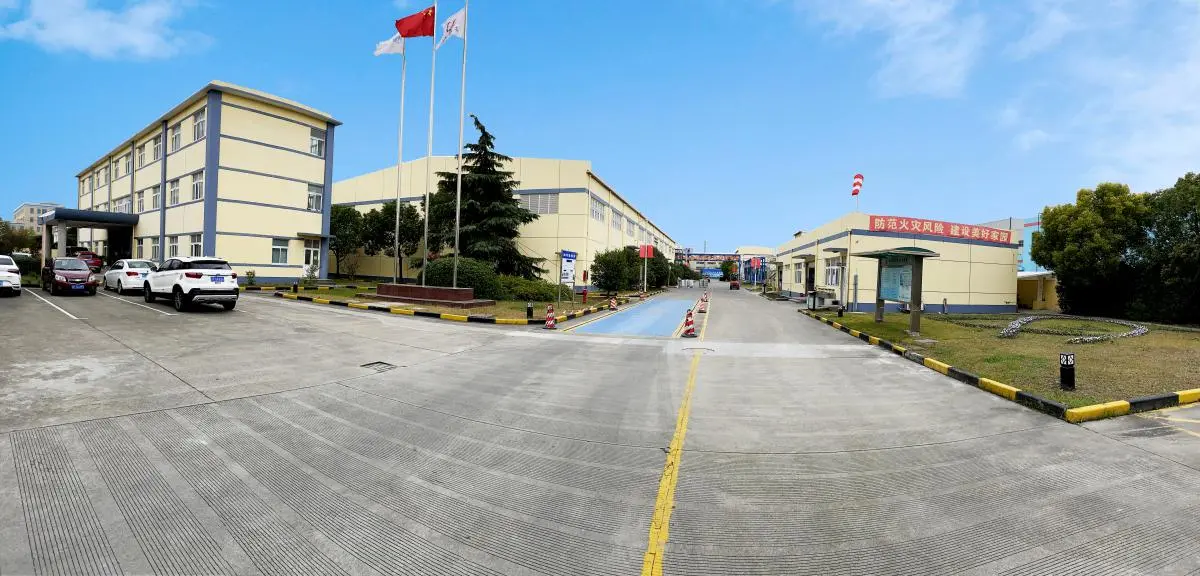
Our Shanghai and Wuxi factories operate multi-functional, automated production workshops that maintain tight control over temperature, humidity, and particle size distribution. This consistency minimizes dust formation and pressure drops during transport and operation.
Our dynamic laboratories simulate real-world plant conditions, including high pressures and temperatures, to test mass transfer zones, mechanical crush strength, and adsorption kinetics under load. This rigorous testing translates to extended bed lifetimes and reduced operational costs for our clients.
As an industry leader, Shanghai Jiuzhou Chemicals actively shapes standardizations. We contribute to national and industrial standards for dryers, desiccant materials, and industrial molecular sieves, ensuring our products align with the latest engineering regulations.
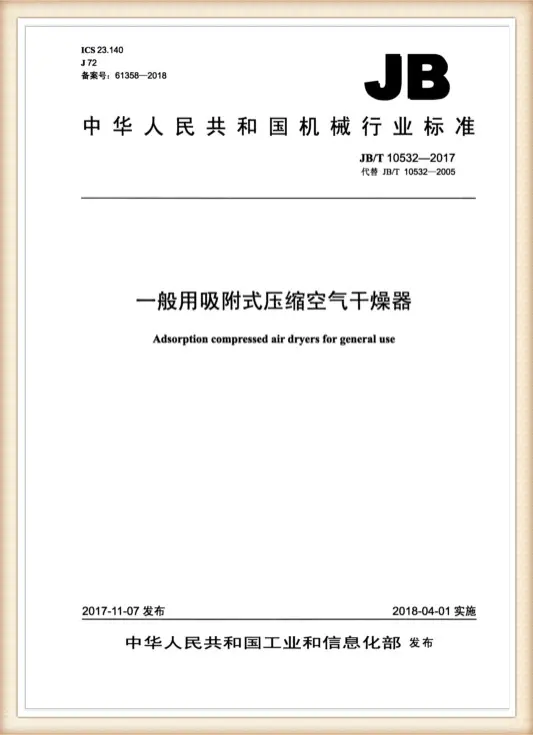
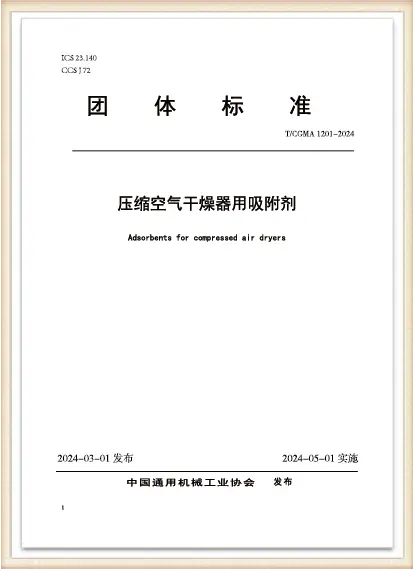
Adsorption compressed air dryers for general use
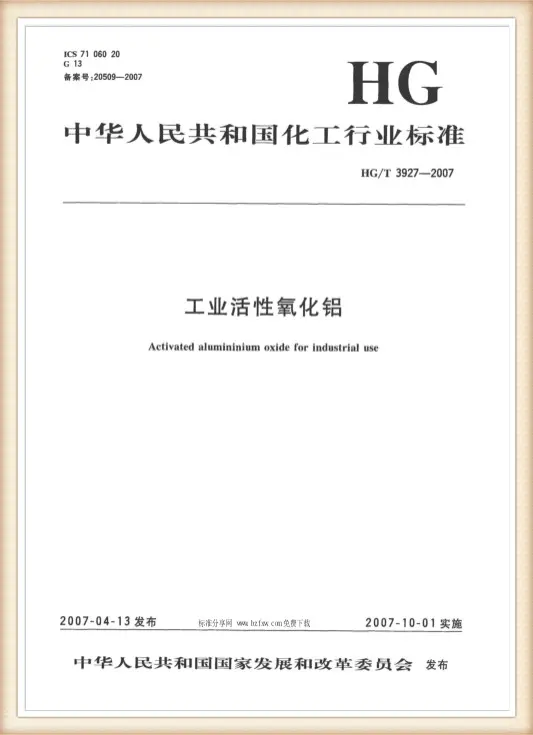
Activated aluminum oxide for industrial use
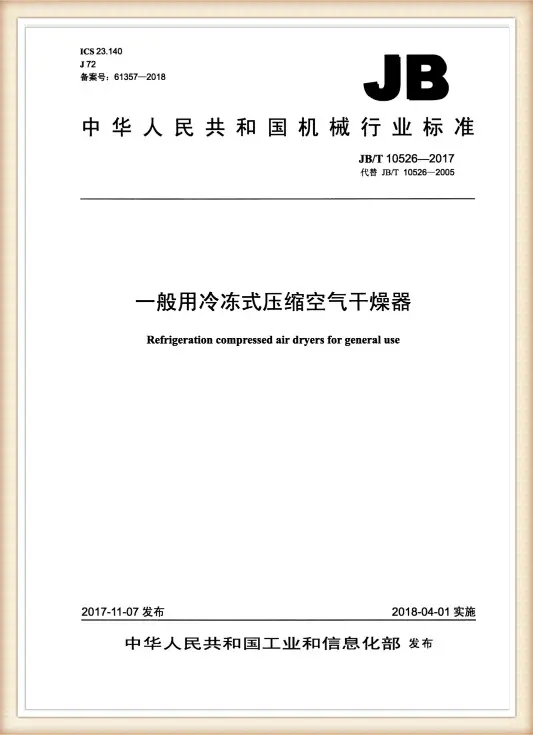
Refrigeration compressed air dryers for general use
Industrial Standards Association
Chemical Standards and Formulation Guidelines
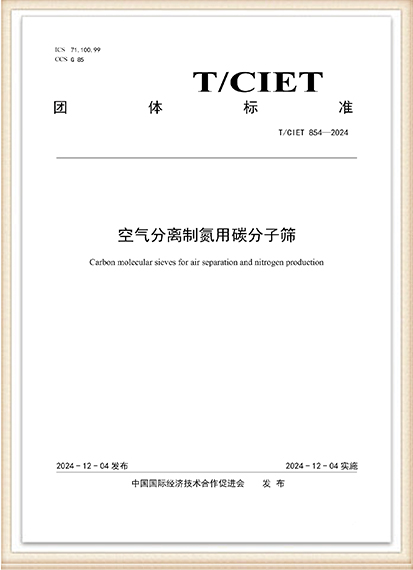
Green Chemical Manufacturing and Low-carbon standard
Adapting molecular sieve technologies to localized environments while steering next-generation material science.
Industrial plants face varying operational environments, from the high humidity of Southeast Asia and Latin America to the high desert temperatures of the Middle East. Standard molecular sieves can degrade under extreme swings in humidity and temperature.
Jiuzhou addresses these challenges by modifying the cation-exchange ratios and optimizing the mechanical binding matrices of our Zeolite 13X. For tropical coastal installations, we provide hydrophobic-passivated pre-layers that prevent early water saturation, safeguarding the downstream carbon dioxide capture zones. In colder regions, we adjust regeneration heating cycle protocols to conserve thermal energy during desorption.
Our R&D roadmap focuses on improving the hydrothermal stability and operational longevity of our products. Traditional binder materials can degrade after repeated high-temperature thermal swings. To address this, Jiuzhou is developing binderless Zeolite 13X variants.
By converting the clay binders directly into active crystalline structures, we can increase the volumetric adsorption capacity by up to 20%, reducing the overall volume of adsorbent required for equivalent processing rates.
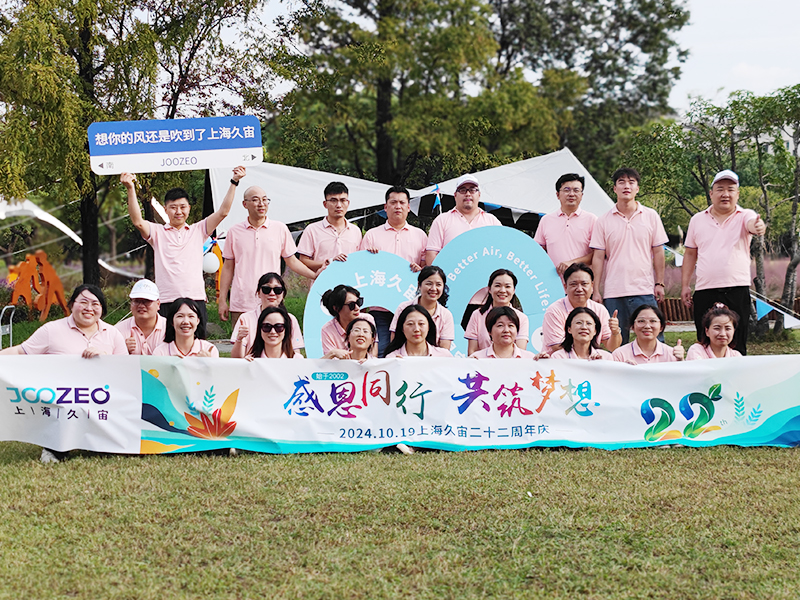
Our core mission, "Better air, Better life", drives our commitment to developing energy-efficient adsorption solutions. By lowering the required desorption temperatures for Zeolite 13X, we help our partners reduce fuel and electricity consumption in their recovery and regeneration loops. Inside our factories, we prioritize zero-dust collection systems and closed-loop water recirculation to minimize our environmental footprint.
Technical answers to common engineering questions regarding the handling, design, and performance optimization of 13X molecular sieves.
The structural difference lies in their crystal cage geometries and pore sizes. Zeolite 4A (pore size ~4 Å) and Zeolite 5A (pore size ~5 Å) have a LTA (Linde Type A) topology, whereas Zeolite 13X features a FAU (Faujasite) topology. Zeolite 13X has a pore opening of approximately 10 Å (1.0 nm), which allows it to adsorb larger compounds like branched hydrocarbons, aromatic compounds, and large sulfur compounds (like mercaptans) that are sterically excluded from 4A and 5A networks.
Nitrogen has a permanent quadrupole moment that interacts with the sodium ions in the 13X framework. While this property is useful for separating oxygen from nitrogen in air, it means that in $CO_2$ capture processes from flue gas or air prepurification, nitrogen competes for active adsorption sites. Designing columns with adequate length-to-diameter ratios and selecting optimized operating pressures helps ensure the higher electrostatic affinity of $CO_2$ displaces the co-adsorbed nitrogen, preserving the mass transfer zone.
For complete desorption of moisture and carbon dioxide, the heat of adsorption must be overcome. This is typically achieved with dry regeneration gas heated to between 250°C and 320°C (with bed outlet temperatures reaching at least 150°C to 180°C). While Zeolite 13X can withstand temperatures up to 600°C for short periods, operating above 350°C for extended regeneration cycles can cause hydrothermal degradation, accelerating crystal collapse and structural aging.
Water is highly polar and exhibits a strong affinity for the sodium cations in the zeolite matrix. If a gas stream contains both water vapor and carbon dioxide, water will be adsorbed first, displacing previously captured $CO_2$ downstream. This is why dual-bed or layered designs use silica gel or activated alumina as a sacrificial pre-bed to remove bulk moisture before the gas stream reaches the Zeolite 13X layer, which is dedicated to final $CO_2$ and trace pollutant removal.
Discover our wider product portfolio designed for selective gas separation, nitrogen generation, and specialized petrochemical purification.
Whether you require optimization for cryogenic air separation beds, carbon capture pilot systems, or localized molecular sieve formulations, our engineering team is here to assist. We respond within 24 hours.
Send Request / Contact Our Engineers