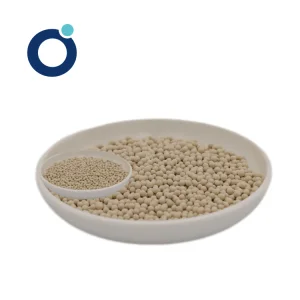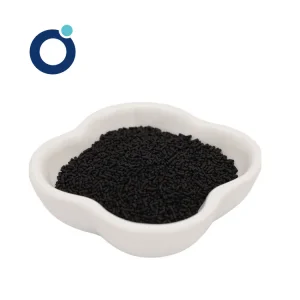
OEM Alumina Catalyst Manufacturers & Products

Global Tier-1 Chemical Sorbent, Custom Catalyst Carrier, and Desiccant Integration Solutions

About Shanghai Jiuzhou Chemicals Co., Ltd. (Joozeo)

Located in the premier economic development center of Shanghai, Shanghai Jiuzhou Chemicals Co., Ltd. (operating globally under the brand Joozeo) has long dedicated its resources to the research, development, and high-precision manufacturing of innovative chemical adsorbents, ceramic packings, and catalytic materials. Adhering to our core principles of "Quality Control 100% and Innovation 100%", we deliver advanced products designed for critical fluid processing applications worldwide.

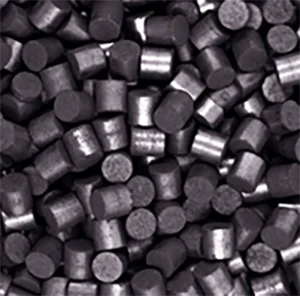
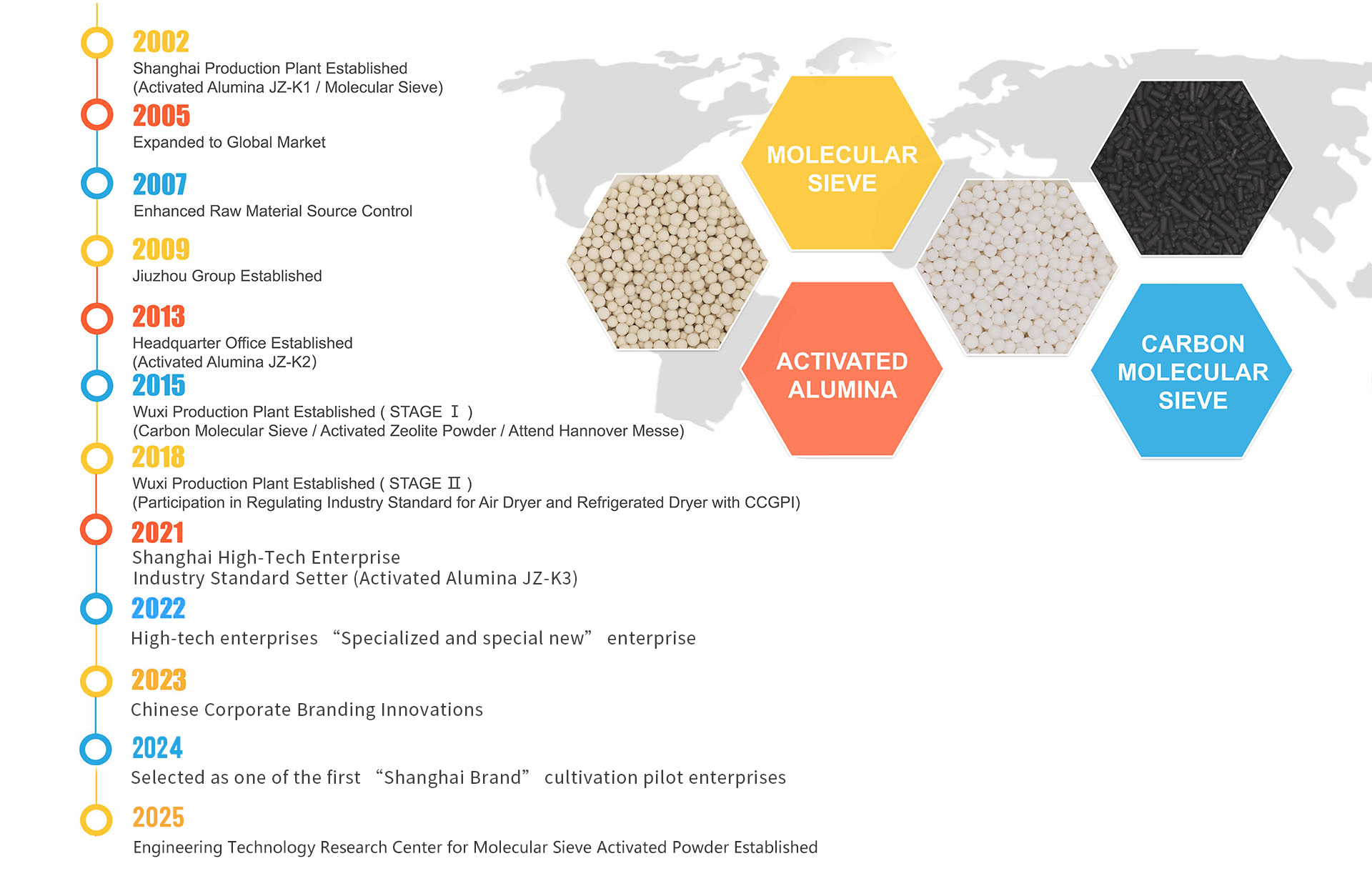
Our expansive product catalog spans various molecular sieve powders, active molecular sieves, activated alumina balls, customized aluminum oxide catalysts, various alumina packing materials, industrial ceramic balls, sodium silicates, aluminum hydroxides, and related alkaline compounds. Every batch produced in our facilities passes stringent quality audits. Joozeo holds certifications under ISO9001: 2008 Quality Management Systems, alongside verifications from world-recognized auditing bodies including TUV Rheinland and SGS.

Supported by dynamic laboratories and state-of-the-art testing equipment, Joozeo products are deployed in over 80 countries. Our sales networks span the United States, Southeast Asia, Japan, Europe, Latin America, and the Middle East. We provide tailored, sustainable solutions that reduce industrial energy consumption, maximize separation efficiency, and guarantee long-term operational reliability.

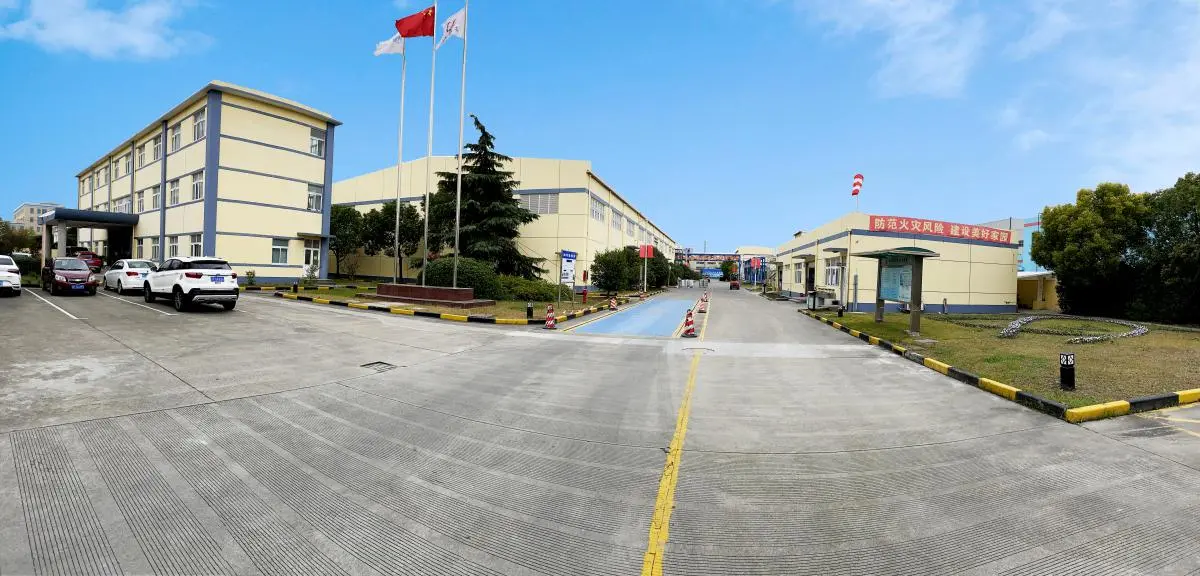
Jiuzhou Chemistry Facility
1994
Established Year
80+
Trading Countries
25,000
Facility Area (sq.m)

1. The Global Landscape of Activated Alumina Catalysts

Activated alumina ($\gamma-\text{Al}_2\text{O}_3$) serves as one of the most critical structural components in industrial heterogeneous catalysis. Thanks to its high specific surface area, structured pore-volume distribution, and customizable surface chemistry (acidic, basic, or neutral sites), alumina acts both as an active catalyst and a robust catalyst carrier. In global petrochemical, natural gas processing, and environmental protection systems, the demand for customizable alumina carriers has grown dramatically.

Internationally, the market for activated alumina catalysts is shifting toward tailored pore distributions (bimodal and multimodal) that minimize diffusion limitations in heavy hydrocarbon streams. Refineries and chemical manufacturing plants are continuously working to reduce processing temperatures and increase selectivity. Achieving these goals requires highly specialized alumina carriers that can support active metals (such as Cobalt, Molybdenum, Nickel, Platinum, or Titanium) without suffering thermal degradation or phase changes at high temperatures.

2. Global Market Dynamics & Sustainability Pressures

The manufacturing sector for catalysts faces significant pressure to lower its carbon footprint during the calcination phase. This environmental focus has created a strong need for low-temperature active alumina catalysts and energy-efficient raw material pathways. In regions with strict environmental regulations like Europe and North America, refineries are using advanced Claus sulfur recovery catalysts to capture more than 99.5% of sulfur emissions from gas streams. As industrial operators optimize their production lines, they rely on custom OEM manufacturing to build catalysts tailored to their exact reactor dimensions, gas flow rates, and operating temperatures.

SEO Growth Insights (Information Gain): Modern catalytic systems require precise balance. Increasing the surface area of activated alumina often decreases its mechanical crush strength. To solve this problem, Joozeo uses advanced thermal stabilization techniques, such as doping the alumina lattice with rare-earth metals (Lanthanum, Cerium) or Silica, to prevent pore collapse under high hydrothermal pressure.

3. Technical Roadmap: The Evolution of Custom Alumina Carriers

To meet the needs of next-generation chemical processing, the technical development of alumina catalysts follows a clear path focused on precise structural design and improved chemical resistance:

Phase 1: Macro-porous Structural Stability

Optimizing mechanical crush strength (retaining >120 N/particle) while keeping a high BET surface area of 280–350 m²/g. This balance prevents catalyst degradation in high-velocity gas reactors.

Phase 2: Active Doping & Hybrid Composites

Adding controlled silica or titanium oxides to modify surface acidity. This step improves selectivity in complex reactions like alcohol dehydration, Claus reactions, and selective hydrogenations.

Phase 3: Bimodal Micro/Meso Pore Design

Engineering pore networks with large macropores for rapid mass transfer alongside mesopores that house active sites. This structure helps minimize coke formation and catalytic poisoning.

4. Macro-Industrial Solutions & Localized Applications

Alumina catalysts are critical to a wide variety of industrial processes. Below are the key applications where Joozeo's customized OEM solutions are utilized:

A. Claus Sulfur Recovery (SRU) in Oil & Gas Refineries

In petrochemical refineries, sulfur compounds must be carefully extracted from crude oil feedstocks. The Claus process converts toxic hydrogen sulfide ($H_2S$) into elemental sulfur: $$2H_2S + SO_2 \rightleftharpoons 3S + 2H_2O$$ Our titanium-doped activated alumina catalysts resist sulfate poisoning, ensuring high conversion rates even in the presence of trace oxygen contamination.

B. Deep Dehydration of Polymer-Grade Olefins

In polyethylene and polypropylene production, even trace moisture (less than 1 ppm) can poison polymerization catalysts. Joozeo’s high-density molecular sieves and activated alumina adsorbents remove moisture, carbon dioxide, and sulfur species to protect downstream reactors.

C. Pressure Swing Adsorption (PSA) for Industrial Gases

Modern PSA systems generate high-purity oxygen, nitrogen, and hydrogen. Our molecular sieves work in tandem with activated alumina layers to remove carbon dioxide and water vapor from incoming air, ensuring clean gas feedstocks.

D. Water Purification: Defluoridation & Heavy Metal Adsorption

Municipal and industrial wastewater treatment plants use our activated alumina's high surface area to extract fluoride, arsenic, and heavy metals from aqueous solutions. This purification process helps local municipalities meet strict environmental safety regulations.
Co-Drafted Industrial Standards

Joozeo plays an active role in drafting and establishing national standards for the chemical adsorbent industry, including:

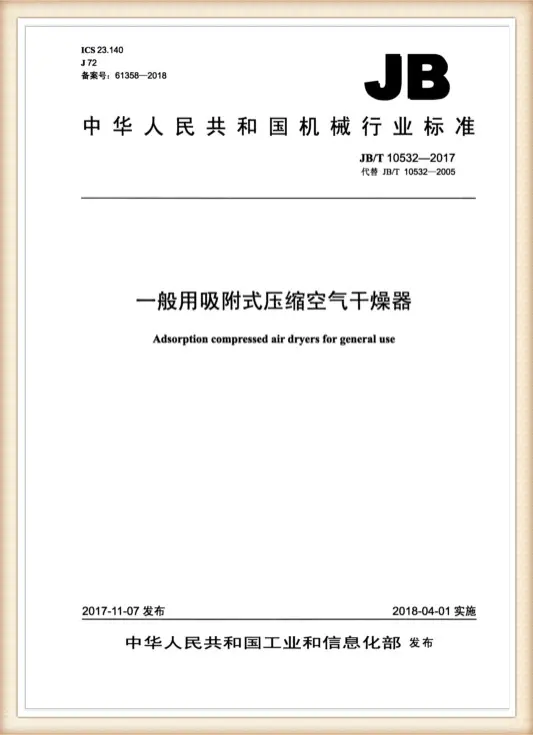
Standard JB/T 10532-2017
JB / T 10532-2017

Adsorption compressed air dryers for general industrial use.

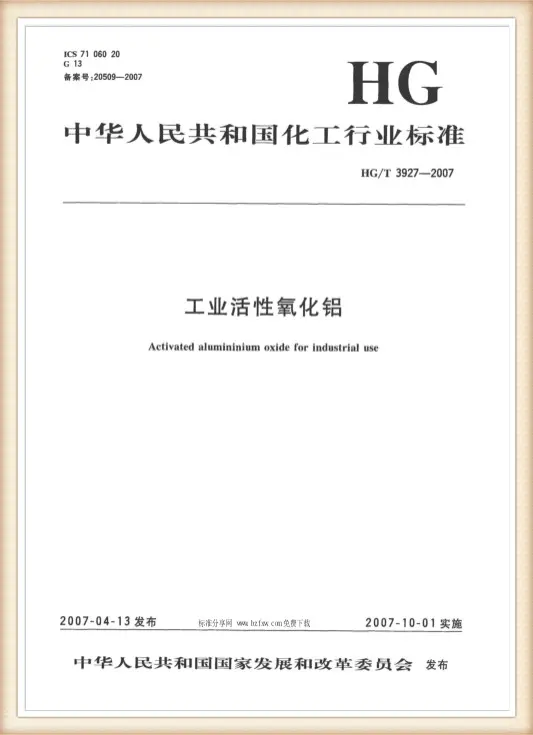
Standard HG/T 3927-2007
HG / T 3927-2007

Activated aluminum oxide catalysts for industrial applications.

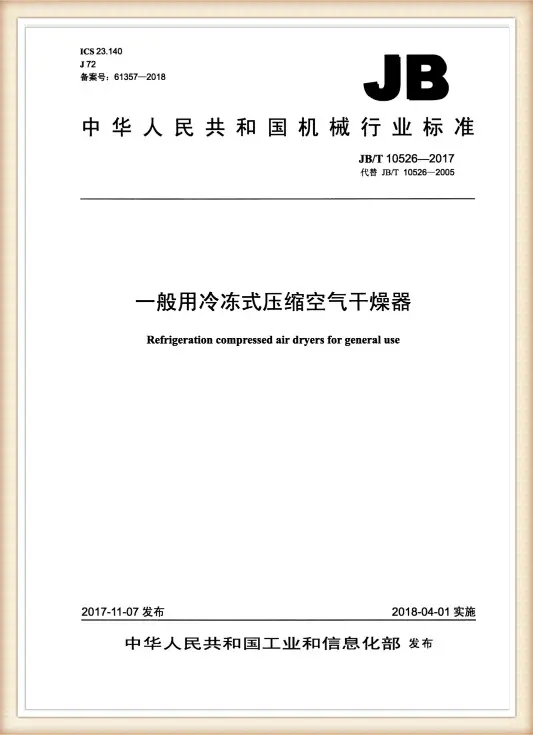
Standard JB/T 10526-2017
JB / T 10526-2017

Refrigeration compressed air dryers for general industrial use.

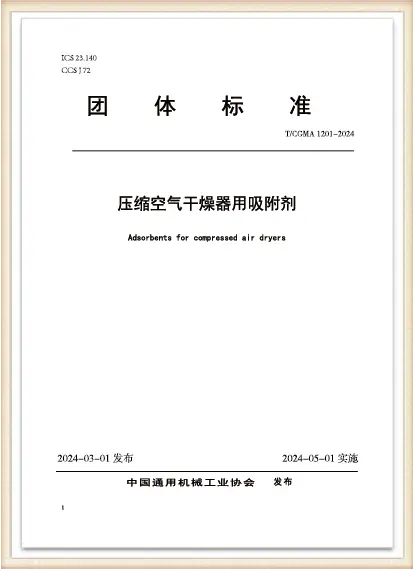
Standard T/CGMA1201-2024
T / CGMA 1201-2024

Adsorption components and drying technical operations.

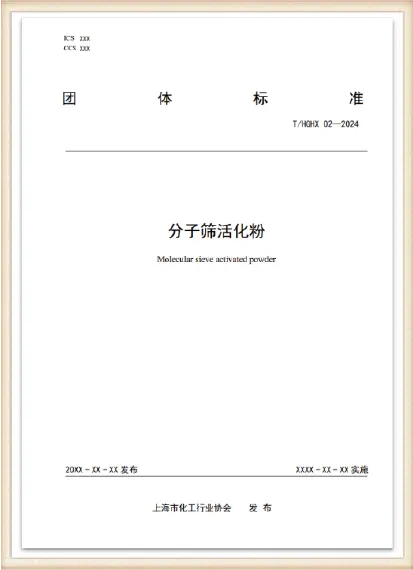
Standard T/HGHX 02-2024
T / HGHX 02-2024

Activated alumina chemical properties testing protocols.

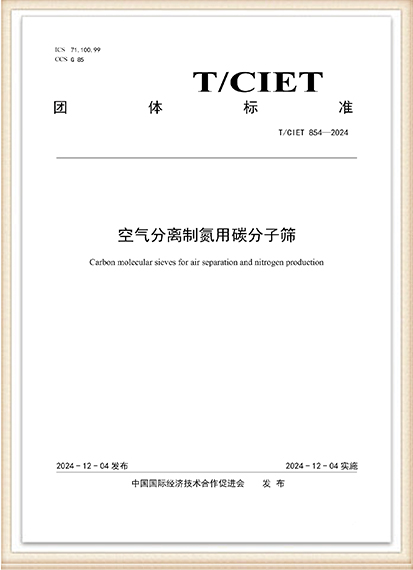
Standard T/CIET 854-2024
T / CIET 854-2024

Carbon footprint calculations for adsorbent manufacturing.

Advanced Manufacturing Hubs

Our dual-factory manufacturing system ensures uninterrupted logistics and consistent batch quality for high-volume orders:

Shanghai Production Plant Shanghai Factory
Wuxi Processing Center Wuxi Factory

Social Responsibility & Sustainable Operations

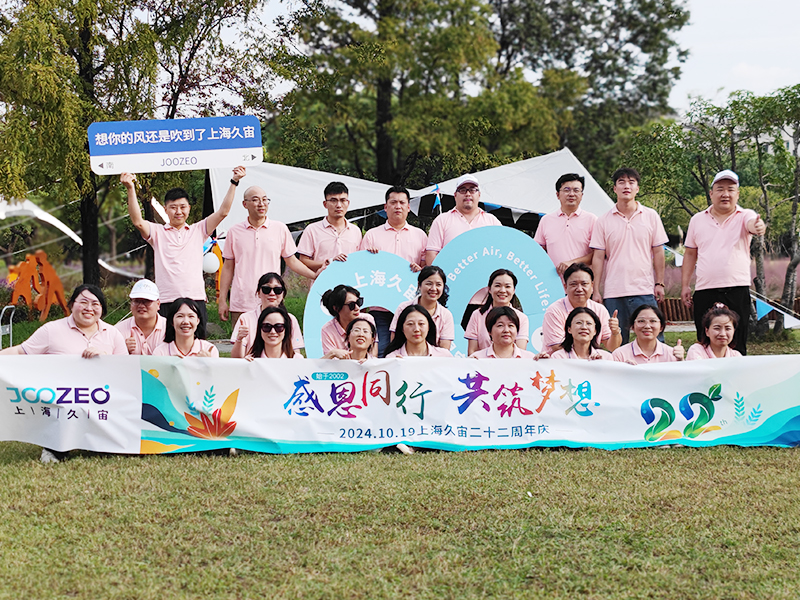
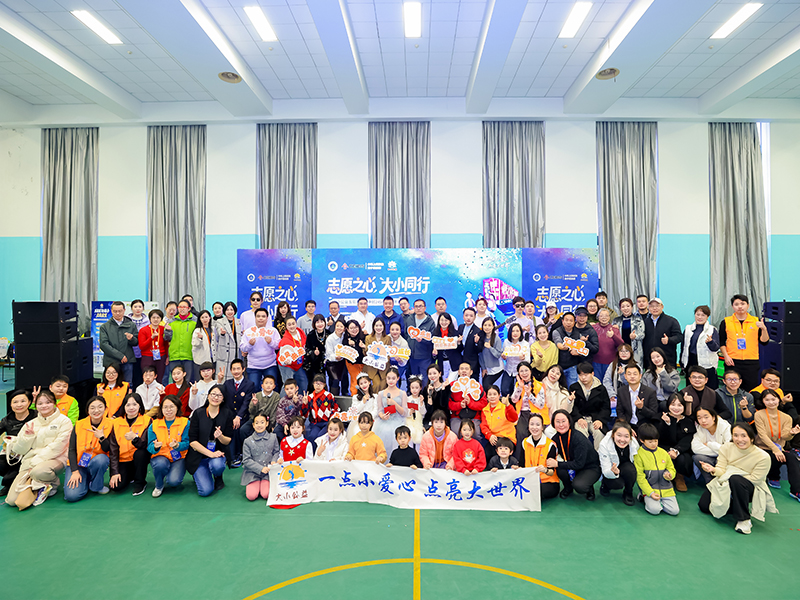
"Better air, Better life" is our core operational philosophy. We continuously audit our production plants to minimize energy consumption, recycle process heat, and reduce waste emissions during calcination.

Environmental Inspection Eco Plant Integration Green Energy Certification Process Quality Control Waste Treatment Center Industrial Safety Standards Advanced Catalyst Testing ISO Quality Assurance Auditing

Industrial FAQ & Technical Support

Find answers to common technical, manufacturing, and operational questions about our activated alumina and molecular sieve products.

Q1: What are the primary differences between active molecular sieves and activated alumina?
Activated alumina relies on transition-state aluminum oxides ($\gamma-\text{Al}_2\text{O}_3$) and offers a broad range of pore sizes, making it ideal for bulk water removal and catalyst support. Molecular sieves are crystalline aluminosilicates with uniform pore sizes (such as 3A, 4A, 5A, or 10A). They are designed for high-selectivity gas separation and deep dehydration down to less than 1 ppm water content.
Q2: How does Joozeo customize pore volume and size distributions for OEM orders?
We adjust our manufacturing parameters by controlling the calcination temperature, selecting specific precursor materials (such as boehmite or pseudo-boehmite), and using organic pore-forming agents. This allows us to tailor the macro-, meso-, and micropore distributions to match your target catalyst diffusion profile.
Q3: How does Joozeo ensure the mechanical reliability of its catalysts under high stress?
We test our catalysts using ASTM-standard radial crush strength testers to ensure they meet minimum mechanical specifications. By optimizing our high-pressure extrusion and pelletization processes, our alumina catalysts retain high crush strength (often exceeding 120 N for spherical beads) even under high temperature and pressure.
Q4: Can activated alumina catalysts be regenerated, and what is the typical procedure?
Yes, deactivated alumina catalysts can be regenerated. The standard process involves thermal desorption, heating the catalyst bed to 180°C–250°C using a dry sweep gas (such as nitrogen or clean air) to drive off adsorbed moisture and light organic deposits without damaging the internal pore structure.
Q5: Which industrial standards guide Joozeo’s catalyst manufacturing?
Our production lines follow national chemical standards including HG/T 3927-2007 (for industrial activated alumina) and JB/T 10532-2017 (for adsorption-based compressed air dryers). Our operations are also fully certified under the ISO 9001:2008 Quality Management System.
Q6: How does dopant addition (like Silica or Titanium) improve catalyst life?
Doping alumina with small amounts of Silica ($SiO_2$) or Titanium Oxide ($TiO_2$) prevents the material from transforming into less active phases ($\theta$ or $\alpha$-alumina) at high temperatures. These dopants also help protect the catalyst from sulfur and heavy metal poisoning in harsh reaction environments.
Q7: What is the typical lead time for custom OEM alumina catalyst orders?
Standard formulations are ready to ship within 2 to 3 weeks. Custom OEM projects, which require specific shapes, dopants, or target pore structures, generally take 4 to 6 weeks. This timeline includes prototyping, mechanical strength checks, and pilot batch validation.

Partner with Joozeo for Custom OEM Catalyst Production

Our engineering support team is ready to assist you. Send us your required specifications, shapes, and target applications, and we will reply within 24 hours.

Send Request