Explore our industrial-grade catalog of molecular sieves, alumina catalysts, silica gels, and advanced adsorbents tailored for global industrial applications.
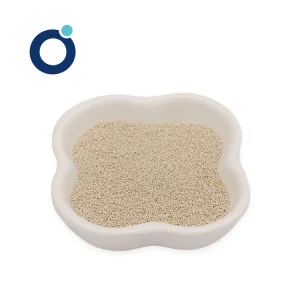
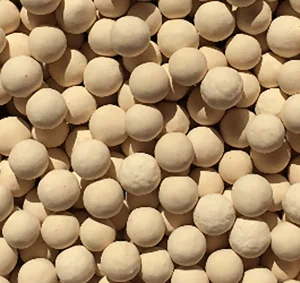
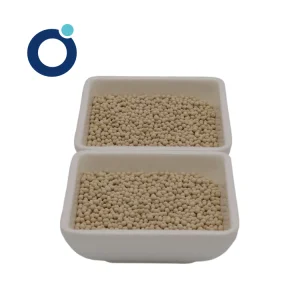
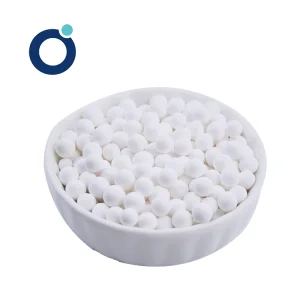
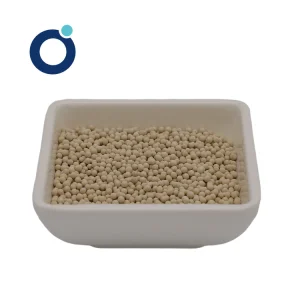
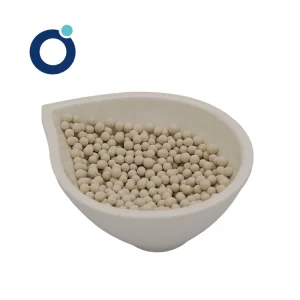
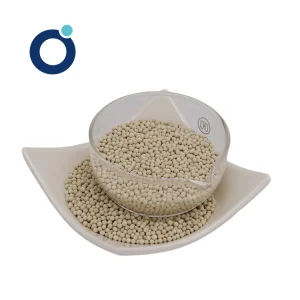
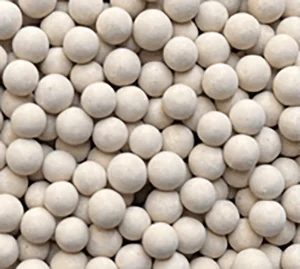
Desiccant Alumina Balls (commonly known as Activated Alumina) are transition-phase aluminum oxides ($\gamma-\text{Al}_2\text{O}_3$ and $\eta-\text{Al}_2\text{O}_3$) possessing highly developed porous structures, tremendous specific surface area, and superior mechanical crushing strength. They are the backbone of modern industrial drying technologies, offering high-efficiency dehydration of gases and liquids under demanding process conditions.
The primary mechanism of desiccant alumina is physical adsorption (physisorption) governed by capillary condensation and electrostatic forces. The high polar affinity of the transition-state alumina surface attracts polar molecules—predominantly water ($H_2O$)—into its massive internal capillary network. Unlike silica gels, activated alumina maintains its structural integrity and exhibits minimal decrepitation (cracking or bursting) when exposed to liquid water droplets, making it the preferred media for desiccant air dryers, gas separation units, and petrochemical catalyst purification loops.
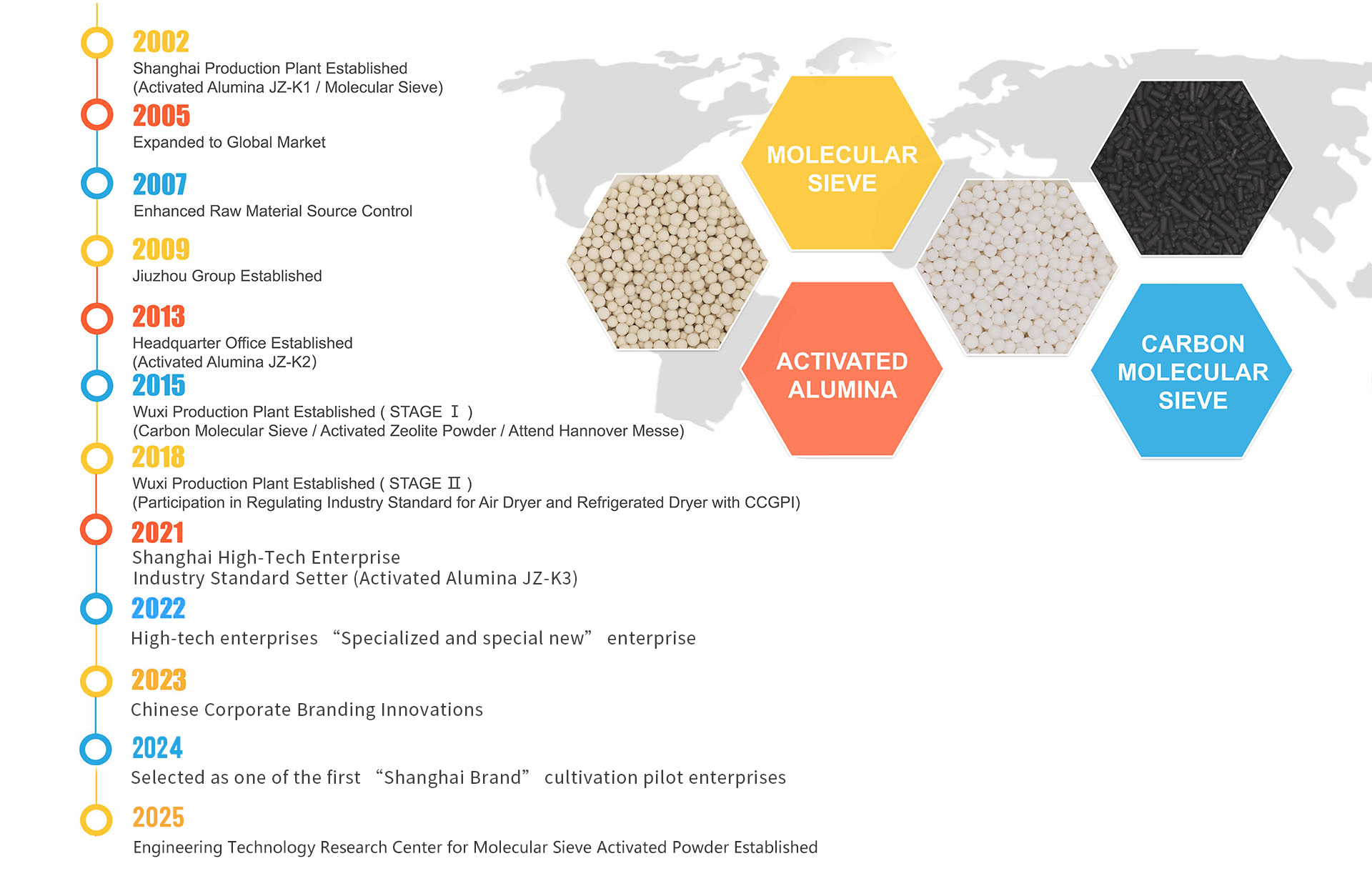
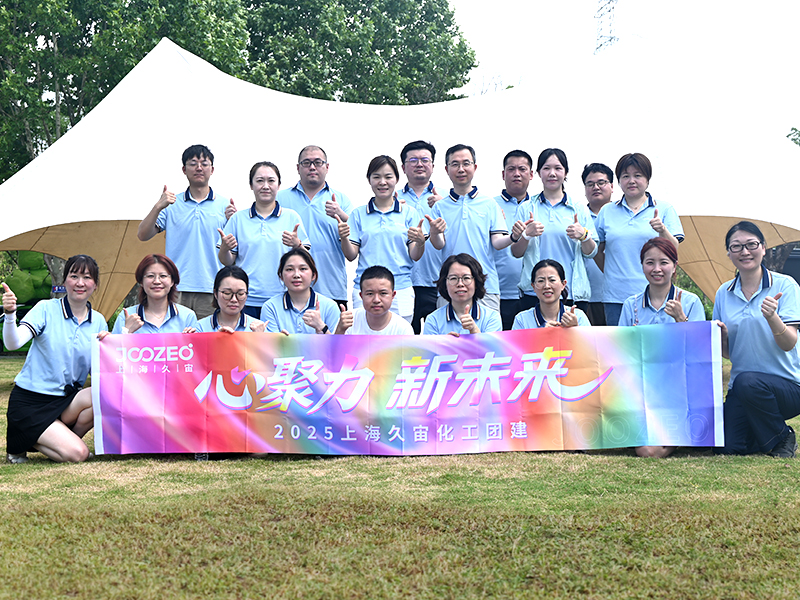
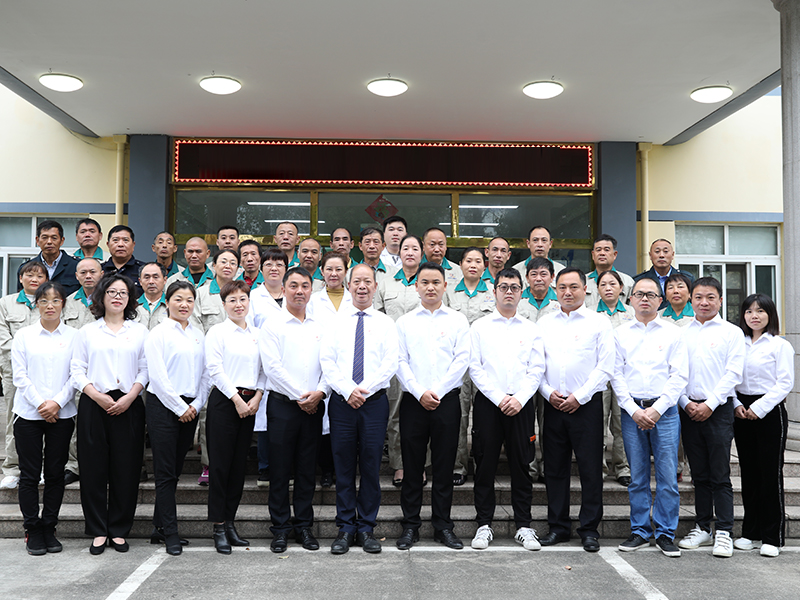
Shanghai Jiuzhou Chemicals Co., Ltd. (operating globally under the brand JOOZEO) is a premier chemical research, development, and high-performance manufacturing enterprise based in Shanghai, China. Established in 1994, we have committed three decades to the innovation and production of superior molecular sieves, activated powder, activated alumina, catalysts, and specialty ceramic packings.
Our state-of-the-art production hubs in Shanghai and Wuxi are certified under ISO9001:2008 quality management frameworks, with independent material performance verifications provided by TUV and SGS. We maintain an in-house central laboratory and multi-functional testing facility that mimic dynamically stressful industrial environments, ensuring that every batch shipped conforms to international quality benchmarks.
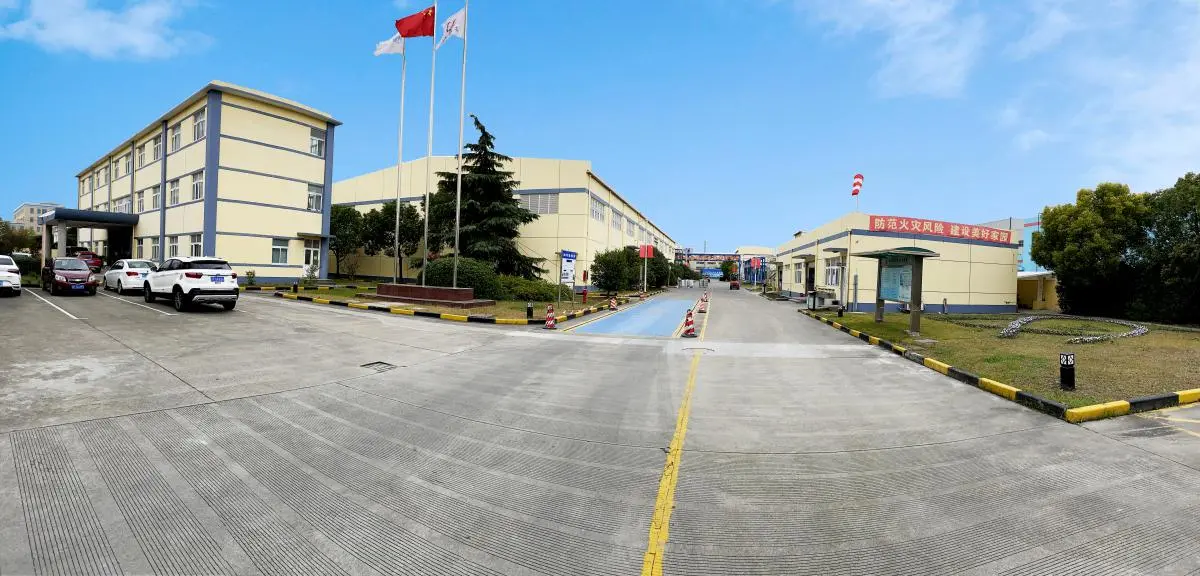
Shanghai Production Facility

Wuxi Production Facility
Procuring OEM desiccant alumina balls from JOOZEO's Chinese factories provides distinct technical, economic, and supply chain competitive advantages for global gas treatment system integrators and chemical exporters:
We source ultra-pure aluminum hydroxides directly from leading domestic refining hubs. This secure raw material pipeline ensures minimal silica, iron, and sodium contamination, resulting in highly stable transition-phase alumina crystal structure.
Our rotary kiln activation systems utilize advanced micro-processor controls to fine-tune calcination curves. This allows us to adjust pore diameter distribution, moisture adsorption curves, and custom sphere diameters (1-2mm, 3-5mm, 5-8mm, or custom ranges) to match specific dryer models.
Situated in the Shanghai Economic Zone, we have streamlined road transport routes directly connected to the Port of Shanghai. This ensures containerized freight rates remain highly competitive, reducing shipping lead times to the Americas, Europe, and Southeast Asia.
The global industrial gas and petrochemical purification landscape is undergoing major technological shifts. Modern system engineering demands adsorption media that not only achieves ultra-low dew points but also actively reduces energy usage during regeneration cycles.
Traditional heatless pressure swing adsorption (PSA) dryers consume between 15% and 20% of dry compressed air for purge regeneration. The industry is rapidly transitioning toward Heated Blower Dryers, Thermal Swing Adsorption (TSA), and Zero-Purge Compression Heat (COHR) systems. JOOZEO’s optimized desiccant alumina balls feature excellent thermal shock resistance and high heat capacity, lowering the required thermal desorption energy by up to 12% compared to conventional materials.
With the expansion of the global hydrogen economy, there is a surging requirement for high-efficiency purification systems. Water vapor and impurity removal in PEM and steam methane reforming (SMR) hydrogen systems must be highly precise to avoid fuel cell stack poisoning. OEM custom-impregnated desiccant alumina balls are essential pre-treatment media, filtering trace impurities while drying hydrogen streams down to dew points of $-70^\circ\text{C}$.
Industrial off-gases often contain acidic constituents such as $H_2S, SO_2$, and $CO_2$. Conventional desiccant materials can suffer from pore structural collapse under these acidic conditions. JOOZEO has engineered specialized acid-resistant desiccant alumina configurations that resist sulfate-induced degradation and maintain long-term adsorption kinetics in sulfur recovery units and refinery flare gas treatment systems.
Adsorbent performance depends on the operational parameters of local processing plants. Our OEM desiccant alumina solutions are configured for targeted physical stress scenarios:
On offshore production platforms, space is highly constrained and equipment weight must be minimized. Our high-density desiccant spheres offer higher volumetric water loading capacity, allowing processing engineers to downsize vessel footprint without compromising gas dehydration capacity.
In automated manufacturing plants, wet instrument air can freeze in pneumatic valves and cause structural corrosion. JOOZEO activated alumina spheres ensure instrument air dryers achieve a consistent $-40^\circ\text{C}$ to $-70^\circ\text{C}$ atmospheric dew point, keeping critical automation pipelines dry and functional.
During olefin recovery, petrochemical streams must be dried to sub-ppm moisture levels to prevent catalyst deactivation in downstream polymerization reactors. JOOZEO desiccant spheres exhibit optimized pore networks that selectively adsorb water without causing side reactions or catalyzing polymer formation in the desiccant bed.
Jiuzhou Chemicals is not just a participant in the market; we are an active contributor to the industrial standards governing chemical adsorption technologies. Our technical experts participate in drafting and finalizing standard guidelines for compressed air dryers and industrial activated alumina, including:
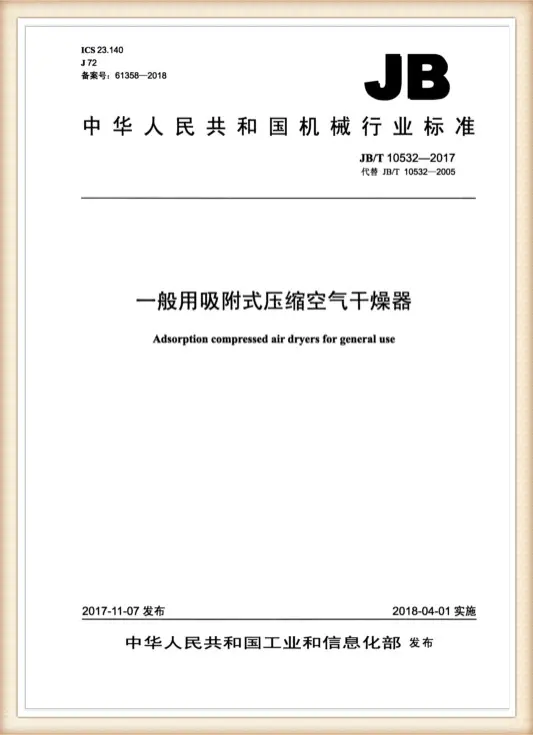
JB/T 10532-2017
Adsorption compressed air dryers for general use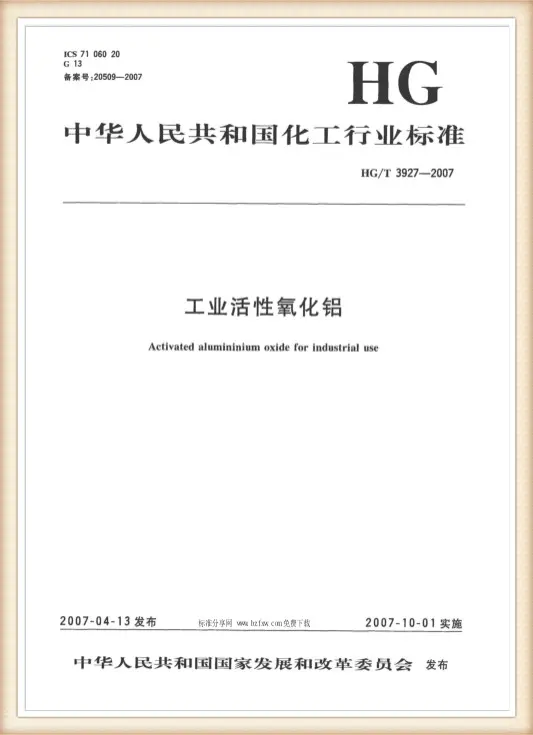
HG/T 3927-2007
Activated aluminium oxide for industrial use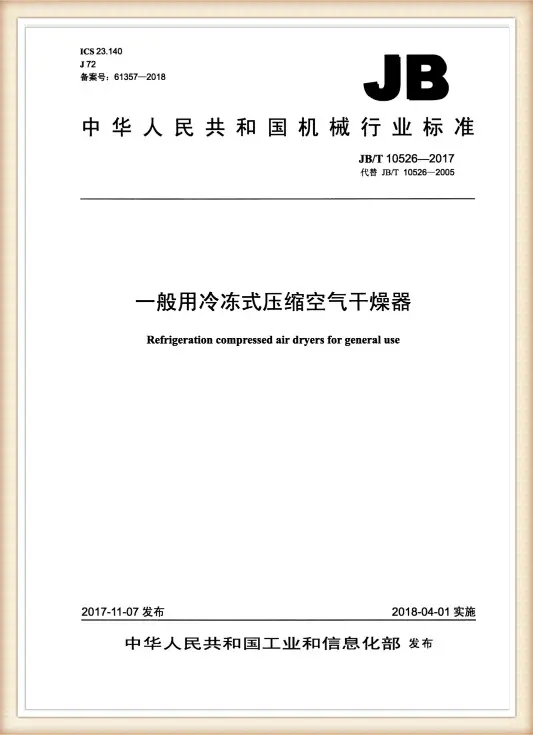
JB/T 10526-2017
Refrigeration compressed air dryers for general use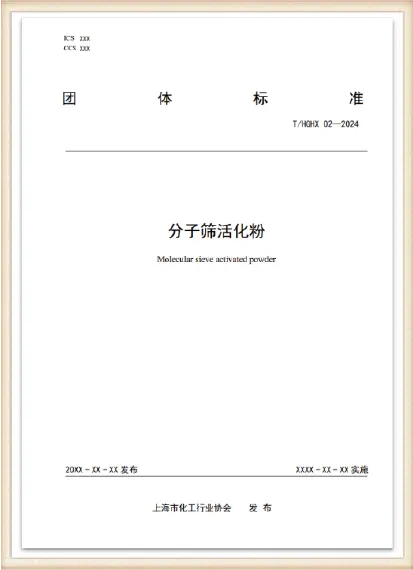
T/CGMA1201-2024
CGMA Industrial Association Standard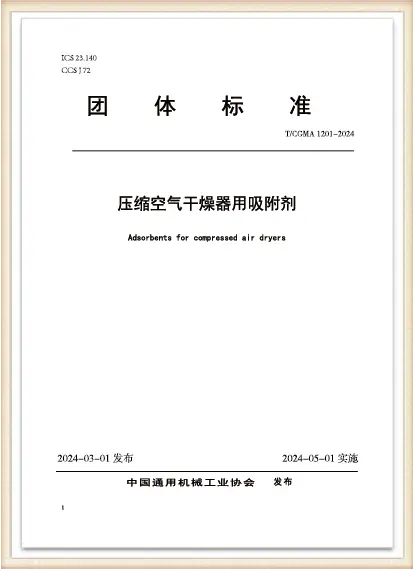
T/HGHX 02-2024
Chemical Industry Group Standard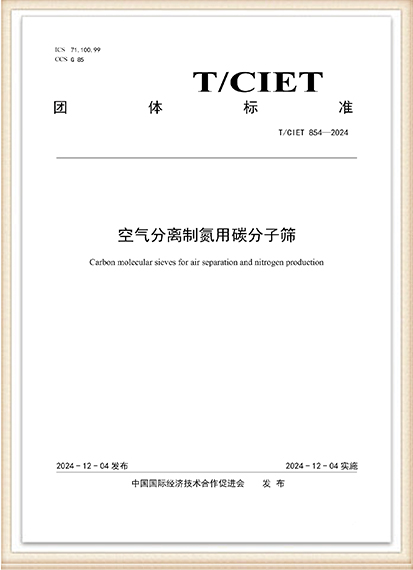
T/CIET 854-2024
National Green Adsorption Catalyst Specification"Better air, Better life." We emphasize green manufacturing processes and waste heat recovery systems to reduce the carbon footprint of our chemical synthesis plants.
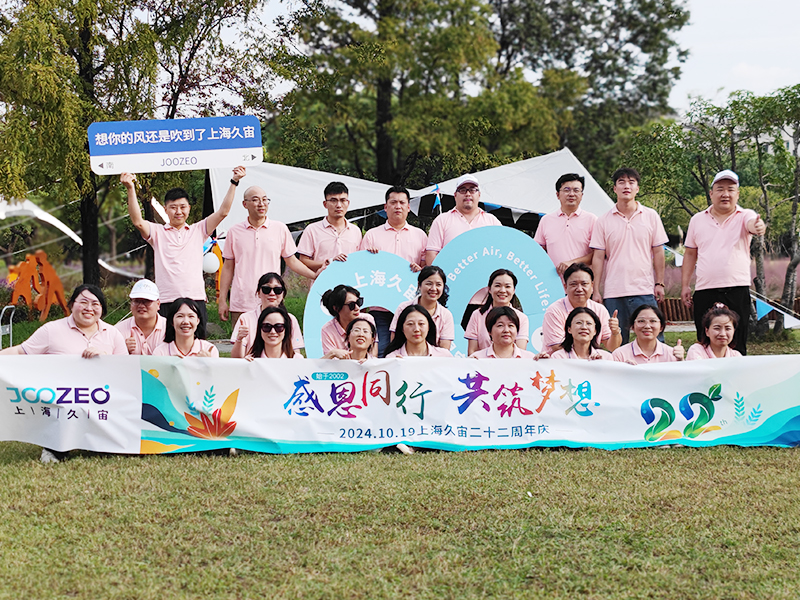
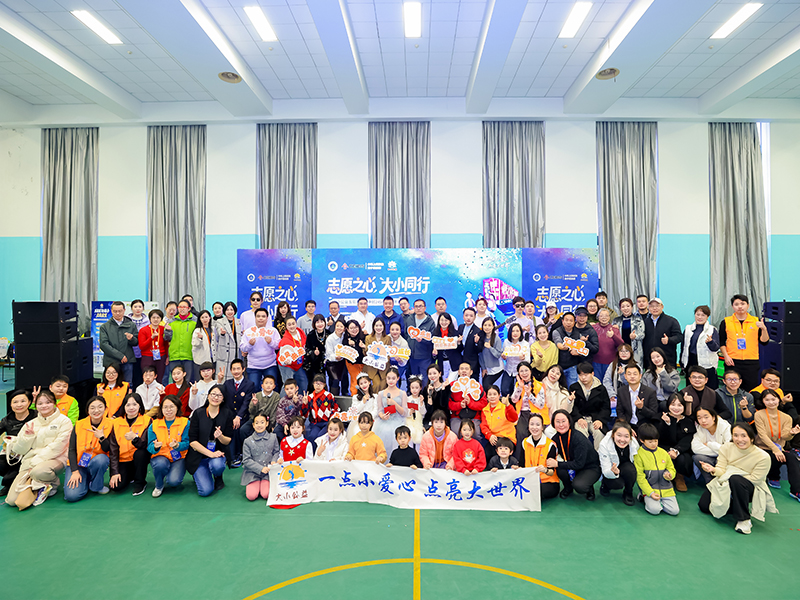
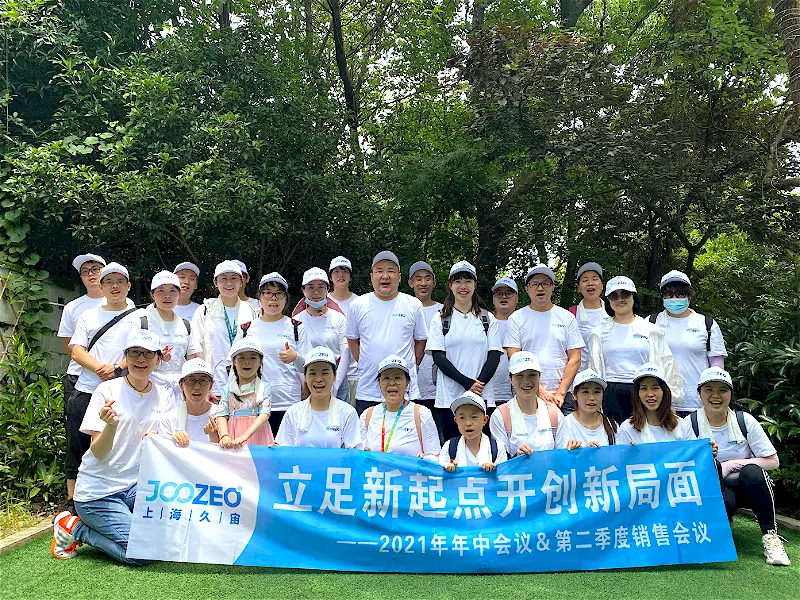
Get expert insights into the design, operation, and troubleshooting of activated alumina desiccant systems.
Explore additional high-performance molecular sieves, specialized catalysts, and structural packaging products manufactured by JOOZEO.
Are you looking for custom size parameters, bulk quotes, or standard-compliant OEM desiccant alumina configurations? Contact our technical engineering team for assistance. We respond within 24 hours.
Send Request