Browse our industry-leading molecular sieves, chemical catalysts, and raw materials optimized for structural consistency and rapid kinetics.
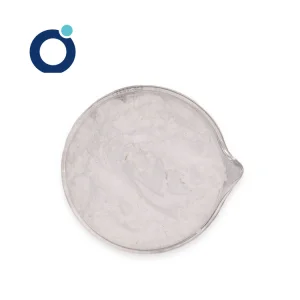
Zeolite materials have long been recognized as the cornerstone of shape-selective catalysis and targeted molecular separation. However, conventional granular and crystalline formats are frequently limited by intra-crystalline diffusion resistance. The transition toward micronized zeolite powders (with particle size distribution D50 < 5μm, and in specialized grades, D50 < 2μm) represents a significant paradigm shift in materials science. By reducing the physical dimensions of the crystal, engineers exponentially increase the external surface-area-to-volume ratio and shorten diffusion path lengths. This allows molecules to reach active sites with minimal steric hindrance, facilitating ultra-fast reaction rates and exceptional adsorption efficiency.
Today, synthetic micronized zeolites—principally type A (LTA framework) and type X (FAU framework)—are synthesized through hydrothermal crystallization using precise silicate and aluminate precursors. Through strict control of nucleation rates and calcination schedules, suppliers can yield narrow particle-size distributions. This level of physical uniformity is critical for integration into thin-film polymer matrices, polyurethane systems, high-solids automotive coatings, and complex catalyst slurries. For OEM buyers, procuring micronized zeolite is no longer a matter of simply sourcing commodity materials, but rather co-engineering custom structural architectures that define the end product's structural integrity, shelf life, and performance thresholds.
"Micro-nanostructured aluminosilicates reduce thermodynamic barriers in moisture capture and volatile gas filtration. Shortened diffusion channels inside the crystalline skeleton prevent premature saturation and double kinetic throughput." — JOOZEO Advanced Adsorption R&D Center
A premier global manufacturer of synthetic zeolites, molecular sieves, and catalysts, setting new benchmarks in quality control and process innovation since 1994.
Shanghai Jiuzhou Chemicals Co., Ltd. is strategically located in Shanghai, the largest economic development and logistics hub in China. Over the years, Jiuzhou has consistently adhered to the core principles of "Quality Control & Continuous Innovation". We are committed to the research, development, and manufacturing of high-performance chemical materials. Our comprehensive portfolio includes various molecular sieve powders, finished molecular sieves, activated powder, activated alumina, aluminum oxide catalysts, alumina packings, inert ceramic balls, sodium silicates, aluminum hydroxide, zeolite 4A, sodium carbonates (Soda Ash Light), SLES, and more. Reflecting our commitment to international excellence, all products are certified under the ISO9001:2008 quality management system and verified by international registries including TUV and SGS.
Focusing on advanced synthetic routes and pilot-scale trials, our Shanghai facility coordinates national R&D operations and logistics. It houses our central laboratory, containing dynamic evaluation setups and gas chromatographs for quality assurance.
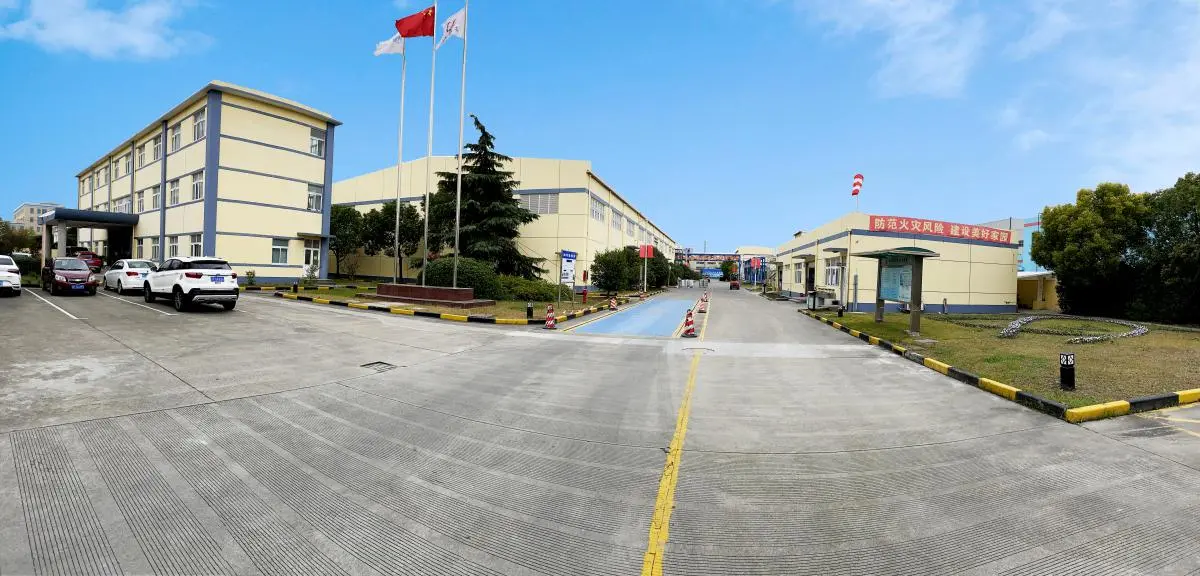
Optimized for high-tonnage industrial production, our Wuxi facility features automated multi-functional calcination and micronization systems. It provides the scale required to meet large global procurement orders on time.

For global procurement managers in chemical manufacturing, polymers, or industrial gas purification, identifying the right OEM micronized zeolite partner requires evaluating precise engineering metrics. Procurement managers must focus on the following core specifications to ensure batch-to-batch consistency:
Furthermore, supply chain reliability is paramount. A trusted supplier must have a robust domestic raw material supply, multi-site production facilities, and reliable logistical networks to insulate clients from supply chain disruptions.
Delivering targeted chemical solutions to optimize performance, prevent deterioration, and reduce emissions across major sectors.
Trace moisture in polyurethane polyol components reacts with isocyanates to form carbon dioxide gas, causing unwanted micro-foaming, pinholes, and reduced structural integrity. By adding our 3A or 4A micronized zeolite powder, trace moisture is captured within the crystal cage before it can react, ensuring optical clarity and high mechanical strength in industrial floorings, sealants, and structural adhesives.
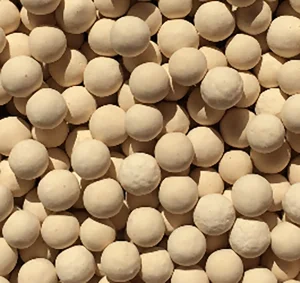
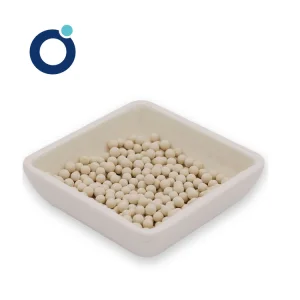
In Pressure Swing Adsorption (PSA) systems, molecular sieves are key to separating air and drying hydrocarbon gases. Achieving low dew points (down to -70°C) requires molecular sieves that resist attrition and offer fast adsorption kinetics. Jiuzhou’s specialized adsorbents are designed for thermal swing regeneration, ensuring long-term operation with minimal dusty discharge.
Volatile Organic Compounds (VOCs) and halogenated hydrocarbons are hazardous even in trace quantities. Hydrophobic, high-silica micronized zeolites can selectively capture VOCs from moist industrial exhaust streams. This allows factories to comply with strict national emissions standards while reducing energy costs during thermal desorptive regeneration.
In refining and petrochemical operations, micronized zeolites serve as solid acid catalysts. Our materials provide the structural purity and crystalline framework stability needed for selective hydrocarbon cracking, isomerization, and alkylation, helping petrochemical plants increase process yields and target selectivity.
As a key drafter of national industrial standards, we ensure compliance with demanding quality specifications and testing protocols.
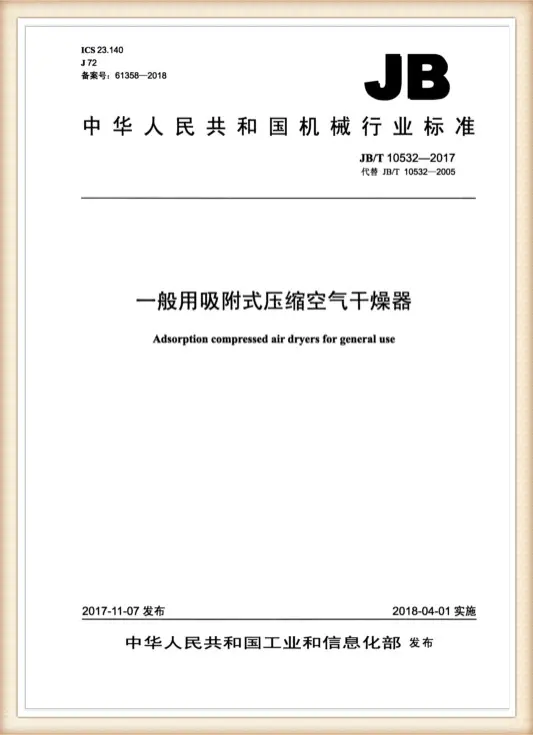
JB / T 10532-2017
Adsorption compressed air dryers for general use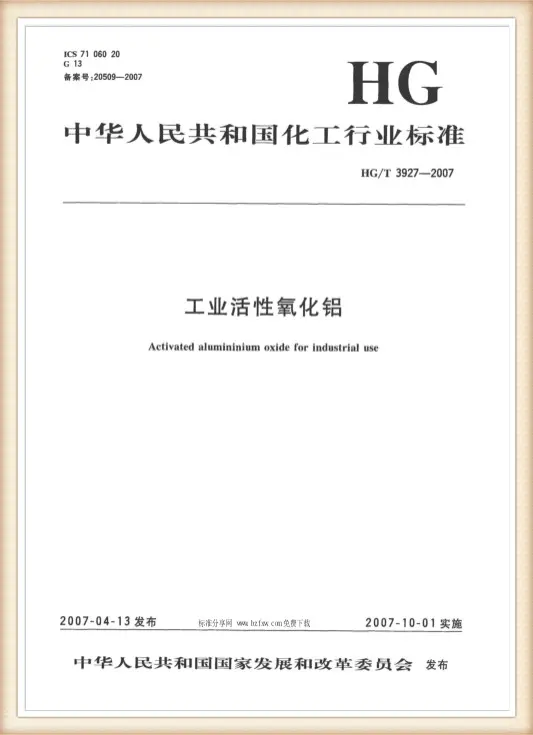
HG / T 3927-2007
Activated aluminium oxide for industrial use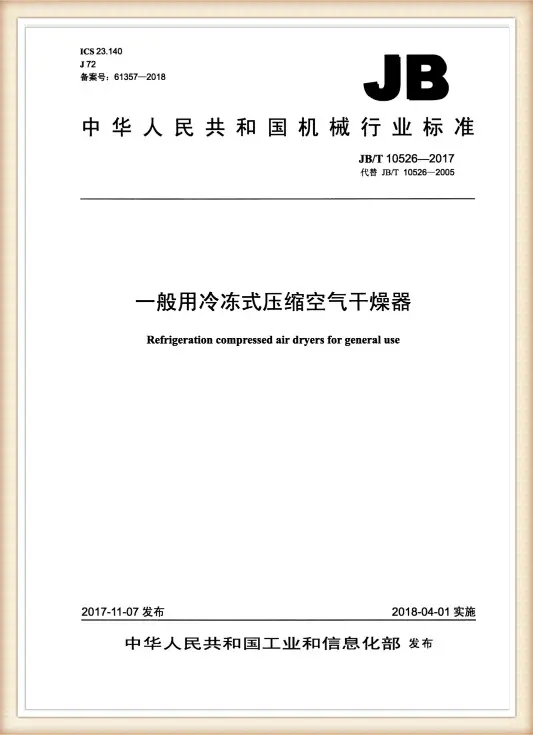
JB / T 10526-2017
Refrigeration compressed air dryers for general use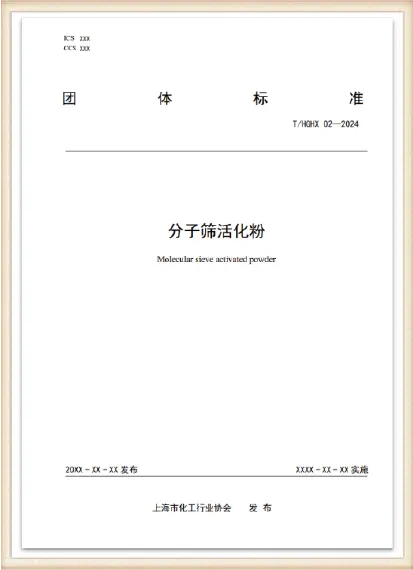
T/CGMA1201-2024
Industrial gas purification and adsorption systems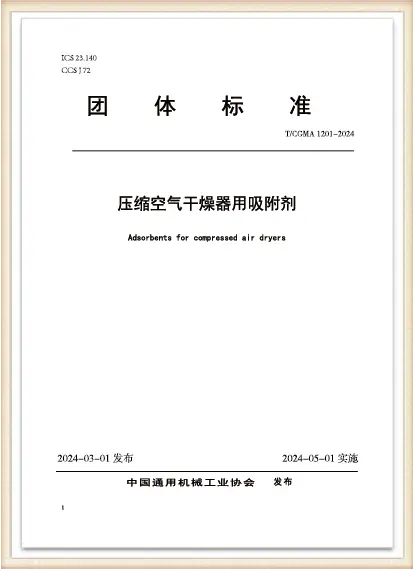
T/HGHX 02—2024
Chemical adsorption and molecular sieve standards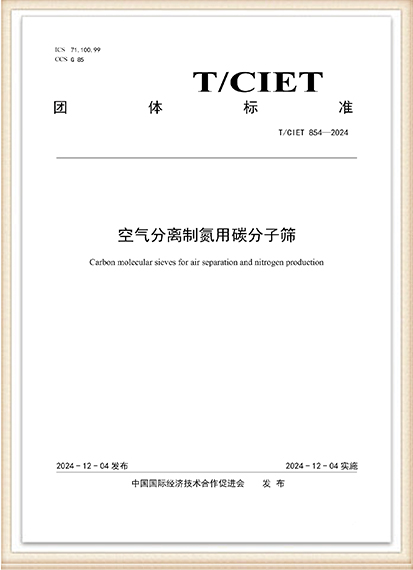
T/CIET 854-2024
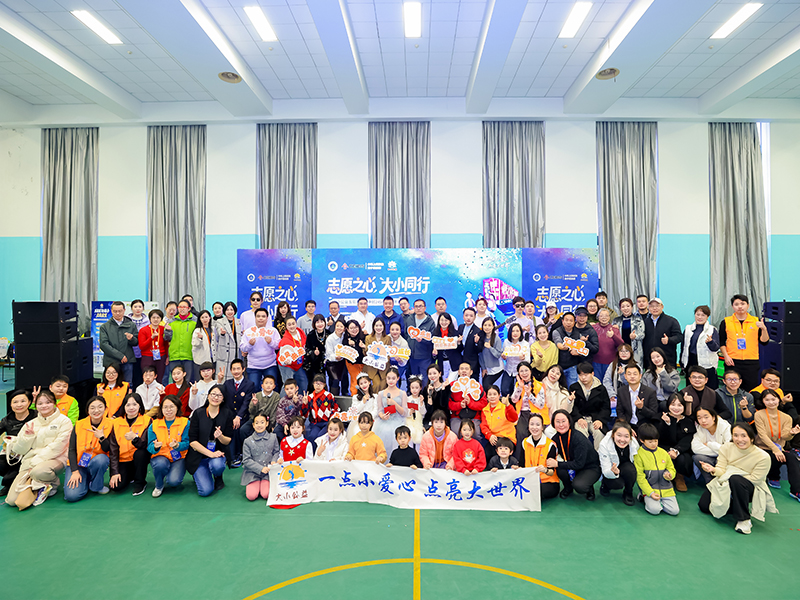
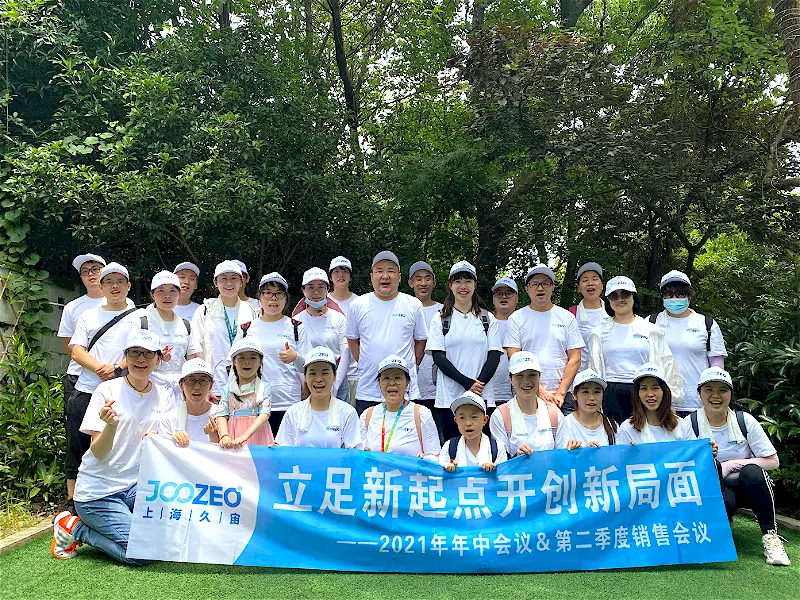
Industrial emissions & adsorption standards"Better air, Better life" — Our commitment to environmental protection, ecological safety, and clean production.

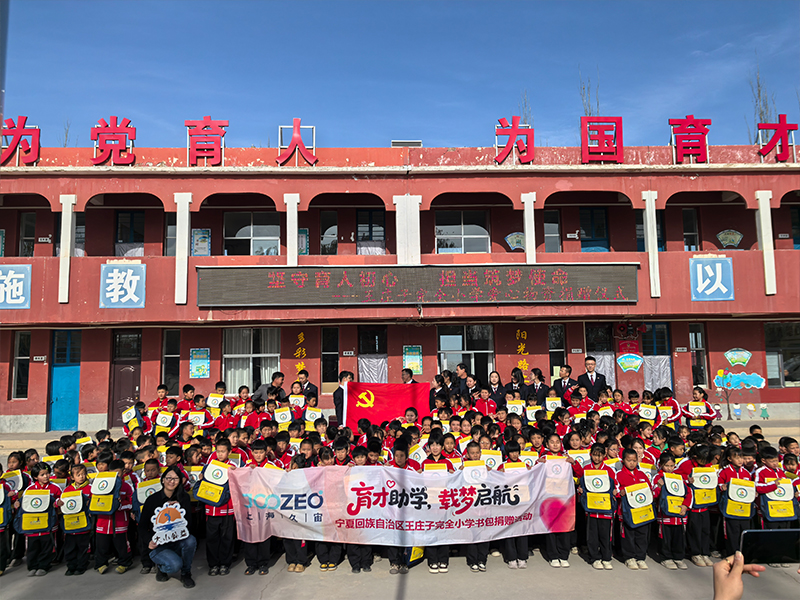
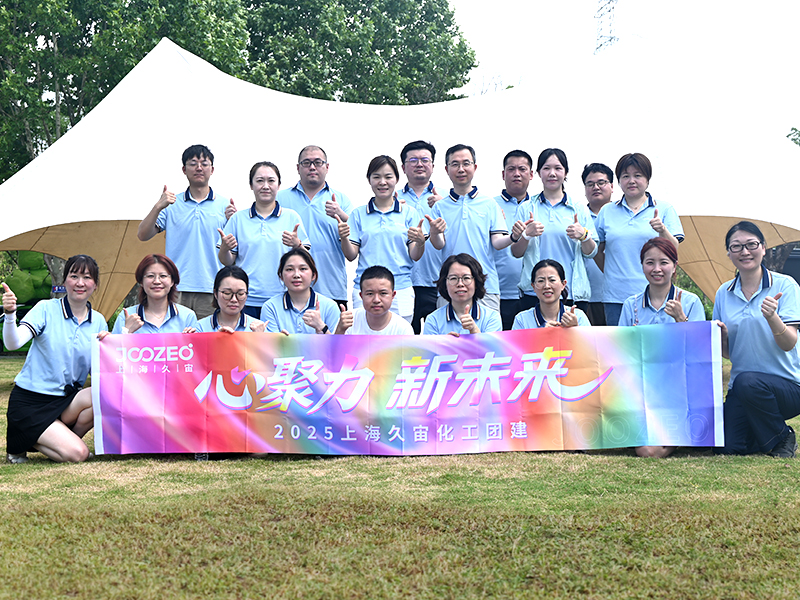
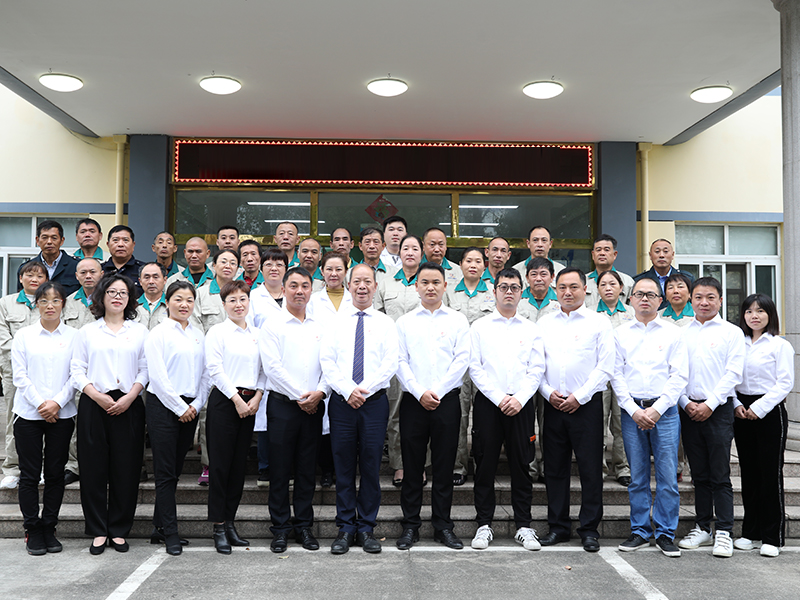

The future of micronized zeolite synthesis points toward structural and functional refinement. In our R&D roadmap, three key areas stand out:
By focusing on these structural refinements, Jiuzhou helps global manufacturers meet strict environmental requirements while maintaining high process efficiency.
Find answers to common technical and logistical questions about micronized zeolites and molecular sieves.
A: Standard molecular sieve powders typically have a D50 particle size between 10 to 20 microns and are used in bulk adsorption systems. Micronized zeolites undergo precise mechanical grinding and classification to reduce the particle size (D50 under 5 microns, sometimes under 2 microns). This smaller size increases the external surface area, shortens diffusion paths, and allows for clean dispersion in thin polymer films, coatings, and sealants without causing mechanical defects.
A: In polyurethane coatings and sealants, trace water reacts with isocyanate groups to form carbon dioxide gas, causing bubbles, pinholes, and loss of adhesion. Adding micronized zeolite powder (such as 3A or 4A) traps water within the crystal pores before it can react. Type 3A is preferred because its 3 Ångström pore size selectively adsorbs water (2.8 Å) while excluding larger solvent or resin molecules, preventing side reactions.
A: We maintain strict control over our manufacturing processes in accordance with ISO9001 standards. Every batch of zeolite powder undergoes characterization, including X-ray Diffraction (XRD) for phase purity, Laser Diffraction for Particle Size Distribution (PSD), and Karl Fischer titration for trace moisture analysis. This testing helps ensure that our products meet the strict performance requirements of international buyers.
A: Yes, we provide OEM customization services. We can adjust parameters such as the silica-to-alumina ratio, particle size distribution (D50/D90), pore diameter, and surface coating (e.g., organosilane coupling agents) to meet specific application requirements.
Explore our secondary portfolio of silica gels, carbon molecular sieves, and custom formulation agents.
Our engineering team is ready to assist with custom formulations, technical specifications, and bulk pricing. We respond to all inquiries within 24 hours.
Send Request