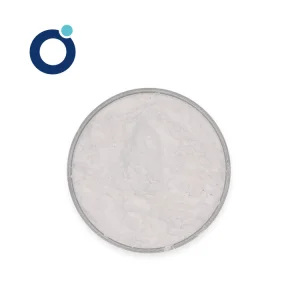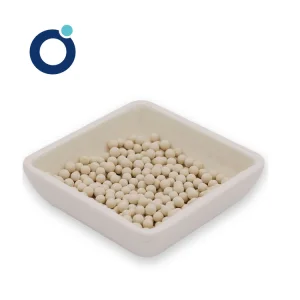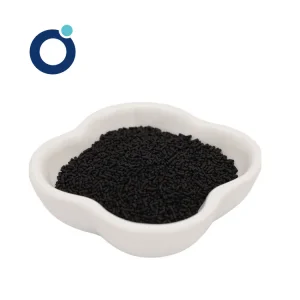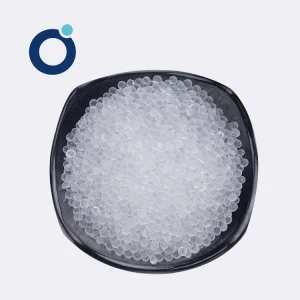
Explore our industrial and medical-grade molecular sieve products engineered for precision PSA and VPSA systems globally.
Located in the biggest economic development city, Shanghai, Shanghai Jiuzhou Chemicals Co., Ltd. has always adhered to the core operating principles of "Quality Control & Continuous Innovation." Over the years, Jiuzhou has remained fully committed to the advanced development, engineering research, and automated manufacturing of high-quality, innovative chemical adsorbents and industrial catalysts.
Our comprehensive product catalog features state-of-the-art formulations including various molecular sieve powders, molecular sieves, activated powder, activated alumina, aluminum oxide catalysts, various specifications of alumina packing, ceramic balls, sodium silicates, aluminum hydroxide, zeolite 4A, sodium carbonates, and SLES (Sodium Lauryl Ether Sulfate). To ensure complete alignment with rigorous global benchmarks, all our production processes have passed the ISO9001: 2008 Quality Management System Certification alongside standard-setting validations by internationally renowned inspection authorities TUV & SGS.
By combining international production technologies with heavy capital investment in specialized manufacturing lines, Jiuzhou maintains a professional, world-class scientific research division. Our central laboratory leverages multi-functional dynamic testing systems, chromatographs, and automated pore analysis systems. This ensures every batch exported matches global physical and chemical specifications, enabling customized and environmentally sustainable adsorption solutions for key distribution hubs spanning the United States, Europe, Southeast Asia, Japan, North & South America, and the Middle East.
Jiuzhou is built on the rigorous metric of dual excellence:
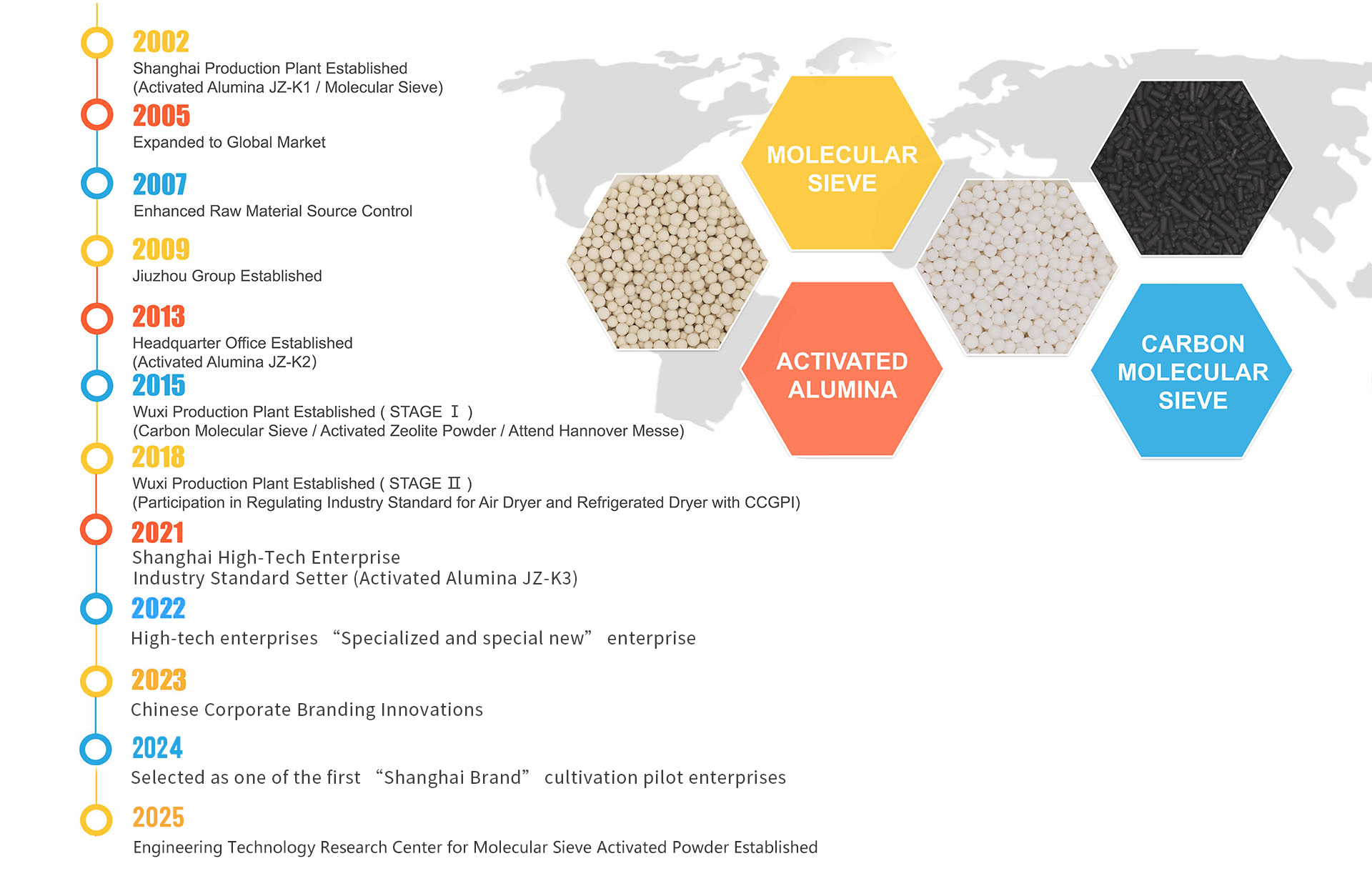
Operating dual modern production bases strategically positioned to guarantee robust supply chain continuity for global engineering projects.
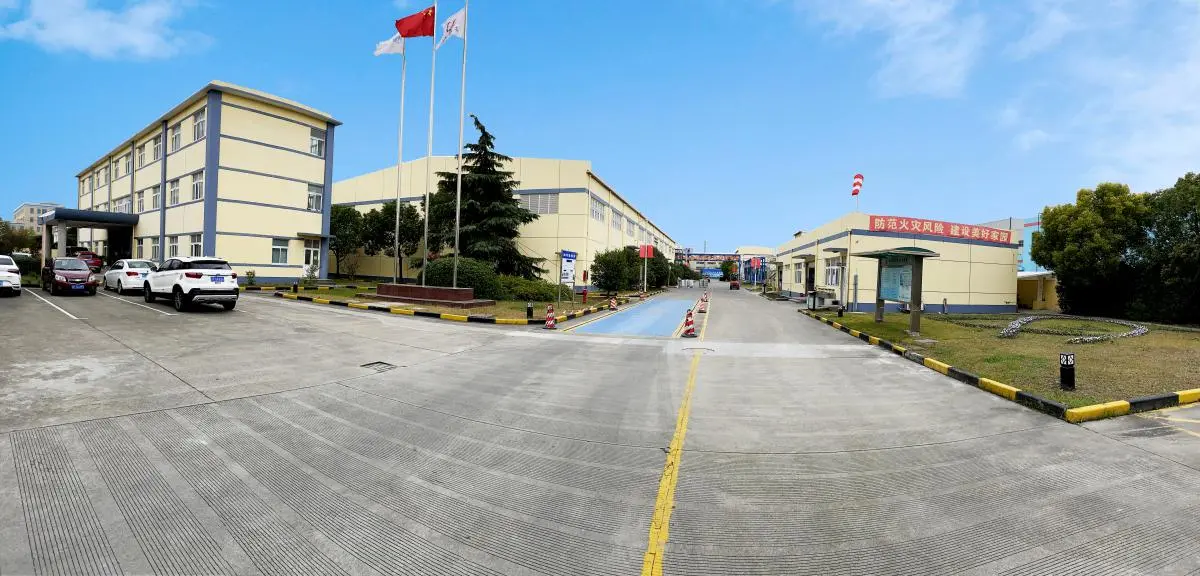
Focuses on high-end catalyst synthesis, pilot research validation, and custom dynamic testing configurations for medical-grade oxygen separation zeolites.
Equipped with automated continuous rotary calcination kilns, high-speed bead shaping systems, and automated bulk packaging plants.
The demand for localized, high-efficiency oxygen generation has seen unprecedented growth over the last decade. Historically, bulk oxygen delivery depended entirely on cryogenic distillation plants, requiring complex transportation networks and substantial energy inputs. Modern medical and industrial frameworks, however, rely heavily on Pressure Swing Adsorption (PSA) and Vacuum Pressure Swing Adsorption (VPSA) technologies.
At the heart of any PSA oxygen concentrator is the synthetic zeolite crystal lattice. Zeolite molecular sieves are crystalline aluminosilicates featuring highly ordered, three-dimensional porous networks. These pores, typically measured in Angstroms (Å), act as precise molecular sieving fields. The separation of air into enriched oxygen is governed by the difference in the electrostatic interaction forces between air components and the charge-balancing cations within the zeolite framework. Because nitrogen molecules possess a distinct quadrupole moment ($0.31 \times 10^{-26} \text{ esu cm}^2$) compared to oxygen ($0.10 \times 10^{-26} \text{ esu cm}^2$), nitrogen is preferentially adsorbed onto the polar surfaces of the zeolite pores, allowing highly enriched oxygen (typically 93% to 95%) to pass through the process column.
Commercially, oxygen concentrators are deployed in diverse settings. The medical field is the primary driver, ranging from home care portable oxygen concentrators (POCs) to large-scale, multiplexed central oxygen generator systems in hospitals. The global industrial landscape also relies on on-site oxygen generation. Key industries include:
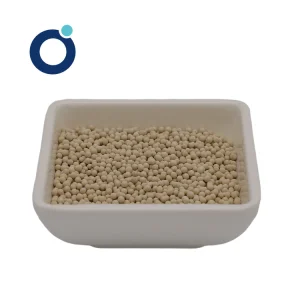
As an OEM molecular sieve supplier, JOOZEO manufactures specialized zeolite structures designed to optimize bed density, nitrogen capacity, and mechanical wear properties.
The practical operational efficiency of any molecular sieve is highly dependent on ambient environmental conditions. Factors such as relative humidity and ambient altitude directly alter adsorption dynamics:
The next generation of gas purification and separation is centered around reducing the total cost of ownership (TCO) and maximizing energy efficiency. JOOZEO's R&D program is focused on three main research streams:
First is the transition from classic Sodium-X zeolites (like standard 13X configurations) to advanced Lithium-X formulations. High-exchange lithium zeolites feature strong electrostatic interaction fields, providing up to two times the nitrogen adsorption capacity of traditional sodium formulations under ambient pressures. This enables the engineering of ultra-compact portable medical concentrators.
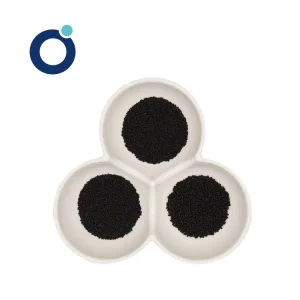
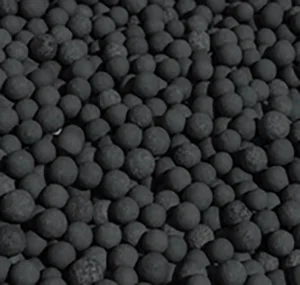
Second is the integration of composite bed technologies. Combining micro-porous carbon molecular sieves (like JZ-CMS8N or JZ-CMS2N) with aluminosilicates allows for multi-contaminant purification, stripping moisture, carbon dioxide, volatile organic compounds (VOCs), and nitrogen in a single process step.
Lastly, JOOZEO is investing heavily in manufacturing sustainability. By using waste-heat recovery systems in our calcining kilns and optimizing raw material mineral extraction, we are committed to providing green adsorbents that help global OEM partners meet strict ESG standards.
JOOZEO acts as a designated standard setter, defining national and industry benchmarks for compressed air dryers and activated alumina products.
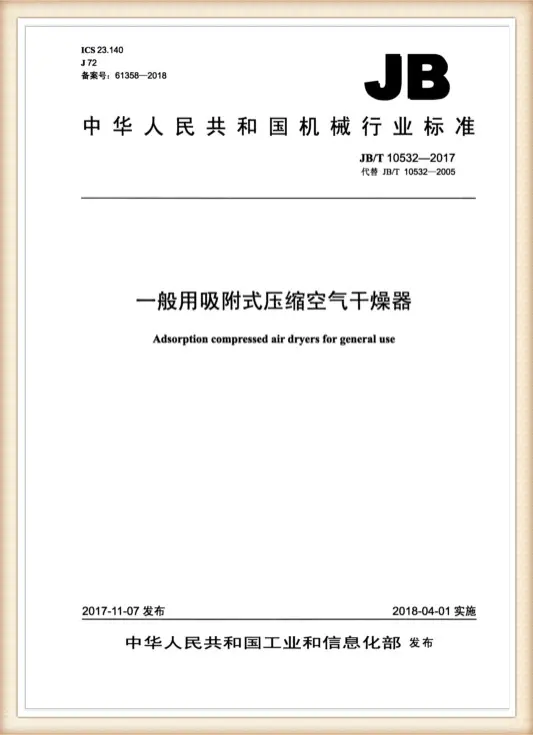
Adsorption compressed air dryers for general use.
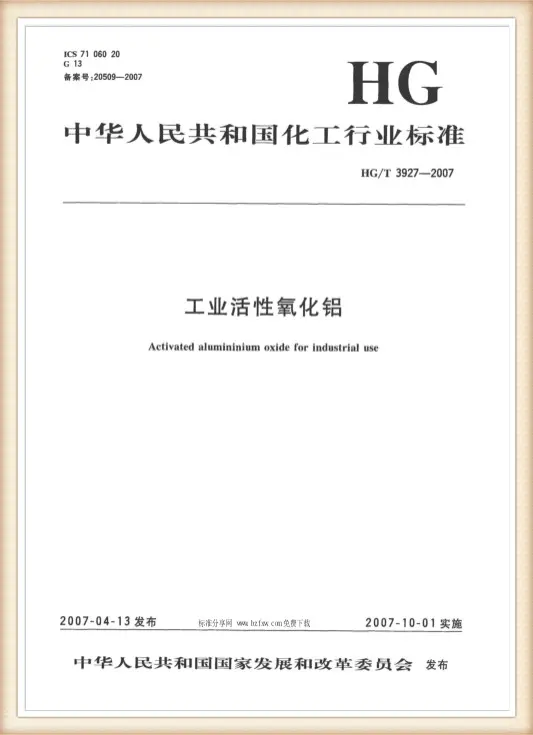
Activated aluminum oxide for industrial use.
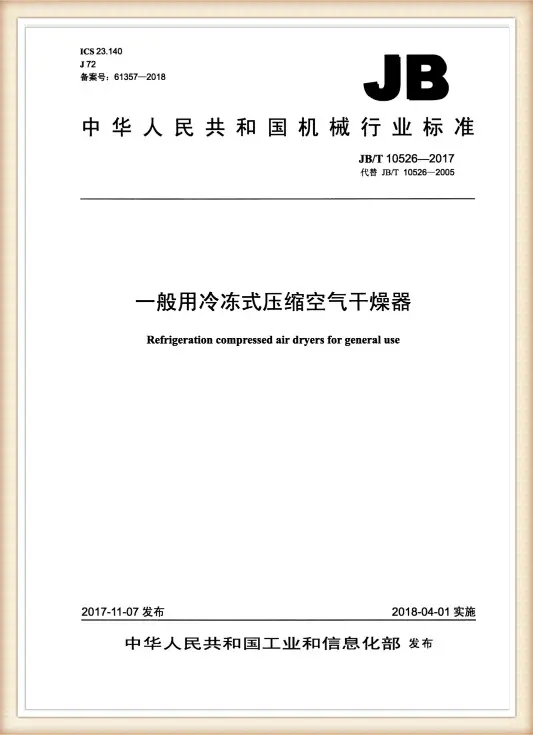
Refrigeration compressed air dryers for general use.
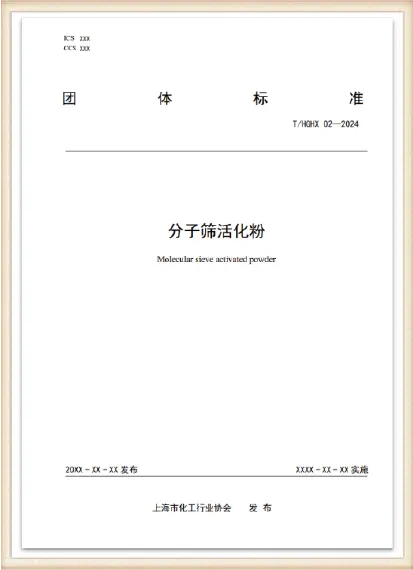
Industrial compressed air dryer system standards.
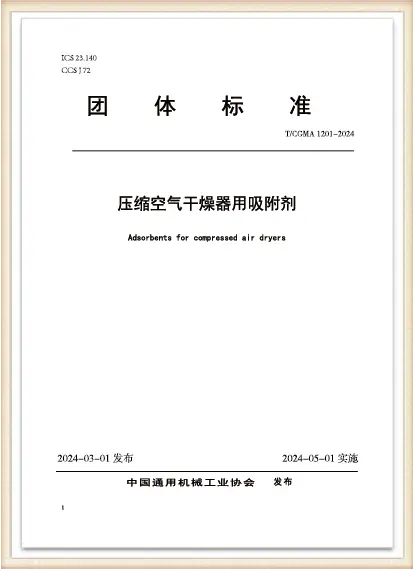
Refined chemical standards for chemical adsorbents.
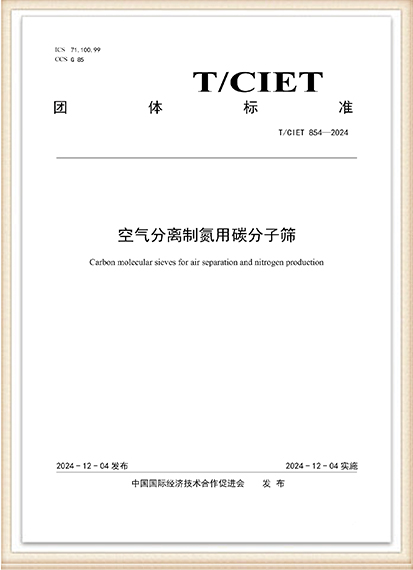
High purity adsorbent and sieve applications.
"Better air, Better life"
At JOOZEO, we believe our engineering duties go beyond factory walls. We strive to develop innovative products that reduce greenhouse gas emissions, minimize energy consumption during gas purification, and extend the functional lifespan of desiccant beds. By designing molecular sieves with high physical durability and low attrition rates, we reduce landfill waste and help our clients build energy-saving air treatment solutions worldwide.
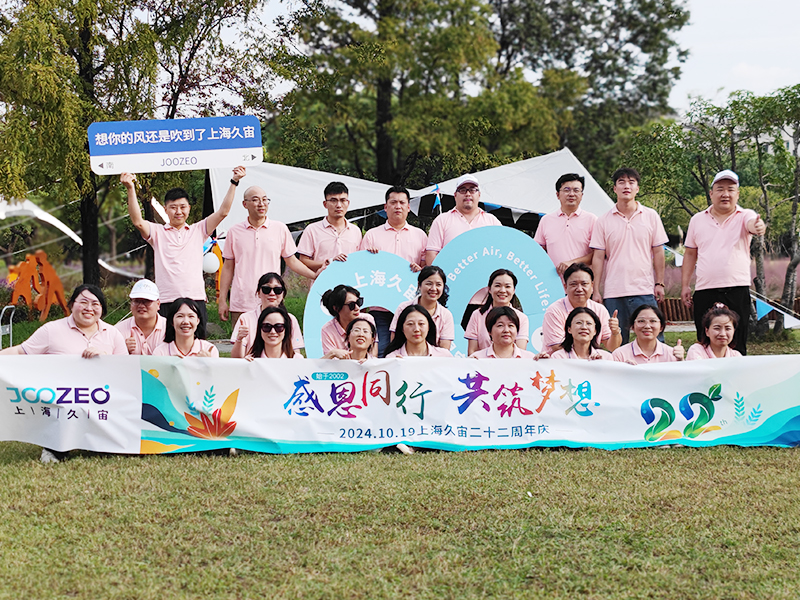
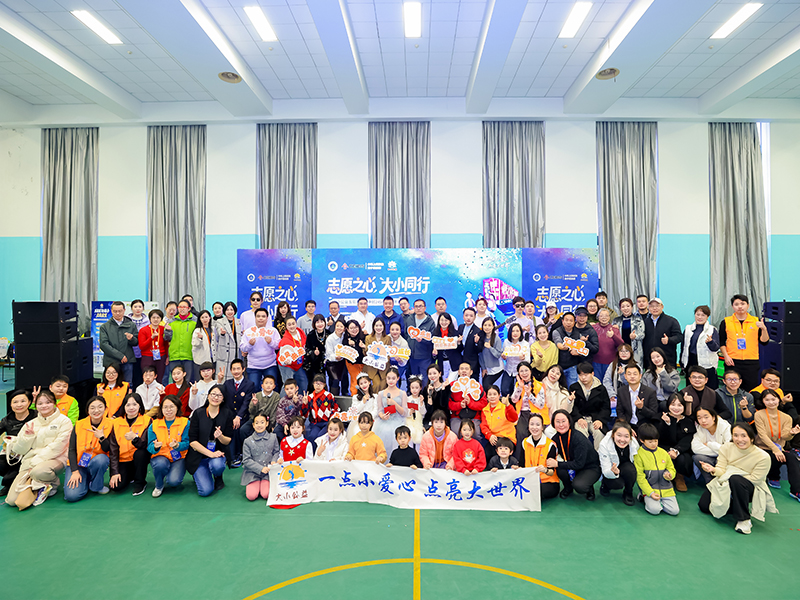
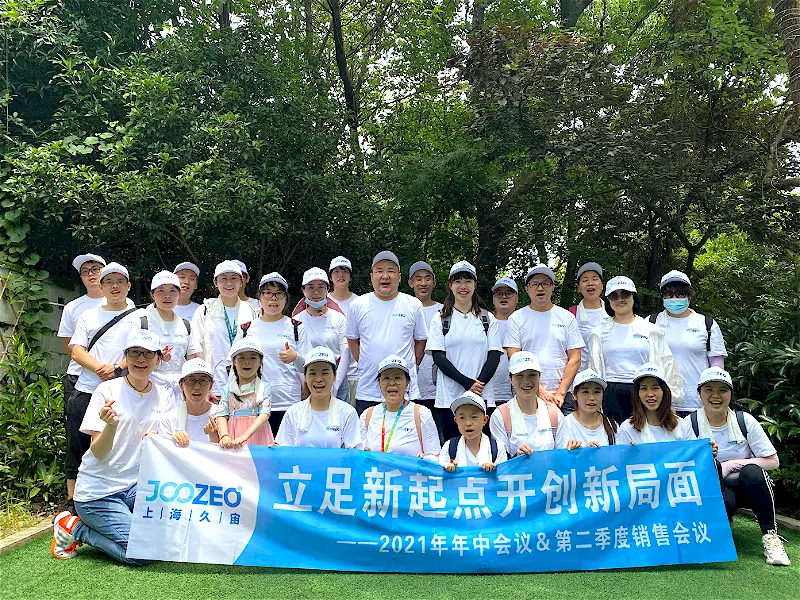
Providing clear, authoritative answers regarding physical dynamics, selection processes, and operations.
Traditional Sodium-X (13X) zeolites utilize sodium cations to balance the negative charge of the aluminosilicate crystal lattice. They are cost-effective and suitable for large industrial PSA systems. In contrast, Lithium molecular sieves substitute sodium with lithium ions. Because lithium is smaller and has a higher charge density, it generates a stronger electrostatic field. This significantly increases nitrogen adsorption capacity under low pressures, enabling medical portable oxygen concentrators (POCs) to be designed smaller and lighter.
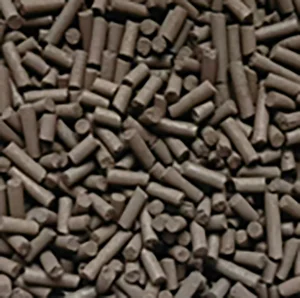
Water vapor is a strong adsorbent poison for zeolites. Due to its polar nature, water molecules bond almost permanently with the active cation sites, blocking nitrogen adsorption and reducing system performance. To prevent this, standard air pre-treatment sections use high-capacity desiccants, such as Activated Alumina (like JZ-K1W) or Water Resistant Silica Gel (like JZ-WSG), at the inlet of the system. These pre-beds remove the bulk moisture, allowing the molecular sieve bed downstream to operate at peak efficiency.
Under optimal working conditions, high-quality molecular sieves can last for over 5 to 10 years. The primary factors that shorten this lifespan include dynamic mechanical crushing caused by rapid bed pressure changes, oil contamination from the air compressors, and inadequate regeneration due to insufficient sweep volumes or purging pressures. Using dust-free, high-strength spherical adsorbents alongside properly designed gas distribution plates can help prevent premature degradation.
Engineered for high selectivity, chemical resistance, and longevity across severe processing environments.