
Engineered to meet strict regulatory and process parameters in Brazil's natural gas processing and bioethanol dehydration systems.
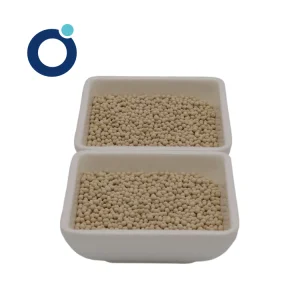
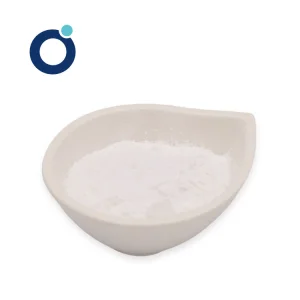
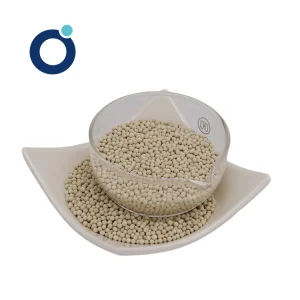
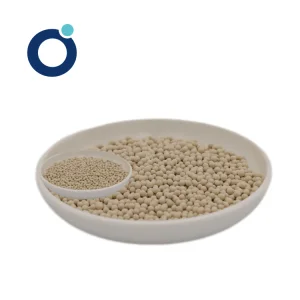
In the global chemical and process industries, molecular sieves represent the cornerstone of precise fluid separation, dehydration, and purification. As Brazil advances its national energy transitions, driven by both traditional petrochemical demands in the Pre-salt (Pré-sal) basins and the explosive growth of bioethanol and green industrial gases, the demand for highly resilient, high-capacity adsorbents has reached an unprecedented scale. This whitepaper analyzes the thermodynamics, kinetic behaviors, and localized applications of synthetic zeolites designed to optimize processing efficiency in the Brazilian market.
Brazil occupies a unique position in global energy dynamics. The country stands as a pioneer in large-scale biofuel implementation, notably via the National Alcohol Program (Pró-Álcool) and current RenovaBio initiatives. Simultaneously, the development of offshore Pre-salt fields requires robust natural gas processing infrastructures, where deep dehydration is necessary to prevent hydrate crystallization in cryogenic units.
Dehydrating the ethanol-water azeotrope to fuel-grade anhydrous ethanol (<0.5 vol% water) requires a highly selective 3A molecular sieve. The critical requirement is to exclude the ethanol molecule (kinetic diameter 4.3 Å) while actively trapping water molecules (2.6 Å).
Treating pipeline natural gas according to ANP standards (Agência Nacional do Petróleo, Gás Natural e Biocombustíveis) demands the removal of CO2, H2S, and H2O. Using specialized 4A and 5A crystalline frameworks prevents hydrate blockages in processing pipelines.
Industrialization in major Brazilian hubs and remote medical installations in North/Northeast regions rely on Pressure Swing Adsorption (PSA) systems. Nitrogen-selective lithium/sodium zeolites are essential to generate pure oxygen efficiently on-site.
Molecular sieves are crystalline aluminosilicates possessing highly ordered three-dimensional porous networks. The general empirical formula of these materials is represented as:
Where M represents a metal cation (typically Na⁺, K⁺, Ca²⁺, or Li⁺), which balances the negative tetrahedral charge of the [AlO₄]⁻ units. By swapping these cations, we can adjust the effective pore diameter, allowing for precise molecular filtering:
Shanghai Jiuzhou Chemicals: Translating decades of advanced materials research into proven performance assets for Brazil's major ports and refineries.
With a dedicated commitment to chemical innovation and stringent quality controls, Jiuzhou operates under the ISO9001: 2008 system and maintains dual TUV & SGS certifications. Our multi-functional automated plants ensure consistent product quality, helping local processing systems in Brazil reduce operational risks and minimize system downtime.
Operating across advanced production locations to deliver robust supply chains directly to Latin America.
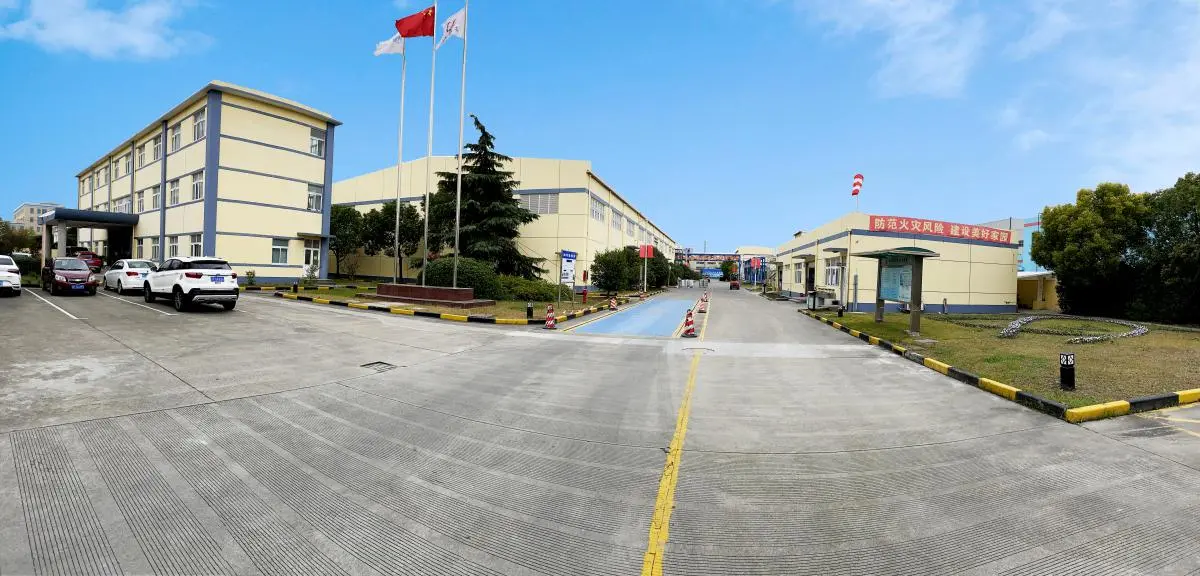
Our primary export facility, located in the economic hub of Shanghai. This facility focuses on high-precision zeolite synthesis, advanced QC checks, and direct logistics pathways to major global ocean carriers serving Brazil, including the ports of Santos and Paranaguá.

Our large-scale production center focuses on scaling raw material output, managing dynamic calcination lines, and processing custom configurations to handle bulk orders for global partners.
As a leading standard-setter, Jiuzhou actively contributes to and meets both domestic and international chemical manufacturing specifications. This alignment guarantees that our adsorption technologies operate predictably under extreme industrial environments in Brazil.
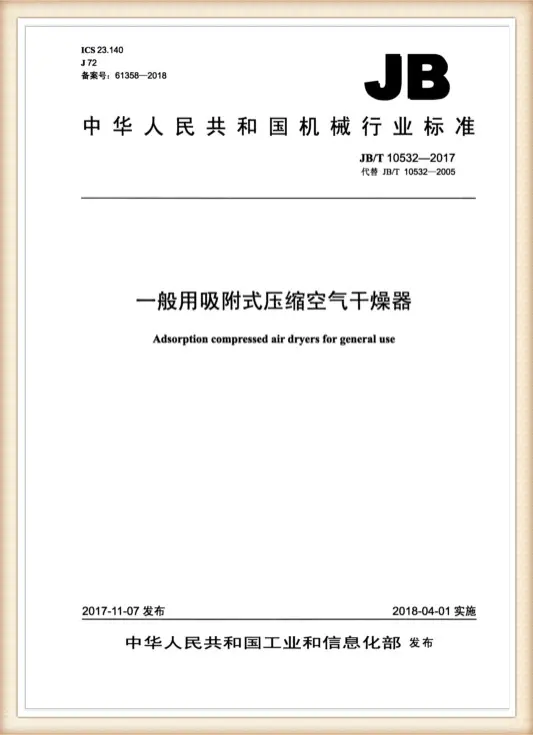
JB / T 10532-2017
Adsorption compressed air dryers for general use
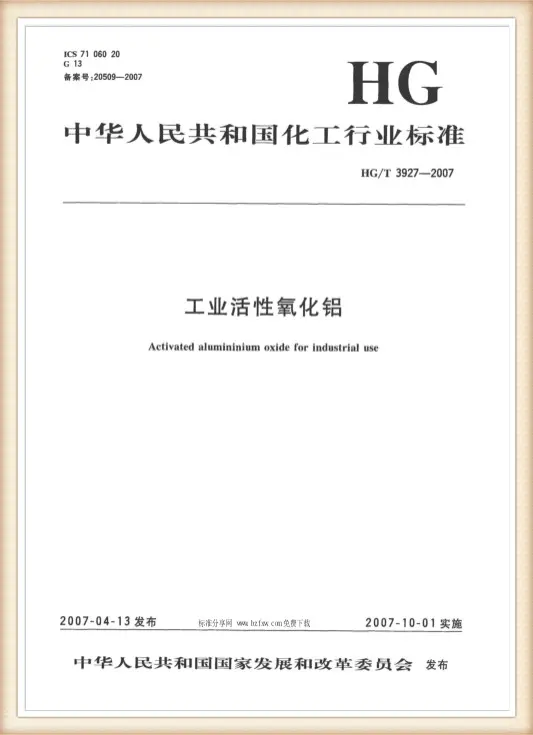
HG / T 3927-2007
Activated aluminium oxide for industrial use
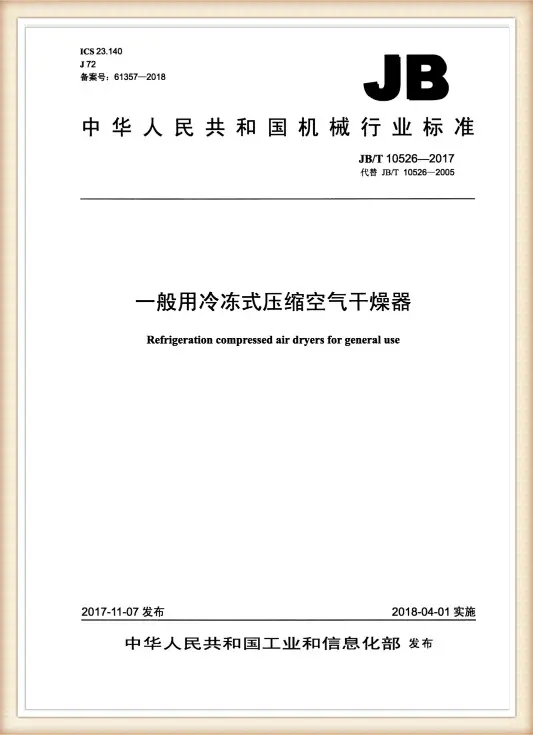
JB / T 10526-2017
Refrigeration compressed air dryers for general use
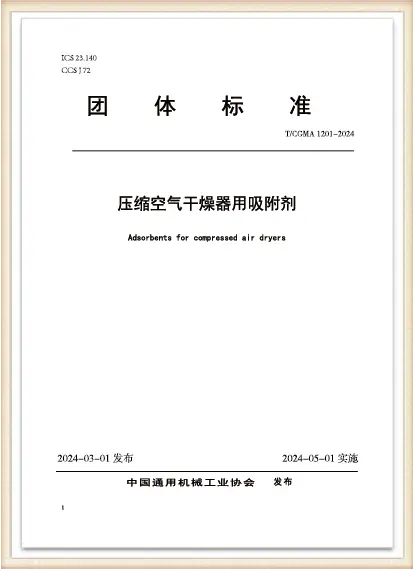
T/CGMA1201-2024
Modern Air Compressor Equipment Standards
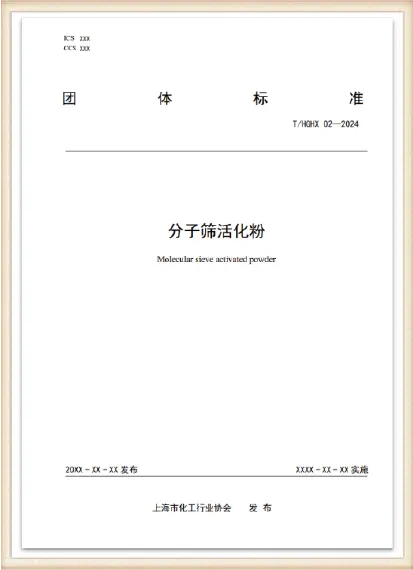
T/HGHX 02—2024
Chemical Adsorbent Process Metrics
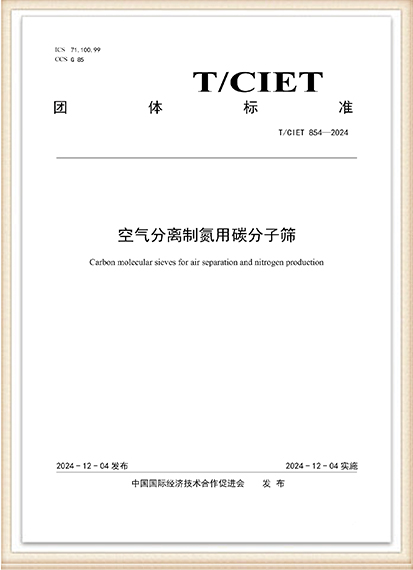
T/CIET 854-2024
Industrial Green Production Guidelines
Integrating green chemistry principles to improve air quality and protect ecosystems.




Essential engineering and process answers for project planners and purchasing departments in Brazil.
Anhydrous ethanol plants rely on molecular sieves to dry the ethanol-water azeotrope. A 3A molecular sieve has a pore window of ~3 Å, which accepts water molecules (2.6 Å) but excludes ethanol molecules (kinetic diameter ~4.3 Å). If a 4A molecular sieve (pore window ~4 Å) is used, ethanol can enter the crystalline structure. This co-adsorption reduces the water capacity, lowers process efficiency, and leads to ethanol decomposition into ethylene during high-temperature thermal regeneration (typically 200°C to 250°C), shortening the lifetime of the bed.
Brazilian pre-salt gas contains high ratios of CO2 and acid gases (H2S). Our JZ-512H and JZ-ZMS5 products are specifically engineered with optimized silica-to-alumina ratios and enhanced physical structures. This provides superior hydrothermal stability, preventing early structural collapse in the presence of acidic moisture. Their high crushing strength allows them to withstand rapid pressure fluctuations during Pressure Swing Adsorption (PSA) or Temperature Swing Adsorption (TSA) cycles without producing excess dust.
We leverage Shanghai's global shipping networks to secure direct ocean routes to the Port of Santos and the Port of Paranaguá. Typical ocean transit times range from 35 to 45 days. To prevent moisture uptake during transit, all molecular sieves are sealed in heavy-duty steel drums or flexible intermediate bulk containers (FIBC bags) with airtight, vacuum-sealed inner liners. We also coordinate with local Brazilian logistics partners to manage import clearances and ensure timely delivery to your warehouse.
Regeneration is typically driven by temperature swing processes. To desorb water, the bed temperature is raised to 200°C–250°C using a dry slipstream of regeneration gas (such as methane, nitrogen, or clean process gas). The flow must be maintained until the bed outlet temperature matches the target, followed by a cooling cycle. The low coking profile of JZ-ZMS3 ensures that its structural porosity remains intact over hundreds of regeneration cycles, maintaining stable dew point performance.
High-purity chemical adsorbents and custom formulations. Built for durability, optimized for low dew points, and compliant with international standards.
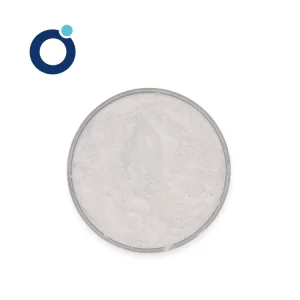
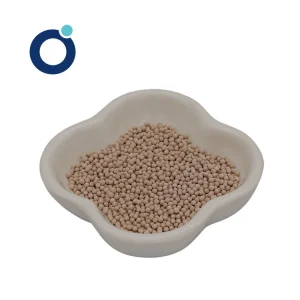
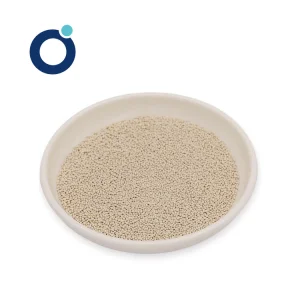
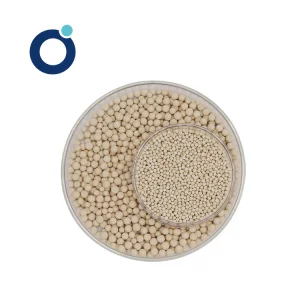
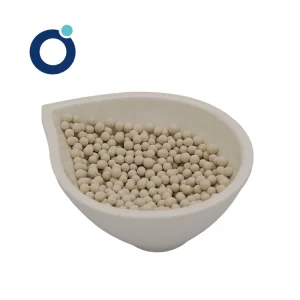
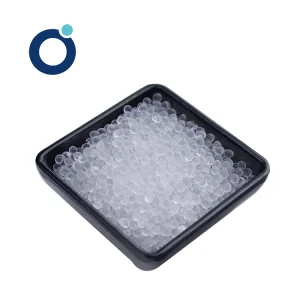
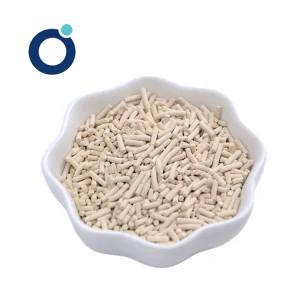
Our engineering team responds to all process inquiries, design reviews, and bulk shipping queries within 24 hours. Contact our team to optimize your adsorption systems.