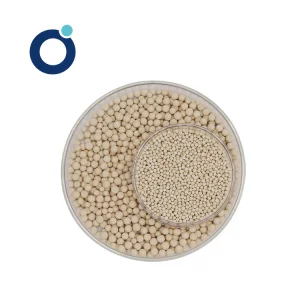
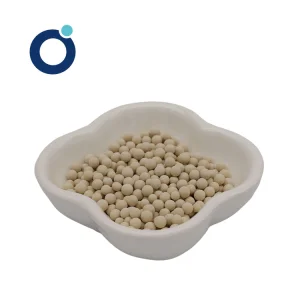
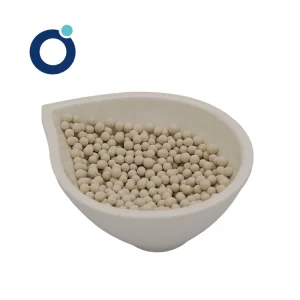
South Africa Industrial Adsorption & Dehydration Whitepaper
South Africa Industrial & Commercial Landscape
South Africa represents one of the most dynamic and complex industrial markets on the African continent. Driven by extensive manufacturing sectors, large-scale mining operations, petrochemical production, and a rapidly evolving energy grid, the demand for highly reliable desiccant and filtration systems has reached unprecedented heights. Industries located in key economic hubs such as Gauteng, KwaZulu-Natal, and the Western Cape face distinct operational environments, including high humidity levels in coastal zones and severe thermal fluctuations in inland regions.
Key sectors such as Sasolburg's petrochemical complexes, natural gas extraction off the southern coast, and metal production in Mpumalanga require chemical separation systems that minimize process downtime. Molecular sieves act as the primary catalyst and desiccant layer in clean energy supply chains, oxygen production plants, and refinery operations. High-capacity molecular sieves are essential for avoiding early system failures caused by ambient humidity and volatile organic compounds (VOCs) commonly found in South African industrial air streams.
Technical Roadmap & Future Outlook
The transition toward green technologies and efficient industrial production in South Africa requires advanced chemical solutions. Over the next decade, the country’s industrial roadmap points clearly to the decarbonization of energy production, the growth of localized medical oxygen generators, and the modernization of natural gas separation infrastructure. Specialized zeolites and synthetic molecular sieves must adapt to deliver higher adsorption rates and low thermal energy regeneration requirements.
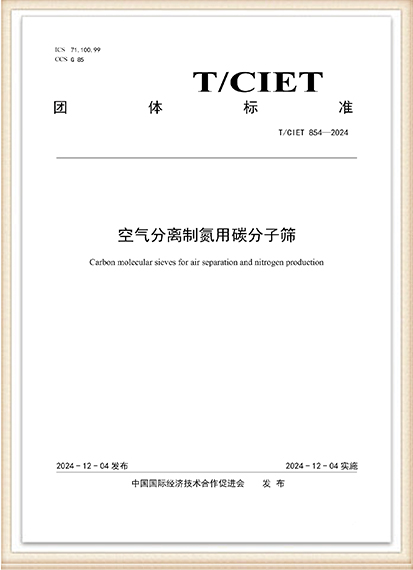
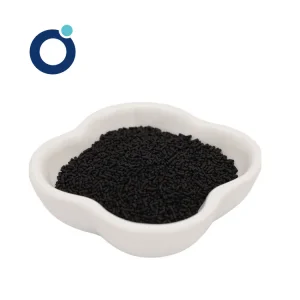
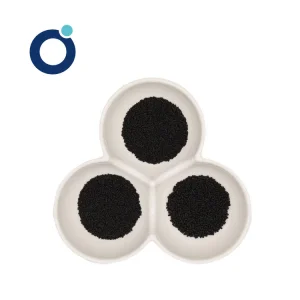
Furthermore, as South Africa progresses with its green hydrogen projects and commercial biogas purification plants, the utilization of advanced Carbon Molecular Sieves (CMS) is critical. In Pressure Swing Adsorption (PSA) systems, the selective separation of nitrogen and oxygen, carbon dioxide from methane, and trace contaminants from hydrogen gas depends heavily on the pore structure consistency of the adsorbent materials. Future system designs will demand zeolites that resist sulfur poisoning and maintain structural integrity over thousands of regeneration cycles.
Macro Industrial Solutions
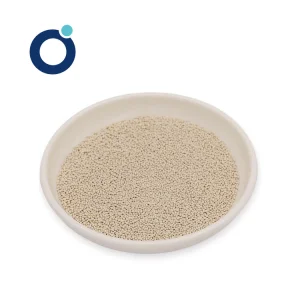
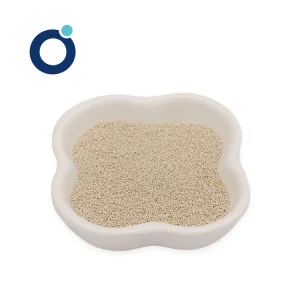
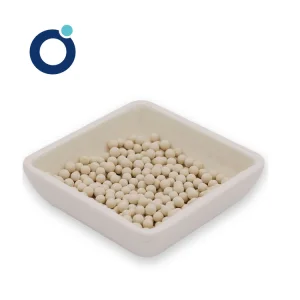
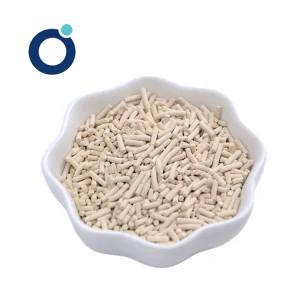
Modern plants are no longer looking for commodity adsorbents; they require integrated macro solutions. By combining technical consultation with precise molecular sieve formulations, JOOZEO delivers tailor-made chemical structures designed to fit specific adsorption towers and regeneration setups. Our engineering approach matches pore sizing (from 3Å, 4Å, 5Å to 13X structures) with dynamic velocity rates in South African plants.
These customized configurations decrease energy consumption during thermal swing regeneration, preventing premature degradation of the binder structure. Whether it is ensuring dry air in double-glazed insulated windows in Johannesburg or scrubbing carbon dioxide in large-scale nitrogen generators, our application engineers provide full-cycle design support, dynamic bed calculation, and onsite loading guidance.
Localized Support & Compliance Assurance
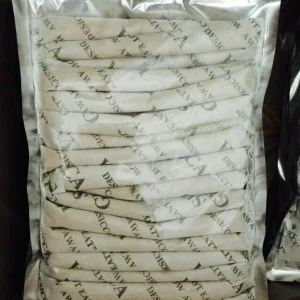
Doing business in South Africa requires strict adherence to import safety, shipping logistics, and industrial standards. JOOZEO guarantees that all export shipments are packaged in heavy-duty, airtight, steel drum containers with vacuum seals to prevent moisture pre-adsorption during ocean transit to the Port of Durban or Port of Cape Town. Our logistics and compliance division works alongside local clearing agents to facilitate fast customs clearance and direct delivery to plant locations.
We guarantee compliance with the South African Bureau of Standards (SABS) and local health and safety standards. Every batch of material shipped includes detailed testing reports covering bulk density, crush strength, moisture retention, and particle size distribution. This guarantees that chemical plant managers receive verified, premium-grade materials that match international QA benchmarks.