
Premium synthetic crystalline aluminosilicates designed for critical purification, low-dewpoint gas drying, and selective adsorption in precision manufacturing.
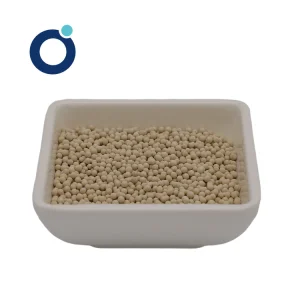
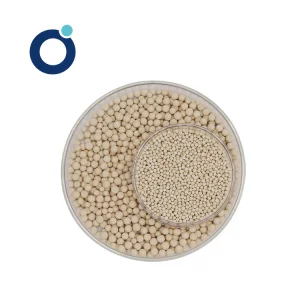
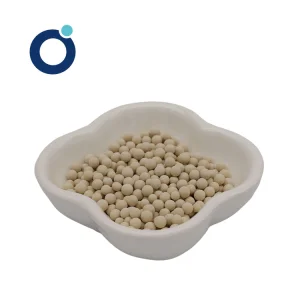
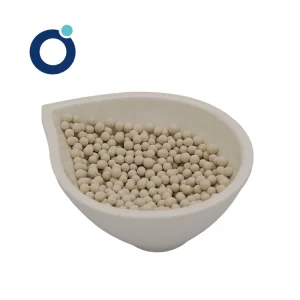
Tokyo and the surrounding Keihin Industrial Area (covering Kanagawa, Saitama, and Chiba prefectures) represent one of the world's most sophisticated manufacturing and research ecosystems. From high-tech electronics fabrication in Ota City to petrochemical refineries lining Tokyo Bay, the requirement for ultra-pure gases and solvents is absolute.
Synthetic zeolites and molecular sieves serve as the silent engines of these processes, performing selective molecular separations down to fractions of a nanometer. As global energy transitions accelerate, the demand for highly efficient Pressure Swing Adsorption (PSA) systems and cryogenic air separation components in Japan has surged.
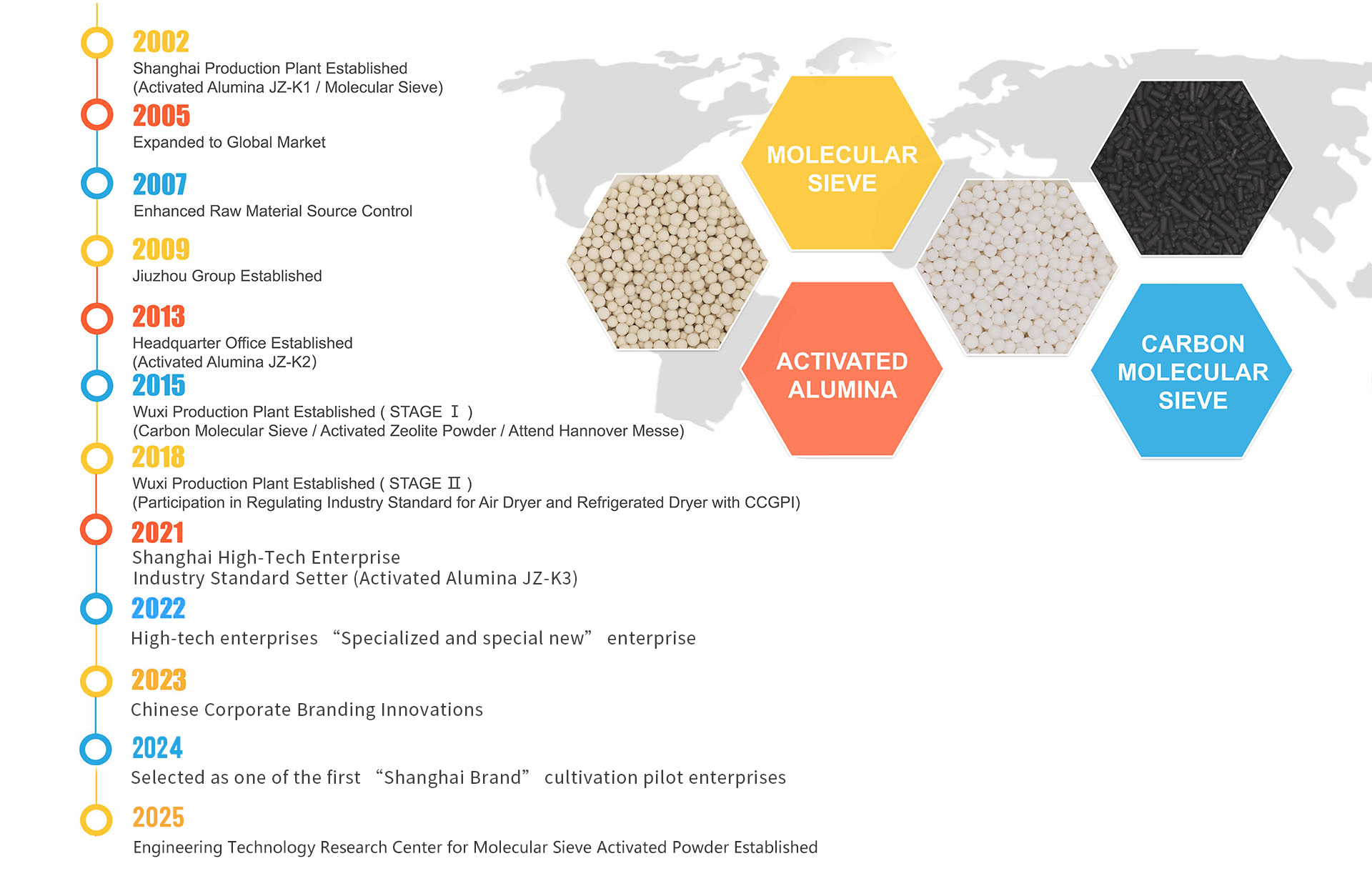
A global leader in the development, research, and manufacturing of high-quality innovative chemical adsorbents and catalyst carriers.
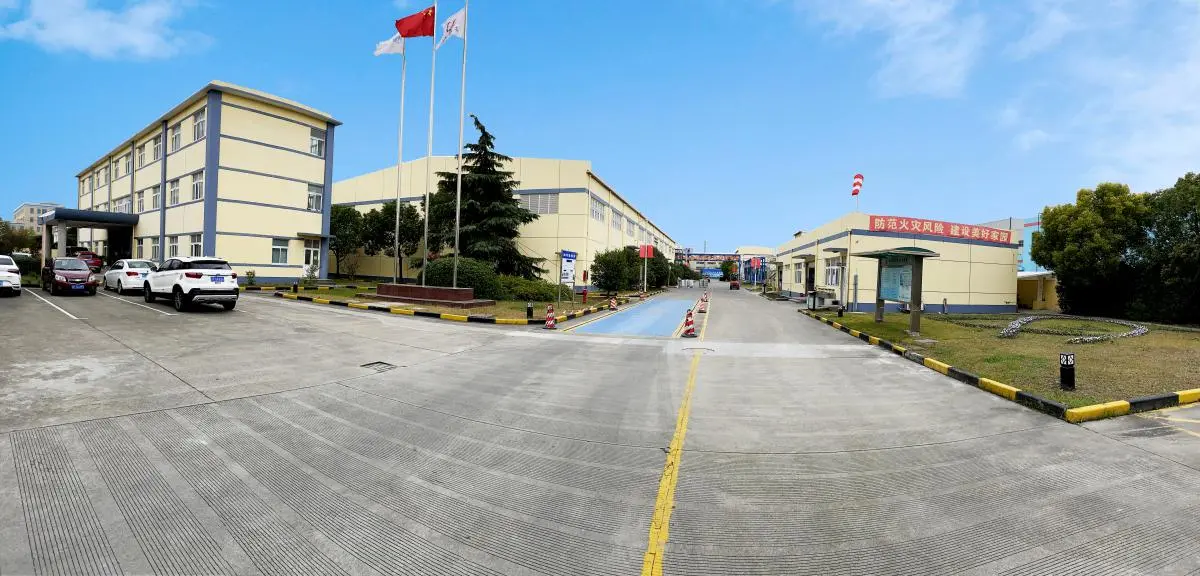
Shanghai Jiuzhou Chemicals Co., Ltd. is strategically situated in China’s chemical and economic hub, Shanghai. Over the years, Jiuzhou has strictly adhered to the core philosophies of "Quality Control & Technical Innovation", committing significant resources to the synthesis of next-generation molecular sieve powders, activated alumina, catalysts, and ceramic packing components.
Equipped with an ISO9001:2008 certified management network and verified by internationally recognized testing houses like TUV and SGS, our materials meet the most stringent specifications required by Japanese engineering procurement contracts (EPCs).
Our dynamic laboratory and advanced analysis center feature state-of-the-art volumetric sorption analyzers, particle size counters, and gas chromatography setups, allowing our engineers to customize pore sizes and adsorption isotherms for specific local clients in Tokyo and the wider Kanto area.
Quality Control Commitment
Custom R&D and Adaptation
Our dual-factory strategy ensures continuous raw material processing, volume scale, and mitigating logistics risks for our Japanese distribution partners.
Focuses on advanced material engineering, international compliance, and custom molecular sieve formulation for high-precision electronics and laboratory applications.
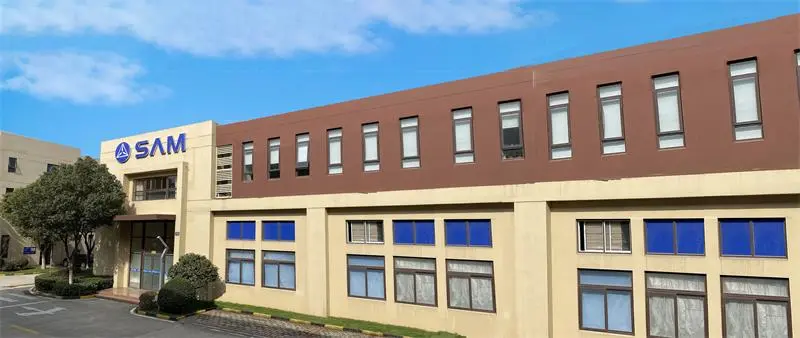
Dedicated to large-scale commodity production, bulk activated alumina calcination, and structural ceramic ball extrusion, ensuring strong cost-efficiency.
In accordance with Japan's strict environmental regulations, Tokyo-based operators are seeking adsorption technologies that can minimize utility costs while cutting carbon footprints. Jiuzhou’s research focuses on two major avenues:
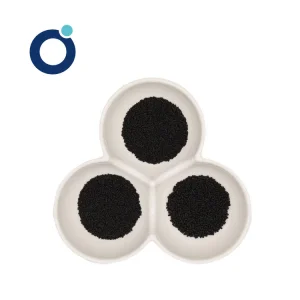
By optimizing the crystalline pore structures of our Carbon Molecular Sieves (JZ-CMS series) and Oxygen Molecular Sieves (JZ-OM series), we have successfully reduced the operating pressures required to achieve 99.999% nitrogen purity. This translates to a direct 15-20% electricity consumption reduction in industrial PSA units.
Our modified 13X and zeolitic formulations are currently being trialed in pilot carbon capture systems around Tokyo Bay. These sieves feature enhanced thermal stability, ensuring they maintain maximum capacity over thousands of regeneration cycles under aggressive flue gas conditions.
For high-precision industries such as semiconductors and pharmaceutical packaging, maintaining a moisture dew point below -70°C is critical. Our composite adsorbent beds (combining molecular sieves with activated alumina) prevent piping corrosion and product contamination.
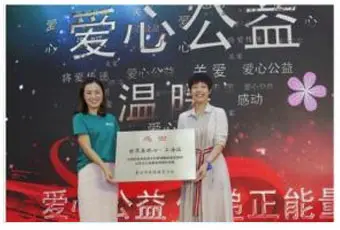
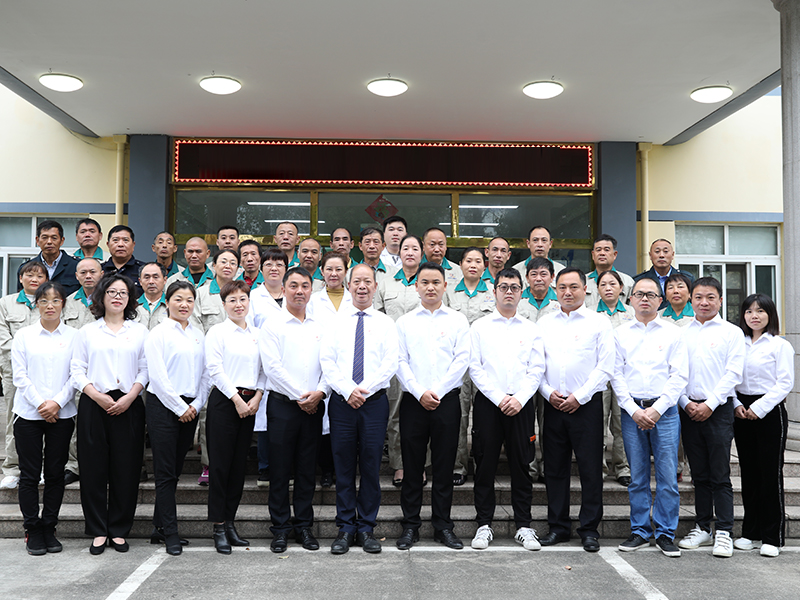
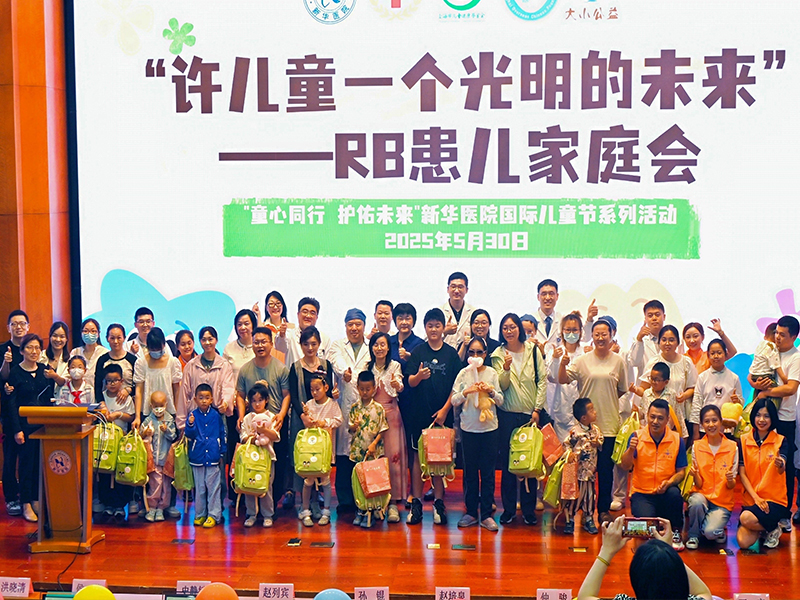
Social Responsibility: Better Air, Better Life
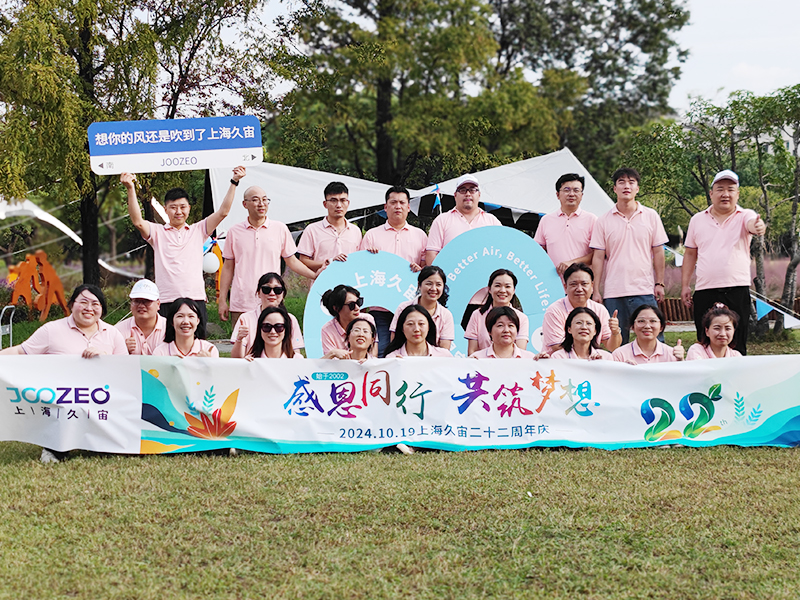
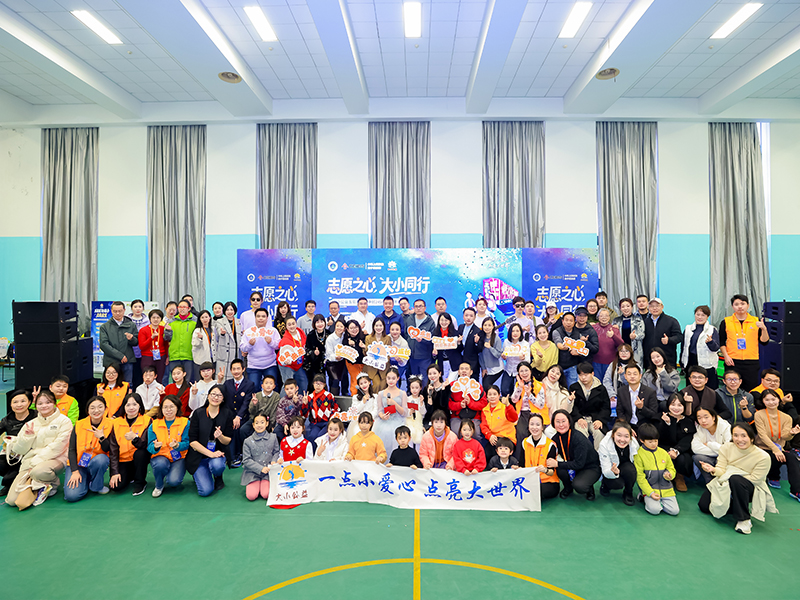
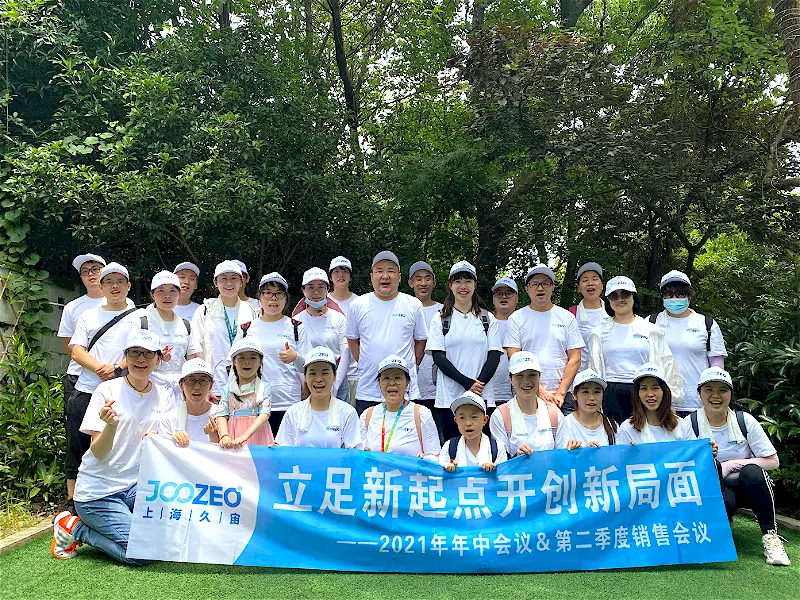
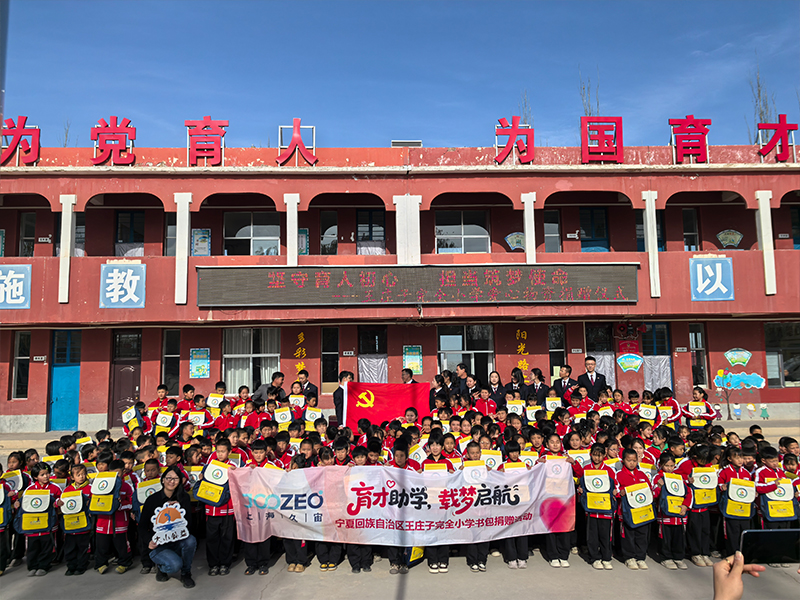
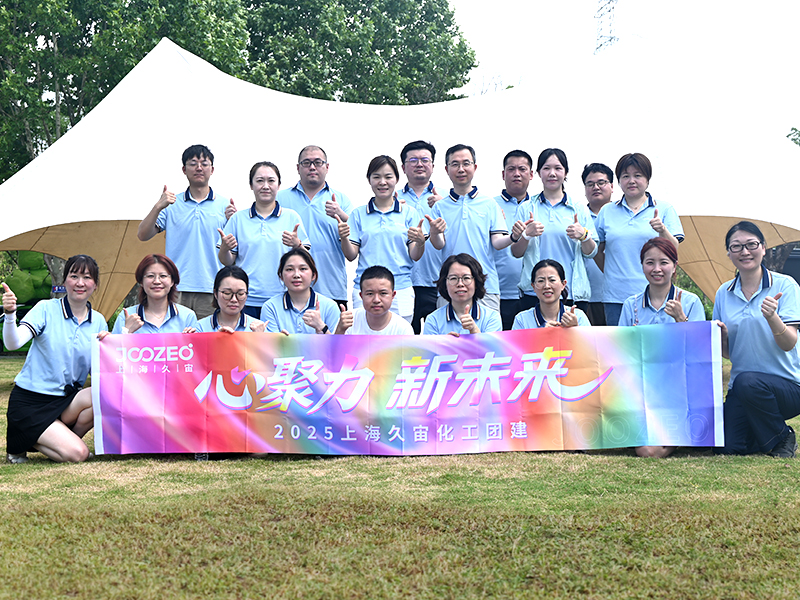
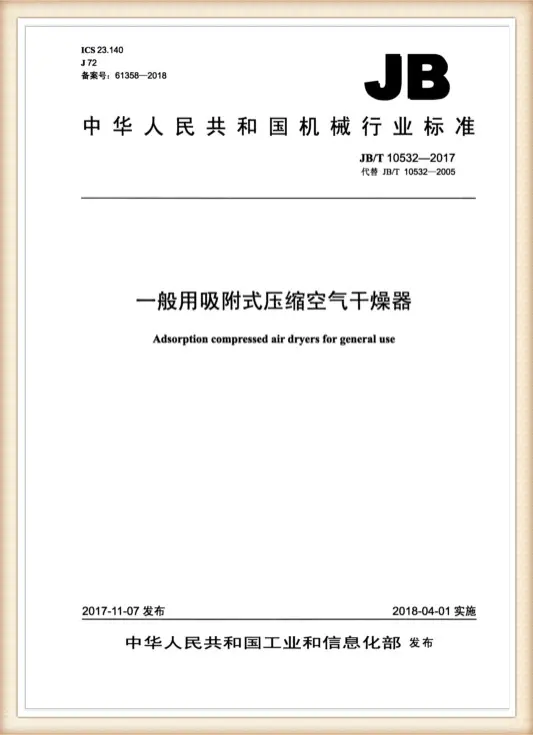
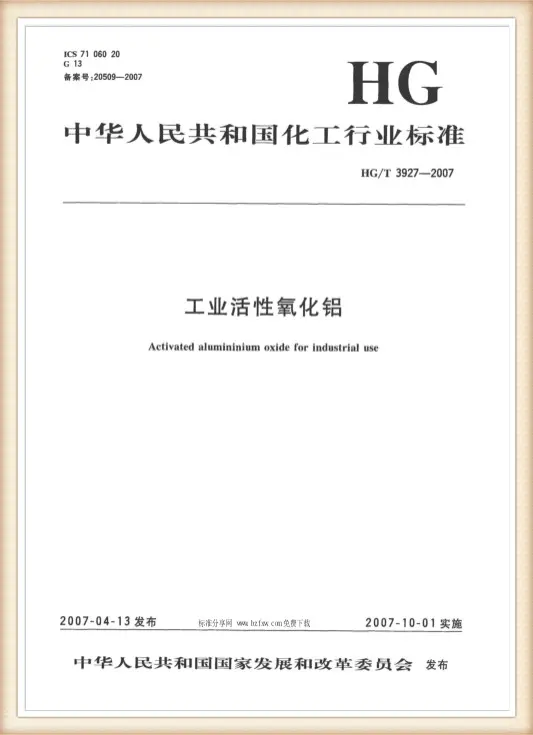
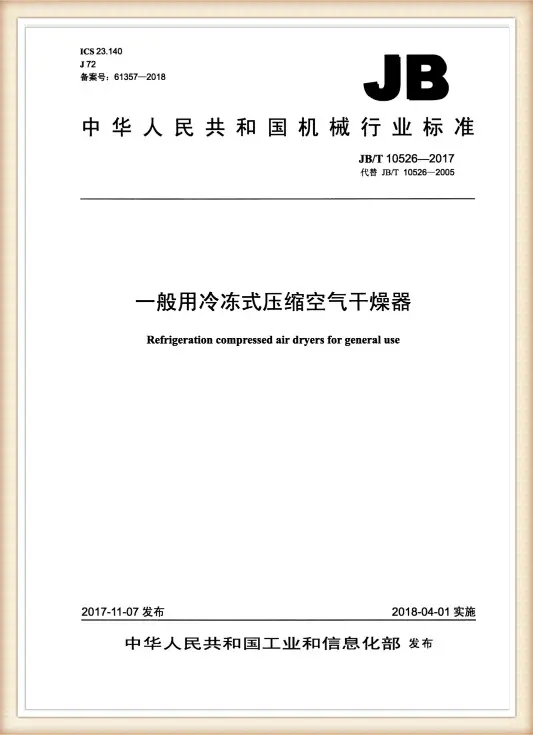
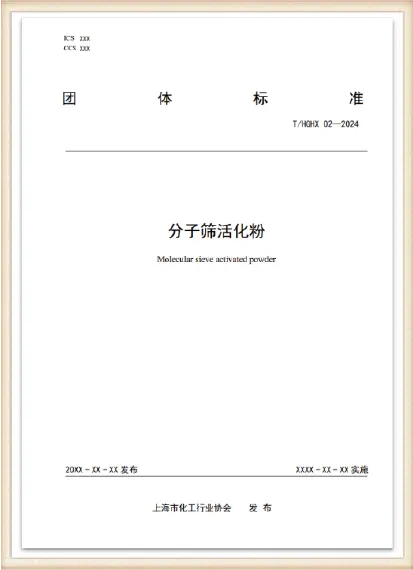
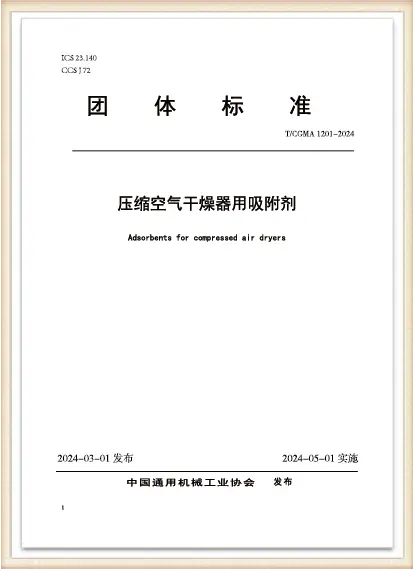
Jiuzhou Chemicals does not just follow standard regulations; we actively participate in drafting chemical and manufacturing industry parameters.
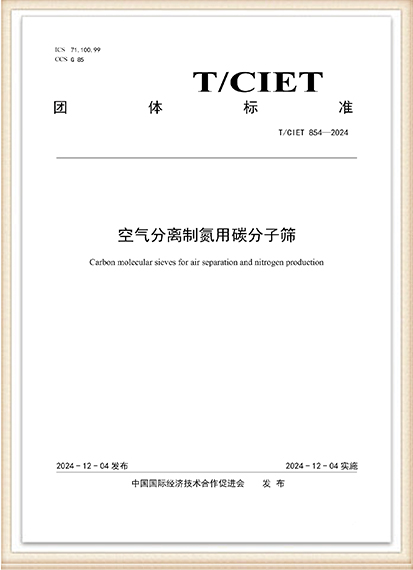
Tailored carbon molecular sieves, oxygen concentrator media, and custom desiccants available for direct shipment to Tokyo Port with full Japanese SDS compliance.
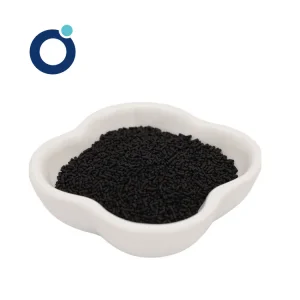
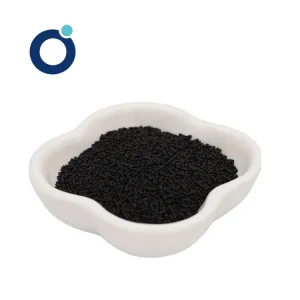
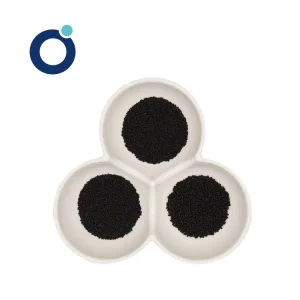
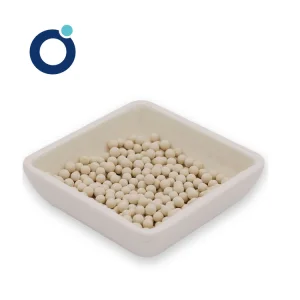
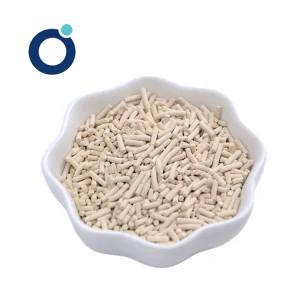
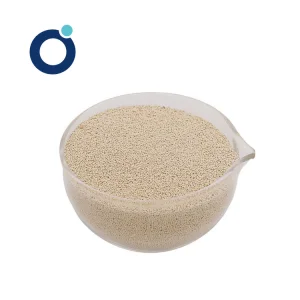
Get professional answers from Jiuzhou’s chemical engineers regarding adsorption dynamics, material selection, and system operations in Tokyo.
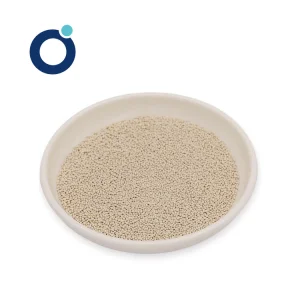
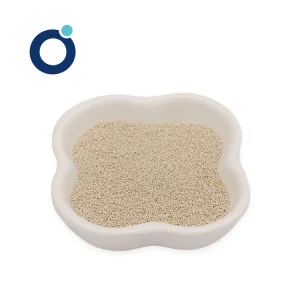
Carbon Molecular Sieves (CMS) are carbon-based materials with incredibly precise slit-like micropores. They separate gases (such as oxygen from nitrogen) based on the kinetic differences in diffusion rates. Synthetic zeolites (types 3A, 4A, 5A, 13X) are crystalline aluminosilicates that operate primarily via electrostatic interactions and molecular sizing, separating polar molecules like water, CO2, and H2S from hydrocarbon streams.
Every batch of molecular sieves bound for Tokyo undergoes strict quality checks that map directly to JIS requirements. This includes verifying mechanical crushing strength, static and dynamic water adsorption capacity, bulk density, and residual moisture content. We provide full Japanese SDS documentation and certification papers for easy customs clearance and plant audits.
Our pricing is influenced by: 1) The specific zeolitic framework and pore uniformity (e.g., custom grade CMS3PN versus standard CMS2N). 2) Order volume and packing format (steel drums, super sacks, or specialized moisture-resistant cartons). 3) Shipping route and port storage costs (Shanghai Port to Tokyo Port or Yokohama Port). We provide detailed CIF and DDP quotes to match your procurement terms.
Regeneration typically requires either Temperature Swing Adsorption (TSA) or Pressure Swing Adsorption (PSA). For TSA dehydration systems, purging with dry gas at temperatures between 200°C and 320°C is required to break the strong hydrogen bonds between the water molecules and the zeolitic active sites. Proper cooling using dry air is necessary to maintain long-term structural integrity.
Get in touch with Jiuzhou's senior technical engineers today to receive detailed technical datasheets, chemical compatibility analysis, and customized quotes for the Tokyo market.
Send Inquiry Now