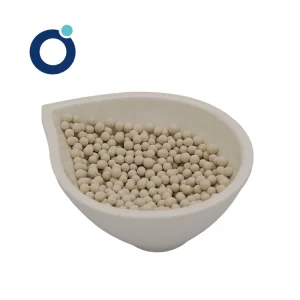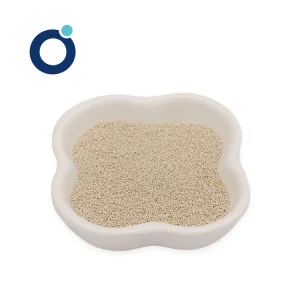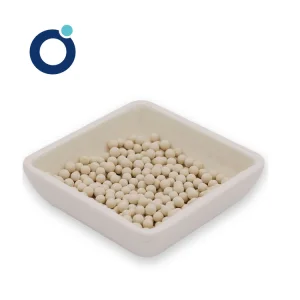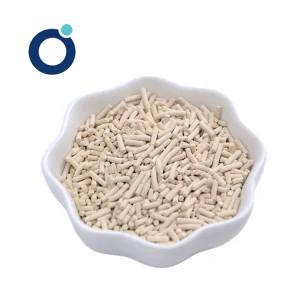
Specialized Molecular Sieve Manufacturers & Supplier for Mumbai

High-Performance Zeolite & Carbon Molecular Sieves engineered for Mumbai's Petrochemical, Industrial Gas, and Pharmaceutical Sectors. Sourced directly from standard-setting Chinese manufacturing hubs.

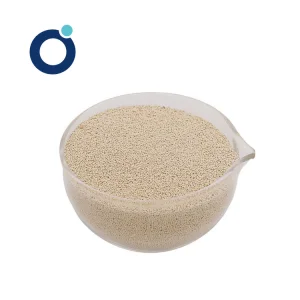
Premium Molecular Sieves for Mumbai Industrial Dehydration

Engineered for high adsorption capacity, optimal bulk density, and superior crushing strength under intense industrial environments.

Mumbai's Dynamic Industrial Ecosystem & Adsorption Technology Needs

As the economic capital of India, the Mumbai Metropolitan Region (MMR) represents a key axis of chemical processing, petroleum refining, natural gas distribution, and pharmaceutical manufacturing. From the refining complexes in Chembur and Trombay (operated by industry majors like BPCL and HPCL) to the expansive chemical belts in the Thane-Belapur Road and Taloja MIDC, precision separation technologies are crucial to regional industrial uptime.

In these environments, gas purification and moisture control are critical. Standard desiccants cannot meet the dew point requirements (often below -70°C) needed to prevent hydrate formation in cryogenic separation or catalyst poisoning in downstream polymerization units. The humid coastal climate of Mumbai introduces high ambient moisture levels, necessitating specialized molecular sieve adsorbents. Zeolites and carbon molecular sieves (CMS) must feature high thermal stability, optimal pore size distribution, and high mechanical crushing strength to prevent fluidization and dusting in high-velocity gas flows.

1994
Year of Establishment
80+
Trade Partner Countries
25,000㎡
Production Area

The Science of Selective Adsorption: Mechanics and Engineering

Molecular sieves are crystalline aluminosilicates featuring uniform pore structures. Unlike silica gel or activated alumina, which rely on a wide distribution of pore sizes for general physical absorption, molecular sieves separate gases at a molecular level based on size and polarity:

  • Kinetic Exclusion (Size Selectivity) Pore openings of 3Å, 4Å, 5Å, or 10Å (13X) allow smaller molecules (like water at 2.6Å) to enter the inner cavity while excluding larger hydrocarbons (such as propane or butane).
  • Electrostatic Interaction (Polarity Selectivity) The zeolite framework contains exchangeable cations (such as sodium, potassium, or calcium) that generate electrostatic fields. Polar molecules (e.g., H₂O, CO₂, H₂S) are adsorbed more strongly than non-polar molecules (e.g., N₂, CH₄).

Zeolite Adsorbent Classification & Selection Matrix

Selecting the appropriate molecular sieve grade requires matching the adsorbate’s kinetic diameter to the zeolite pore diameter. Below is an engineering matrix designed for process engineers in Mumbai's chemical zones:

Zeolite Type Nominal Pore Diameter Primary Adsorbate Common Mumbai Applications Critical Properties
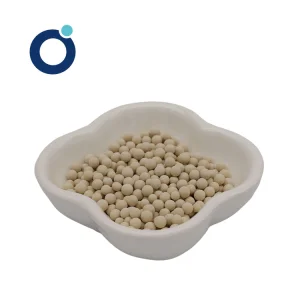
Type 3A (JZ-3ZAS) 3 Ångströms H₂O (Water vapor) Ethylene/propylene drying, ethanol dehydration in bio-fuel blending plants. Excludes hydrocarbons, preventing co-adsorption and polymerization within pores.
Type 4A (JZ-ZAC) 4 Ångströms H₂O, CO₂, H₂S, SO₂ Compressed air systems, closed-loop instrumentation lines in refineries. High adsorption capacity at moderate temperatures; standard utility choice.
Type 5A (JZ-512H) 5 Ångströms n-paraffins, H₂S Hydrogen purification (PSA), separation of normal/isomer alkanes. Strong cation field (Calcium-substituted) selectively captures larger impurities.
Type 13X (JZ-404B) 10 Ångströms H₂O, CO₂, heavy mercaptans Air Separation Units (ASU) pre-purification, LNG sweetening, CO₂ removal. Highest theoretical capacity for large molecules; low mass transfer zone resistance.

Additional Product Portfolio for Diverse Separation Needs

Beyond standard molecular sieves, we manufacture specialty catalysts and customized zeolite grades to meet the demanding requirements of Mumbai's heavy industries and specialized labs:

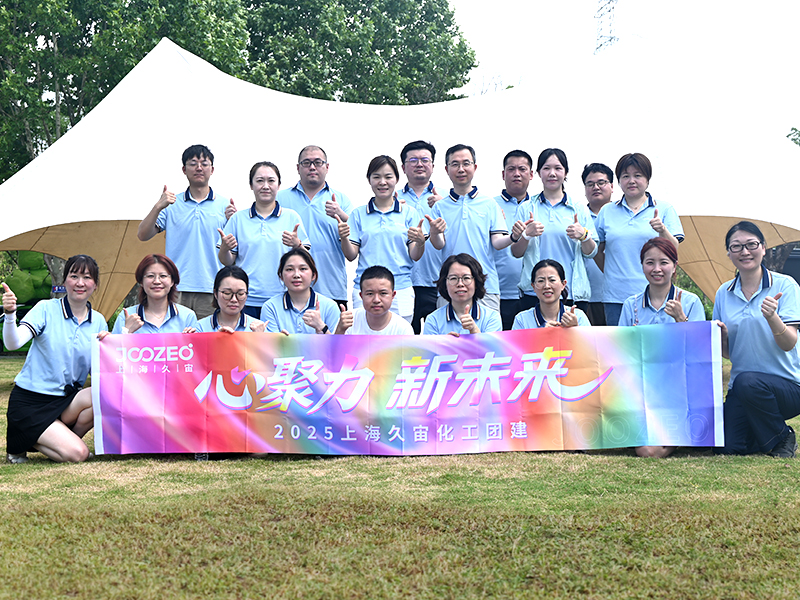
About Shanghai Jiuzhou Chemicals (Joozeo)

Shanghai Jiuzhou Chemicals Co., Ltd. is based in Shanghai, China's economic and chemical processing hub. We specialize in the research, development, and manufacturing of high-purity chemical adsorbents and catalysts. Over the years, Jiuzhou has adhered to the principles of "Quality Control, Constant Innovation" to deliver advanced solutions for moisture control, gas purification, and selective separation. Our primary offerings include diverse molecular sieve powders, active powders, activated alumina, catalysts, sodium silicates, and related zeolites.

Our manufacturing facilities are ISO 9001:2008, TUV, and SGS certified. We maintain a dedicated research team alongside advanced testing facilities to ensure products conform to international quality and performance metrics.
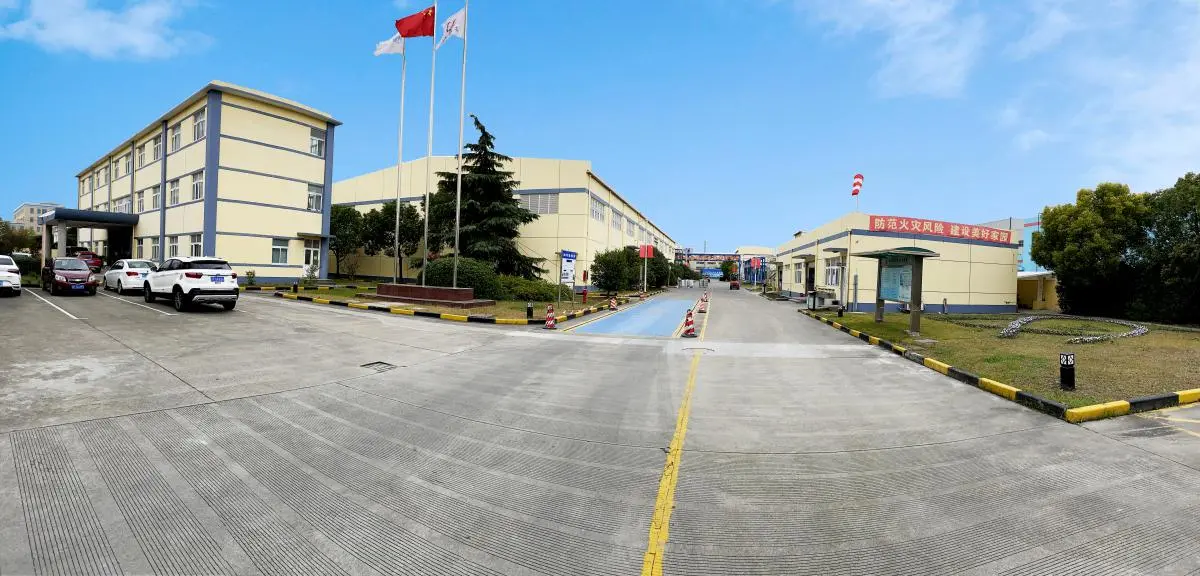
Shanghai Jiuzhou Chemicals Factory Plant

Shanghai Factory (Corporate HQ & Core Lab)

Hosts our R&D center, quality management division, and export logistics team, offering customized solutions for global delivery.

Wuxi Jiuzhou Production Base

Wuxi Factory (Production Base)

Equipped with advanced rotary kilns, automated granulation lines, and high-capacity packaging systems for scale production.

Industry Standard Setter (Standardizing Excellence)

Our technical department leads industry standards by participating in drafting national and industrial specifications. This ensures our adsorbents perform reliably under demanding process conditions:
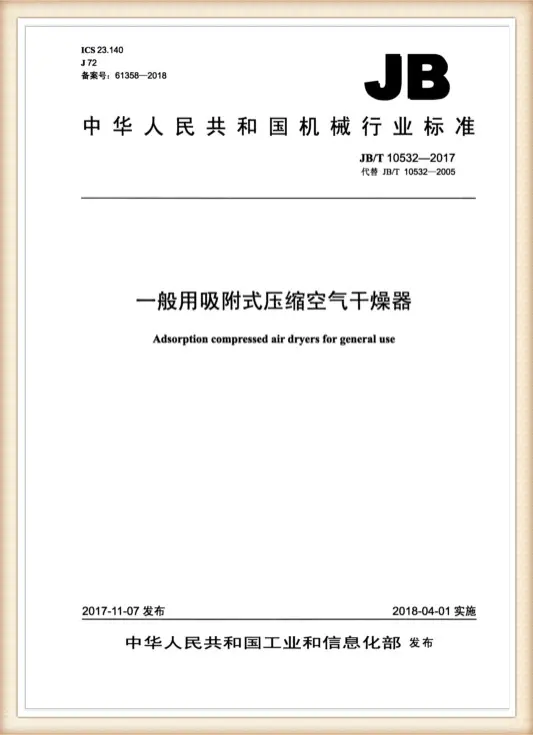
Standard JB / T 10532-2017

JB / T 10532-2017

Adsorption Air Dryers
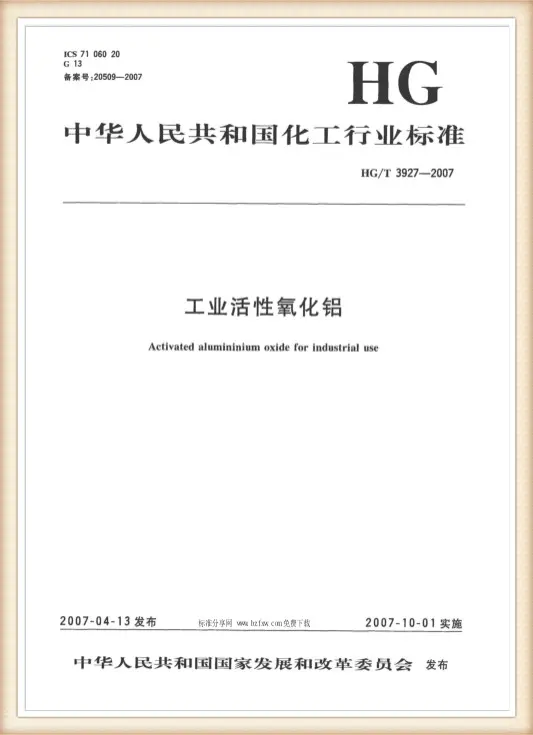
Standard HG / T 3927-2007

HG / T 3927-2007

Activated Alumina
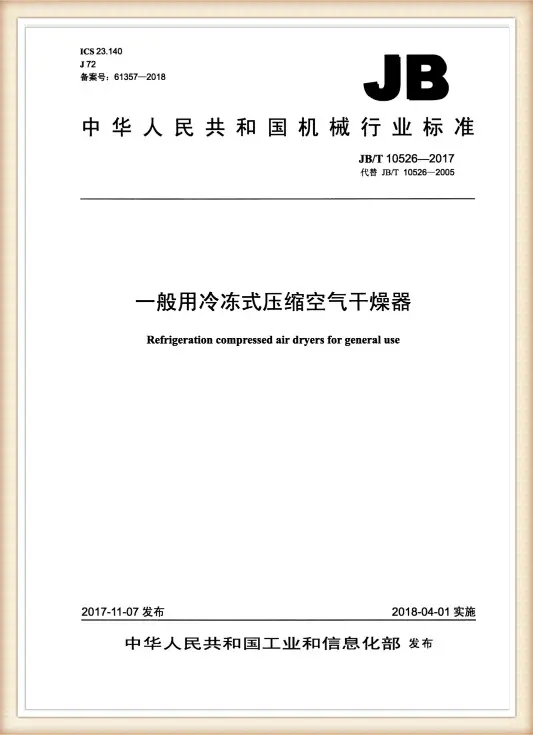
Standard JB / T 10526-2017

JB / T 10526-2017

Refrigerated Air Dryers
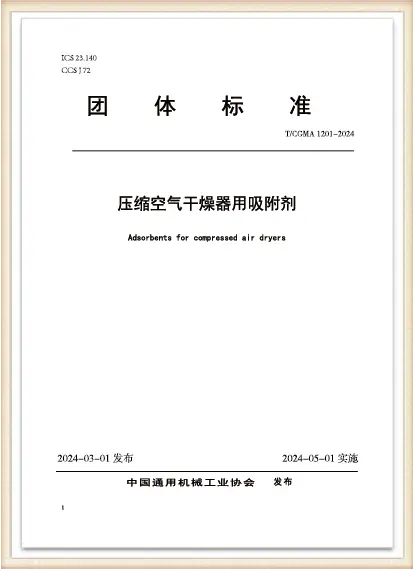
Standard T/CGMA1201-2024

T/CGMA1201-2024

Industrial Gas Filters
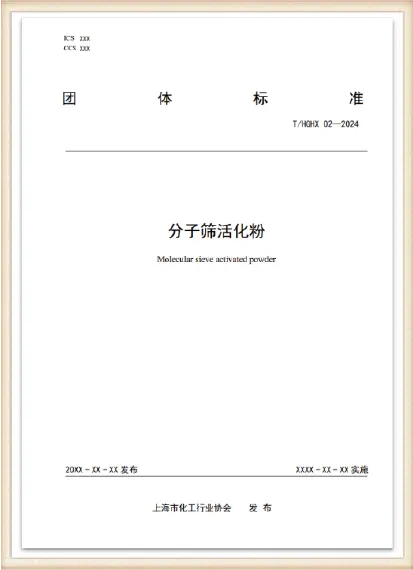
Standard T/HGHX 02-2024

T/HGHX 02—2024

Zeolite Adsorbent Specs
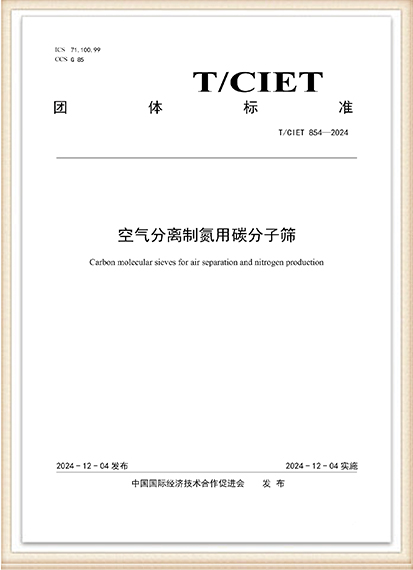
Standard T/CIET 854-2024

T/CIET 854-2024

Low-Carbon Chemistry

Quality Control (100%) & Technical Innovation (100%)

By managing both core raw-material processing and final activation steps, we maintain tight control over quality parameters:

  • Raw Material Purity Control Each batch of precursor sodium aluminate and silicate undergoes ICP-OES analysis to prevent heavy metal impurities and ensure stable crystallization.
  • Dynamic Adsorption Testing Our laboratory simulates real-world pipeline pressures and temperatures, verifying dynamic water capacity and gas breakout times under variable flow rates.
  • High Crushing Strength Our mechanical pelletizing and firing process minimizes attrition, dust generation, and pressure drop across the bed.
  • Pore Size Optimization Advanced ion-exchange processes enable precise calibration of pore apertures to meet demanding separation requirements.

Supply Chain Resilience & Seamless Logistics to Mumbai

We optimize lead times for our clients in Mumbai and the wider Maharashtra industrial belt through robust logistics management:

🚢 Direct Route to Nhava Sheva (JNPT) We route shipments through the Shanghai port to Jawaharlal Nehru Port (JNPT), Mumbai, ensuring efficient customs clearance and fast transit.
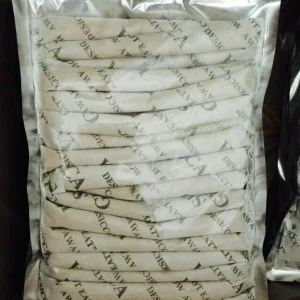
📦 Protective Packaging & Moisture Barriers Our products are vacuum-sealed in steel drums, heat-sealed double-bag linings, or heavy-duty super sacks with desiccants to prevent pre-activation during ocean transit.
🛡 Regulatory & Trade Compliance We provide full documentation, including Certificates of Analysis (CoA), material safety data sheets, and origin certificates, to streamline customs processing in India.
💼 Local Distribution Support Through partnerships with local chemical distributors in Mumbai, Thane, and Navi Mumbai, we facilitate quick access to emergency safety stocks.

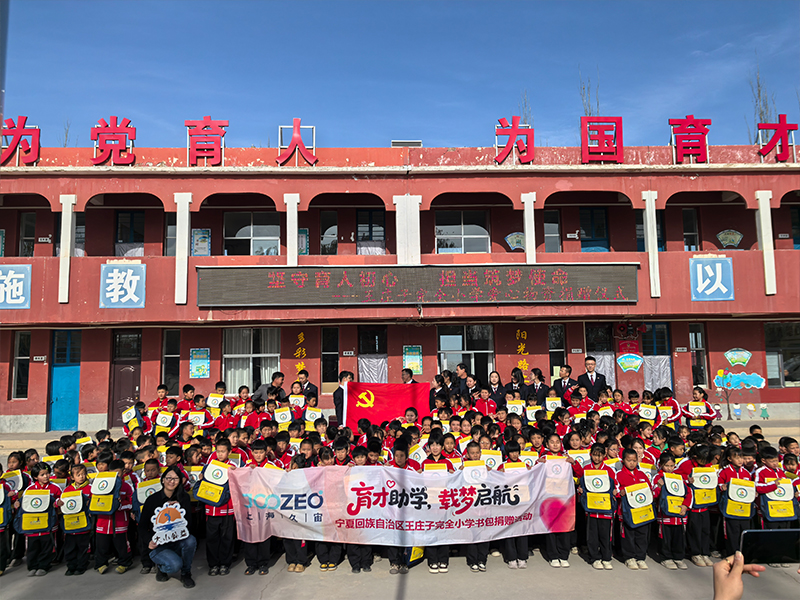
Corporate Social Responsibility: Better Air, Better Life

At Shanghai Jiuzhou Chemicals, our goal extends beyond supplying chemical components; we aim to foster cleaner industrial practices. By engineering advanced adsorption technologies, we help manufacturing facilities reduce their trace pollutants, lower energy consumption in desiccant thermal regeneration, and capture fugitive carbon emissions. Our environmental management systems comply with international clean air and water initiatives, and we constantly refine our production methods to reduce waste.
Expert Q&A on Molecular Sieve Application & Operation

Technical guidance from our senior application engineers on optimizing bed life, regeneration cycles, and handling thermal stress.
How does the coastal humidity of Mumbai impact molecular sieve performance?
High ambient humidity increases the water vapor load during the intake phase of compressed air or gas drying systems. If the pre-filters or water separators fail to capture bulk liquid water, the molecular sieve bed can experience liquid water carryover. Liquid water can weaken the binder matrix of zeolite beads, leading to bead fracturing, compaction, and high pressure drops. We recommend installing an activated alumina sacrificial pre-bed (such as JZ-ZAC active alumina) to capture bulk moisture, protecting the downstream molecular sieve bed.
What temperature range is recommended for regenerating Type 3A and 4A molecular sieves?
For Thermal Swing Adsorption (TSA) systems, regeneration typically requires heating the dry purge gas to between 200°C and 320°C. Going below 200°C may result in incomplete desorption of water molecules, which reduces dynamic capacity in the subsequent cycle. Exceeding 350°C can cause thermal degradation, structural collapse of the zeolite cage, and loss of crystalline capacity.
Why is a 3Å pore size critical for bio-ethanol dehydration plants in Maharashtra?
Type 3A molecular sieves (pore opening of ~3 Ångströms) are engineered to exclude ethanol molecules (kinetic diameter ~4.2Å) while allowing water molecules (kinetic diameter ~2.6Å) to enter and be adsorbed. If a 4A molecular sieve is used instead, co-adsorption of ethanol occurs, which can cause catalytic cracking of the ethanol within the pores, leading to carbon build-up (coking) and rapid loss of adsorption capacity.
How does Carbon Molecular Sieve (CMS) grade selection affect nitrogen generator output?
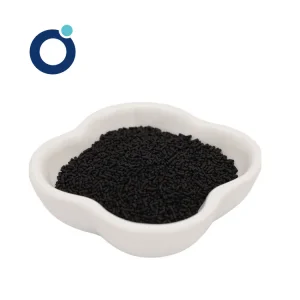
The nitrogen yield and purity depend on the CMS pore size distribution. High-grade CMS options like JZ-CMS6N or JZ-CMS8N feature precise pore sizes that optimize the diffusion rate difference between oxygen and nitrogen. This allows for high-purity nitrogen output (up to 99.999%) with a lower air-to-nitrogen ratio, reducing compressor power consumption.
How do standard certificates (like JB/T 10532-2017) protect purchasing managers?
These industrial standards dictate minimum requirements for crushing strength, bulk density, moisture absorption speed, and attrition rate. Sourcing molecular sieves that meet these specifications helps prevent performance issues, such as premature bed breakdown and powdering, which can clog downstream valves and filters.

Request Technical Guidance or Custom Quotation

Get in touch with our applications team to request sample materials, custom pore calibrations, or shipping estimates to JNPT Port, Mumbai.

Send Inquiry Now