Engineered to deliver extreme thermal stability and absolute moisture separation under high ambient temperatures. Ideal for petrochemical refining and natural gas dehydration.
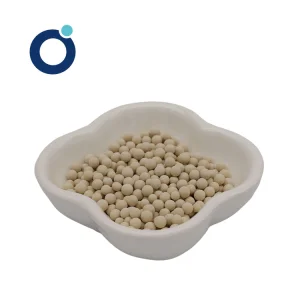
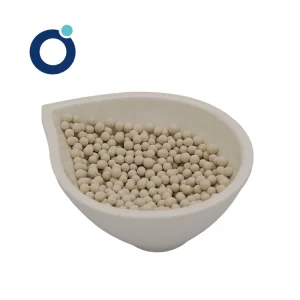
Riyadh is undergoing an unprecedented industrial expansion. Driven by Saudi Vision 2030, the Kingdom is actively transitioning into a global logistics and manufacturing hub, building out extensive industrial estates, chemical complexes, and advanced energy installations. Key economic centers such as the Riyadh Second Industrial City and surrounding petrochemical zones are expanding their reliance on sophisticated catalyst chemistry and high-performance separation technologies.
In this extreme geographic region, industrial processes operate under harsh ambient desert climates. Temperatures consistently exceed 45°C during summer months, bringing challenges of thermal variation, ambient dust, and volatile gas conditions. High-efficiency adsorption using Specialized Molecular Sieves has become critical for ensuring downstream process stability, maintaining pipeline integrity, and achieving stringent purity standards required by national bodies like Saudi Aramco and SABIC.
On a global scale, the industrial adsorbent market is shaped by the transition toward cleaner energy vectors. Key drivers include:
As standard gas reserve sources are depleted, operators are processing increasingly complex gas feeds. This mandates the utilization of synthetic molecular sieves with precisely customized pore architectures, optimized binder materials, and high resistance to physical abrasion.
The operational logic of specialized molecular sieves depends on kinetic exclusion. Synthesized crystalline frameworks present pore apertures at angstrom dimensions (3Å, 4Å, 5Å, 10Å/13X). For instance, in gas processing plants in Riyadh, a 3Å molecular sieve (such as the JZ-3ZAS class) selectively admits moisture molecules (kinetic diameter ~2.6Å) while excluding hydrocarbons such as ethylene and propylene (kinetic diameters >3.8Å), eliminating the risk of co-adsorption and subsequent bed coking during high-temperature thermal regeneration cycles.
In the Riyadh metropolitan area, petrochemical complexes, air separation units, and commercial packaging facilities use custom molecular sieve matrices across four primary fields:
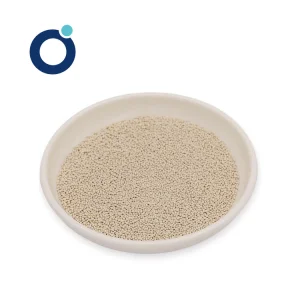
Natural gas processing and refinery off-gas treatments require continuous drying to prevent hydrate formations. Implementing JZ-404B and JZ-3ZAS zeolites ensures compliance with dew-point protocols in dry gas export lines, operating reliably despite high-salinity ambient cooling conditions.
For Riyadh's chemical plants, high-purity chemical feedstock is vital. Specialized molecular sieves (JZ-512H type) selectively remove CO, CO2, and trace volatile organics from gas streams, guaranteeing polymer-grade feedstocks for downstream plastic production lines.
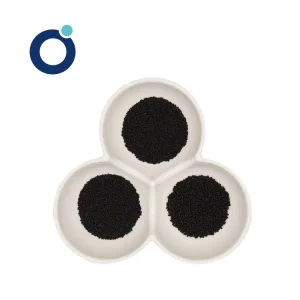
Local manufacturing clusters, medical facilities, and glass fabrication industries rely on on-site gas generators. Carbon Molecular Sieves (CMS series) provide stable air separation, supplying high-purity Nitrogen and Oxygen locally, which lowers logistical overheads.
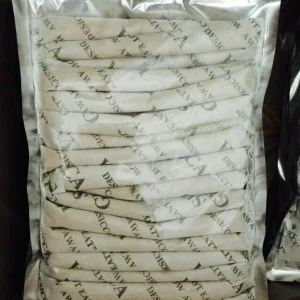
Riyadh's growing pharmaceutical and defense electronics manufacturing sectors demand absolute moisture control during transport and warehousing. Compact JZ-MSDB desiccant packets prevent long-term hydrolysis and component oxidation.
The manufacturing paradigm of molecular sieves is moving toward binderless technology. Historically, zeolite crystals were bound using clay binders (representing 10-20% of the total mass), which contributed nothing to adsorption performance and increased the risk of system coking. By converting these clay binders directly into active zeolite frameworks, modern production pipelines generate adsorbents with 15-20% higher dynamic capacity, reducing vessel size requirements and overall capital investment (CAPEX) for industrial engineering projects in Saudi Arabia.
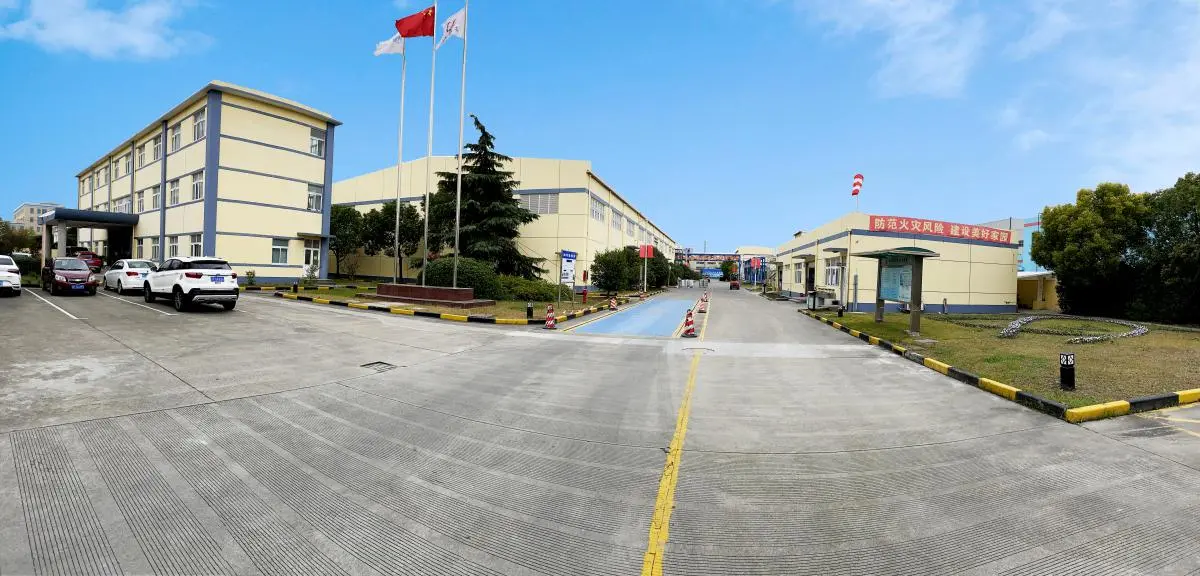
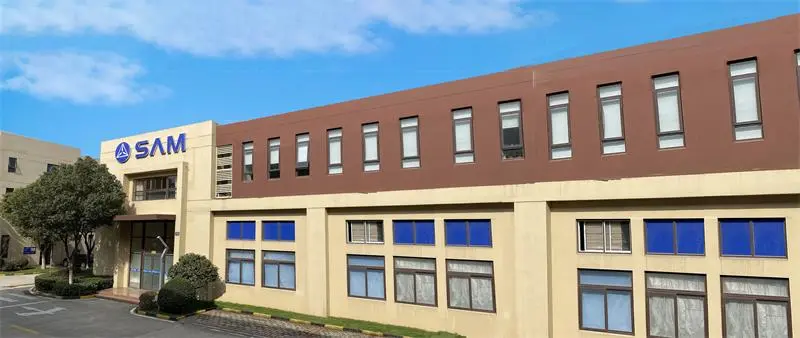
Shanghai Jiuzhou Chemicals Co., Ltd. is located in China's largest economic hub, Shanghai. Over the years, Jiuzhou has adhered to the core principles of "Quality Control & Continuous Innovation", committing to the research, development, and manufacturing of high-performance chemical adsorbents.
Our product portfolio includes molecular sieve powders, activated alumina, synthetic zeolite catalysts, and specialized carbon molecular sieves. Certified under ISO9001:2008, TUV, and SGS, our products meet international standards, serving industrial markets across the United States, Europe, Southeast Asia, and the Middle East.
We work closely with global design institutes and engineering firms to deliver energy-efficient, reliable separation systems tailored to regional conditions, such as the high-temperature industrial environments of Saudi Arabia.
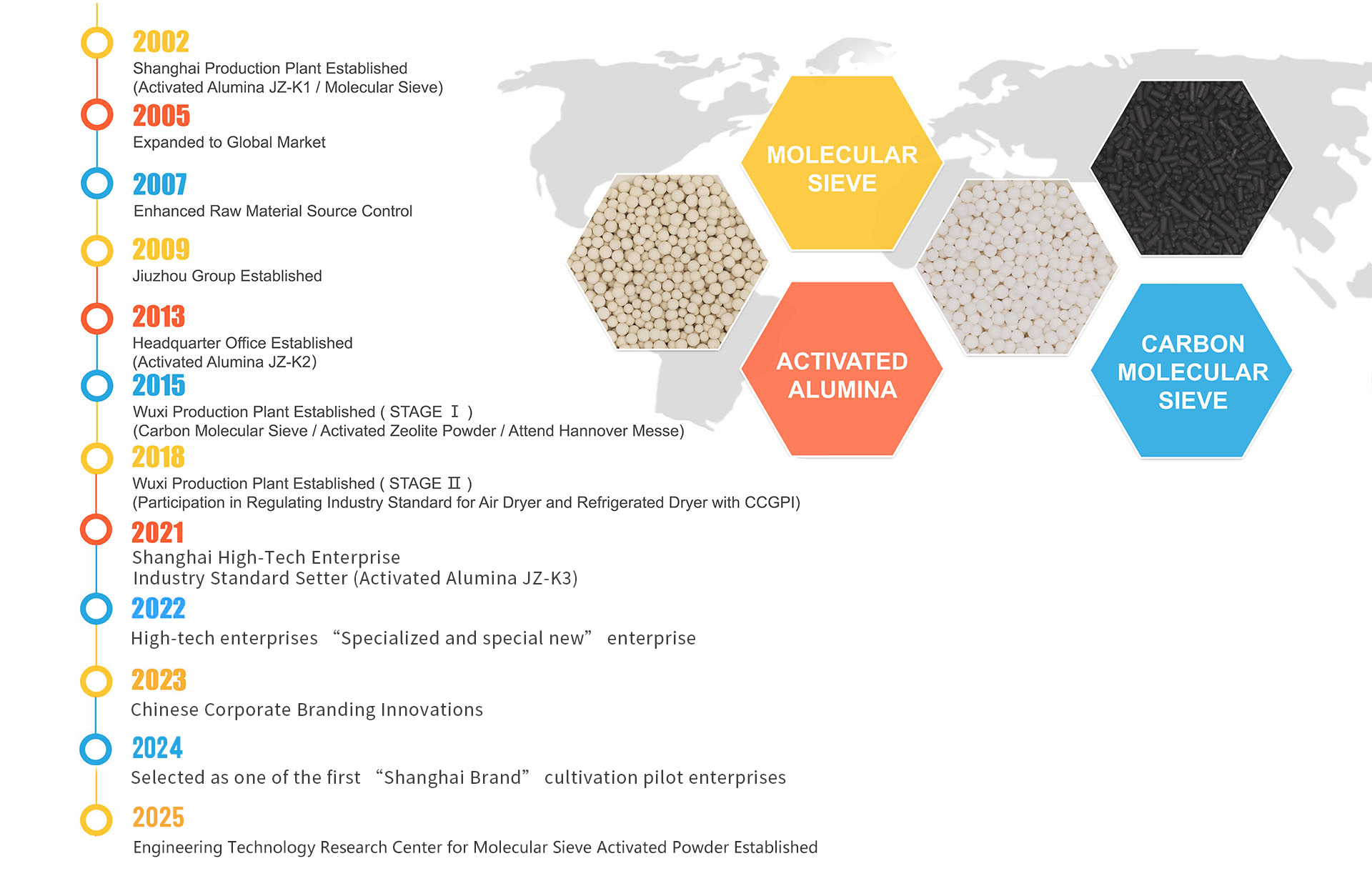
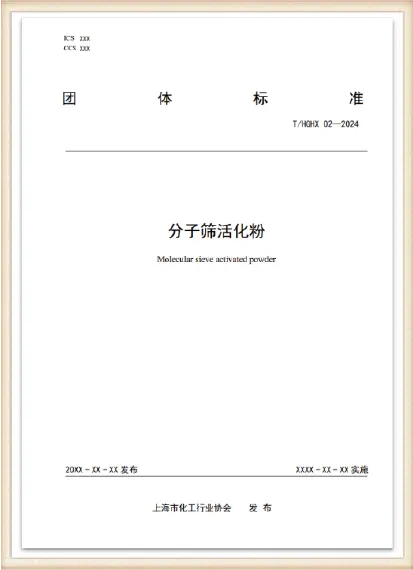
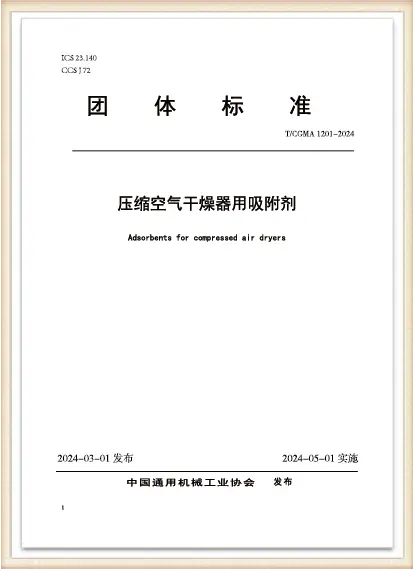
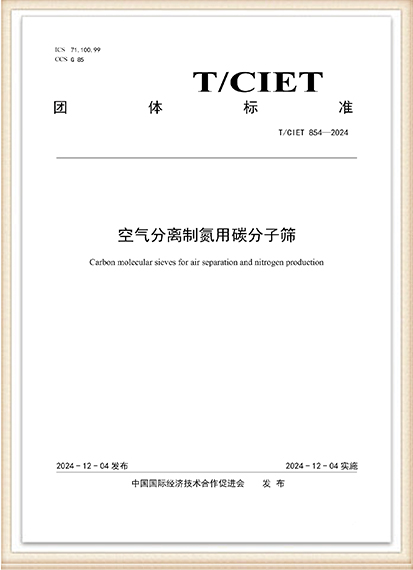
JOOZEO actively participates in defining national and industrial standards for dryers, desiccants, and activated alumina technologies, ensuring consistent material performance.
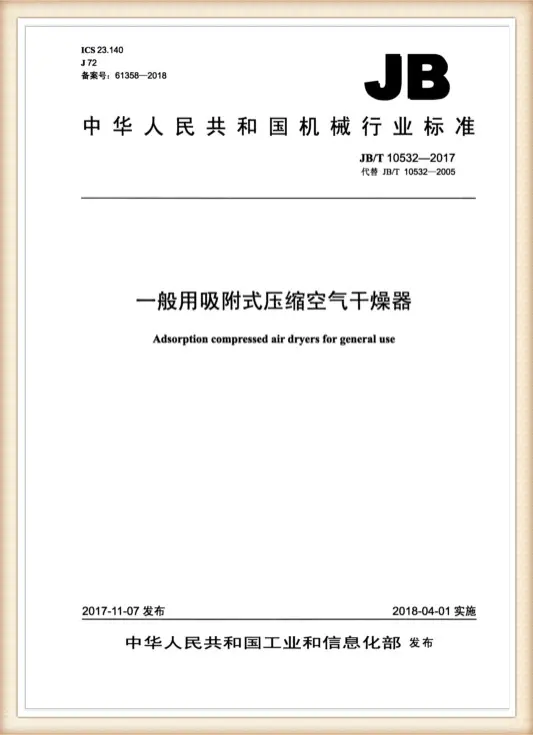

Explore our full line of PSA carbon sieves, oxygen concentrator zeolites, and heavy-duty industrial drying packs designed for harsh chemical processing environments.
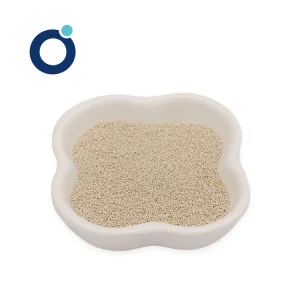
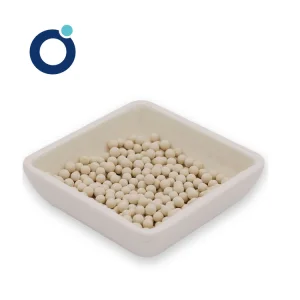
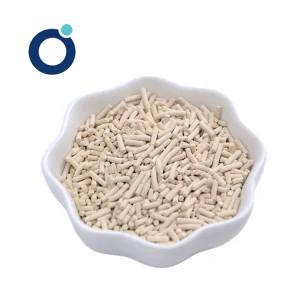
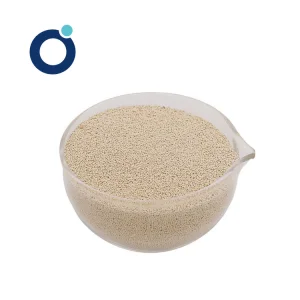
Key technical insights and application answers for plant engineers and purchasing managers in the Middle East.
High ambient temperatures reduce the equilibrium adsorption capacity of zeolites. Therefore, systems operating in the Middle East require design margins with higher dynamic capacities. Regenerating these beds requires precise control of the heat ramp-up cycle to prevent hydrothermal damage of the crystalline structure under humid conditions.
Carbon Molecular Sieves feature uniform pore structures that utilize kinetic separation. Oxygen molecules (kinetic diameter 3.46Å) diffuse into the carbon pores much faster than nitrogen molecules (3.64Å). This kinetic difference allows PSA generators to produce high-purity nitrogen streams efficiently on-site, serving as an alternative to liquid gas logistics.
In tall adsorption towers, the weight of the adsorbent bed generates high mechanical stress. If the zeolites do not possess sufficient crush strength, they disintegrate into fines. This dust restricts flow paths, causing high pressure drops and gas channeling, which reduces the efficiency of the purification system.
Selection depends on the kinetic diameter of the molecules you intend to separate:
• 3A (Pore size ~3Å): Dehydrates streams containing unsaturated hydrocarbons (e.g., ethylene, propylene) without co-adsorption.
• 4A (Pore size ~4Å): Adsorbs water, carbon dioxide, ethanol, and hydrogen sulfide. Often used in closed-loop air drying systems.
• 5A (Pore size ~5Å): Adsorbs normal-paraffins from branched-chain hydrocarbons, and is commonly used in PSA systems for hydrogen purification.
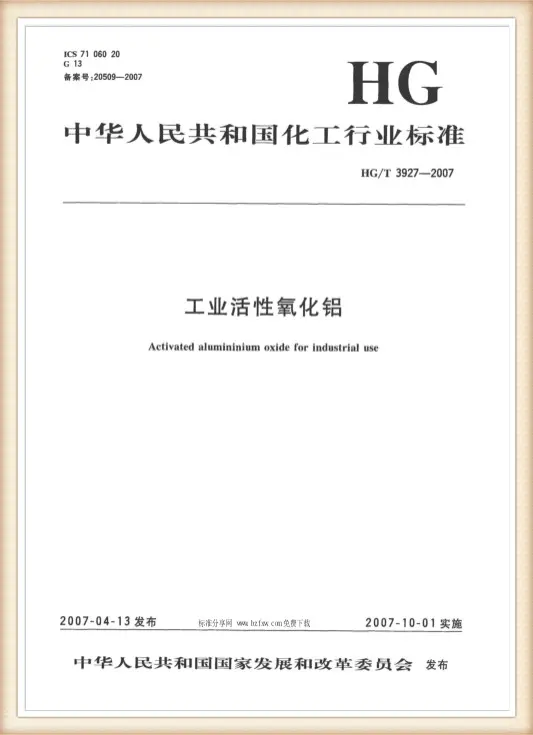
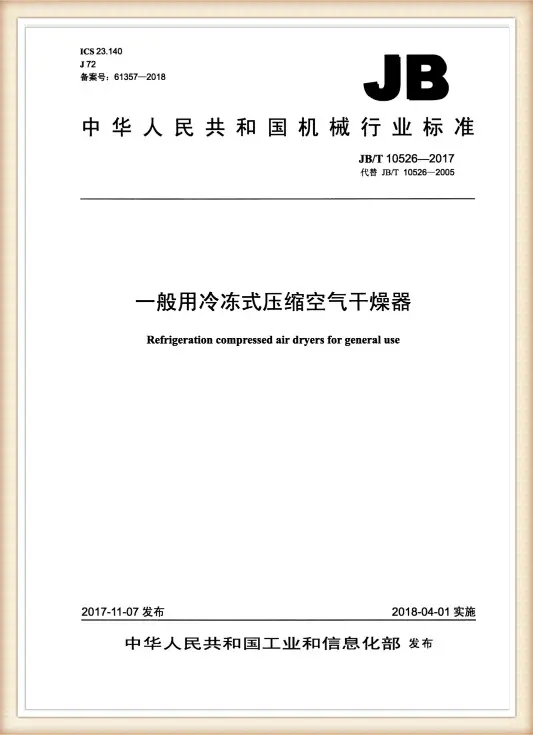
All JOOZEO molecular sieves are manufactured under ISO 9001:2008 quality management frameworks, with certifications verified by TUV and SGS. Our products comply with industrial performance benchmarks, including JB/T 10532-2017 and HG/T 3927-2007, meeting requirements for integration into petrochemical systems.
Connect with JOOZEO's engineering team to optimize your molecular sieve specification, calculate bed designs, and receive tailored solutions for Saudi industrial applications.
Send Inquiry Now