Best Molecular Sieve For Gas Drying Producer Exporter & Exporters

Engineered Molecular Dehydration Solutions Tailored for Critical Petrochemical, Natural Gas Separation, and Industrial Gas Drying Processes Globally.

Industrial Guide: Molecular Sieves for Gas Dehydration

In modern process industries, moisture is one of the most detrimental contaminants. Whether in cryogenic air separation, natural gas pipeline transport, or petrochemical cracked gas treatment, even trace quantities of water vapor can result in hydrate formation, ice-plugging, and catalyst poisoning. As an industry-leading molecular sieve for gas drying producer, Shanghai Jiuzhou Chemicals (Joozeo) develops crystalline aluminosilicates specifically engineered to optimize mass transfer zones, maximize equilibrium water capacity, and withstand repeated thermal regeneration cycles.

Selective Adsorption Mechanisms

Using precise synthetic methods, the crystal frameworks of our zeolites yield perfectly uniform pore diameters (3Å, 4Å, 5Å, or 10Å/13X). These structures separate molecules based on kinetic diameters, ensuring co-adsorption of hydrocarbons or valuable carrier gases is virtually eliminated.

Thermodynamic Performance

Our molecular sieves display steep type-I water adsorption isotherms. They preserve high operational adsorption capacities under low relative humidity, enabling systems to run efficiently at deep dew points down to -70°C (-94°F).

High Crushing Strength

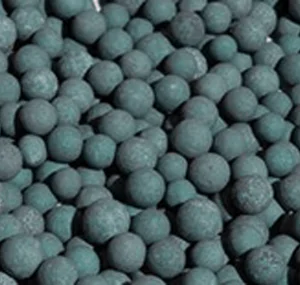
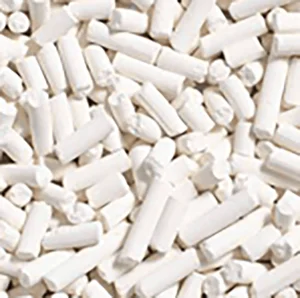
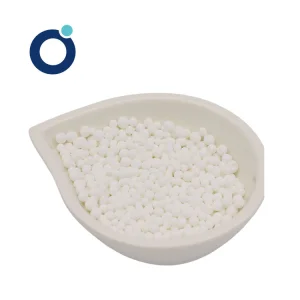
Engineered with high mechanical integrity, our spherical and extruded shapes prevent attrition, minimize pressure drop increases across deep desiccant beds, and restrict dusting within modern high-velocity gas flows.

Global Sourcing: Meeting Enterprise Demands

Industrial buyers face challenges from fluctuating gas feedstock composition to stringent environmental regulations. An optimal desiccant procurement strategy balances cost-efficiency with high-grade product performance. Global procurement divisions focus on specific commercial attributes:
  • Predictable Lifecycle & Hydrothermal Stability: Rapid aging and crystal structure loss lead to high regeneration frequency. Enterprise buyers require materials verified to maintain crystalline structural health after hundreds of thermal swing adsorption (TSA) cycles.
  • Optimized Regeneration Temperatures: Energy costs are a significant operating expense. High-capacity molecular sieves with lower desorption energy requirements reduce thermal energy expenditure during purge sequences.
  • Stringent Compliance Certifications: Industrial operations must adhere to safety and environmental standards. We supply full batch traceability, ISO 9001:2008 verification, and third-party certifications including TUV and SGS.

China Factory 4.0: Supply Chain Resilience & Manufacturing Prowess

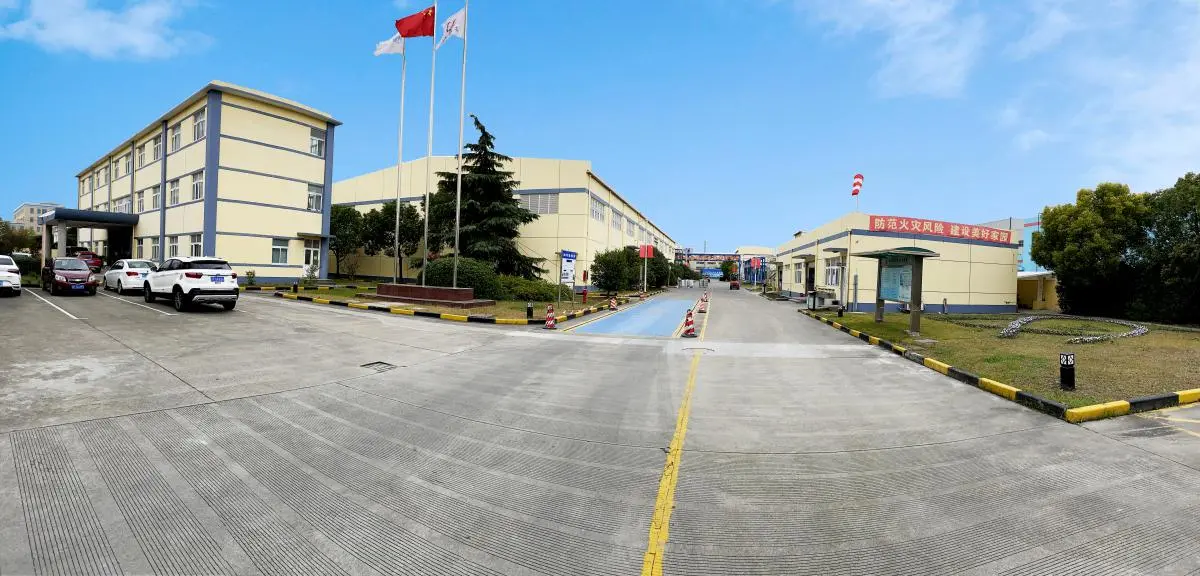
Operating from two major industrial bases, Shanghai and Wuxi, Shanghai Jiuzhou Chemicals utilizes a Factory 4.0 production framework. We integrate automated dosing, high-precision calcination control, and real-time monitoring systems to deliver batches with consistent physical and chemical properties.

Advanced Automation

Automated mixing and extrusion guarantee consistent particle diameter distributions. This precision minimizes fluidization in downflow adsorption beds and limits friction-induced attrition.

Dynamic Performance Lab

Our central lab is equipped with modern analytical instruments. We simulate target moisture loads, pressure swings, and temperature swings to test product behavior under site conditions before delivery.

Customized Solutions

Beyond standard 3A, 4A, 5A, and 13X compositions, we manufacture specialized catalysts, carrier materials, and targeted adsorbents tailored to custom specifications.
About JOOZEO (Shanghai Jiuzhou Chemicals)

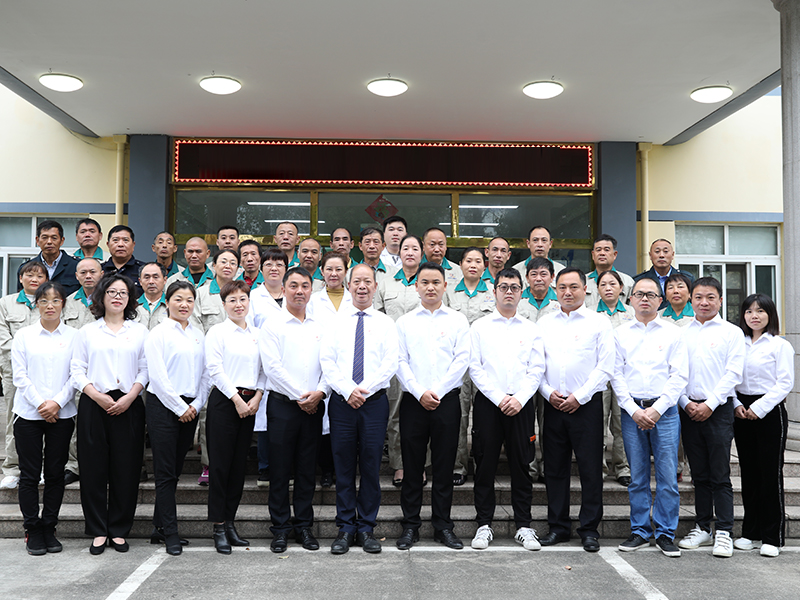
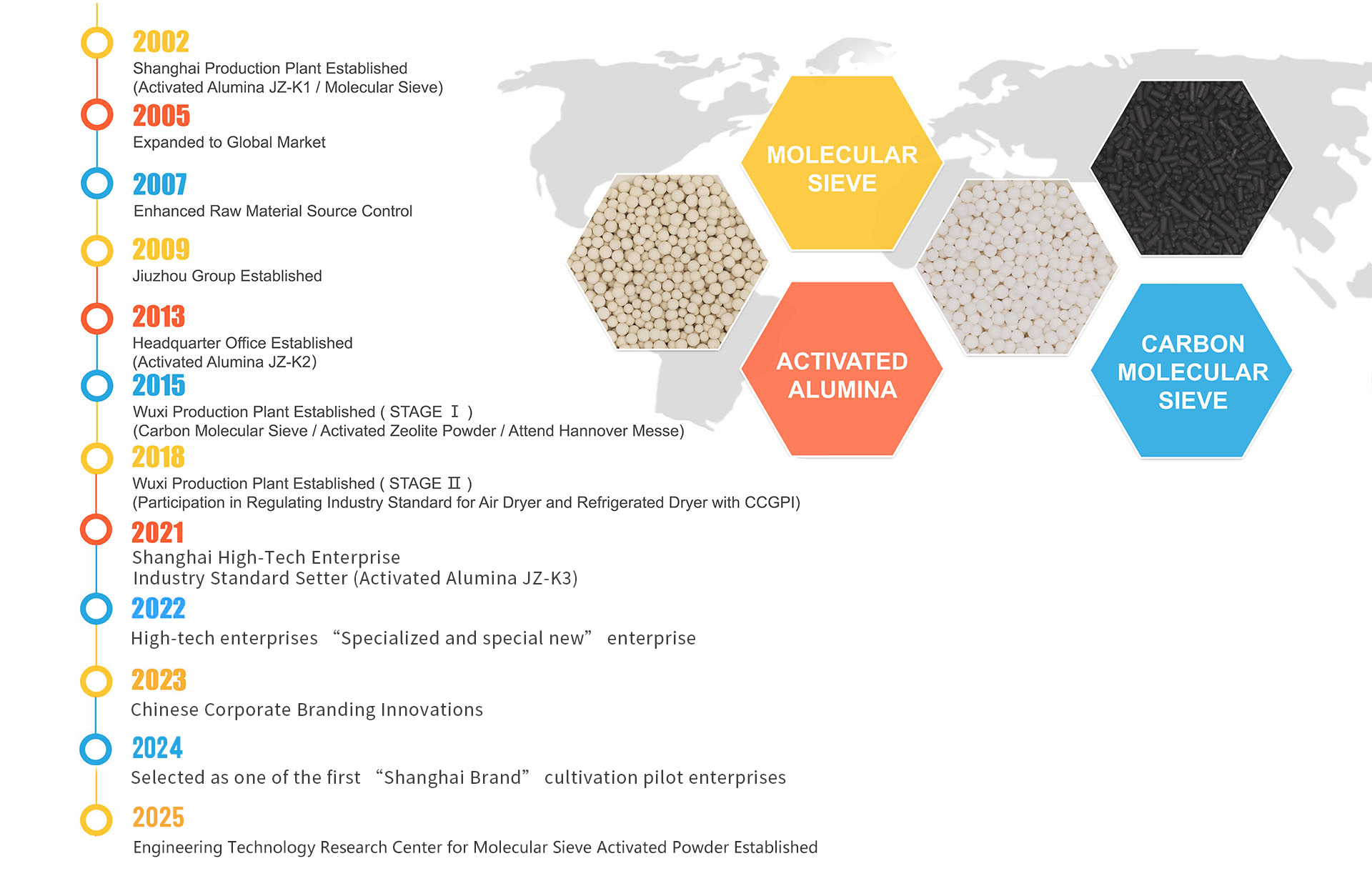
Shanghai Jiuzhou Chemicals Co., Ltd. is located in Shanghai. Over the years, Jiuzhou has adhered to the principles of "Quality Control & Innovation", committing to the research, development, and manufacturing of high-quality chemical products. Our core portfolio includes various molecular sieve powders, molecular sieves, activated powder, activated alumina, aluminum oxide catalysts, different types of alumina packing and ceramic balls, sodium silicates, aluminum hydroxide, zeolite 4A, sodium carbonates, SLES, and more. All products are verified under ISO9001:2008 and hold TUV & SGS certifications.
1994
Established Year
80+
Global Trade Partners
25,000㎡
Factory Footprint
100%
Quality & Innovation

Shanghai HQ

Shanghai Factory

Wuxi Factory

Industry Standard Drafting Partner

Jiuzhou's technical strength and industry reputation are reflected in our involvement in drafting national and industry standards for air treatment and desiccant materials.
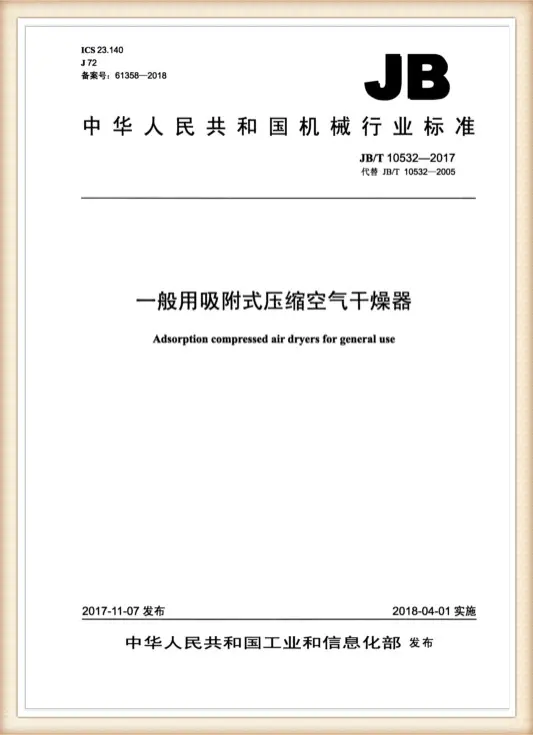
JB/T 10532-2017

JB/T 10532-2017

Adsorption compressed air dryers

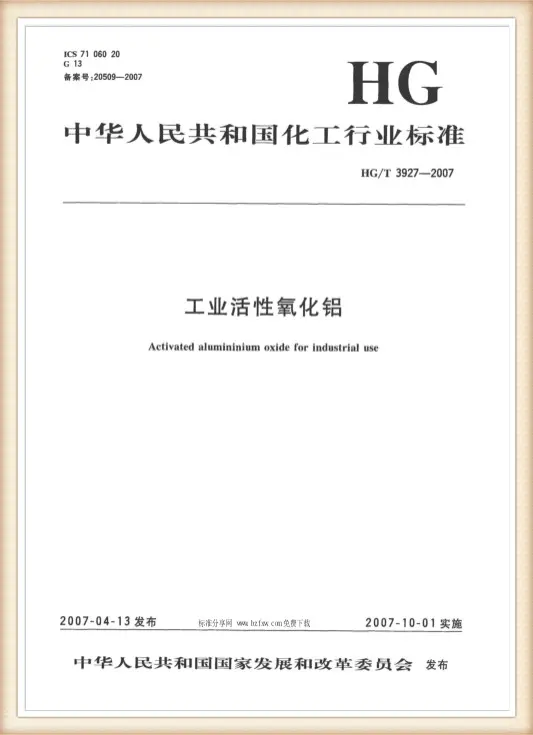
HG/T 3927-2007

HG/T 3927-2007

Industrial activated alumina

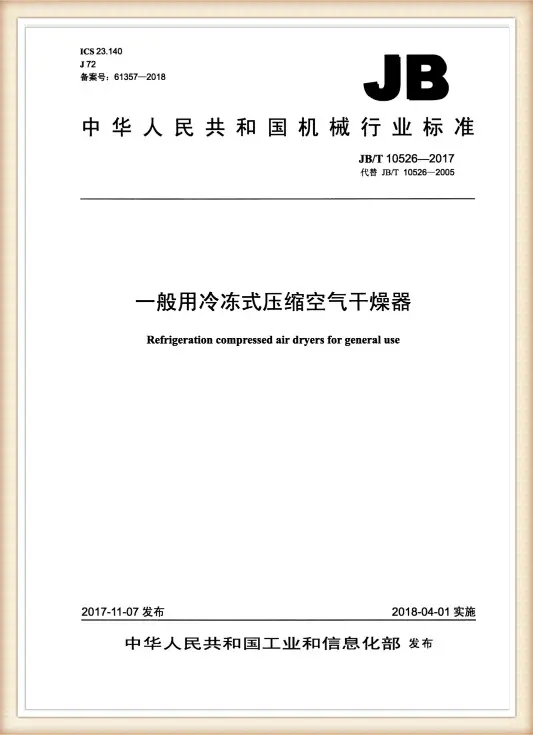
JB/T 10526-2017

JB/T 10526-2017

Refrigeration compressed air dryers

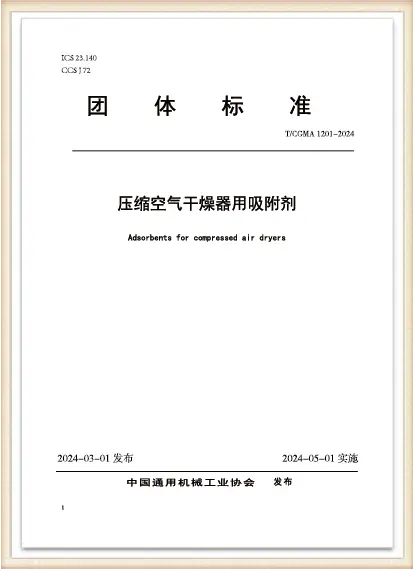
T/CGMA1201-2024

T/CGMA1201-2024

Association Standard

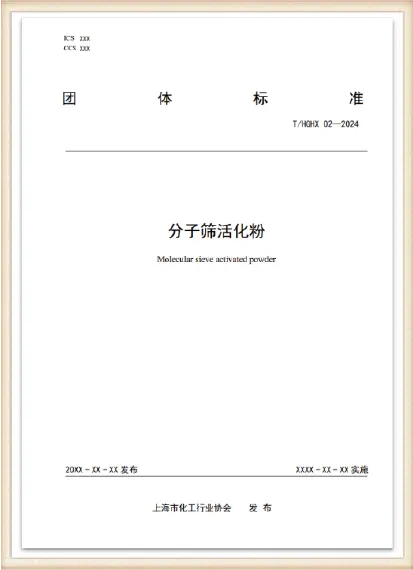
T/HGHX 02-2024

T/HGHX 02-2024

Chemical Association Standard

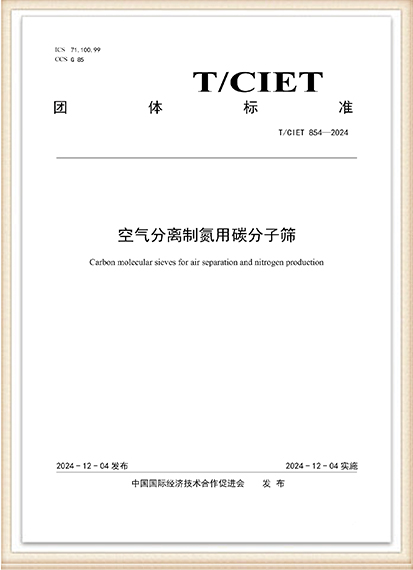
T/CIET 854-2024

T/CIET 854-2024

Enterprise Standards

Social Responsibility & Sustainability

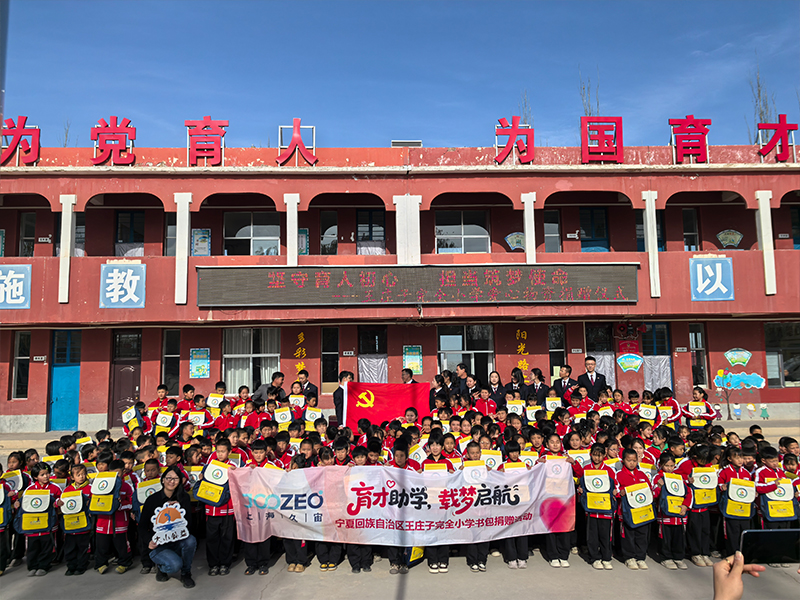
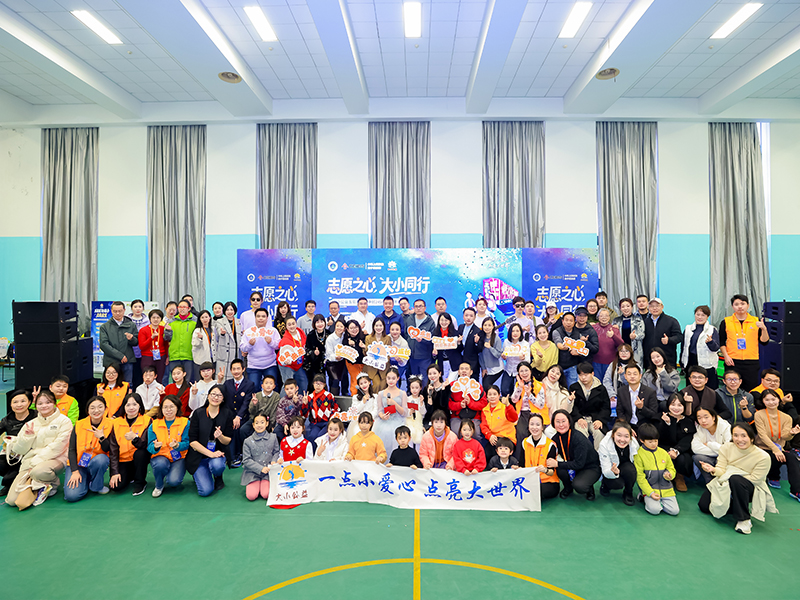
"Better air, Better life" - Committed to producing eco-friendly, energy-saving adsorption solutions for industries worldwide.

Industrial Applications & Performance Scenarios

Natural Gas Dehydration

In natural gas processing, 4A molecular sieves dehydrate gas feeds down to trace levels (< 0.1 ppmv H2O) before cryogenic liquefaction. This prevents gas hydrate blockages and pipeline corrosion, ensuring stable midstream transport.

Petrochemical Cracked Gas Drying

3A molecular sieves are utilized in drying ethylene, propylene, and butadiene. Their 3Å pore window size admits water molecules while excluding larger unsaturated hydrocarbons, preventing polymer formation within the pores.

Cryogenic Air Separation

13X molecular sieves pre-purify air feeds by co-adsorbing trace water and carbon dioxide. This step prevents solid ice and CO2 deposition on cryogenic heat exchanger surfaces, supporting continuous plant operations.

Emerging Trends in Industrial Desiccant Technologies

The industrial gas sector is shifting toward energy-efficient, low-carbon processes. Next-generation molecular sieves must adapt to challenging conditions, including variable feedstock sources, high carbon dioxide concentrations, and strict emissions controls. Key developmental pathways include:

Decarbonization & Carbon Capture

Molecular sieves play a dual role in CCUS (Carbon Capture, Utilization, and Storage) systems by removing trace moisture prior to carbon compression, protecting downstream alloys from carbonic acid corrosion.

Energy-Optimized Thermal Swing Adsorption (TSA)

Modern plant designs prioritize adsorbents that release water at lower desorption temperatures, directly reducing thermal fuel consumption in regeneration heaters.

Green Chemical Sourcing

Using sustainable raw silicate precursors and recycling process wastewater during synthesis helps operators satisfy strict corporate ESG mandates.

FAQ: Molecular Sieves for Gas Dehydration

How do I select the proper pore size for gas drying?
Selecting pore size depends on the kinetic diameter of the carrier gas molecules. For example, when drying unsaturated hydrocarbons like ethylene or propylene, a 3A molecular sieve (pore size ~3Å) is required to exclude the hydrocarbons while letting water (~2.6Å) enter. In contrast, for air separation or natural gas dehydration, 4A, 5A, or 13X sieves are preferred for their higher equilibrium water capacities.
What causes aging in molecular sieve beds?
Aging is typically caused by hydrothermal structural degradation and coke deposition. Repeated contact with liquid water during high-temperature regeneration cycles can weaken the aluminosilicate crystal framework. Additionally, if heavy hydrocarbons co-adsorb onto the bed, they can carbonize (coke) at high temperatures, blocking pore openings and reducing capacity.
What is the recommended regeneration temperature for molecular sieves?
Typically, the regeneration temperature for a thermal swing adsorption (TSA) system ranges between 200°C and 300°C (392°F to 572°F). However, the exact temperature must be balanced carefully: too low will result in incomplete desorption of water, while exceeding 350°C can accelerate structural aging and reduce the lifespan of the adsorbent.
How does bed design mitigate pressure drop issues?
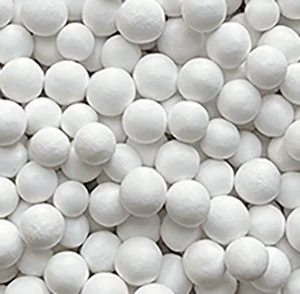
Pressure drops are managed by selecting high mechanical strength beads with uniform size distributions. Spherical shapes generally package more uniformly than extruded pellets, which reduces void spaces that lead to channeling or localized high velocities. Additionally, integrating a protective top layer of inert ceramic balls helps distribute the inlet gas flow across the entire cross-section of the bed.

Partner with an Established Molecular Sieve Exporter

Our technical team provides customized desiccant sizing calculations, lifetime assessments, and optimized load plans tailored to your specific process parameters.
Any inquiry will receive a response from our engineering team within 24 hours.
Send Request