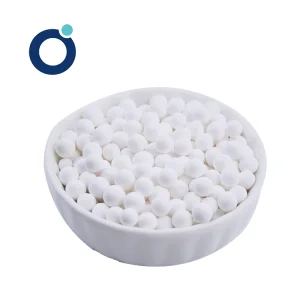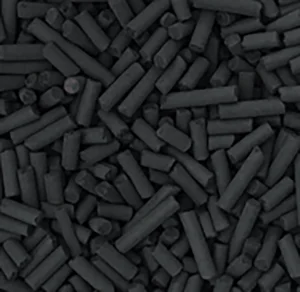
Explore our premium product portfolio designed for high-performance desiccation, catalyst purification, and molecular screening.
An authoritative breakdown of crystalline sodium aluminosilicates, pore architectures, and dynamic separation thermodynamics.
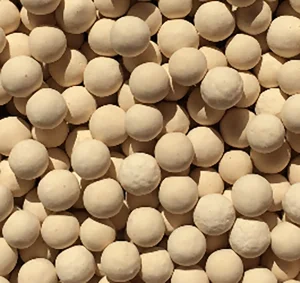
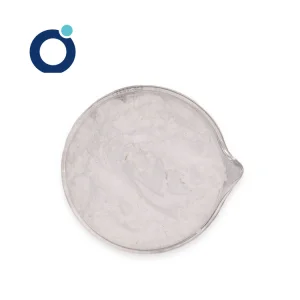
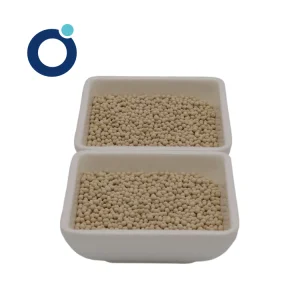
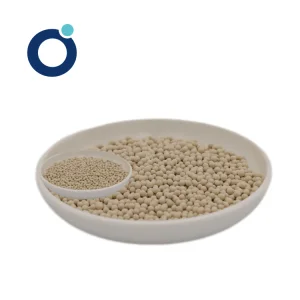
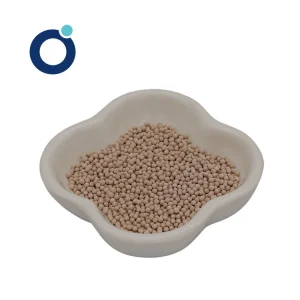
The 13X molecular sieve is the sodium form of the Type X crystalline aluminosilicate, belonging to the faujasite (FAU) crystal framework. With a nominal pore opening size of approximately 10 Å (1.0 nm), it possesses a significantly larger structural pore diameter than typical 3A (3 Å), 4A (4 Å), and 5A (5 Å) molecular sieves. This specific spatial configuration permits the co-adsorption of molecules with a kinetic diameter of less than 10 Å, making it uniquely capable of removing larger organic compounds, hydrocarbons, polar gaseous molecules, and trace impurities from multi-component liquid or gas streams.
Structurally composed of interconnected sodalite cages linked via hexagonal prisms, the unit cell of the 13X zeolite structure is represented by the formula:
The high silica-to-alumina ratio characteristic of the Type X framework results in a significant concentration of exchangeable sodium cations (Na⁺) exposed within the supercages. These cations generate powerful localized electrostatic fields, enabling strong physical interaction and high selectivity for polarizable, polar, or unsaturated molecules (e.g., CO₂, H₂S, mercaptans, and water vapor).
During the design of molecular sieve adsorption columns (such as those in pressure swing adsorption or thermal swing adsorption configurations), the Mass Transfer Zone (MTZ) dictates bed design and cycle life. 13X Zeolite provides high mass transfer rates due to its open FAU structure, which facilitates rapid intra-crystalline diffusion. Under industrial operating conditions, the dynamic adsorption capacity of 13X for CO₂ can exceed 18% wt at 25°C, ensuring robust purification even in deep-dewpoint application cases.
Understanding supply chains, price factors, and the rising role of Chinese exporters in next-generation petrochemical applications.
The price of 13X molecular sieve desiccant is directly governed by sodium aluminate, liquid sodium silicate, and energy tariffs required during the high-temperature calcination phase (usually above 550°C). Our strategic plant locations allow for direct material access, balancing premium quality with optimal costing models.
China is now the undisputed hub for high-grade synthetic zeolites. Exporters from China maintain stringent quality standards that meet or exceed global benchmarks such as ISO 9001 and specific ASTM chemical guidelines. This ensures top-tier performance for engineering, procurement, and construction (EPC) firms globally.
With global transitions toward net-zero emissions, 13X molecular sieves have seen an explosion in demand for Carbon Capture, Utilization, and Storage (CCUS) projects, hydrogen purification (PSA-H2 systems), and clean fuel treatment installations across North America, Europe, and Asia-Pacific.
Specific engineering configurations where 13X is critical to industrial operation and safety parameters.
In cryogenic air plants, trace water vapor (H₂O) and carbon dioxide (CO₂) must be completely removed prior to air cooling to prevent ice formation inside the plate-fin heat exchangers. 13X is deployed in pre-purification units (PPU) to reduce carbon dioxide concentration to less than 1 ppm and moisture levels to a dew point below -70°C.
Natural gas streams contain corrosive sulfur-bearing impurities like hydrogen sulfide (H₂S) and volatile mercaptans (R-SH). Thanks to its 10 Å pore size, 13X can easily co-adsorb these bulkier sulfur compounds alongside water, achieving pipeline sweetening specifications in a single process step.
By employing a lithium-exchanged or high-performance sodium 13X zeolite, Pressure Swing Adsorption (PSA) oxygen generators selectively adsorb nitrogen (N₂) molecules over oxygen (O₂), yielding breathing-grade medical oxygen (concentrated up to 93-95%) for healthcare applications.
Shanghai Jiuzhou Chemicals Co., Ltd. Located in the biggest Economic Development city Shanghai. Over the years Jiuzhou has always adhered to the "quality control, innovation" principles, committed to the development, research, manufacturing of high quality innovative chemical products.
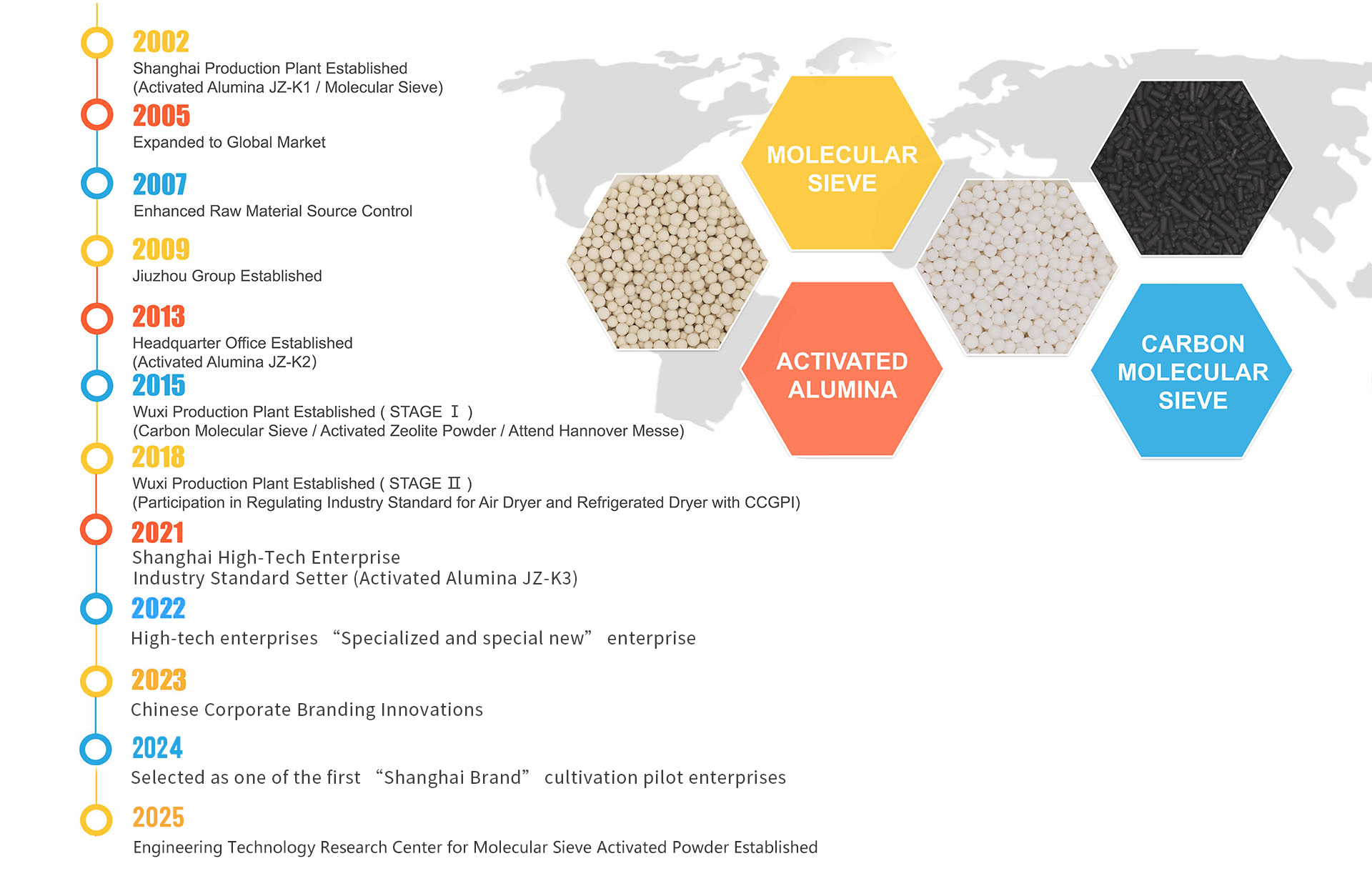
Our main products includes various molecular sieve powders, molecular sieves, activated powder, activated alumina, aluminum oxide catalysts, different types of alumina packing and ceramic balls, sodium silicates, aluminum hydroxide, zeolite 4A, sodium carbonates, SLES, etc. Our all products passed the ISO9001: 2008 quality management system certification and TUV & SGS Certification.
Jiuzhou factory has a professional and world-class research team and experts in chemical product resources. We use the best in international production technology and professional production equipment, constructed in line with national standards and by the large multipurpose plant monitoring, analysis instrument composition the central laboratory. And in quality inspection aspect Jiuzhou have controlled and that products meet international standards.
Jiuzhou's technical strength and industry reputation are leading the industry in the field of desiccants, with senior experts and technical reserves, automated multi-functional production workshops, and a central laboratory and dynamic laboratory composed of large-scale monitoring and analysis instruments. It is in quality control and in terms of supporting services, a set of scientific and complete operating system has been established. Joozeo products are exported to all parts of the world, and have established a distribution network in the United States, Southeast Asia, Japan, Europe, North and South America, the Middle East and other places to provide partners with high-quality products, customized services, and more energy-saving and environmentally friendly adsorption solutions.
Multi-stage analytical validation on every batch synthesized.
Pioneering tailored pore sizes and adsorption kinetics.
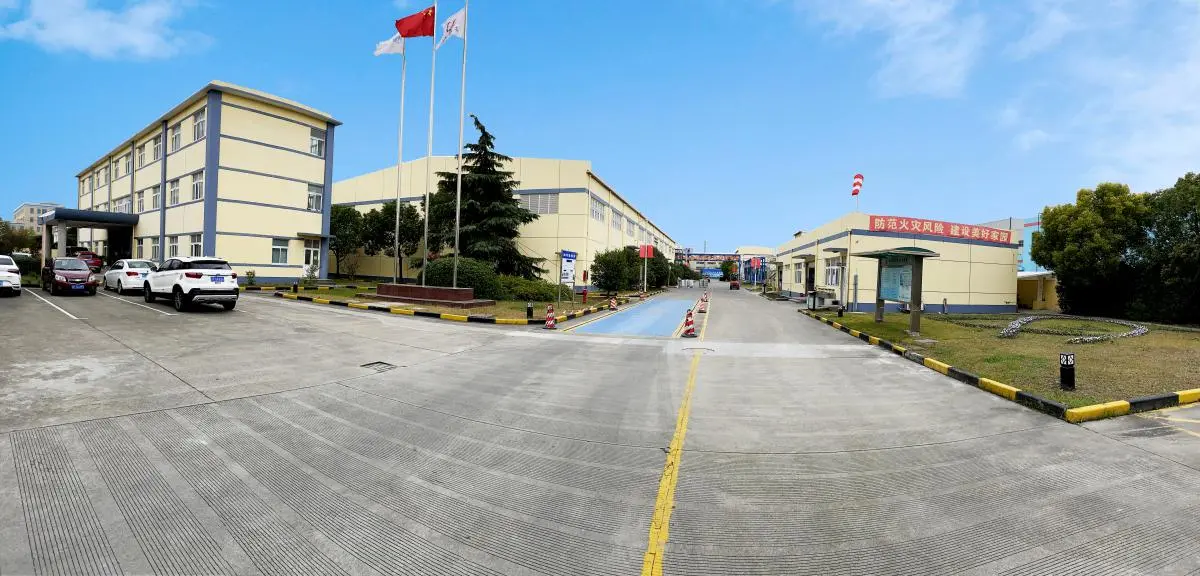
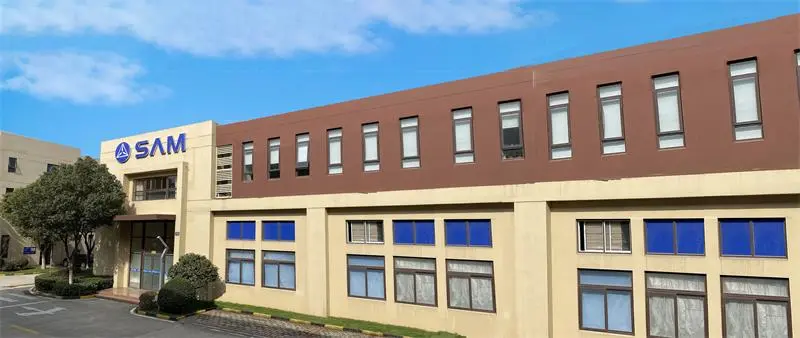
A closer look at our Shanghai and Wuxi manufacturing facilities dedicated to eco-friendly production.
Our core technology hub specializing in raw material synthesis, testing processes, and custom development of complex adsorbents.
Our primary high-output manufacturing center, equipped with modern dynamic rotary calcination kilns and robotic packaging lines.
Our commitment to local communities and global environmental safety through clean, green chemistry.
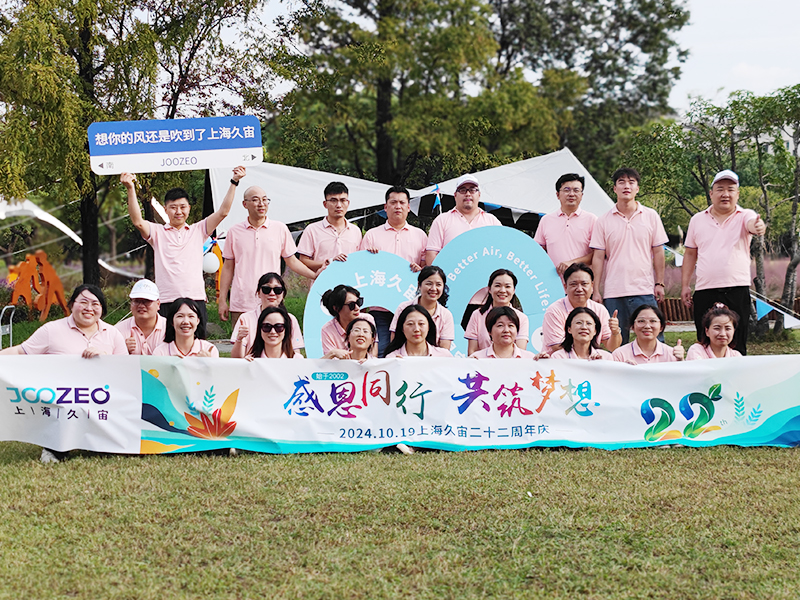
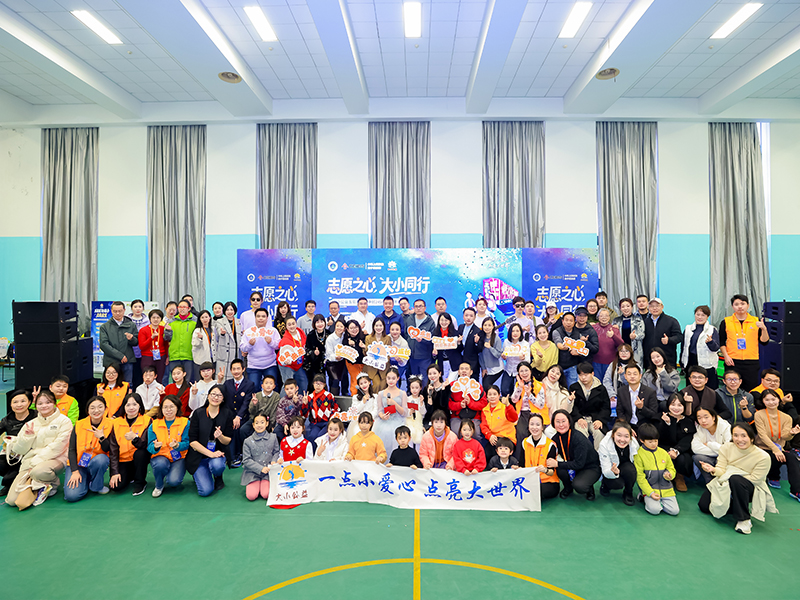
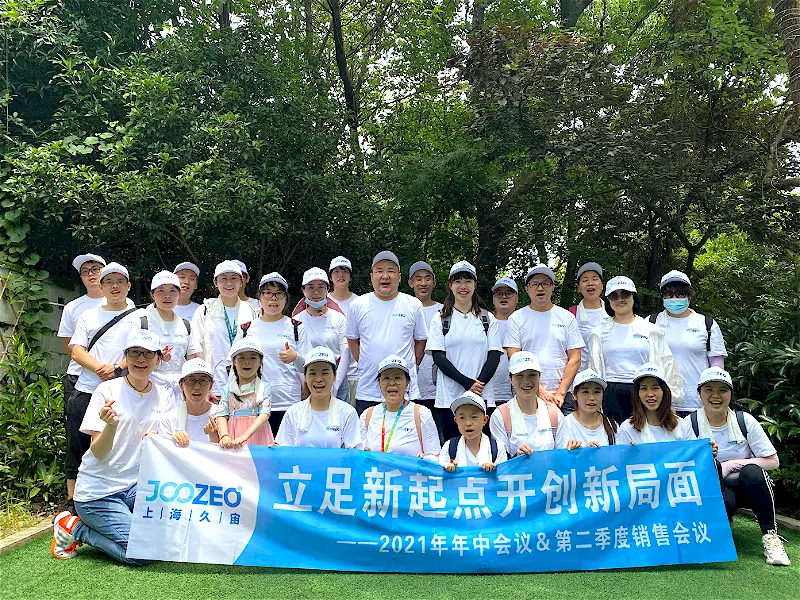
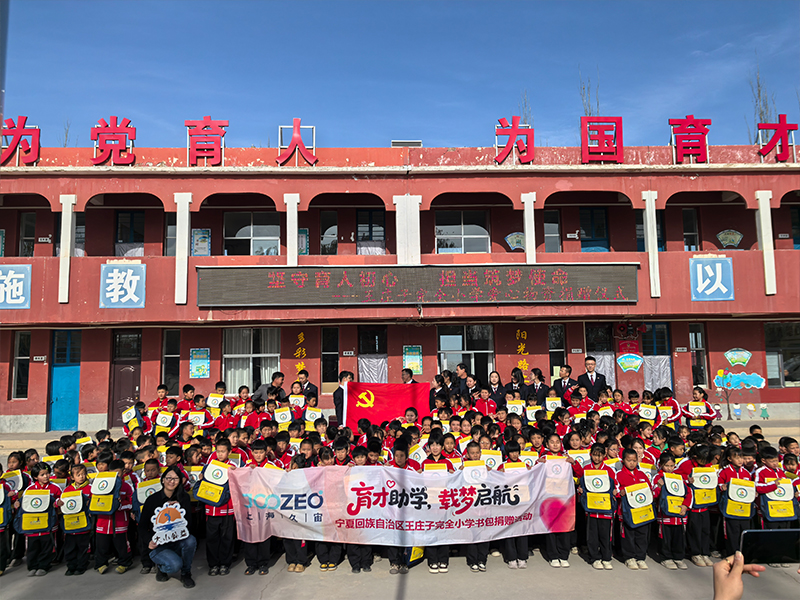
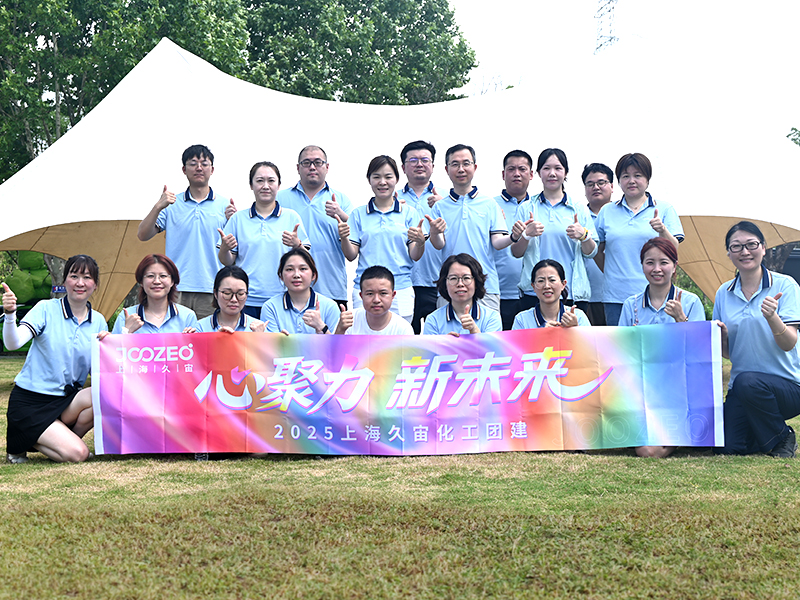
JOOZEO actively participates in shaping national and industry production codes for adsorption equipment and media.
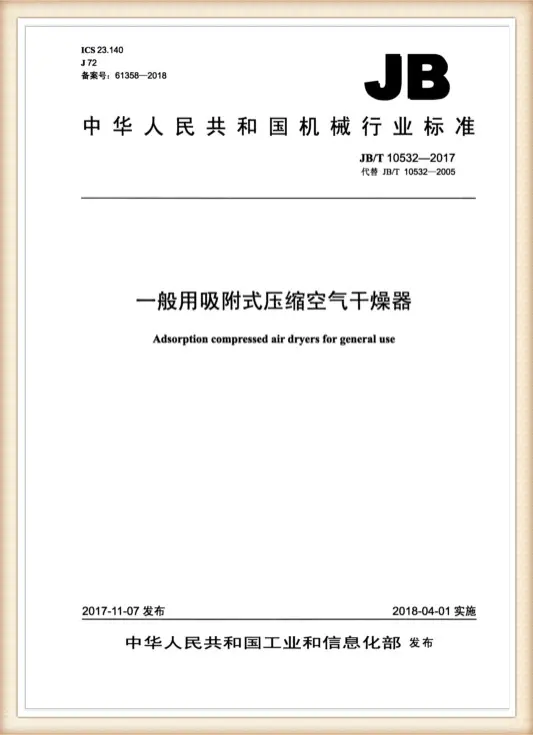 JB / T 10532-2017
Adsorption compressed air dryers for general use
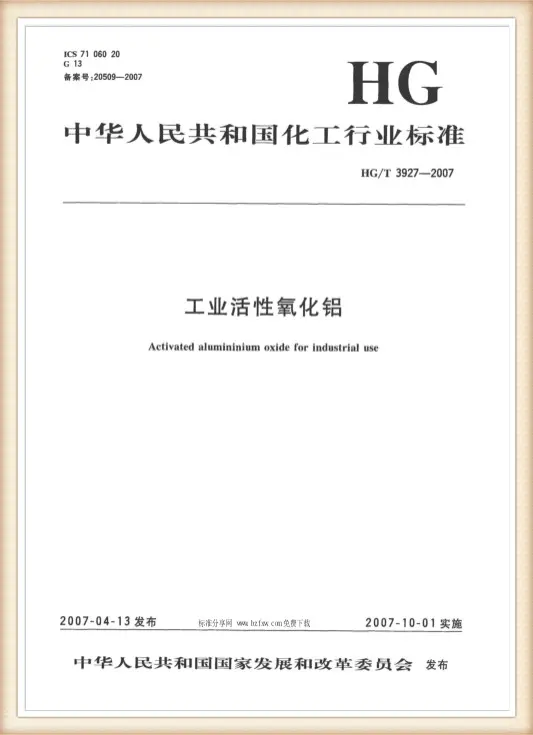 HG / T 3927-2007
Activated aluminium oxide for industrial use
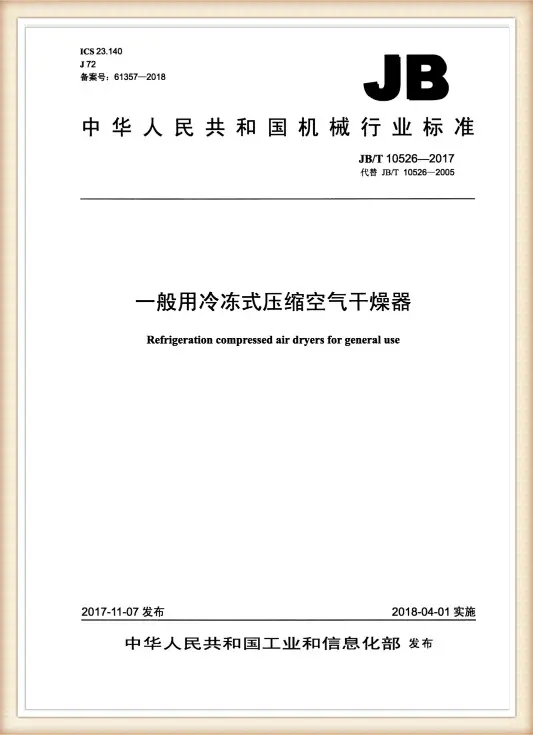 JB / T 10526-2017
Refrigeration compressed air dryers for general use
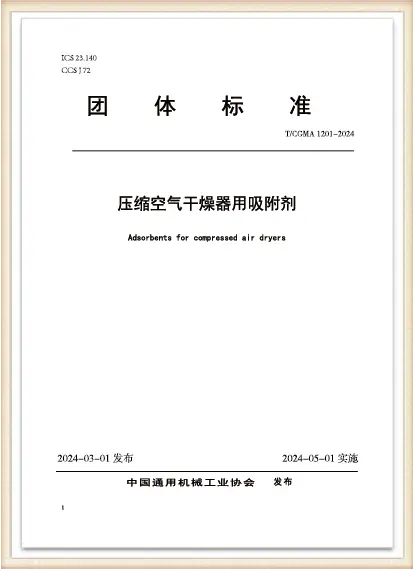
 T/CGMA1201-2024
Compressor Association Quality & Manufacturing Standards
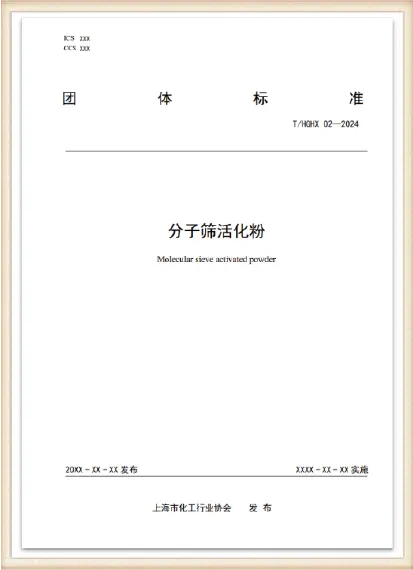
 T/HGHX 02—2024
Advanced Inorganic Chemical Synthesis Specifications
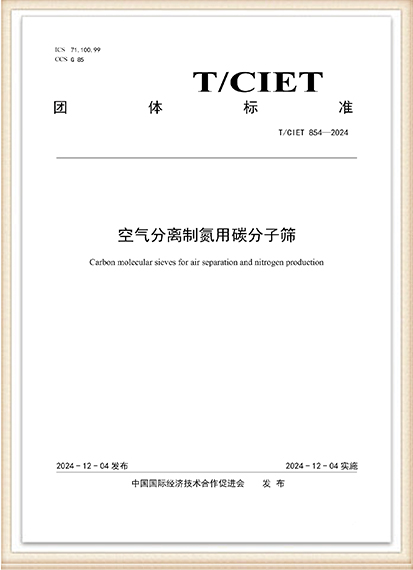 T/CIET 854-2024
Industrial Decarbonization Adsorbents Standard
Strategic deployment configurations for continuous adsorption systems and optimal regeneration parameters.
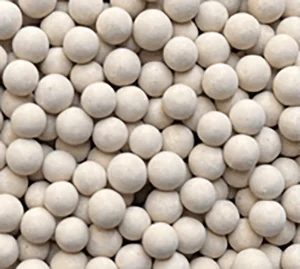
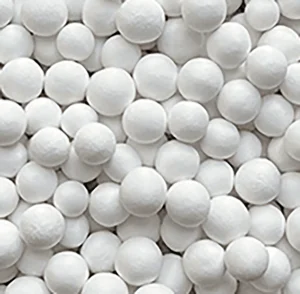
One major challenge in gas phase drying operations is molecular sieve attrition. Under high gas velocities, beads can rub together, leading to dust formation and increased pressure drop across the bed. Our 13X molecular sieves are manufactured with a high crush strength (exceeding 80 N for 3.0-5.0 mm beads) and optimized binder technology to minimize dusting and extend bed lifetimes to 3-5 years.
Proper regeneration is key to maintaining the high capacity of a 13X Molecular Sieve system. A typical thermal swing adsorption (TSA) system requires heating the bed with a dry purge gas to release the adsorbed molecules. Water desorption begins around 150°C, while carbon dioxide is driven off between 180°C and 250°C. For thorough regeneration, the heating temperature should reach 250°C to 320°C, followed by a cooling cycle with dry purge gas.
Typically, a dual-vessel system is utilized, where one column adsorbs impurities while the other undergoes thermal regeneration. The adsorption step is sized based on the gas flow rate, moisture load, and velocity limits to prevent bead fluidization.
Technical guidance and commercial insights from our senior chemical engineering team.
Explore more industrial chemical products, desiccants, and raw materials from JOOZEO.