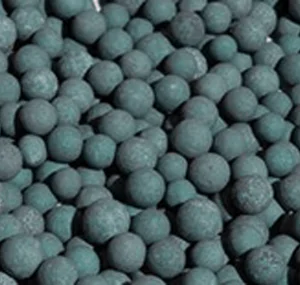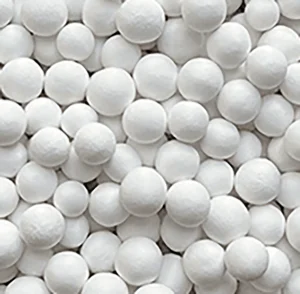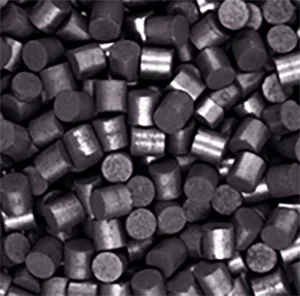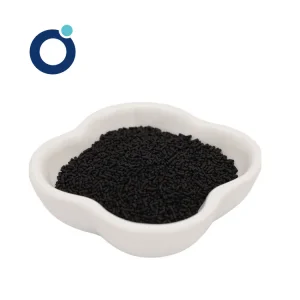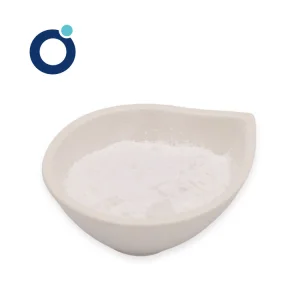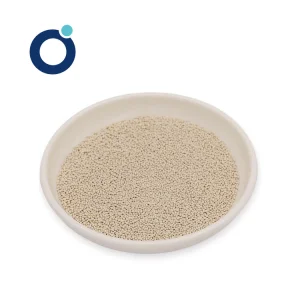
Engineered to exact international standards for global industrial applications
Founded in 1994, Shanghai Jiuzhou Chemicals Co., Ltd. (Joozeo brand) has established itself as an authoritative global leader in the development, research, and high-precision manufacturing of molecular sieves and chemical adsorption materials. Located in Shanghai, the economic and logistical epicenter of China, we provide state-of-the-art adsorption solutions tailored to meet the dynamic needs of chemical processing plants, refineries, and air separation engineering companies worldwide.
Our manufacturing plants in Shanghai and Wuxi utilize advanced automated multi-functional production lines. Through dynamic laboratory testing, rigorous Quality Control (100%), and continuous research and development (100% innovation index), we ensure our molecular sieves comply with stringent international standards. In addition to ISO9001:2008 registration, our enterprise holds verified product certifications from world-renowned inspection bodies including TUV and SGS.
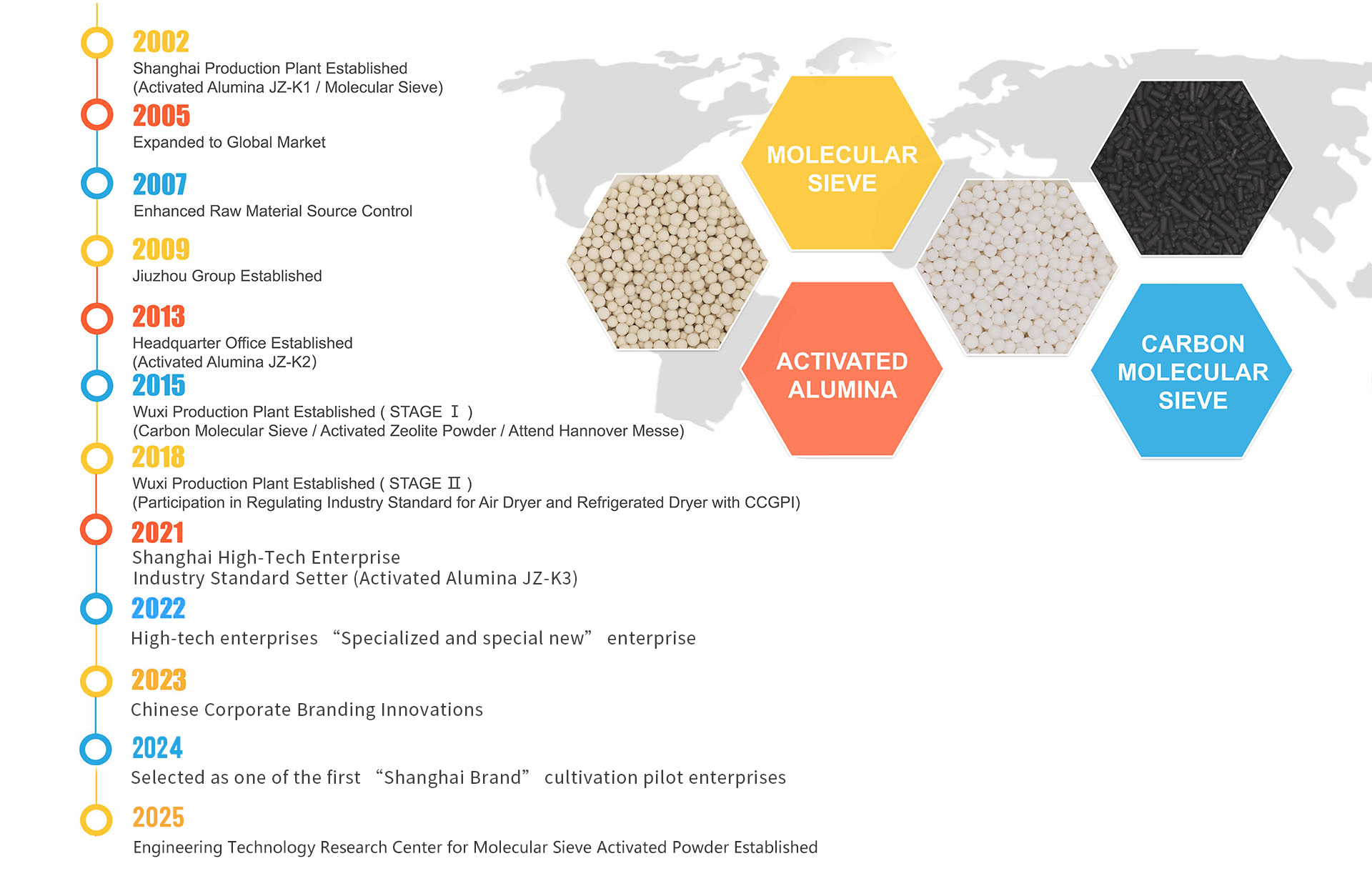
Understanding the molecular dynamics and crystallization design behind high-performance zeolites
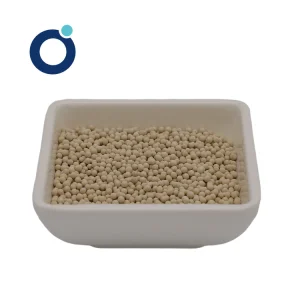
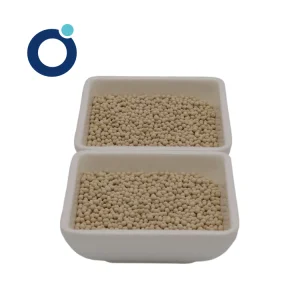
Molecular Sieve 13X APG is the sodium form of the type X crystal structure, an aluminosilicate mineral featuring a highly defined three-dimensional pore network. With a nominal pore opening of 10 Angstroms (1.0 nm), it targets molecules with kinetic diameters smaller than 10 Å, excluding larger hydrocarbons and compounds.
The APG (Air Purification Grade) variant is structurally and chemically modified during the crystallization phase. It offers significantly higher CO₂ and H₂O adsorption capacities than standard 13X zeolites. This optimization is crucial for preventing the freezing of carbon dioxide and moisture in cryogenic air separation units.
By engineering a sharper dynamic mass transfer zone, 13X APG maximizes bed utilization. This means air separation units can operate with smaller desiccant vessels, reduced regeneration energy demands, and longer run cycles, driving down utility costs across industrial gas networks.
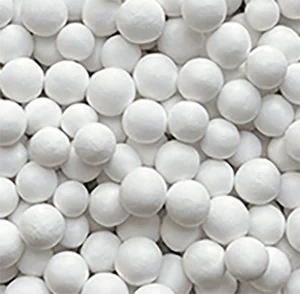
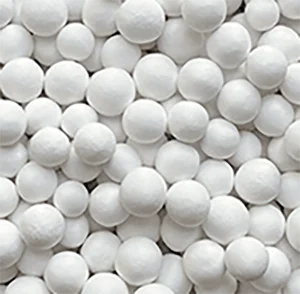
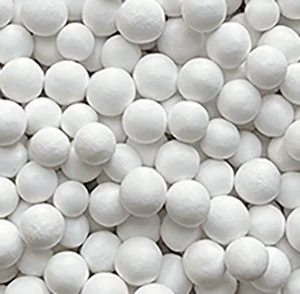
| Property Parameter | Unit | Spherical (8x12 Mesh) | Spherical (4x8 Mesh) | Industrial Standard Testing Reference |
|---|---|---|---|---|
| Nominal Pore Diameter | Angstrom (Å) | ~10 Å | ~10 Å | Zeolite Crystal Geometry |
| Bulk Density | g/ml | 0.68 - 0.72 | 0.66 - 0.70 | ASTM D4164 |
| Static CO₂ Adsorption (at 250 mmHg, 25°C) | wt % | ≥ 18.0% | ≥ 18.0% | HG/T 3927-2007 Class A |
| Static H₂O Adsorption (at RH 75%, 25°C) | wt % | ≥ 26.5% | ≥ 26.0% | GB/T 6287 Standard |
| Crushing Strength | N | ≥ 35 N (Avg) | ≥ 85 N (Avg) | ASTM D4179 |
| Attrition Rate | wt % | ≤ 0.1% | ≤ 0.1% | ASTM D4058 |
| Package Moisture Loss on Ignition (LOI) | wt % | ≤ 1.5% | ≤ 1.5% | ASTM D2288 (at 550°C) |
How 13X APG prevents system freeze-ups and preserves thermodynamic efficiency
Jiuzhou's 13X APG is engineered specifically to eliminate these risks by functioning as the primary adsorption barrier in the Pre-Purification Unit (PPU). Positioned before the cryogenic cold box, the PPU relies on a Temperature Swing Adsorption (TSA) or Pressure Swing Adsorption (PSA) process to strip out moisture, CO₂, and trace hydrocarbons (like acetylene and ethylene).
Our specialized 13X APG grade maintains extremely low CO₂ leakages (typically < 1 ppmv) and guarantees absolute dew point depression down to < -70°C. With a high crushing strength, our molecular sieve resists structural degradation under high gas velocities, limiting dust formation and downstream filter clogging.
Used in Steam Methane Reforming (SMR) PSA units to remove carbon dioxide, heavy hydrocarbons, and impurities from raw hydrogen streams.
Ideal for sweetening natural gas pipelines by selectively co-adsorbing hydrogen sulfide (H₂S), mercaptans, and water vapor.
Provides nitrogen separation from ambient air streams, ensuring continuous therapeutic oxygen enrichment pathways.
Complies with global pharmacopoeia requirements, trapping ambient moisture and hazardous combustion off-gases.
Combining raw material logistics, automation, and geographic proximity to deliver unmatched economic value
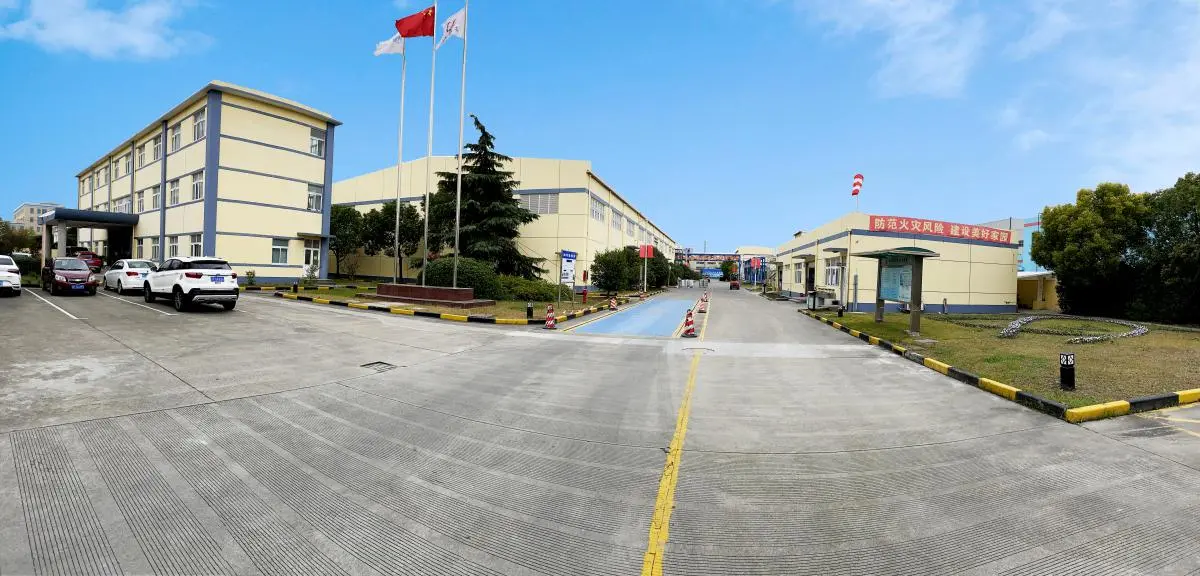
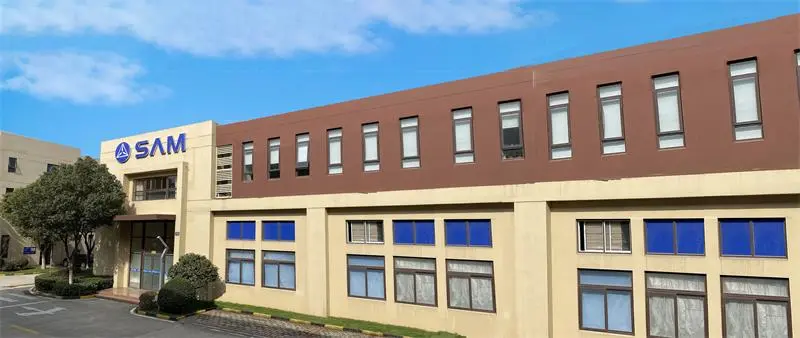
Jiuzhou operates twin manufacturing centers in Shanghai and Wuxi. This geographical pairing enables streamlined operations. The Wuxi facility focuses on raw material processing, hydrothermal crystallization, and bead forming. The Shanghai headquarters oversees final thermal activation, quality packaging under controlled atmospheres, and international logistics.
Our manufacturing plants employ fully closed pneumatic transport systems to eliminate contamination risks during formulation. The high-temperature activation step utilizes rotary kilns with multi-zone heating controls. This precise thermal treatment removes structurally bound water without collapsing the zeolite framework, maximizing the active adsorption volume of the final product.
Verified structural compliance and standardized manufacturing guidelines formulated by Shanghai Jiuzhou
Jiuzhou Chemicals does not just follow standard industry guidelines; we help define them. As a primary drafter and advisory committee member, our technical directors set national manufacturing protocols for compressed air dryers and activated alumina products across China.
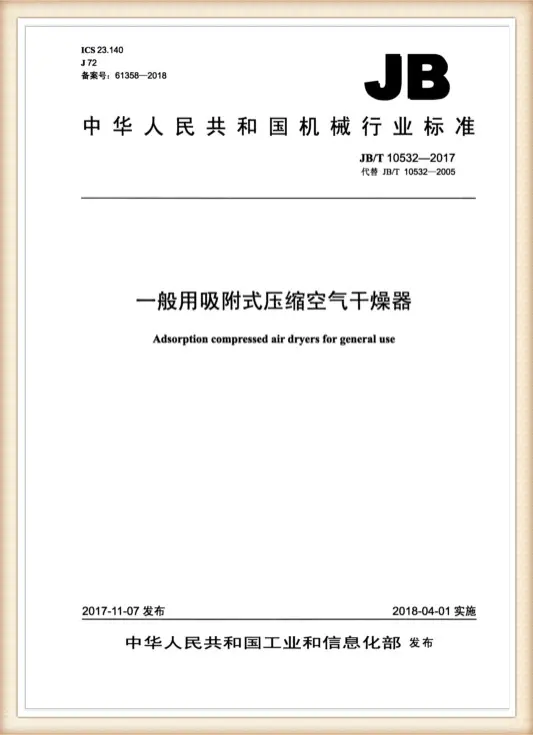
JB / T 10532-2017
Adsorption compressed air dryers for general use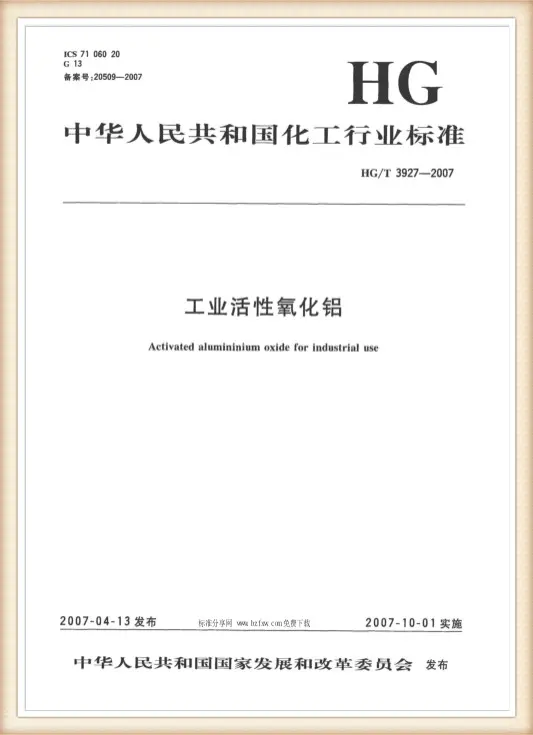
HG / T 3927-2007
Activated aluminium oxide for industrial use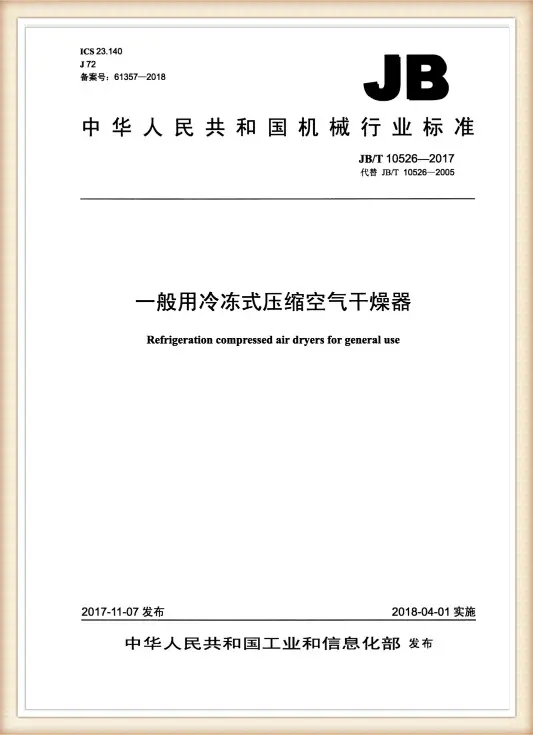
JB / T 10526-2017
Refrigeration compressed air dryers for general use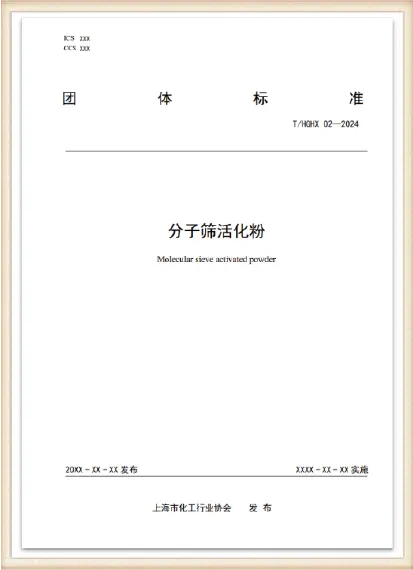
T/CGMA1201-2024
Association Group Manufacturing Directives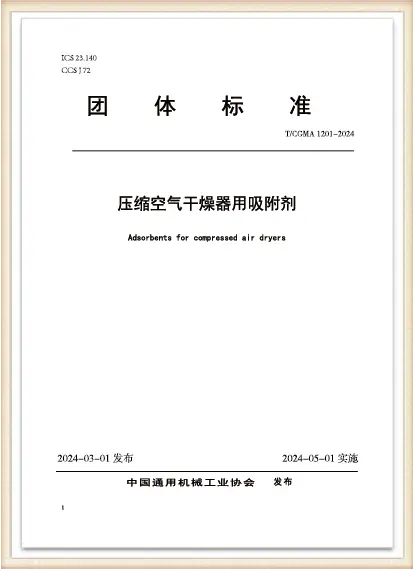
T/HGHX 02—2024
Industrial Gas Purifiers & Adsorption Controls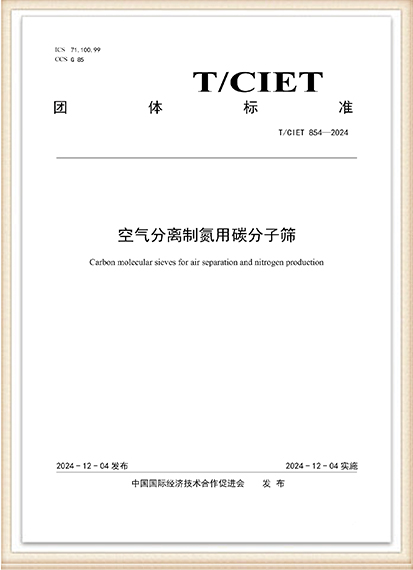
T/CIET 854-2024
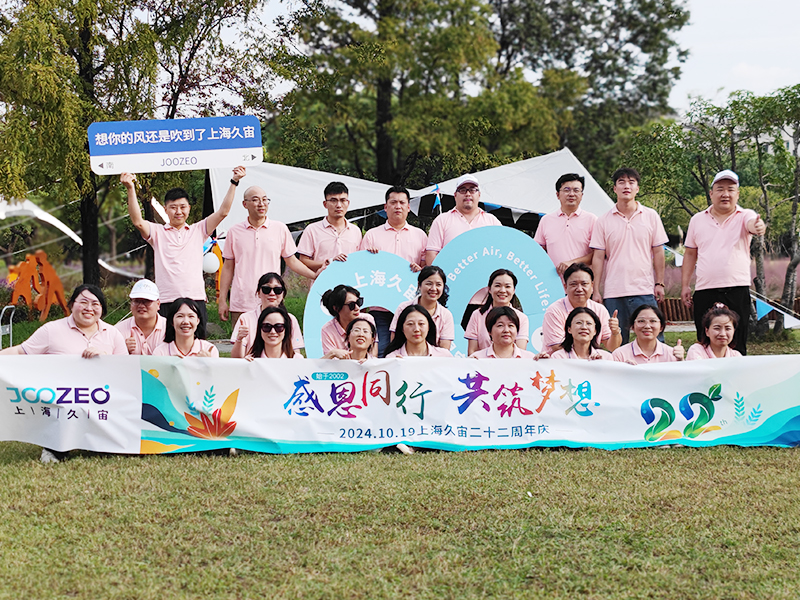
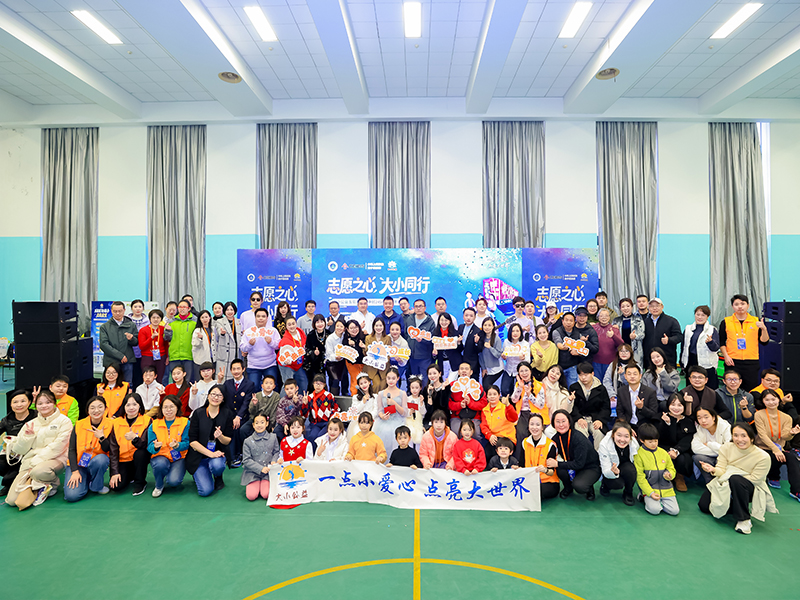
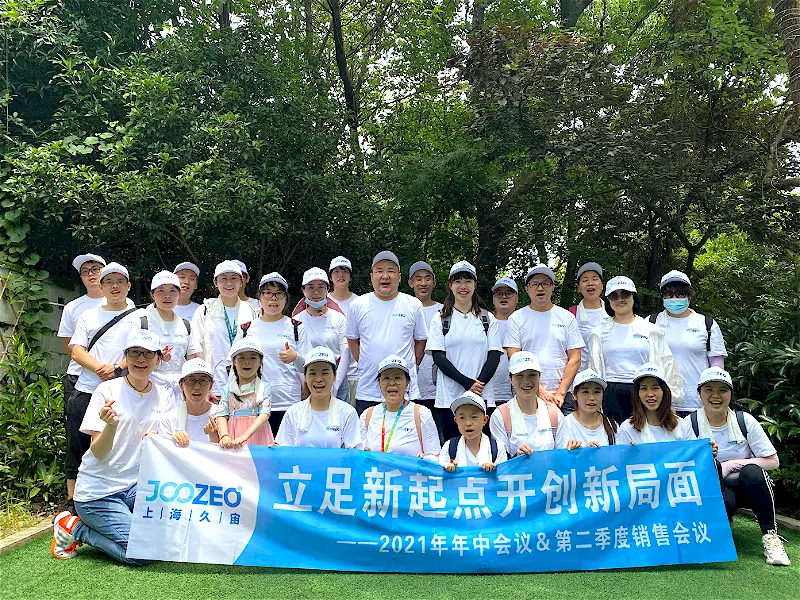
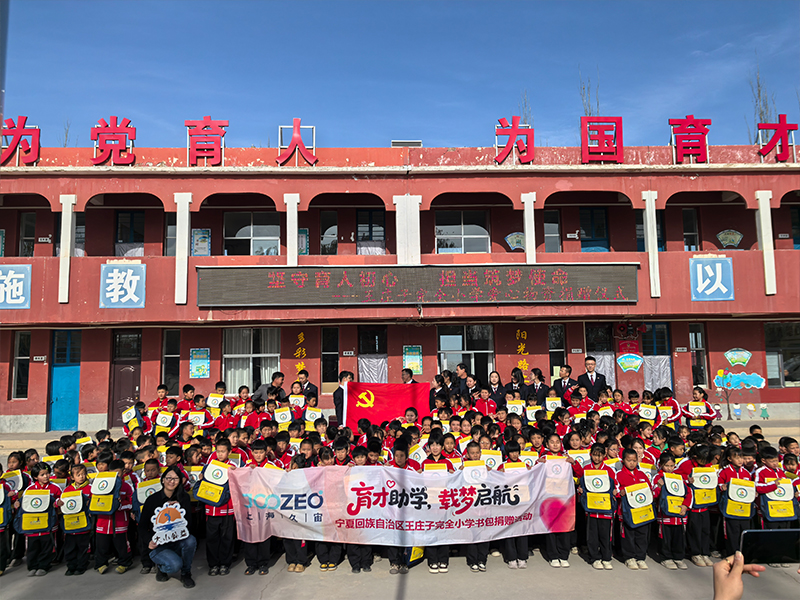
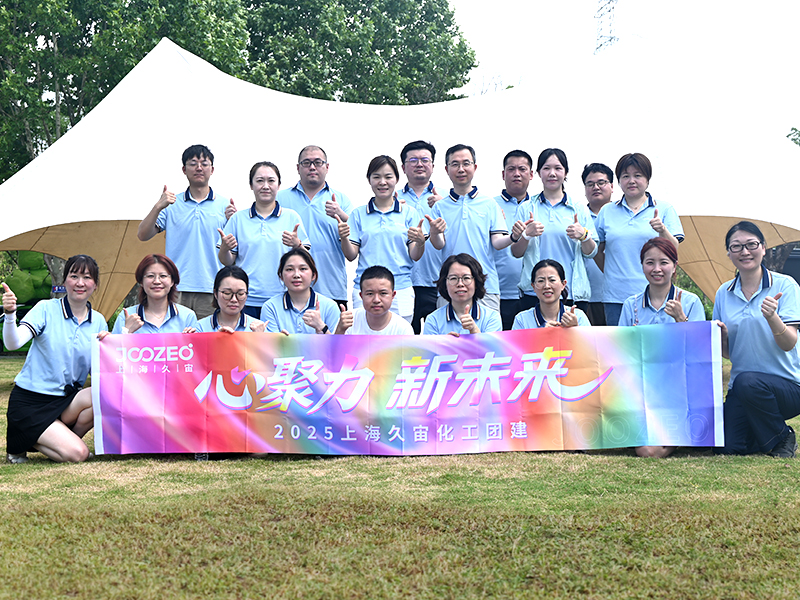
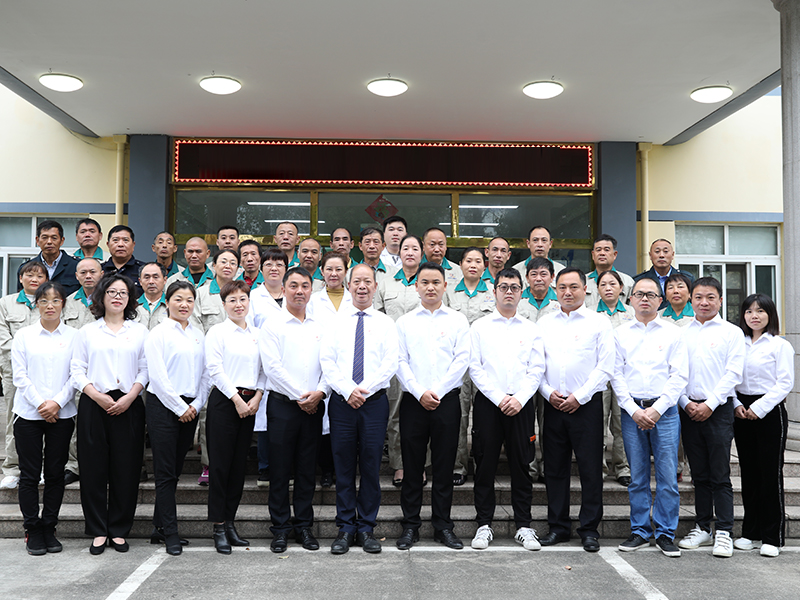
Green Chemical Manufacturing CertificationsSustainable development, eco-friendly chemical processing, and public outreach
Expert answers addressing the chemistry, operation, and optimization of 13X APG Molecular Sieves
High-purity chemical media and industrial desiccants shipped directly from our ISO-certified facilities
Our dedicated engineering support team responds within 24 hours with calculated structural recommendations and custom wholesale quotations.
Send Inquiry Request