Highly engineered crystalline aluminosilicates and industrial-grade water scavengers configured for performance stability, low dew points, and dynamic structural loading capacity.
The global industrial desiccant market is experiencing a significant paradigm shift. Historically treated as general commodities, advanced desiccants—specifically synthetically fabricated crystalline aluminosilicates (molecular sieves), structural activated aluminas, and highly porous synthetic silica gels—are now critical components of complex industrial operations. As high-precision industries like semiconductor lithography, electric vehicle (EV) lithium-battery assembly, cleanroom chemical processing, and petrochemical gas separation tighten their requirements, the demand for precision-engineered moisture scavengers has spiked.
When procurement officers look for a "desiccant manufacturer," they must look beyond simple price-per-ton matrices. Modern strategic sourcing demands deep evaluation of adsorption kinetics, hydrothermal stability, mechanical crush strength, and attrition rates. Minimizing process downtime in gas dehydration systems directly depends on desiccant lifetime, making the choice of manufacturer a key driver of overall system efficiency.
Not all desiccants operate with the same thermodynamic curves. Silica gel shows excellent capacity at high relative humidity (RH), but its efficiency drops sharply at low RH. Conversely, synthetic molecular sieves can adsorb water molecules even down to single-digit ppm levels, achieving dew points below -70°C (-94°F). Purchasing decisions must align product properties with system requirements to avoid premature saturated failure or unnecessary capital expenditure.
Industrial desiccants operate through physical adsorption (physisorption), where water molecules are caught within a highly developed network of sub-nanometer pores via van der Waals forces and electrostatic interactions. For example, 3A molecular sieves use a pore diameter of approximately 3 Ångströms to selectively exclude larger molecules like hydrocarbons, while allowing water (2.6 Å) to enter. This pore selectivity prevents co-adsorption, ensuring maximum moisture capacity and preventing catalyst poisoning in hydrocarbon processing systems.
A global leader in molecular sieve production, industrial catalytic carriers, and standard-setting chemical process development.
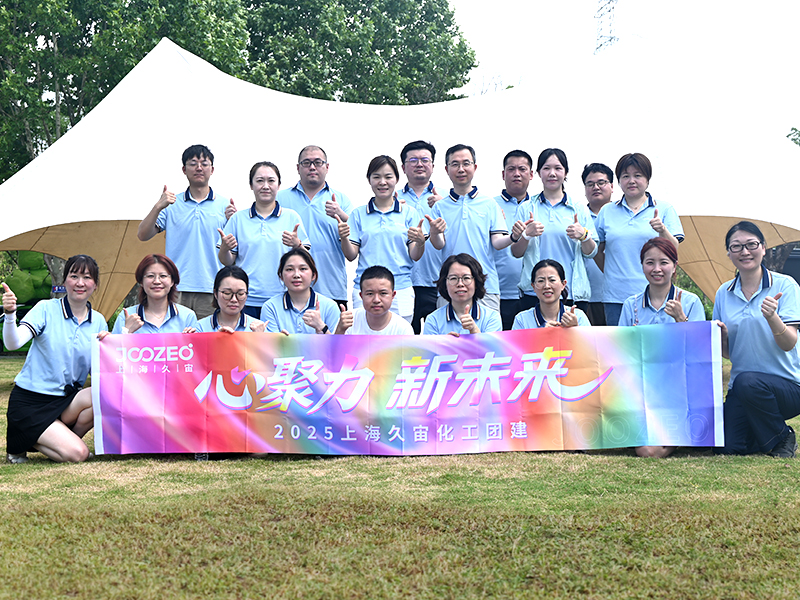
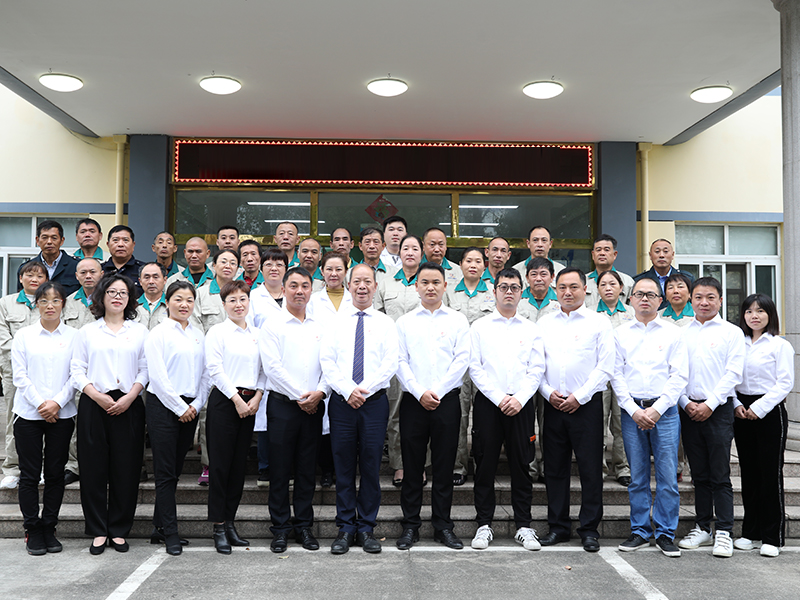
Located in the major economic hub of Shanghai, Shanghai Jiuzhou Chemicals Co., Ltd. (JOOZEO) has focused on quality control and technical innovation since its establishment in 1994. Over the decades, Jiuzhou has grown into a world-class developer, researcher, and manufacturer of high-performance chemical materials.
Our diverse portfolio includes molecular sieve powders, finished molecular sieves, activated powders, activated alumina, aluminum oxide catalysts, various alumina packing materials, ceramic balls, sodium silicates, aluminum hydroxide, zeolite 4A, sodium carbonates, and SLES. Every batch is produced under strict quality control, and our systems are certified under ISO9001:2008, TUV, and SGS.
By working closely with leading chemical engineering departments and international research partners, we have built a fully equipped central laboratory and dynamic simulation center. This helps us ensure our products consistently meet or exceed demanding international standards.
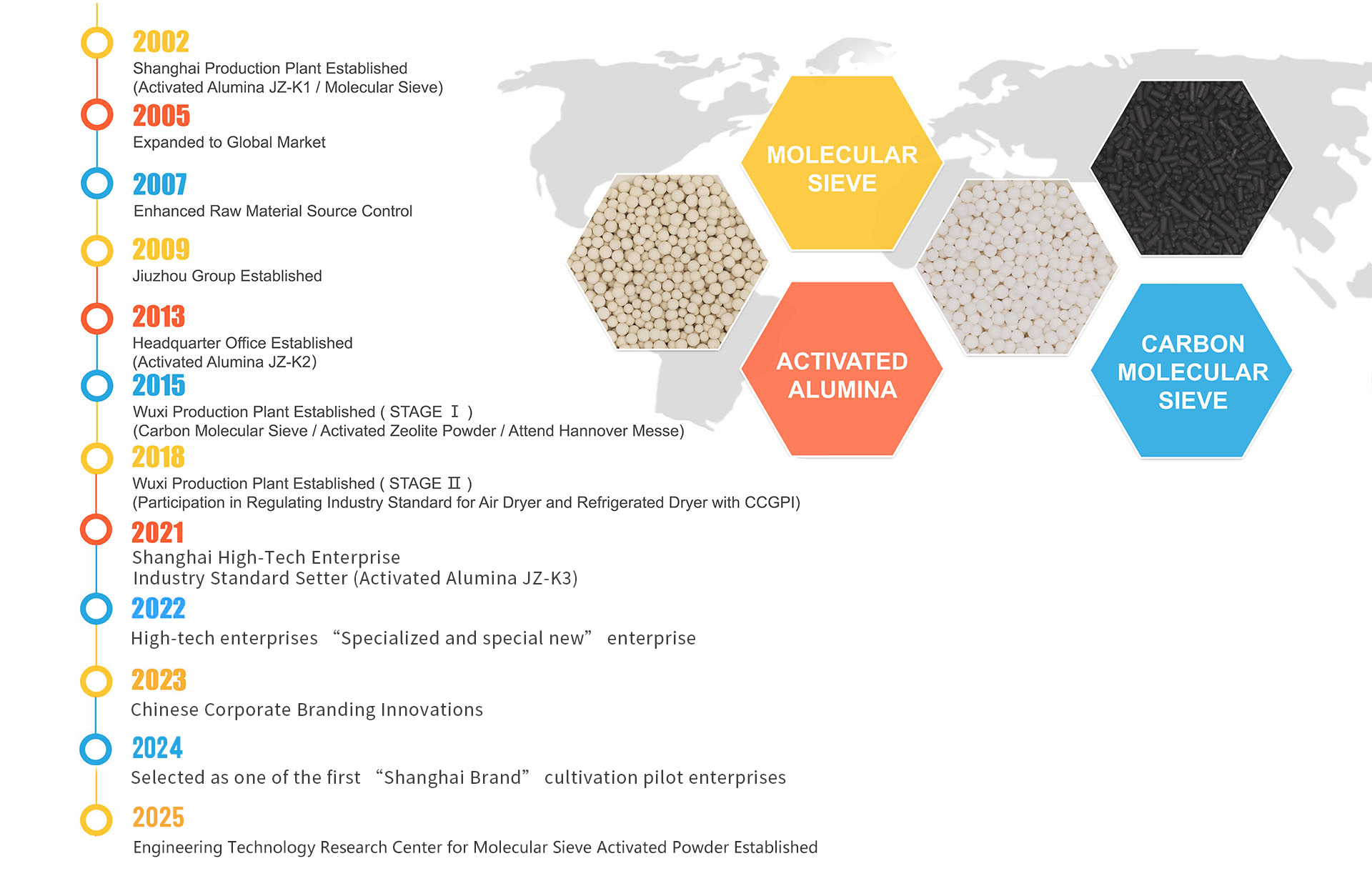
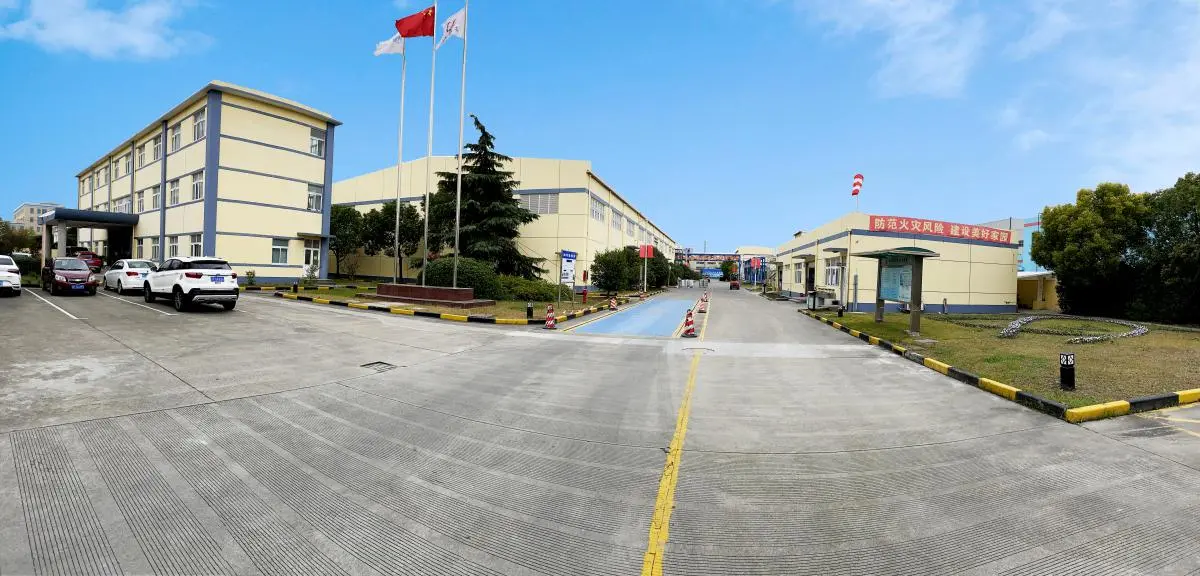
Our main manufacturing facility handles high-temperature sintering, crystal growth synthesis, and precise bead shaping processes under automated supervision.
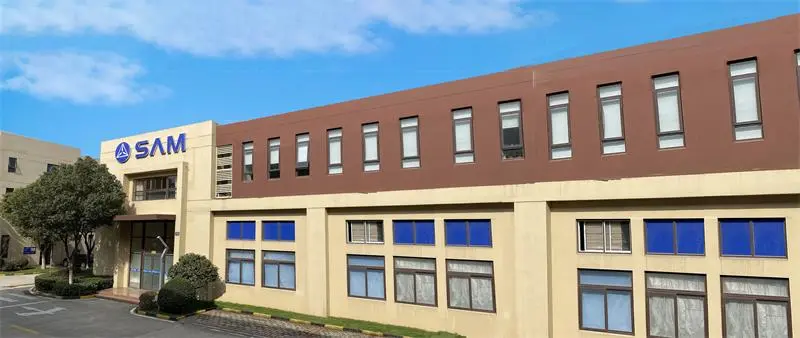
Specializes in large-volume production of industrial activated aluminas, specialty zeolites, and fast-regeneration adsorbents to meet worldwide demand.
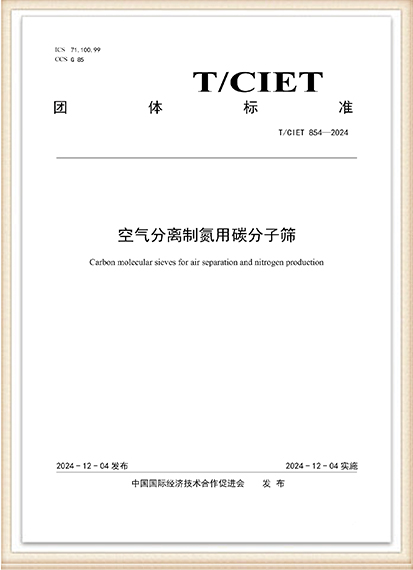
We actively contribute to the drafting and refinement of national and industrial standards for air purification systems and industrial desiccants.
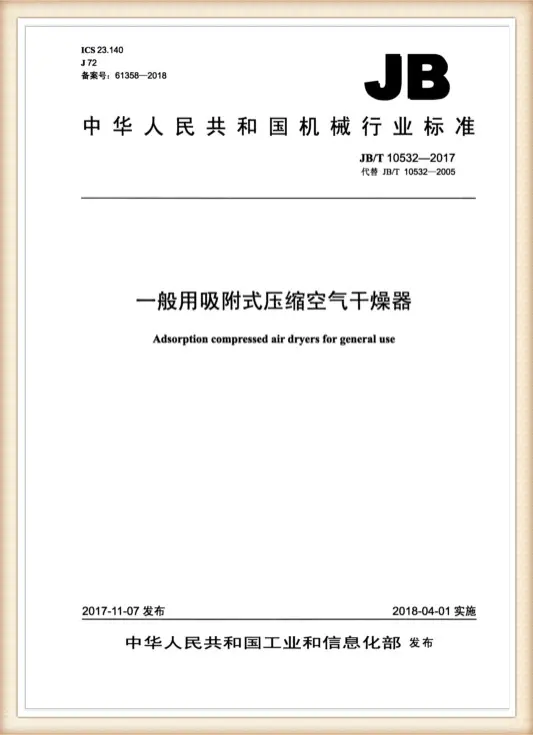
Adsorption compressed air dryers for general industrial applications
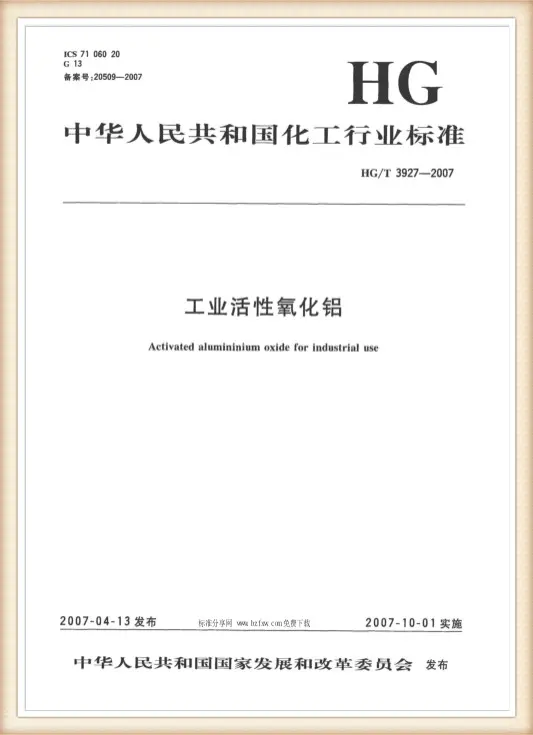
Activated aluminum oxide specifications for industrial gas applications
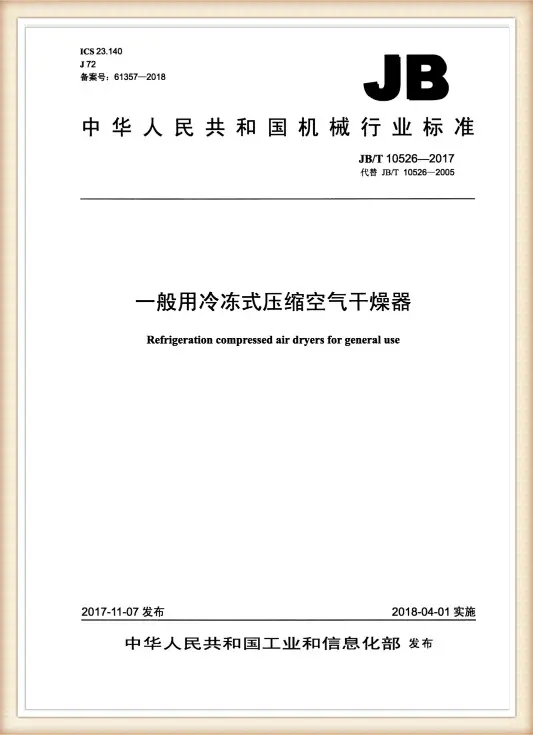
Refrigeration compressed air dryers for general industrial use
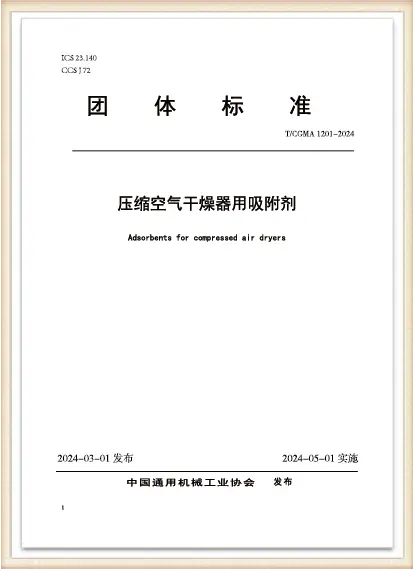
Advanced standard parameters for compressed air systems
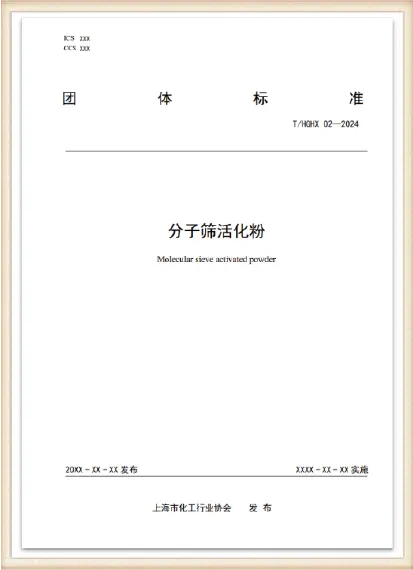
Chemical standards for synthetic molecular sieves
Modern carbon-neutral chemical production protocols
Selecting the correct desiccant requires matching the physical and chemical properties of the adsorbent with the operational conditions of your system. Below, we break down the performance profiles of the main desiccant classes.
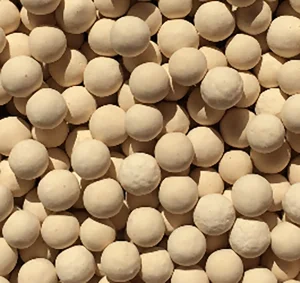
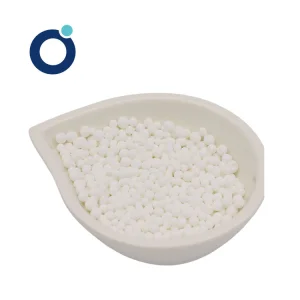
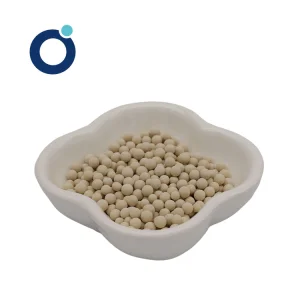
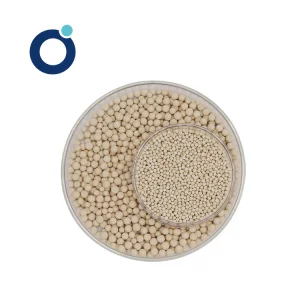
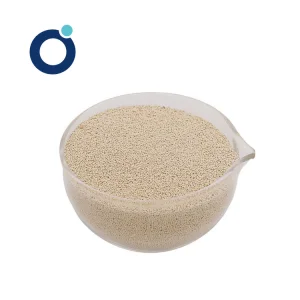
Molecular sieves are crystalline aluminosilicates with uniform pore networks. They have a high affinity for polar molecules (like water) and remain highly effective even at elevated temperatures, making them the industry standard for deep drying.
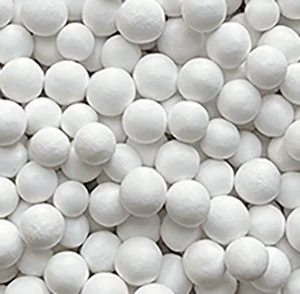
Manufactured by the thermal dehydroxylation of aluminum hydroxide, activated alumina features a highly porous, amorphous structure with high mechanical strength. It is highly resistant to thermal and mechanical shock, making it ideal for drying compressed air systems, liquid hydrocarbons, and treating fluoride or arsenic in water.
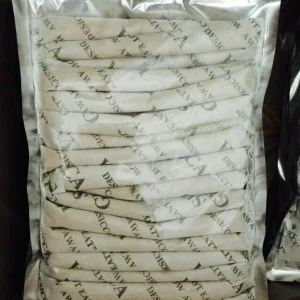
This is an amorphous form of silica ($SiO_2$) structured with an internal network of microscopic pores. It is widely used for packaging humidity control, gas chromatography columns, and protecting electronics, food, and pharmaceuticals. In systems prone to liquid water damage, water-resistant variants (like JZ-WSG) are used to prevent structural breakdown.
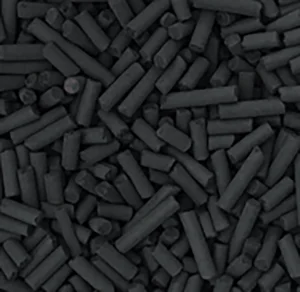
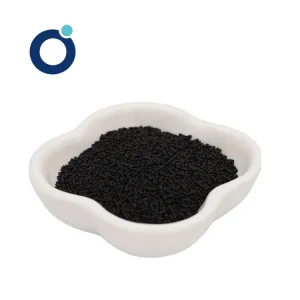
Unlike zeolite-based molecular sieves, CMS relies on precise carbon pore structures to separate nitrogen from air via pressure swing adsorption (PSA). It is widely used in high-purity chemical processing, agricultural storage, and electronic manufacturing.
How different industries implement specialized adsorption technologies to maximize process safety and plant performance.
Preventing ice and hydrate formation during cryogenic olefin separation is critical. Petrochemical operators rely on 3A molecular sieves to dry feedstocks down to less than 1 ppm, protecting downstream piping and cold-box heat exchangers.
Before air is cooled and liquified to produce oxygen, nitrogen, and argon, it must be cleared of trace water vapor and $CO_2$. Using 13X molecular sieves prevents blockages in cryogenic heat exchangers, ensuring uninterrupted plant operation.
Lithium battery production requires extreme dry room environments with dew points below -50°C. Heavy-duty activated alumina and molecular sieve combinations clean recycling air loops to prevent lithium degradation.
“Better air, Better life.” Our production processes focus on reducing carbon emissions, optimizing resource use, and developing eco-friendly chemical products.

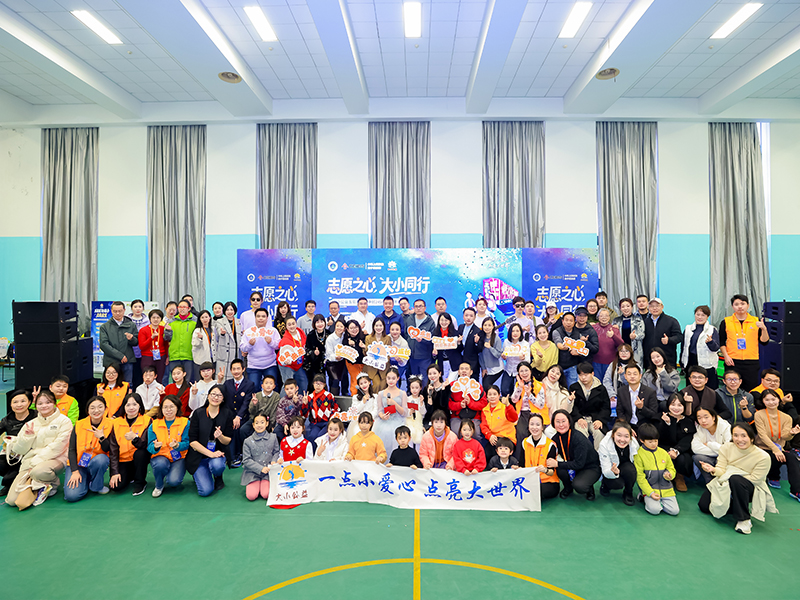
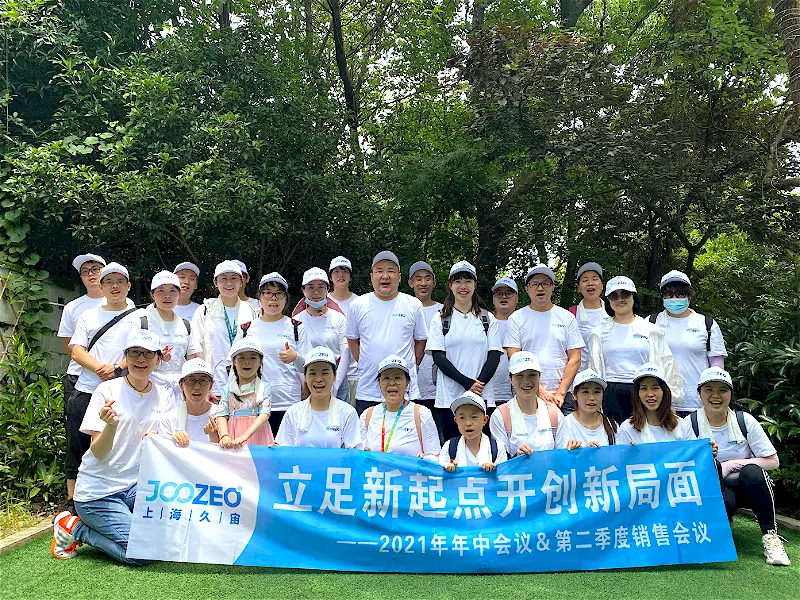
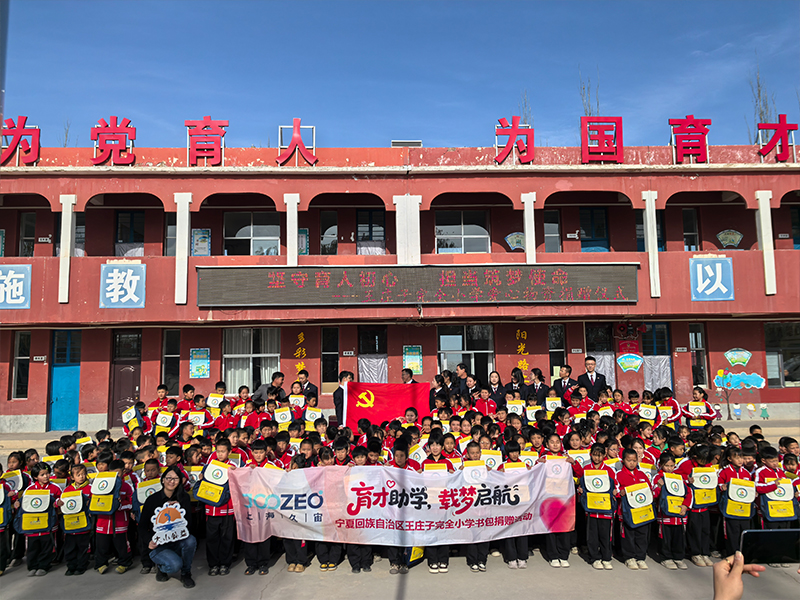

Clarifying common technical questions about adsorption kinetics, service life, and chemical compatibility.
Explore our specialized selection of industrial-grade adsorbents, carbon molecular sieves, and transition-metal catalysts designed for challenging chemical processes.
Connect with our engineering team for custom molecular sieve configurations, activated alumina specs, and dynamic performance quotes. We respond within 24 hours.
Send Request & Sourcing Form