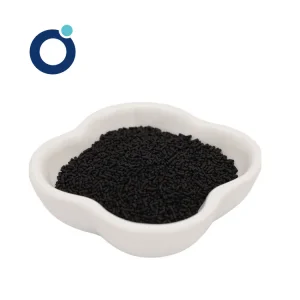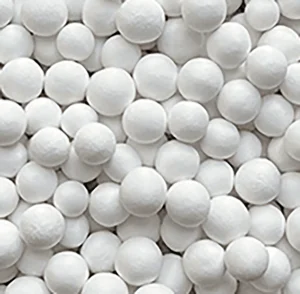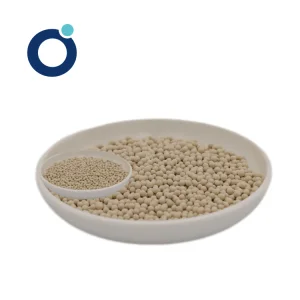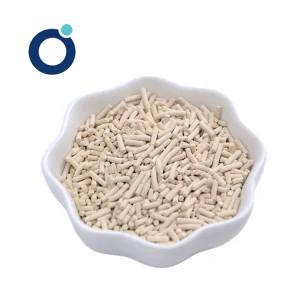
Engineered to deliver unmatched adsorption kinetics, high crush strength, and maximum cyclic durability across demanding industrial workflows.
Analyzing crystalline aluminosilicates, thermodynamic selective adsorption mechanisms, and advanced process optimization for industrial scale purification.
Molecular Sieve 5A, structurally a calcium-exchanged type A zeolite, is a crystalline aluminosilicate with an effective pore opening of 5 Angstroms (0.5 nm). Unlike 3A and 4A molecular sieves, the calcium-rich structure of the 5A variant allows for selective adsorption of molecules based on both size exclusion and electrostatic polarizability. The critical threshold of 5 Å enables the co-adsorption and removal of compounds such as normal (straight-chain) hydrocarbons from branched/cyclic hydrocarbons, hydrogen sulfide (H2S), carbon dioxide (CO2), and mercaptans, alongside water vapor.
The performance of a Molecular Sieve 5A column relies on the density and distribution of calcium ions (Ca2+) within the sodium-aluminosilicate framework. This replacement of Na2+ by Ca2+ results in a stronger electrostatic charge density within the sodalite cages. As gases or liquids pass through the column, molecules with high quadrupole moments (like CO2) or permanent dipoles are held within the zeolite cage structure via physical adsorption (Van der Waals forces). Under constant temperature and pressure, the mass transfer zone (MTZ) moves predictably through the column bed. The column framework must be engineered to resist high thermal shock during thermal swing adsorption (TSA) or sudden de-pressurization during pressure swing adsorption (PSA).
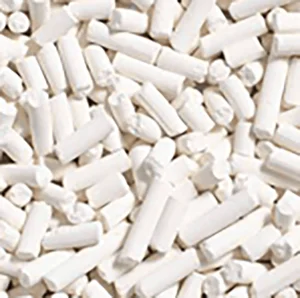
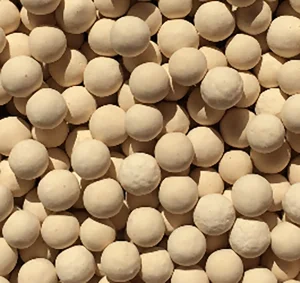
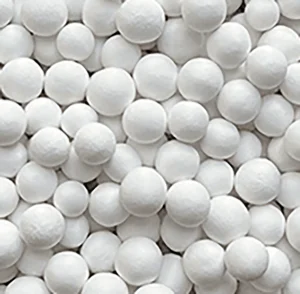
When operating a 5A column, designers must model the breakthrough curves to ensure the adsorption front does not reach the bed outlet prematurely. In natural gas processing, 5A columns are deployed to sweeten the feed stream. During this step, the molecular sieve co-adsorbs H2S and light mercaptans alongside residual moisture. The presence of the 5A column prevents downstream catalyst poisoning in reforming units and avoids freezing of acidic components in cryogenic liquefaction (LNG) cold boxes. The column's efficiency relies heavily on the physical form of the sieve—whether structured as beads, extrudates, or trilobes—which directly controls pressure drop (ΔP) and mass transfer resistance.
A global leader in innovative chemical adsorbents, manufacturing excellence, and dynamic dynamic testing systems.
Located in the premier economic development city of Shanghai, Jiuzhou has consistently adhered to the core principles of "Quality Control 100%, Innovation 100%". We are committed to the advanced development, research, and manufacturing of high-quality chemical products. Our extensive catalog includes various molecular sieve powders, molecular sieves, activated powder, activated alumina, aluminum oxide catalysts, different types of alumina packing and ceramic balls, sodium silicates, aluminum hydroxide, zeolite 4A, sodium carbonates, SLES, and more. All products are verified under ISO9001:2008 quality management systems, TUV, and SGS certifications.
Jiuzhou features a professional, world-class research team. Utilizing top-tier international production technologies and automated multi-functional production units, the company operates a central analytical laboratory equipped with dynamic validation instruments. In terms of quality control, Jiuzhou establishes operating standards that meet and exceed international specifications, delivering customized solutions that minimize energy consumption and maximize system life.
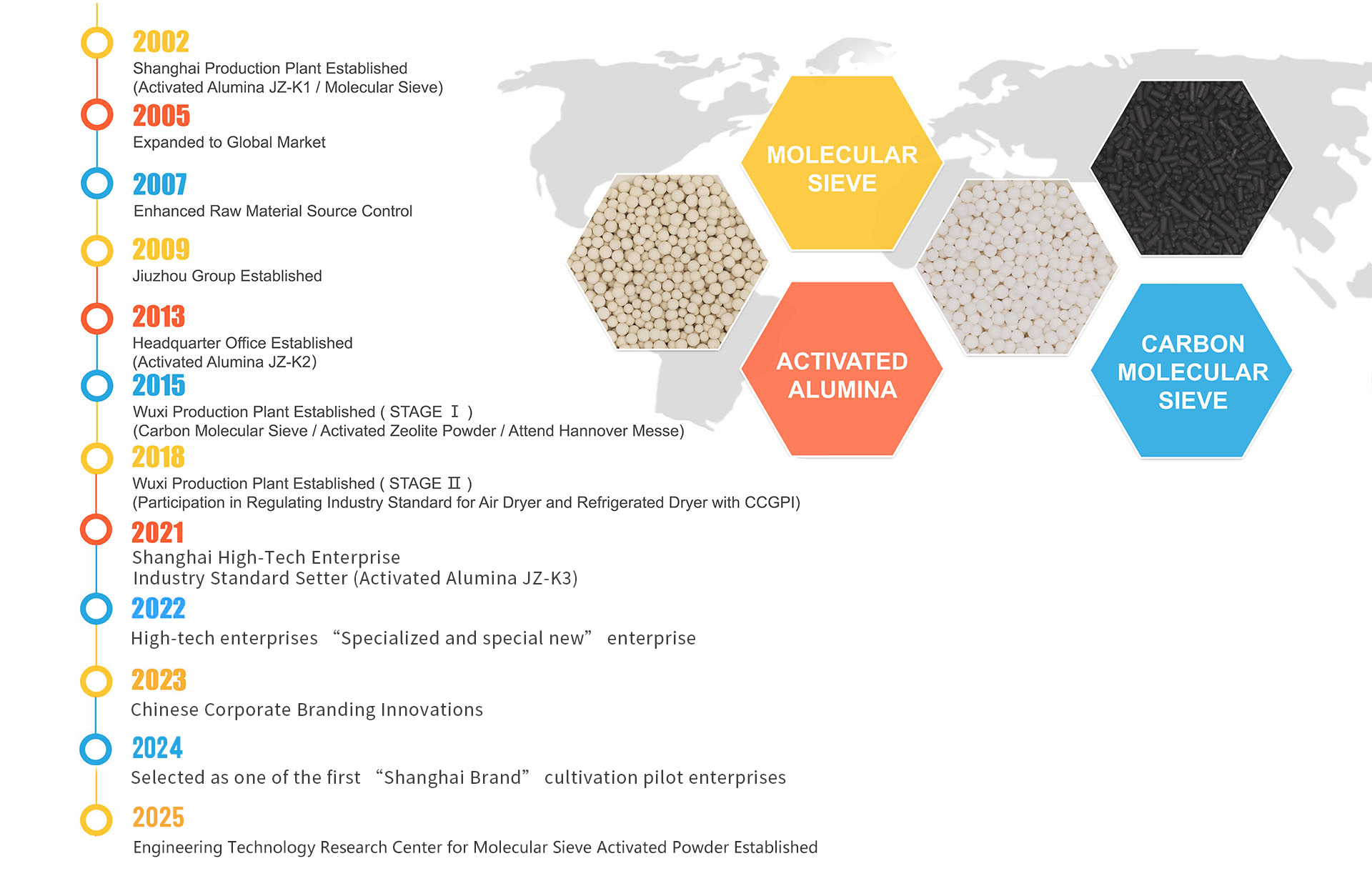
Our primary facility focuses on advanced catalytic formulations, pilot projects, and customized adsorbent engineering for global clients.
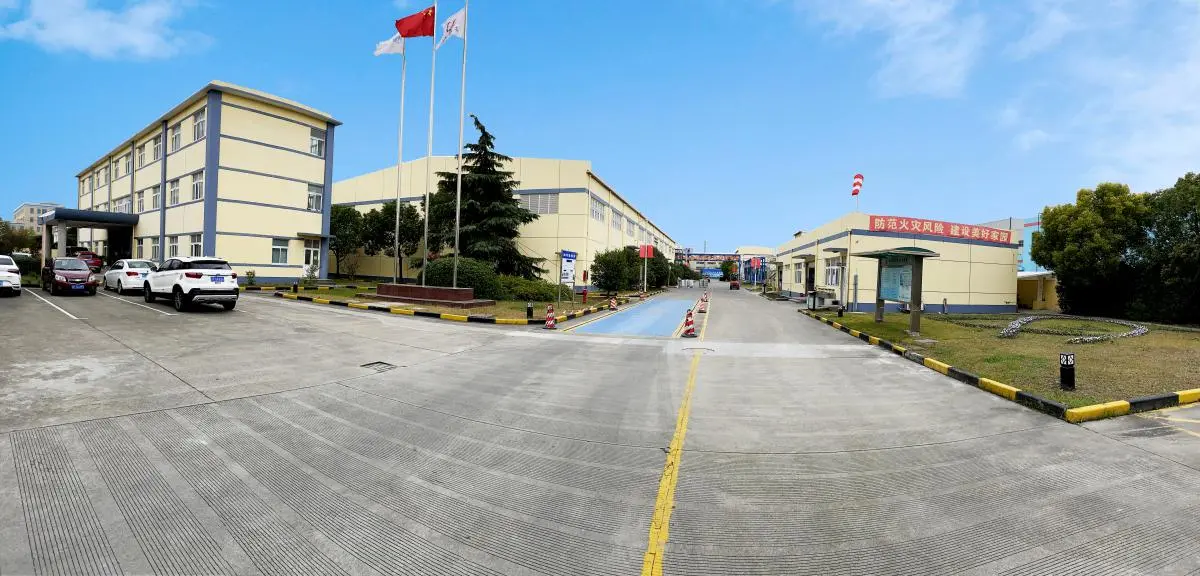
Large-scale, highly automated production lines optimized for high bulk volume runs of standard Molecular Sieves and Activated Alumina.

We pride ourselves on 100% Quality Control and 100% Innovation. This dedication ensures that every batch shipped conforms to critical industry indicators: attrition rate < 0.1%, high water adsorption capacity, and high thermal stability.
Why Fortune 500 chemical enterprises source from Jiuzhou's integrated manufacturing ecosystem in China.
By producing raw sodium silicate and aluminum hydroxide internally, we mitigate global raw material volatility and secure cost consistency for our partners.
Our proximity to the Port of Shanghai guarantees rapid container dispatch, reduced freight costs, and shorter lead times to international ports.
With massive automated kilns and continuous extrusion lines, we easily accommodate sudden bulk volume surges for large plant turnarounds.
Active developers of national and industrial norms, validating chemical reliability and equipment safety.
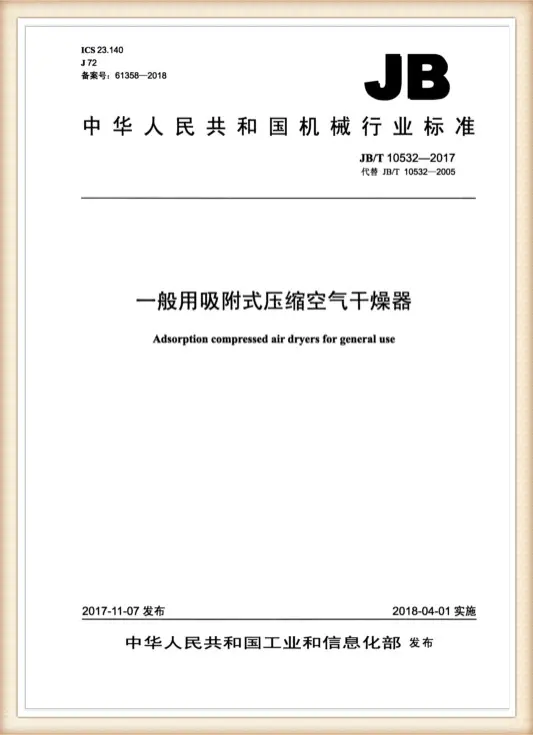
JB / T 10532-2017
Adsorption compressed air dryers for general use
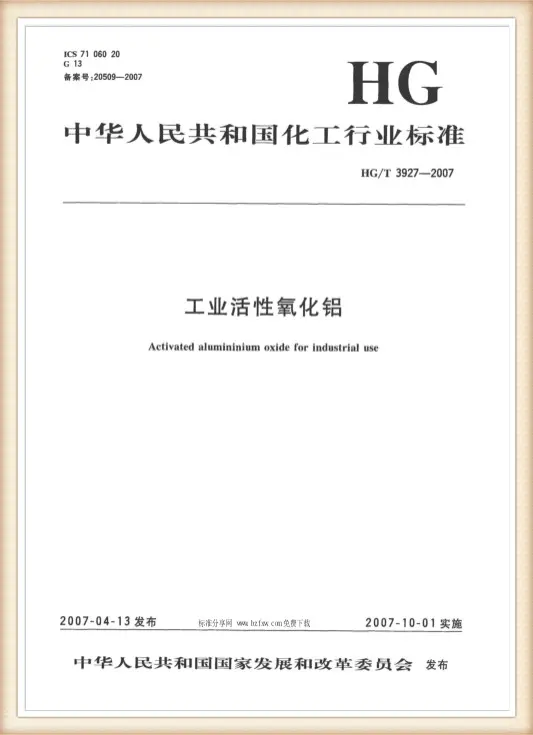
HG / T 3927-2007
Activated aluminium oxide for industrial use
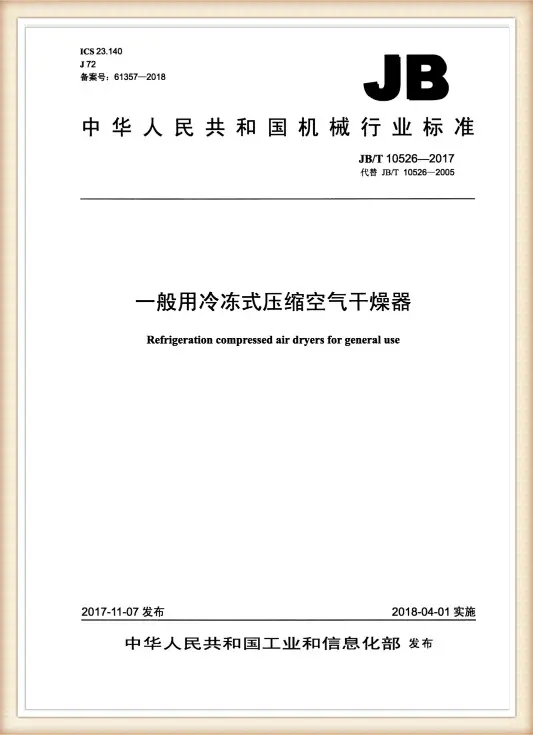
JB / T 10526-2017
Refrigeration compressed air dryers for general use
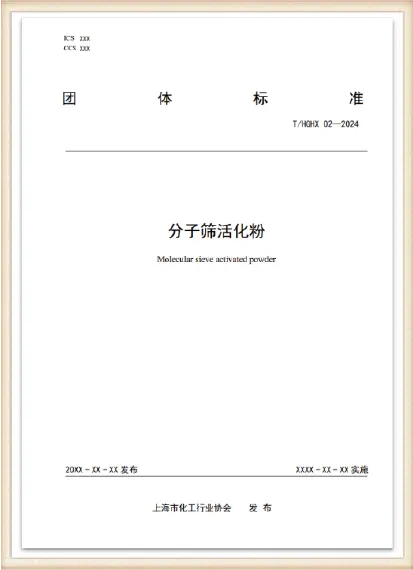
T/CGMA1201-2024
National Industrial Adsorbent Specifications
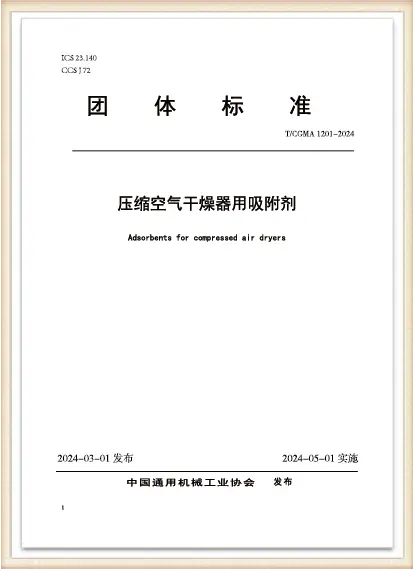
T/HGHX 02—2024
Local Chemical Safety and Standards
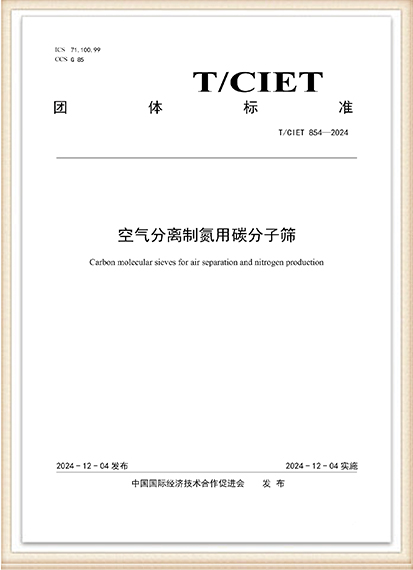
T/CIET 854-2024
Advanced Material Certification Framework
Customizing Molecular Sieve 5A Column architectures for specific global environments and regulatory demands.
In North American and European industrial gas hubs, hydrogen gas streams must exceed 99.999% purity for fuel cell applications. The presence of carbon monoxide (CO) even at parts-per-million levels can permanently damage PEM fuel cell catalysts. Our molecular sieve 5A columns are engineered with high mechanical strength to withstand structural stresses during fast pressure cycles. The strong calcium ions selectively trap CO, nitrogen, and carbon dioxide, providing a highly reliable purification process.
In Middle Eastern and offshore drilling platforms, gas streams often contain high levels of sour gases like hydrogen sulfide (H2S) and carbon dioxide. Molecular sieve 5A columns are deployed here due to their dual affinity for sulfur-containing components and water. Our custom-engineered 5A beads feature high attrition resistance and minimal dust formation, preventing downstream valve abrasion and minimizing maintenance costs during high-flow regeneration phases.
In refining plants, separating normal paraffins from iso-paraffins is essential to improve octane ratings or produce feedstocks for biodegradable detergents. Utilizing Molecular Sieve 5A's strict size exclusion (5Å pore entry vs. iso-paraffins' >5.5Å kinetic diameter), refinery columns consistently achieve high-yield separation under liquid-phase isothermal processing.
Predicting the shift toward low-energy molecular sieves and advanced carbon capture integration.
As global industries transition toward net-zero targets, the demand for energy-efficient regeneration in adsorbent beds is rising. Historically, regenerating molecular sieves required thermal cycles reaching 250°C to 300°C. New developments focus on manufacturing molecular sieves with surface-modified pore pathways. These allow desorption at lower temperatures, directly reducing energy consumption. Additionally, real-time column monitoring systems integrated with smart gas sensors help optimize regeneration cycles, avoiding premature thermal damage and extending the service life of 5A columns by up to 30%.
Addressing core technical questions from process engineers and procurement officers.
Better air, Better life — Our commitment to sustainable chemical processes and environmental stewardship.


Explore our highly compatible desiccants, molecular sieve variants, and industrial gas purification solutions.
Contact us for customized bed designs, pressure drop calculations, or quick pricing requests. We respond within 24 hours.
Send Request