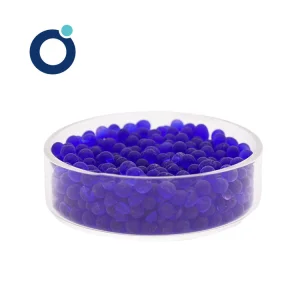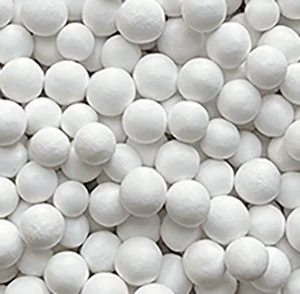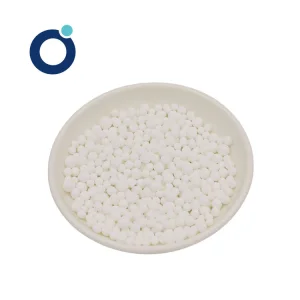
Engineered to deliver exceptional thermal stability, optimized acid site distributions, and precise porosity matching.
A comprehensive analysis of structural dynamics, pricing economics, and process integration metrics.
In modern chemical manufacturing and oil refining, the configuration of the catalyst matrix dictates both feedstock conversion efficiency and overall system longevity. Silica-Alumina catalysts (amorphous and crystalline phases) serve as vital foundational elements in solid acid catalysis. The pricing and procurement matrices governing these compounds are subject to multiple macroeconomic variables, including raw material synthesis expenses (primarily sodium silicate, sulfuric acid, and aluminum sulfate sources), calcination temperature curves, and energy cost factors.
For international procurers, assessing a Silica Alumina Catalyst pricelist requires understanding the trade-off between initial cost and operating life. Low-grade options often result in high attrition rates, premature pore collapse under hydrothermal stress, and loss of selective acidity. Premium variations feature tailored pore size distribution and hydrothermal stability. These properties protect operations against rapid deactivation in challenging environments like Fluid Catalytic Cracking (FCC) units and hydrocracking pretreatment systems.
Silica Alumina catalysts are synthesized by co-precipitating silica hydrogel and alumina hydrogel or by impregnating active alumina phases onto structural silica cores. The resulting acid properties depend heavily on the silicon-to-aluminum ratio (SiO₂/Al₂O₃). Higher silica ratios typically provide stronger Brønsted acidity and higher thermal stability, whereas higher alumina contents increase Lewis acidity and total pore volume.
Key quality metrics for process validation include:
Industrial procurement teams must move beyond basic "per-metric-ton" pricing models and adopt a Total Cost of Ownership (TCO) methodology. The market price of silica-alumina catalysts is shaped by structural purity and performance parameters.
Custom-engineered catalysts with targeted pore sizes (mesoporous silica-alumina matrices) have higher initial costs due to template agents and specialized calcination sequences. However, they yield longer production runs and require fewer change-outs. In hydrocracking loops, selecting a catalyst with high hydrothermal stability can extend run lengths by 12–18 months. This extension directly offsets upfront purchase differences and delivers significant financial gains.
The shift toward circular economies requires new catalytic pathways. Silica-alumina systems are shifting from traditional heavy crude cracking toward processing bio-derived feedstocks and pyrolysis oils from plastic waste. Pyrolysis oil contains high concentrations of oxygenates, nitrogen species, and metal complexes that quickly poison standard zeolites.
Amorphous silica-alumina acts as an effective guard bed and cracking catalyst. Its mild, controllable acid sites prevent rapid coke formation while selectively cracking large polymer fragments. In biomass-to-liquid (BTL) refining, optimized silica-alumina matrices selectively break down long-chain oxygenates, enabling efficient production of sustainable aviation fuels (SAF).
A trusted global supplier of standard-setting catalysts, adsorbents, and chemical solution systems since 1994.
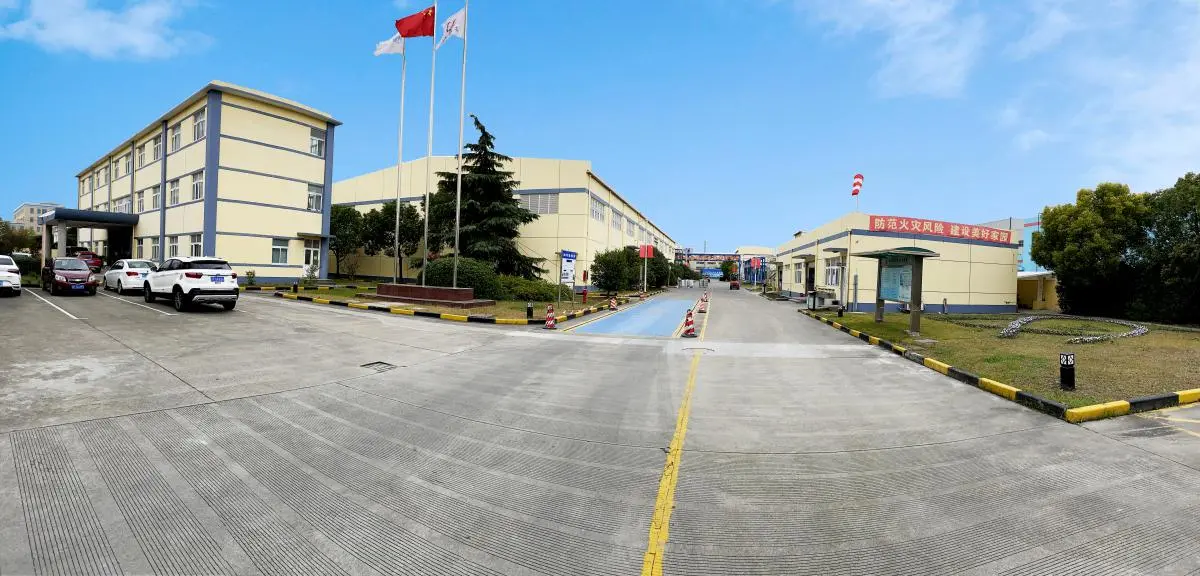
Shanghai Jiuzhou Chemicals Co., Ltd., located in the economic hub of Shanghai, is a leading name in the development, research, and manufacturing of premium, innovative chemical products. The company's diverse product portfolio features high-performance molecular sieve powders, active powders, activated alumina, aluminum oxide catalysts, alumina packing, ceramic balls, sodium silicates, aluminum hydroxide, and zeolite 4A. All operations run under ISO 9001:2008 Quality Management System certifications, with quality assurance backed by TUV and SGS testing standards.
Jiuzhou employs a world-class chemical research team and uses advanced international production processes. Its production facilities feature modern multi-purpose plants, automated workshops, and a central laboratory equipped with advanced analytical instrumentation. This infrastructure ensures all products comply with strict international quality limits and performance standards.
By maintaining a strong presence across key regions, including the United States, Southeast Asia, Japan, Europe, and South America, Jiuzhou delivers energy-saving and environmentally friendly adsorption and catalytic solutions. These high-performing products help global partners lower emissions, increase system efficiency, and achieve long-term sustainability goals.

Jiuzhou is committed to green manufacturing processes that reduce industrial emissions and minimize global carbon footprints.
Providing compliant chemical materials that align with recognized national and international engineering guidelines.
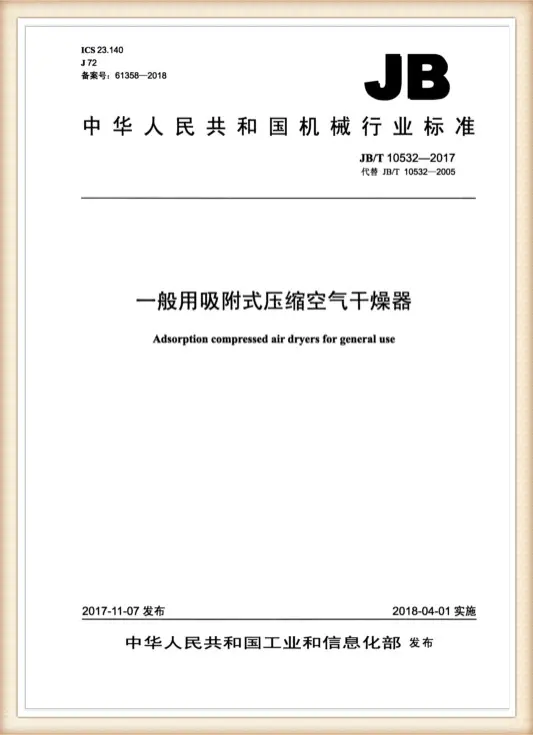
Adsorption compressed air dryers for general use.
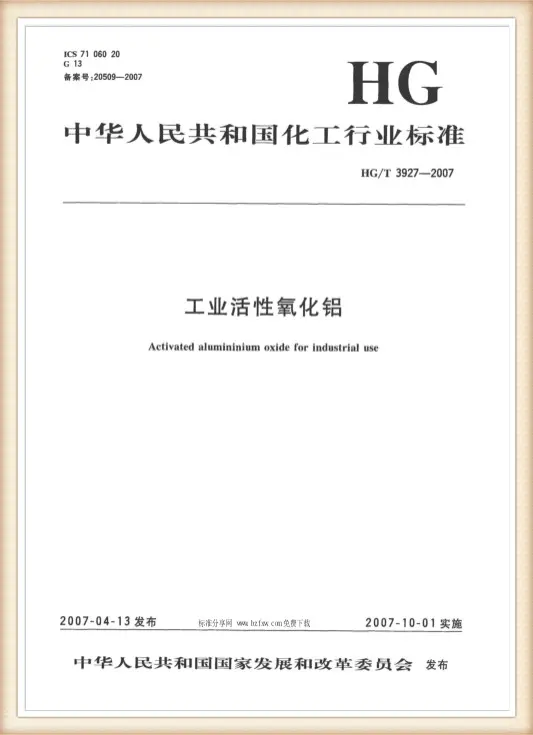
Activated aluminum oxide for industrial use.
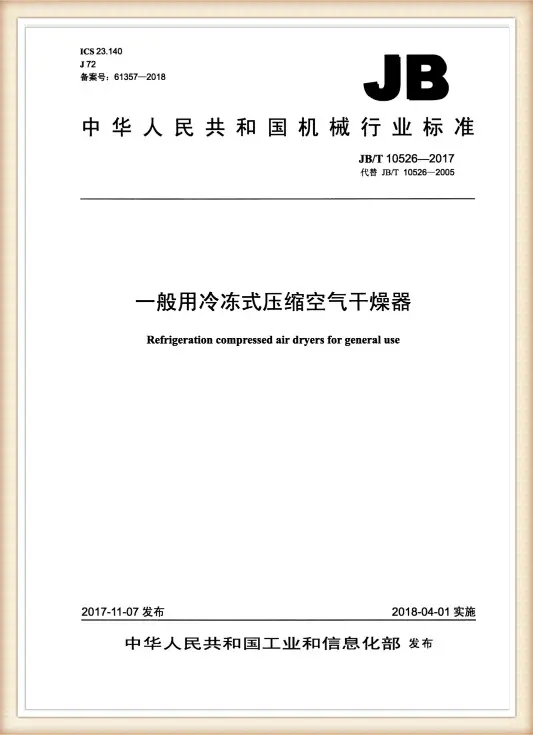
Refrigeration compressed air dryers for general use.
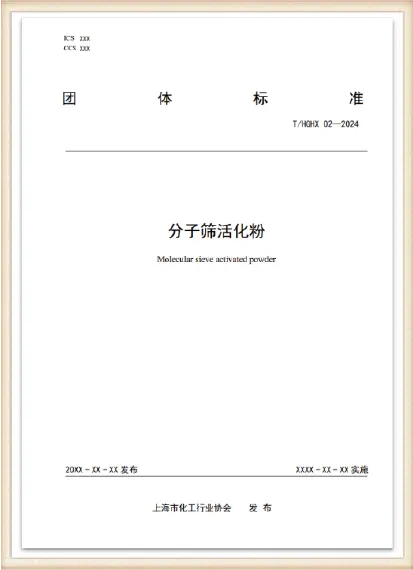
Standards for advanced machinery and equipment components.
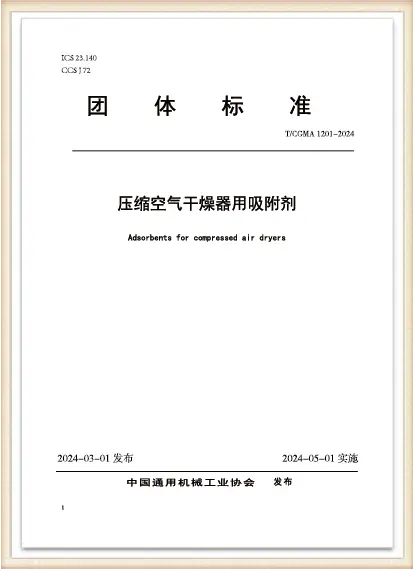
Refining requirements for chemical and catalyst products.
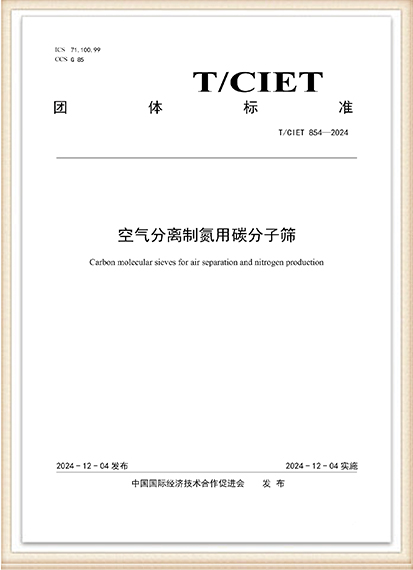
Green development and clean manufacturing standards.
Addressing core technical questions from process engineers and sourcing managers.
Pricing depends on the silica-to-alumina ratio, active surface area (BET metrics), purity levels, mechanical crush strength requirements, and structural modifications (like custom mesopores). High-purity inputs and extended calcination times contribute to higher prices but improve performance and operational life.
The ratio alters the type and strength of active acid sites. Higher silica ratios increase Brønsted acidity and thermal resistance, making them suitable for selective hydrocracking. Higher alumina contents boost Lewis acidity, which is useful for dehydration and isomerization reactions.
We employ automated raw material dosing, real-time pH monitoring during hydrogel precipitation, and continuous temperature profiling in our calcination kilns. Each production run is validated at our central laboratory using XRD, BET, and ICP-OES instrumentation to verify compliance before dispatch.
Yes. Our amorphous silica-alumina catalysts feature a wide pore structure that processes large, complex hydrocarbon feedstocks. They resist poisoning from organic metals and nitrogen compounds better than traditional crystalline zeolites, making them well-suited for circular chemistry refineries.
Engineered for high-capacity adsorption, reliable catalytic performance, and long operational life.
Contact our application engineering team for detailed technical information, tailored silica-alumina formulations, or up-to-date batch pricelists. We respond within 24 hours.
Send Request