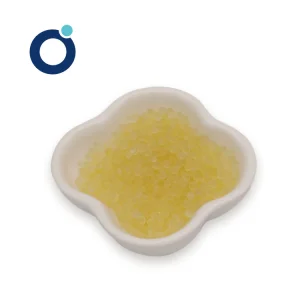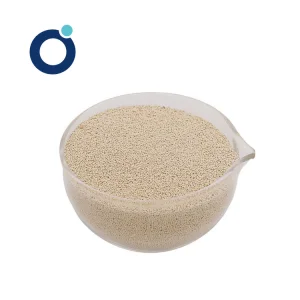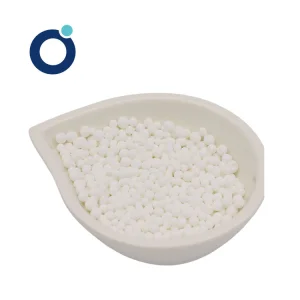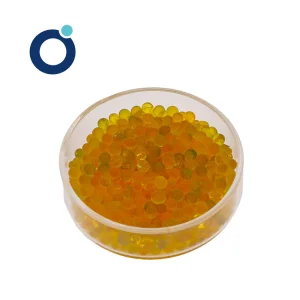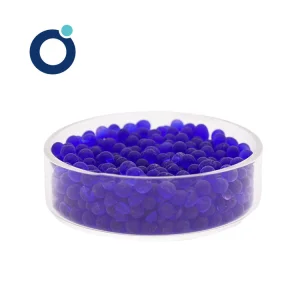
High performance synthetic zeolites and water-resistant active gels optimized for deep dehydration applications.
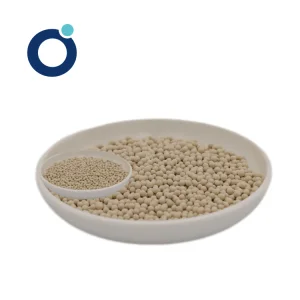
Molecular sieves are crystalline, synthetic aluminosilicates featuring highly regular three-dimensional network structures built from $AlO_4$ and $SiO_4$ tetrahedra. These framework configurations form a uniform, microscopic pore structure characterized by precise aperture sizes, typically ranging from 3 Ångströms (3A) up to 10 Ångströms (13X). Unlike amorphous silica gels or activated alumina, molecular sieves achieve separation through selective size-exclusion, polar affinity, and electrostatic interactions.
When processing wet gases or multi-component hydrocarbon feeds, the highly polar cavity surface within the zeolite lattice exerts a strong electrostatic field. Polar compounds like water ($H_2O$), carbon dioxide ($CO_2$), and hydrogen sulfide ($H_2S$) are selectively captured within the crystalline cavities, even at trace concentrations (ppm levels), leaving the non-polar, larger molecules to pass unaffected.
| Zeolite Type | Nominal Pore Diameter | Preferred Adsorbates | Common Industrial Applications |
|---|---|---|---|
| Type 3A (Potassium Form) | 3 Å (0.3 nm) | $H_2O$ (Excludes Ethylene, Propylene) | Ethanol dehydration, cracked gas drying, LNG systems |
| Type 4A (Sodium Form) | 4 Å (0.4 nm) | $H_2O$, $CO_2$, $SO_2$, $H_2S$ (Excludes Propane) | Air dryer systems, static packaging desiccant |
| Type 5A (Calcium Form) | 5 Å (0.5 nm) | n-Paraffins, light mercaptans | Pressure Swing Adsorption (PSA) hydrogen purification |
| Type 13X (Sodium Form) | 10 Å (1.0 nm) | Large hydrocarbons, mercaptans, amines | Cryogenic air pre-purification, desulfurization |
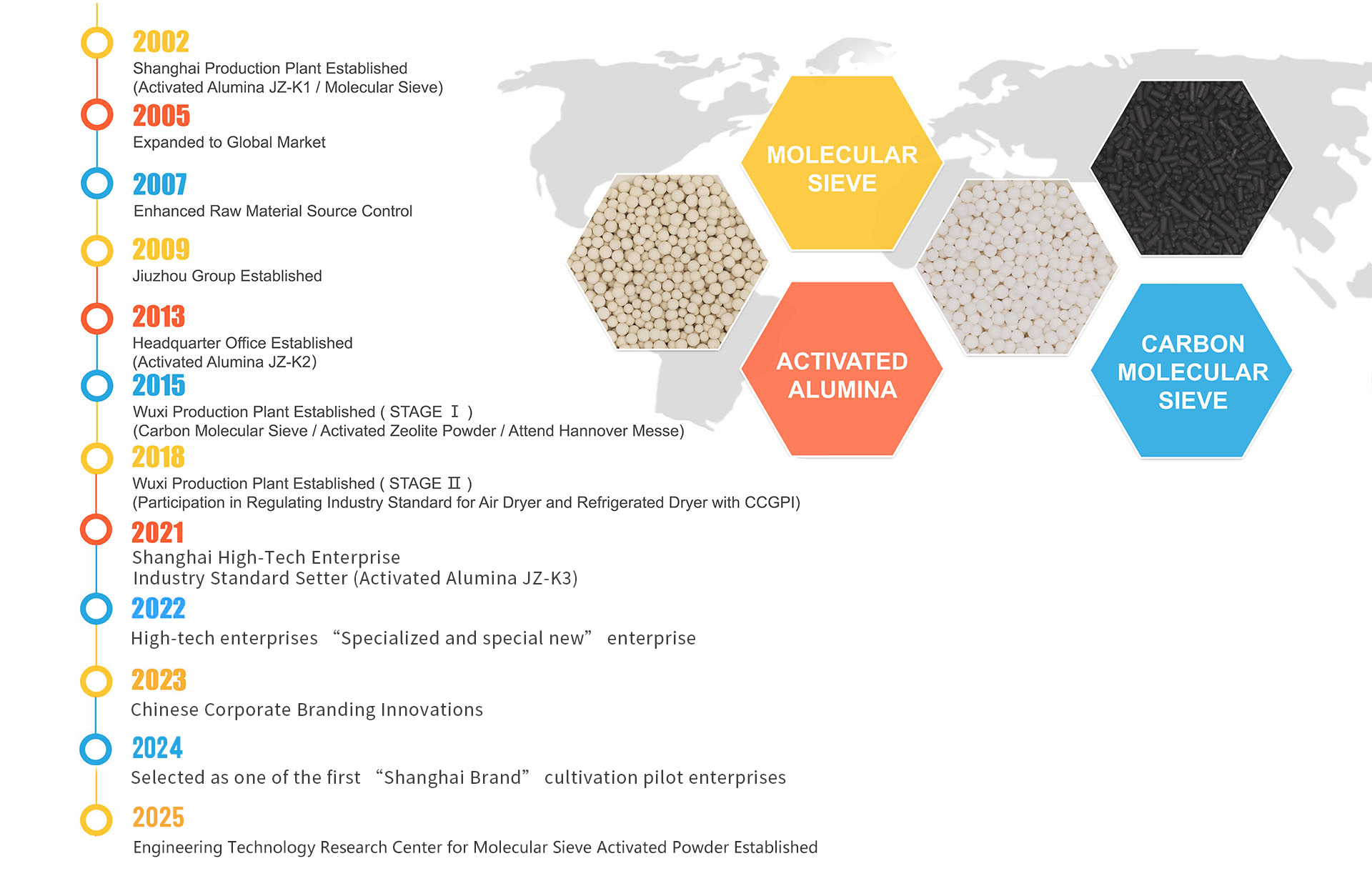
Serving Global Markets with Scientific Precision Since 1994
State-of-the-art automated production workshops and central testing laboratories.
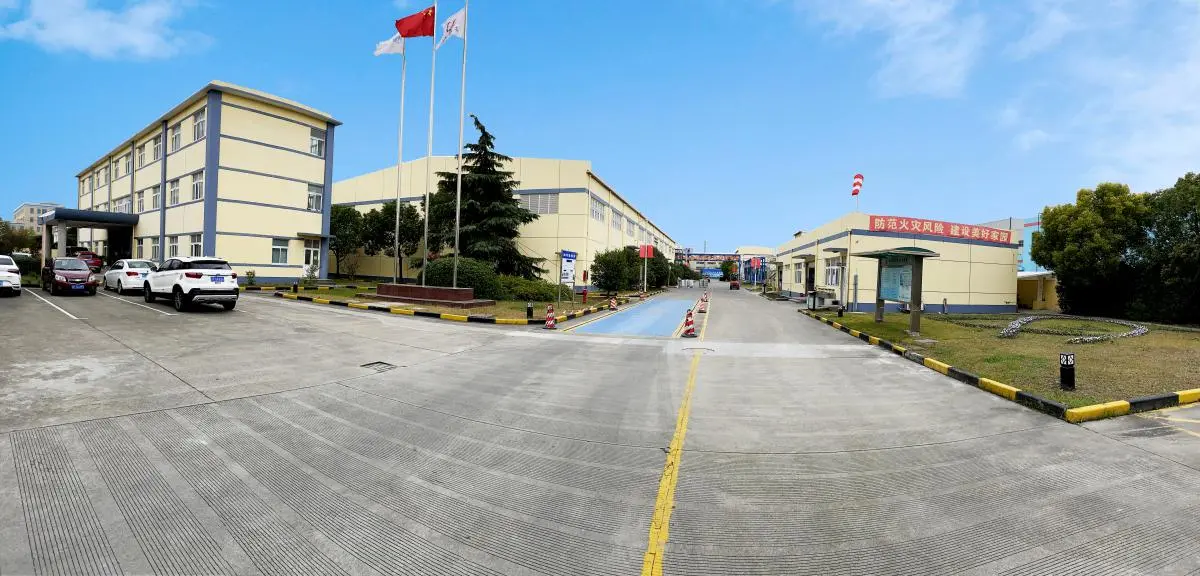
Focuses on advanced molecular sieve synthesis, surface modification, and clean, high-performance packaging line configurations. Hosts the primary dynamic analysis center.

Specializes in high-capacity raw-zeolite crystallization, activated powder extrusion, and large-scale bulk chemical packaging to support stable international supply pipelines.
Our products undergo batch-by-batch performance validation. From raw kaolin processing to final kiln thermal activation, each run is verified by our in-house lab for crush strength, equilibrium water capacity, and particle size distribution.
Our R&D division continuously works on customized formulations. This includes binderless zeolites, which offer 20-30% higher active density, and custom-doped spheres engineered to withstand high acid-gas exposure.
Engineered for reliable gas purification across demanding operating environments.
Used to dry and sweeten natural gas streams prior to cryogenic liquefaction, preventing hydrate blockages down to dew points of -100°C (-148°F).
Optimized for nitrogen, oxygen, and hydrogen generators, providing high selectivity, low pressure drop, and high crushing resistance under rapid cycling.
Prevents structural condensation in insulating windows and safeguards refrigeration loops against moisture-induced corrosion or freezing.
From high-humidity environments in Southeast Asia to cold climates in Northern Europe, our technical engineering team customizes binder ratios and hydration states to suit local conditions. For offshore applications in gas processing plants, we provide customized corrosion-resistant bulk packaging, including double-sealed polymer-lined drums. This prevents premature pre-adsorption during transport and storage, ensuring the molecular sieves are loaded at maximum capacity.
Direct manufacturing benefits from China’s chemical industrial hubs.
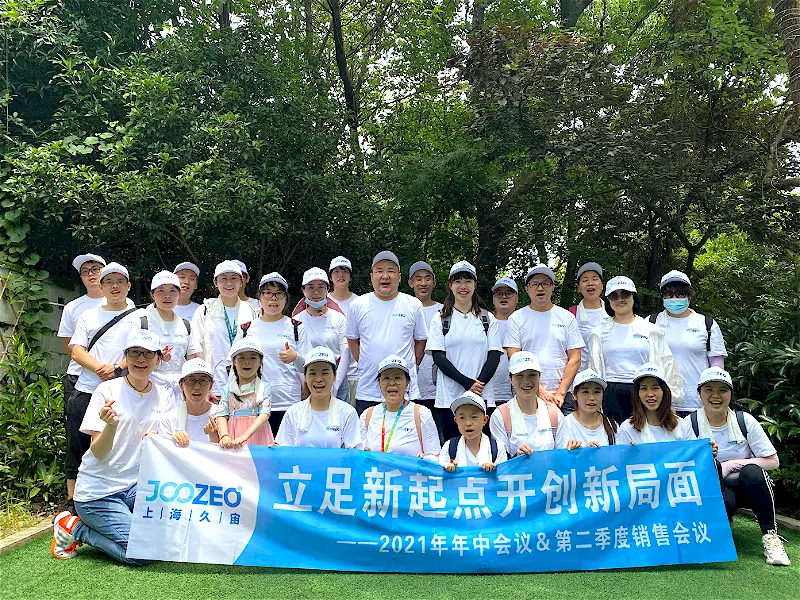
Shanghai Jiuzhou Chemicals manages the complete supply chain internally. We source and process our own raw silicate solutions, alumina hydrates, and specialized binders. This vertical integration insulates our production lines from market fluctuations, maintaining stable pricing and consistent batch-to-batch quality.
Our plants in Shanghai and Wuxi are located close to major shipping hubs. This proximity to the Port of Shanghai enables rapid loading, efficient customs clearance, and reduced transit times. As a result, we can deliver volume orders reliably to global destinations.
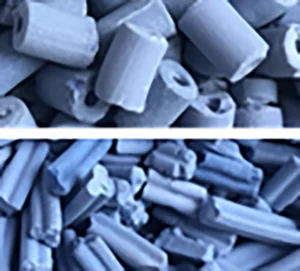
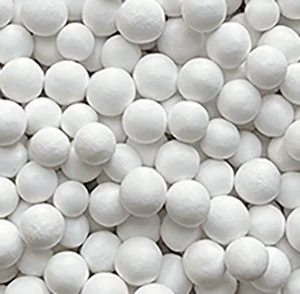
We offer custom solutions for size distributions (e.g., spherical beads from 1.6mm to 5.0mm, or custom extrusion profiles), target pore structures, active volatile capacities, and private labeling. Each product is engineered to match your specifications.
Shanghai Jiuzhou Chemicals actively contributes to Chinese National and Industrial standards for adsorbents and compressed air systems.
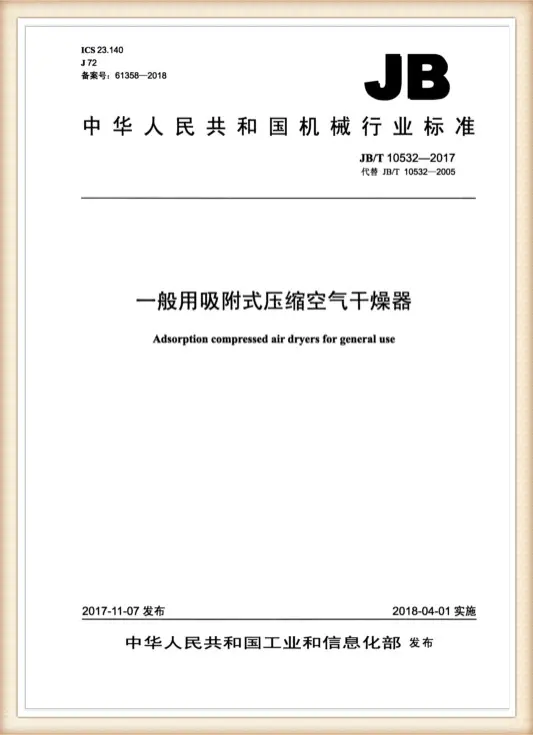
Adsorption compressed air dryers for general use.
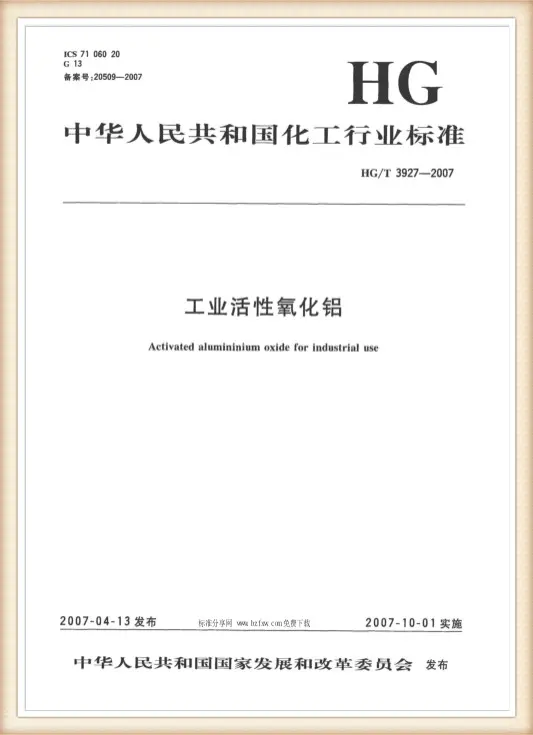
Activated aluminum oxide for industrial use.
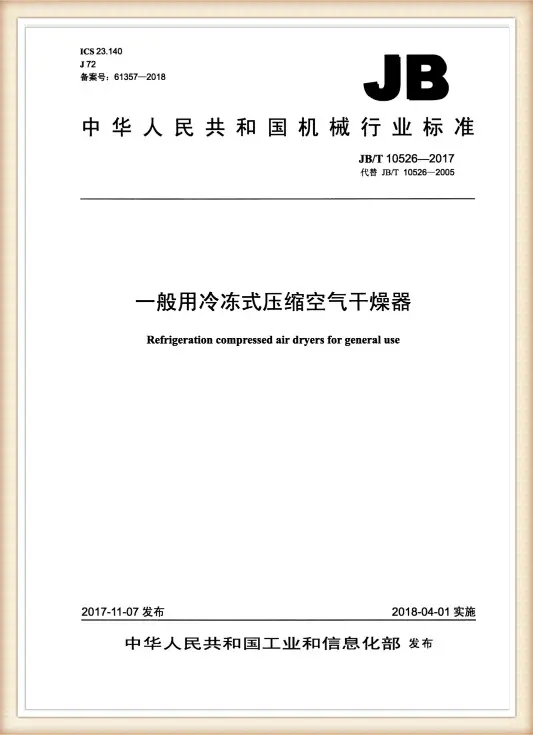
Refrigeration compressed air dryers for general use.
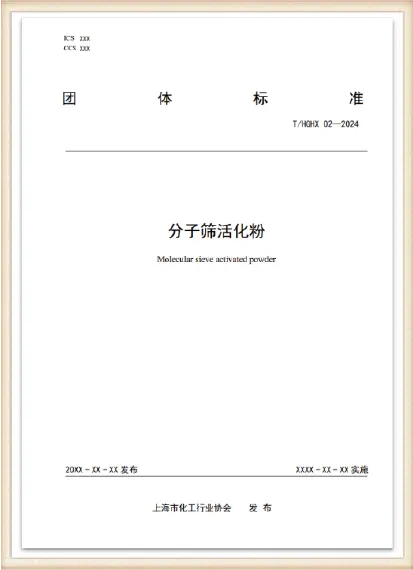
Association machinery standard guidelines.
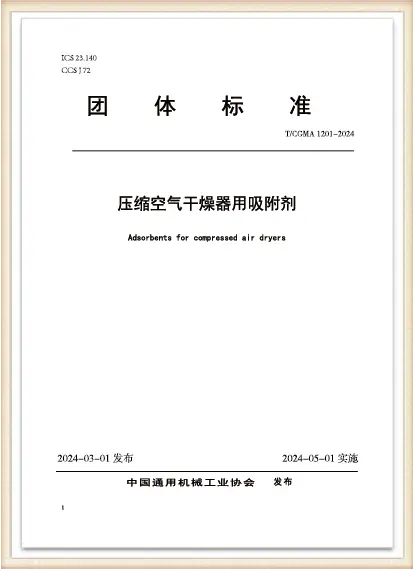
Chemical & adsorbent testing criteria.
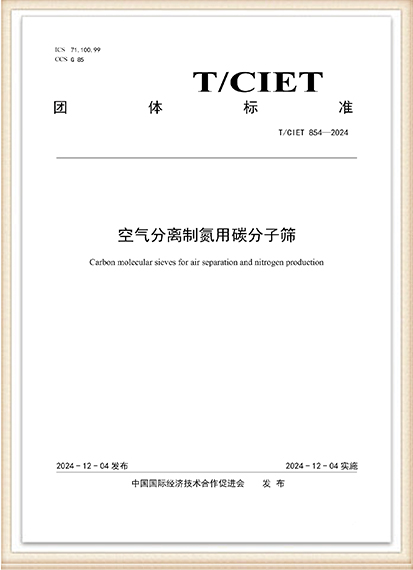
Eco-friendly adsorbent materials standard.
"Better air, Better life"
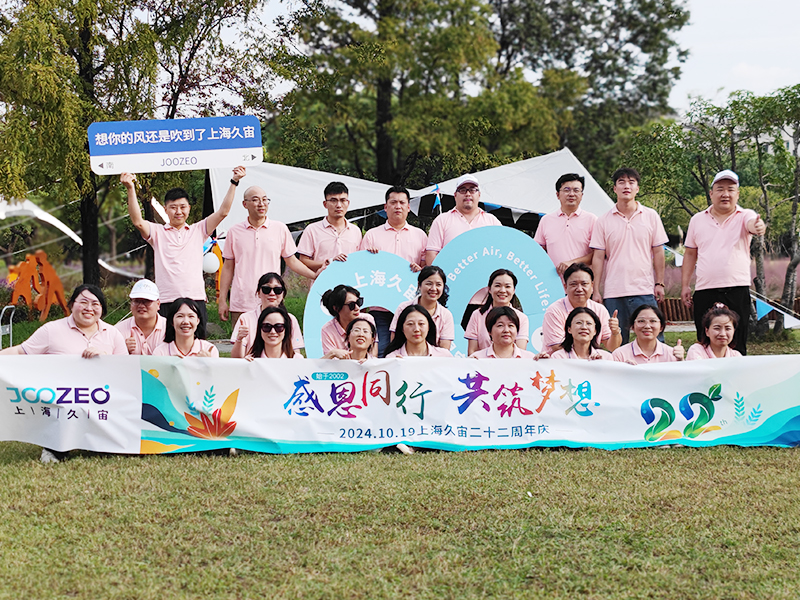
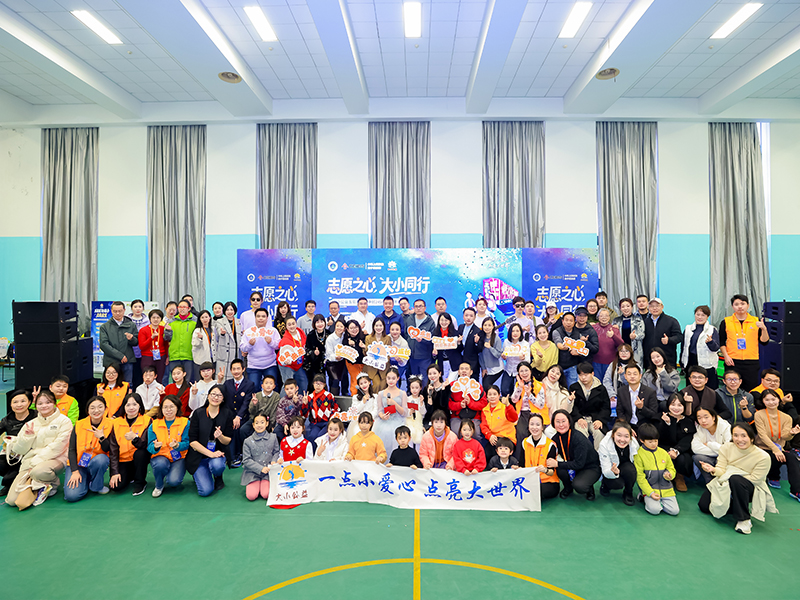
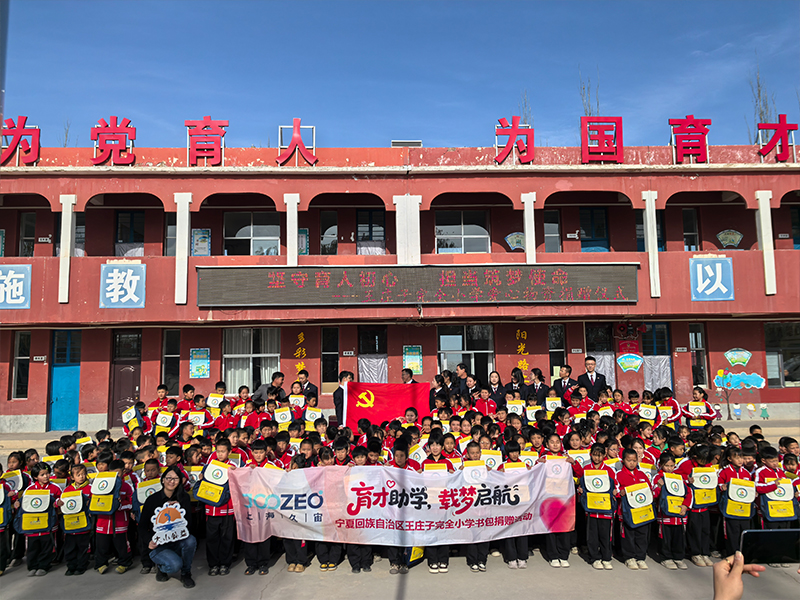
Technical answers to help optimize your industrial dryer systems.
Specialized products developed for air drying, purification, and gas separation applications.
Consult with our engineering team to select the appropriate pore size, particle distribution, and packaging requirements for your application.
Send Request Now