
Engineered to withstand the demanding mechanical and thermochemical conditions of Pacific Northwest gas processing and clean energy applications.
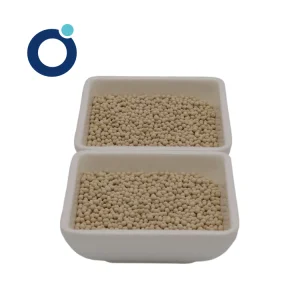
Optimized for dynamic water adsorption under cryogenic processes and aerospace cabin air purification grids.
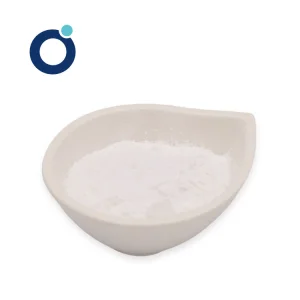
High-affinity selective adsorption media for maritime emissions control and deep VOC abatement configurations.
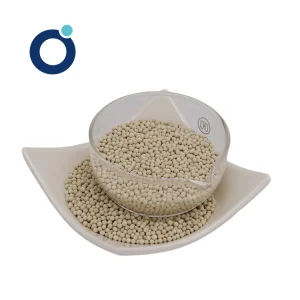
Specifically engineered for cracking-gas dehydration and clean hydrogen purification systems.
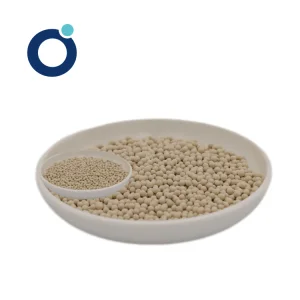
High-efficiency lithium-exchanged nitrogen selective adsorption agent for PSA medical oxygen systems.
Seattle and the broader Pacific Northwest (PNW) region are rapidly evolving into a focal hub for carbon-neutral aviation fuels, zero-emission marine technology, and next-generation hydrogen fuel cell infrastructure. Within these highly demanding sectors, molecular sieves serve as critical thermodynamic enablers.
Whether removing trace water down to sub-ppm levels from aviation kerosene feedstocks or managing carbon dioxide and hydrogen sulfide capture in regional renewable natural gas (RNG) biogas facilities, standard desiccant performance is not enough. Systems require synthetic crystalline aluminosilicates with precise pore size distributions (3Å, 4Å, 5Å, and 10Å/13X) and high mechanical attrition resistance.
By pairing world-class Chinese chemical synthesis with Seattle's supply chain logistics, engineering firms in Washington State can now access highly customized adsorption materials designed to reduce operational costs, extend cycle runtimes, and prevent catalytic poisoning in downstream synthesis loops.
Understanding the micro-scale dynamics of synthetic zeolite frameworks and molecular transport phenomena.
Through advanced ion-exchange processes (replacing sodium cations with potassium or calcium), we calibrate the effective crystal opening size. This guarantees molecular exclusion based on the Lennard-Jones potential diameters of specific gas streams.
Optimizing the electrostatic field strength inside the aluminosilicate cavities. This reduces the heat of adsorption for temperature swing adsorption (TSA) configurations, yielding dramatic thermal energy savings during cycle regeneration.
By utilizing proprietary high-purity inorganic binders, our molecular sieves sustain high mechanical loading profiles, preventing bed compaction and pressure drop spikes in deep vertical reactors.
The core mechanism of molecular sieve technology relies on the absolute discrimination of molecular sizes. The chart below represents the kinetic diameters of common chemical compounds processed across Seattle's industrial facilities:
| Molecule | Kinetic Diameter (Å) | Recommended Zeolite Phase | Industrial Application Area |
|---|---|---|---|
| H2O (Water) | 2.65 | 3Å (LTA Type) | Cracking gas dehydration, Ethanol drying |
| CO2 (Carbon Dioxide) | 3.30 | 4Å / 5Å (LTA/FAU) | Natural gas sweetening, Air pre-purification |
| O2 (Oxygen) | 3.46 | 5Å / Lithium-X | Medical PSA generators, Aerospace life support |
| N2 (Nitrogen) | 3.64 | 5Å / 13X | PSA separation, High-purity inerting gas |
A trusted global pioneer in adsorption engineering, molecular sieve synthesis, and industrial dry air systems.
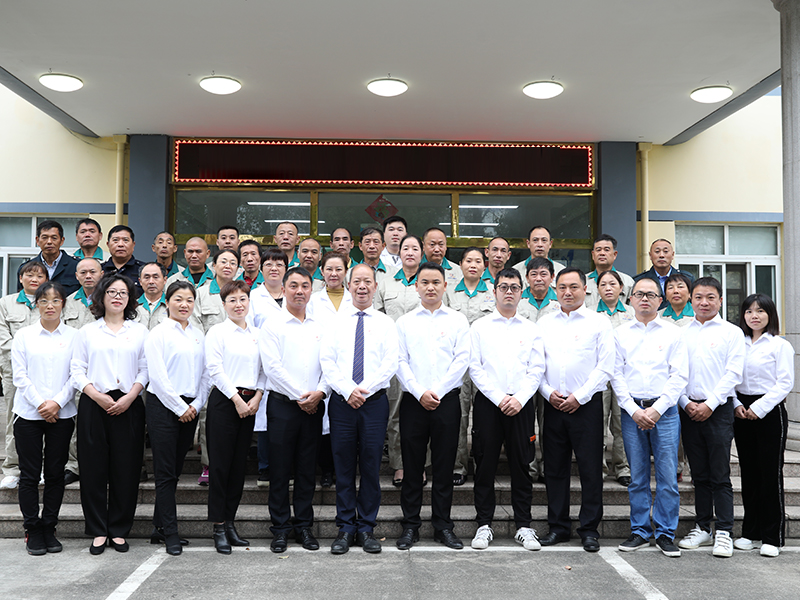
Shanghai Jiuzhou Chemicals Co., Ltd. is located in the key economic and manufacturing hub of Shanghai, China. Over the years, Jiuzhou has consistently adhered to the core operating principles of "Quality Control 100%, Innovation 100%", committing our deep resource pool to the research, development, and high-volume manufacture of premium innovative chemical products.
Our comprehensive production portfolio features various molecular sieve powders, finished molecular sieves, activated powder, activated alumina, aluminum oxide catalysts, structural alumina packing, inert ceramic support balls, sodium silicates, aluminum hydroxide, zeolite 4A, and sodium carbonates.
All manufacturing nodes operate under strict compliance with the ISO9001:2008 quality management system certification, paired with third-party testing and validation via TUV & SGS Certifications, ensuring seamless integration into Western markets like the United States, Southeast Asia, Japan, Europe, and the Middle East.
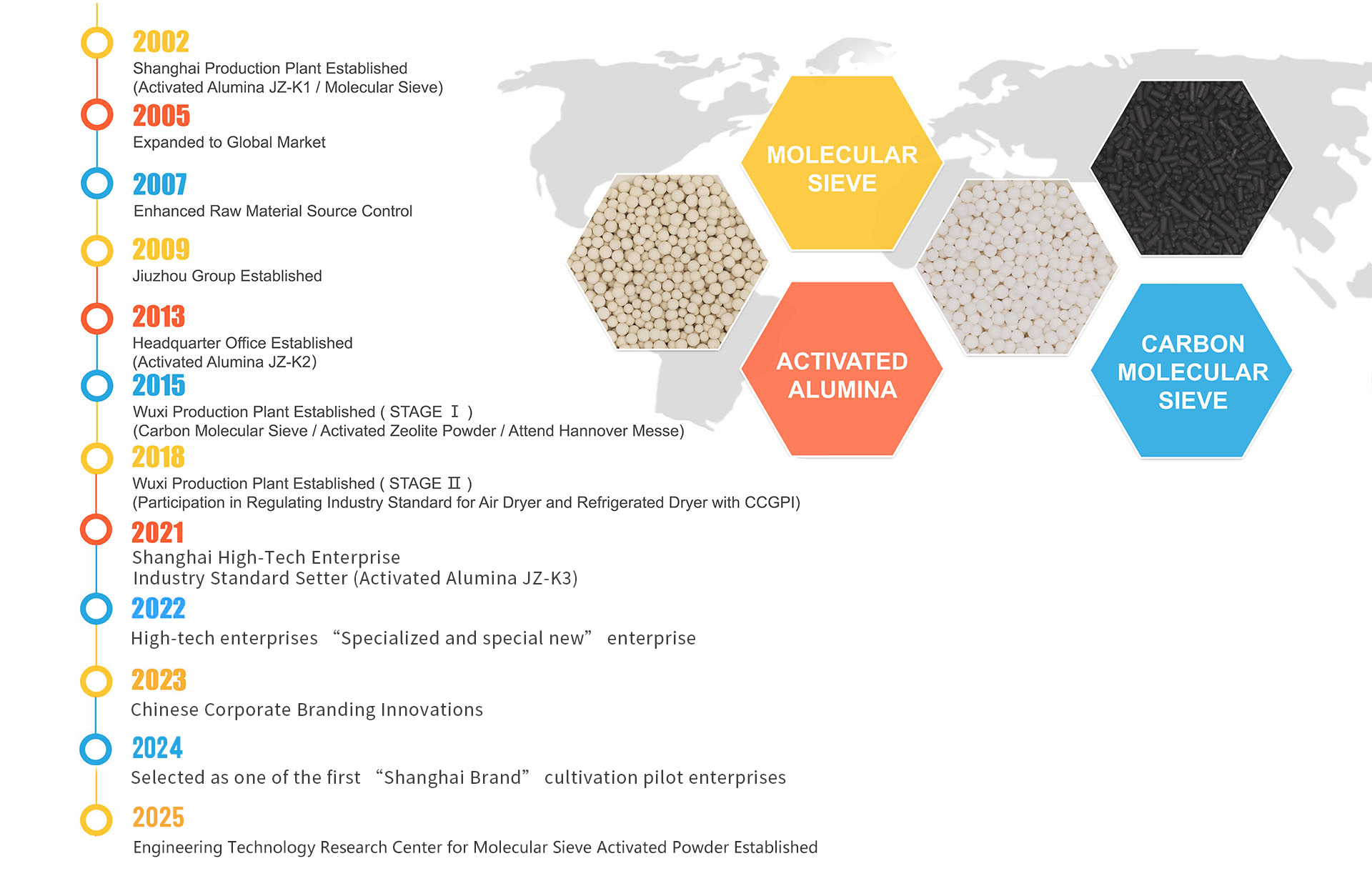
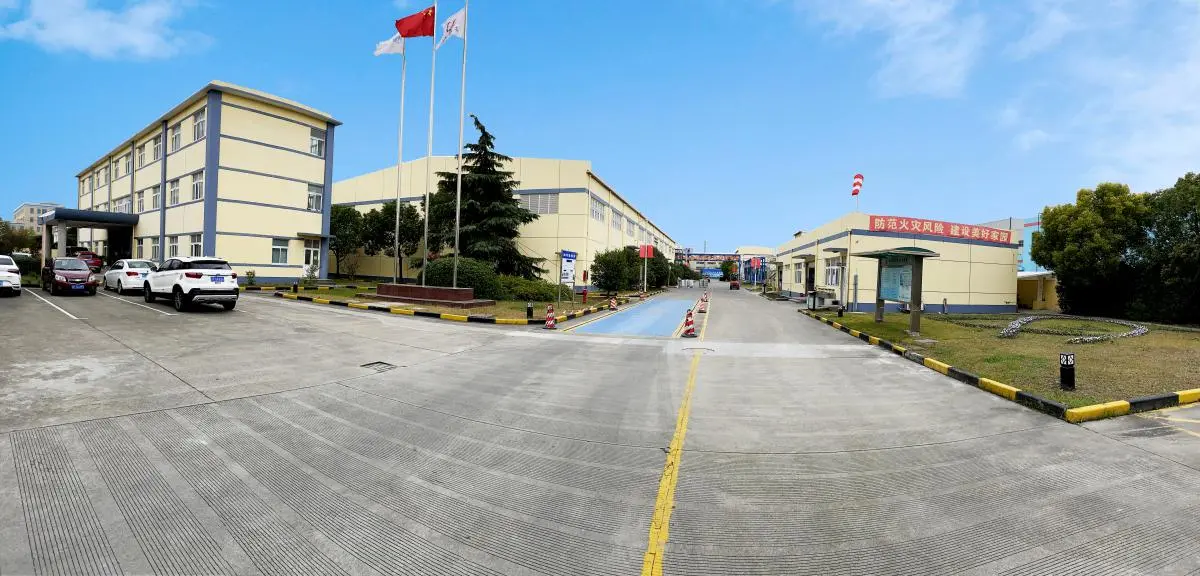

JOOZEO is not merely a manufacturer; we shape and define industry standards for compressed air drying and adsorption technology.
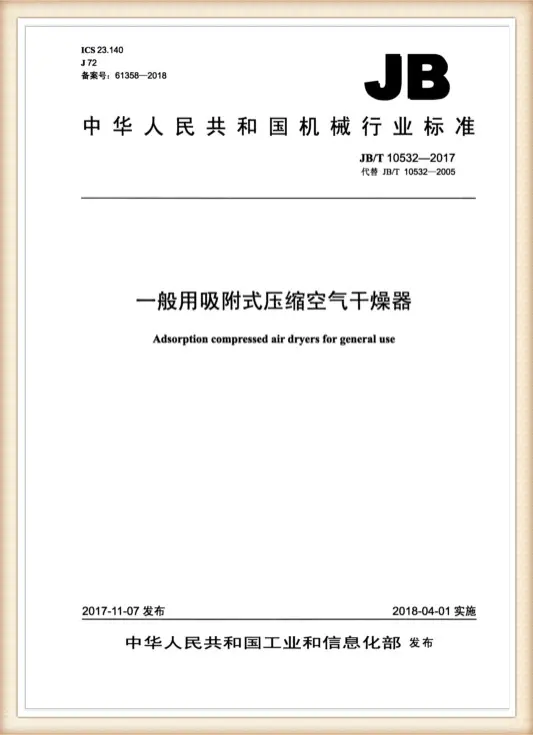
Adsorption compressed air dryers for general use.
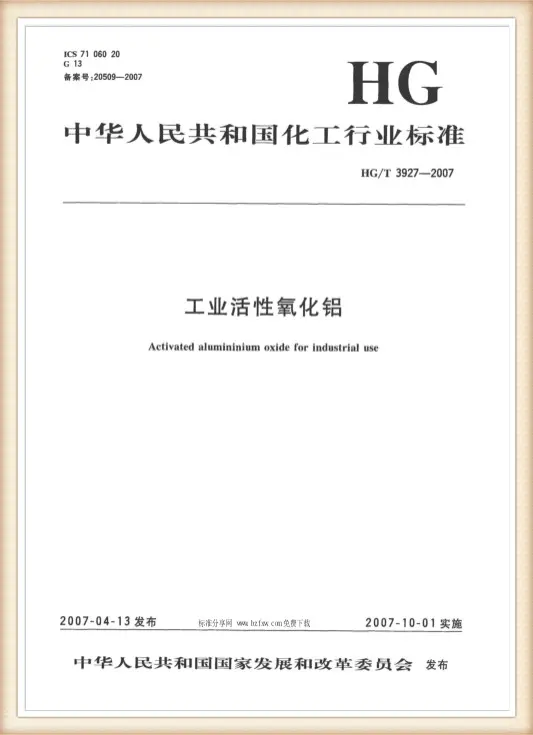
Activated aluminum oxide for industrial use.
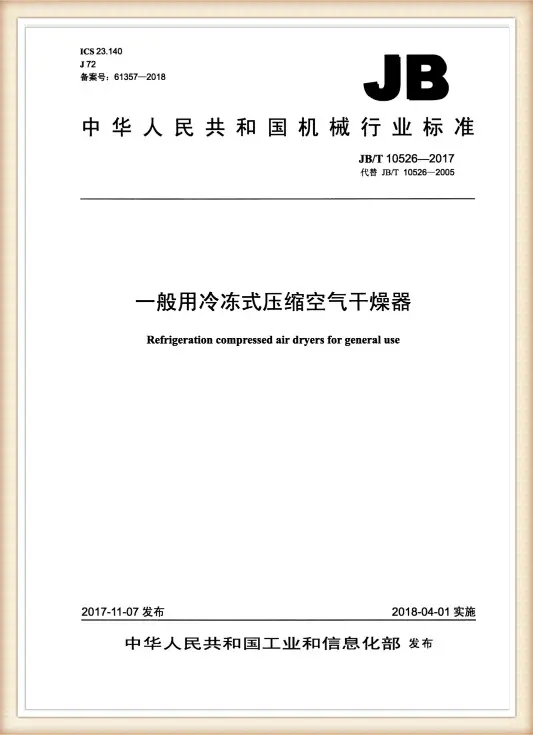
Refrigeration compressed air dryers for general use.
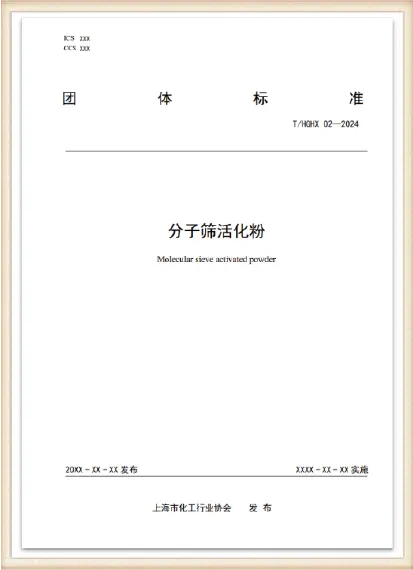
Advanced standard parameters for machinery & drying media.
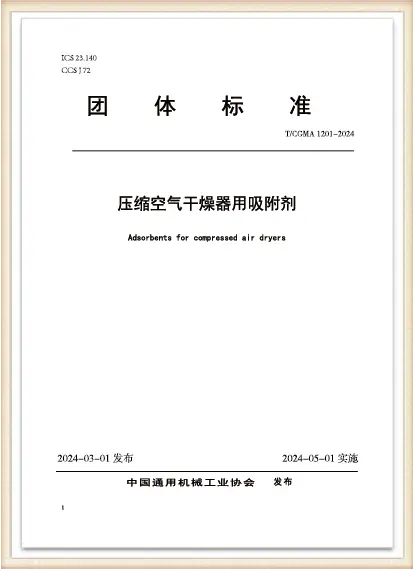
Chemical association guidelines for synthesis control.
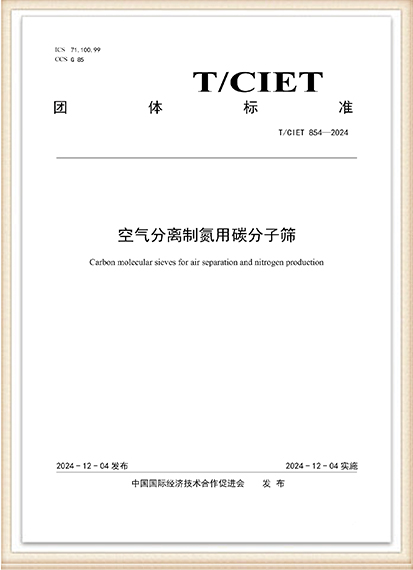
Green production and low-carbon emission chemicals standard.
At JOOZEO, we believe that industrial progress should not come at the expense of environmental integrity. Our research is focused on developing energy-efficient adsorption products that directly lower the electrical overhead of pressure swing adsorption (PSA) cycles globally.
By optimizing standard regenerability pathways, we reduce the thermal reactivation temperature requirements of our desiccants. This saves millions of megawatt-hours across global refining, petrochemical, and air-drying operations, aligning with international carbon-neutral mandates.


Modern supply chain management requires rapid turnarounds and stable price-to-performance ratios. JOOZEO integrates the efficiency of Chinese industrial manufacturing with strict Western operational standards:
By bypassing multiple layers of chemical distributors, Seattle-based process engineers, dryer manufacturers, and environmental consultancies can purchase molecular sieves directly from our ISO-certified facilities.
We guarantee compliance with standard US customs declarations, shipping logistics, and hazardous material safety regulations (SDS sheets compliant with GHS standards). Whether your setup requires super-sacks for large bed replacements or steel drums for small instrumentation dryers, we provide custom industrial packing solutions tailored to your operational specifications.
A broad array of specialized synthetic zeolites, silica gels, and carbon molecular sieves for targeted gas processing.
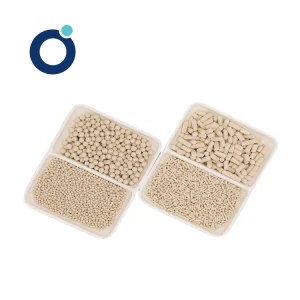
Large-pore crystalline material designed for gas sweetening and mercaptan separation processes.
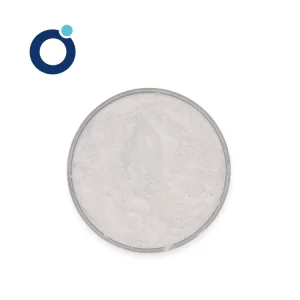
Dehydrating additive for polyurethane industrial coatings, sealants, and elastomeric systems.
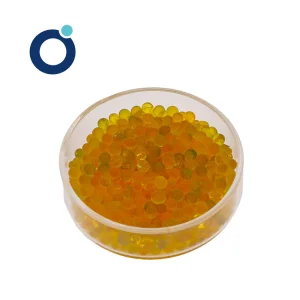
Visual moisture indicating gel for transformer breathers and electrical control enclosures.
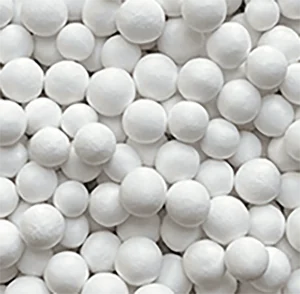
High-stability active catalyst carrier for hydroprocessing and heavy hydrocarbon cracking.
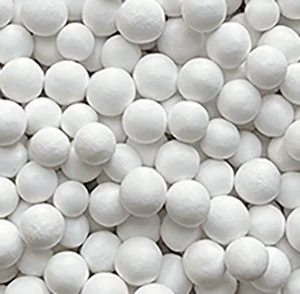
Advanced adsorption media optimized for dynamic hydrogen sulfide and siloxane capture loops.
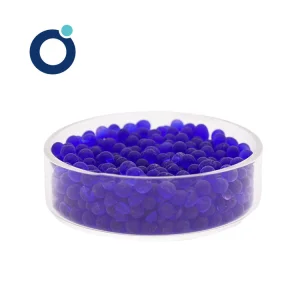
Porous amorphous silica with high specific surface area for dynamic relative humidity controls.
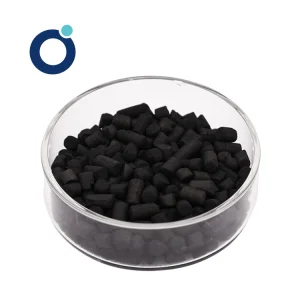
Optimized iodine-number carbon media for water filtration and industrial VOC recovery systems.
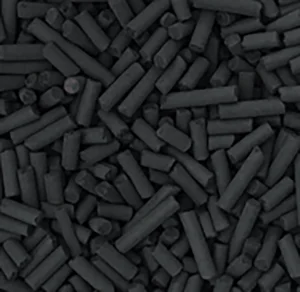
Transition-metal doped molecular sieve compound for specialized chemical refining reactions.
Direct technical answers from our R&D directors to help you optimize column runtime and prevent premature bed failures.
Partner with an industry standard setter. Our technical support team responds within 24 hours with custom sizing calculations, datasheets, and direct factory pricing quotes.