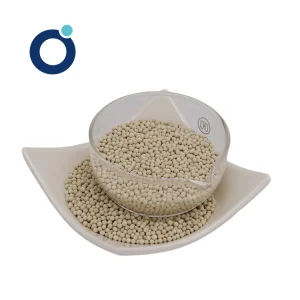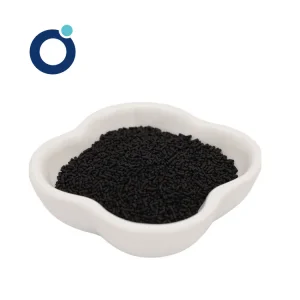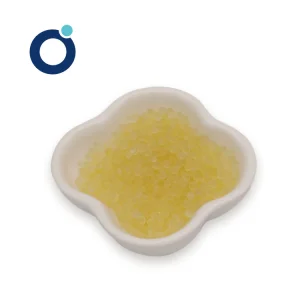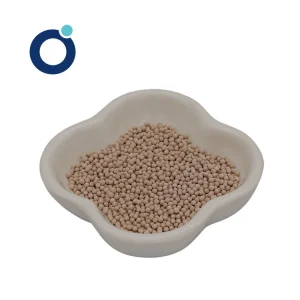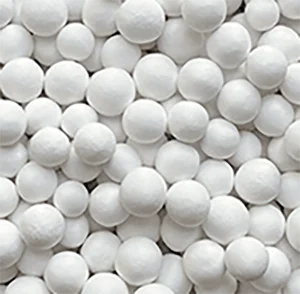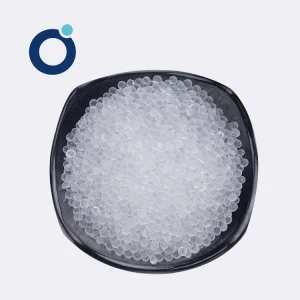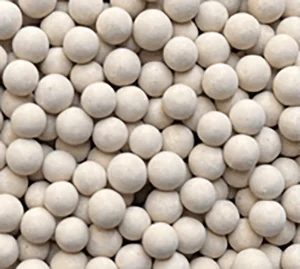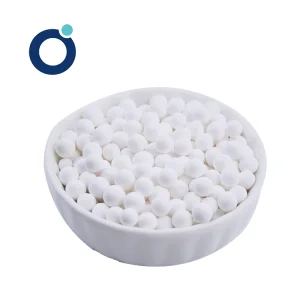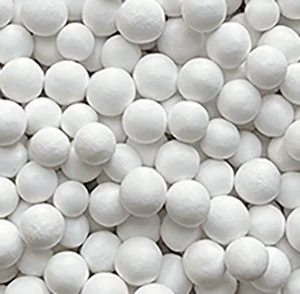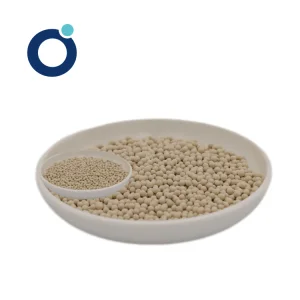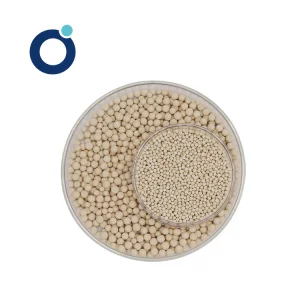
As global supply chains advance into nano-electronics, highly sensitive biopharmaceuticals, and precision optical machinery, standard desiccants like traditional clay and silica gel no longer meet the stringent relative humidity thresholds required. Major international OEMs and standard procurement bodies are increasingly turning to advanced Molecular Sieve Desiccant Packets.
Unlike common silica gel, molecular sieves exhibit a Type I isotherm, maintaining exceptional adsorption performance even at relative humidity (RH) levels below 10%. This is vital for materials prone to micro-condensation during trans-oceanic transit or prolonged storage cycles.
In high-temperature logistics corridors (e.g., shipping containers reaching internal temperatures above 60°C), molecular sieve crystals retain water molecules within their crystalline structure, preventing the devastating moisture re-release typical of lower-grade clay alternatives.
Modern procurement rules enforce standards such as DIN 55473, MIL-D-3464E, and FDA Title 21 CFR compliance. Global buyers demand OEM configurations that seamlessly integrate into high-speed packaging lines while maintaining absolute compliance.
Strategic Insight for Procurement Managers: Selecting the correct pore structure (typically 3A, 4A, or 5A) prevents co-adsorption of volatile organic compounds (VOCs) or process gases. Working directly with an experienced OEM manufacturer like Jiuzhou Chemicals ensures that you receive desiccants customized down to the physical packet membrane substrate and pore size requirements.
A global pioneer in desiccant engineering, chemical research, and molecular structure optimization.
Shanghai Jiuzhou Chemicals Co., Ltd. is located in the largest economic development city, Shanghai. Over the years, Jiuzhou has always adhered to the "quality control, innovation" principles, committed to the development, research, and manufacturing of high-quality innovative chemical products.
Our main products include various molecular sieve powders, molecular sieves, activated powder, activated alumina, aluminum oxide catalysts, different types of alumina packing and ceramic balls, sodium silicates, aluminum hydroxide, zeolite 4A, sodium carbonates, SLES, etc. All of our products have passed the ISO9001: 2008 quality management system certification and TUV & SGS certification.
Jiuzhou's technical strength and industry reputation are leading the industry in the field of desiccants, with senior experts and technical reserves, automated multi-functional production workshops, and a central laboratory and dynamic laboratory composed of large-scale monitoring and analysis instruments. Joozeo products are exported to all parts of the world, establishing a distribution network in the United States, Southeast Asia, Japan, Europe, North and South America, the Middle East, and other places to provide partners with high-quality products, customized services, and more energy-saving and environmentally friendly adsorption solutions.
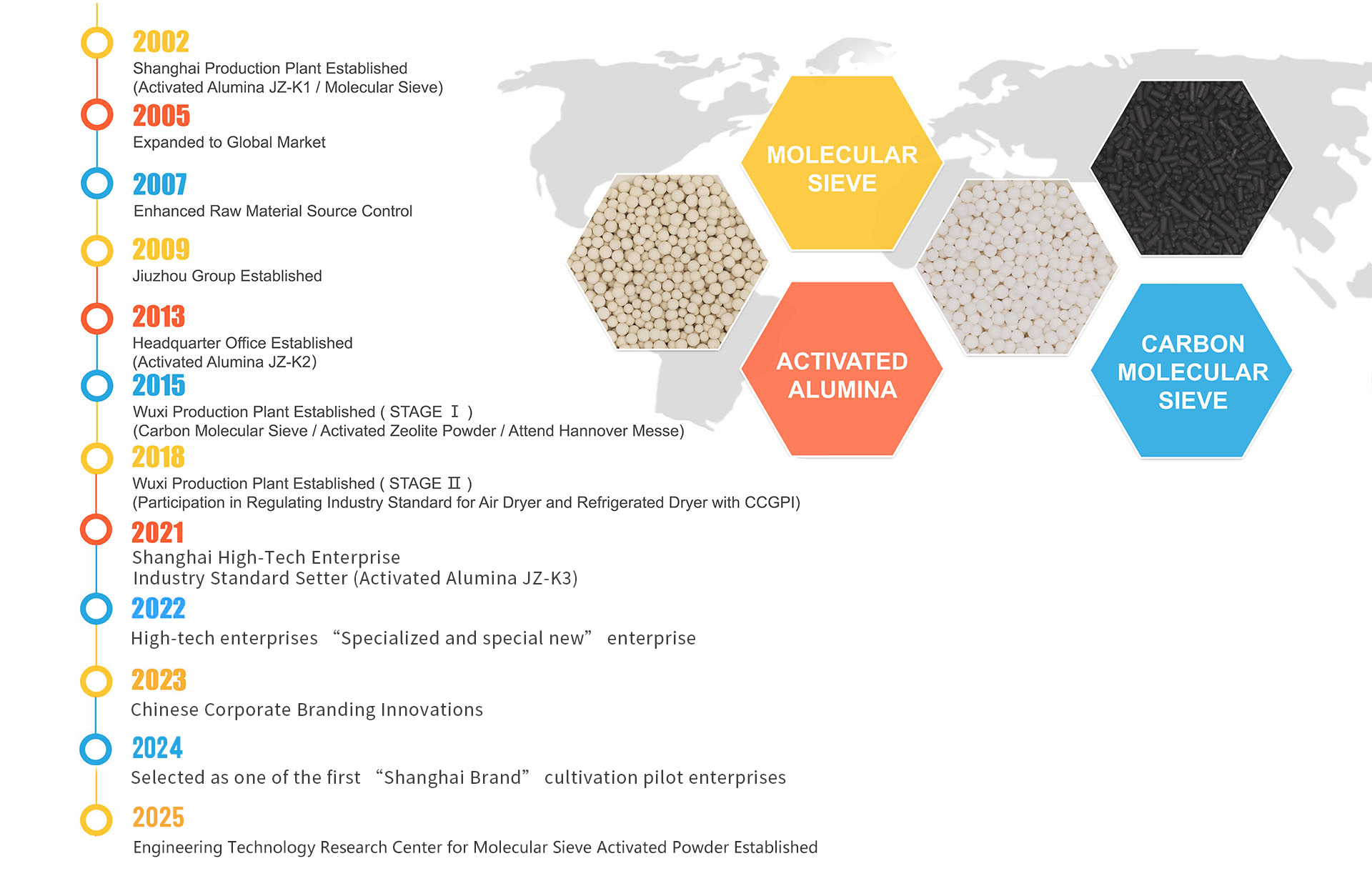
Our dual-production architecture via our specialized Shanghai and Wuxi manufacturing facilities gives us the output capacity and material stability required to fulfill large-scale global contracts. Our facilities run automated, dust-controlled packaging environments designed for electronics and pharmaceutical-grade OEM requests.
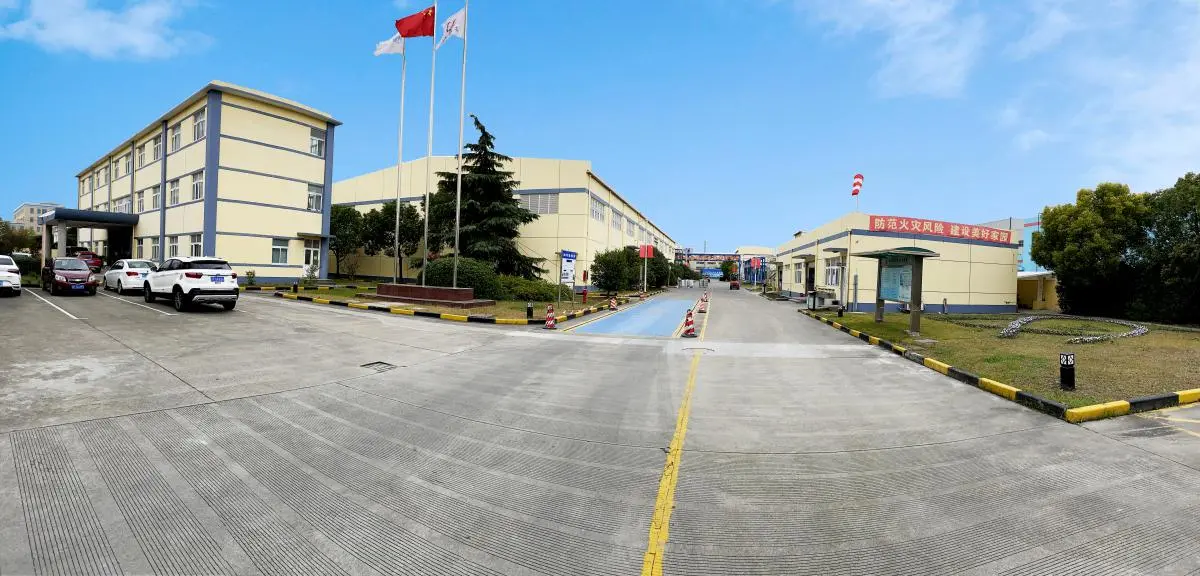
SHANGHAI FACTORY

WUXI FACTORY
Through our dedicated dynamic labs, we verify the mechanical crushing strength, static water adsorption capacity, and dust-generation parameters of our materials. Our QA processes align with international standards, ensuring that every shipment is backed by batch-traceable laboratory verification documents.
Providing systems-level moisture control engineering for high-risk industrial, mechanical, and logistical sectors.
In double-pane insulating glass units, dynamic structural shifts occur due to temperature differentials. If moisture penetrates the spacer, fogging occurs. By using premium 3A molecular sieve packets inside the spacer frame, moisture is adsorbed without co-adsorbing air or noble gases like Argon, preventing window deflection and mechanical failure.
During reflow soldering, surface-mounted electronic components are vulnerable to "popcorning" if they have absorbed moisture. Packaging IC trays inside moisture barrier bags (MBB) containing low-dusting molecular sieve packets keeps the micro-environment at <5% RH, safeguarding microchips from structural fractures.
Diagnostic test strips, dry powder inhalers, and standard oral dosage formulations are highly sensitive to hydrolytic degradation. By packaging custom molecular sieve desiccants, we preserve reagent viability, prolong product shelf-life, and maintain chemical properties under varied temperature conditions.
Evaluating the transition to next-generation adsorbents, environmentally sustainable binders, and smart diagnostics.
The molecular sieve industry is shifting towards optimized pore distributions and reduced binder-to-zeolite ratios. Typical molecular sieve structures contain up to 20% inert clay binder, which reduces the theoretical water capacity per unit volume. Jiuzhou Chemicals is researching binderless and low-binder zeolite synthesis technologies to increase capacity by up to 15%.
Moreover, the integration of smart humidity indicators inside transparent composite membranes allows automated sorting systems and operators to verify packet exhaustion in real time without opening the sealed protection barrier. Our technical roadmap focuses on green synthesis (using recycled silicate precursors) and dust-free packaging configurations to reduce carbon footprint while boosting reliability.
"Better Air, Better Life" — How Jiuzhou Chem balances industrial chemical manufacturing with high standards of environmental care and safety.

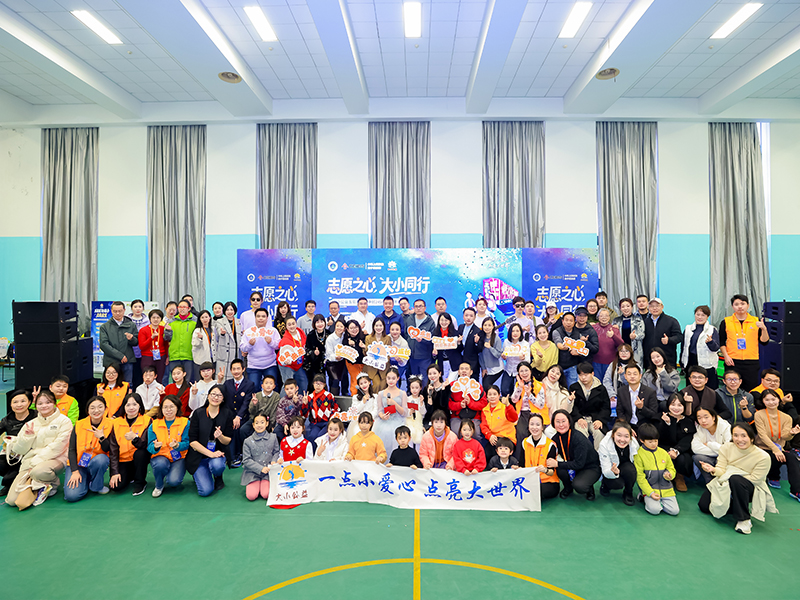
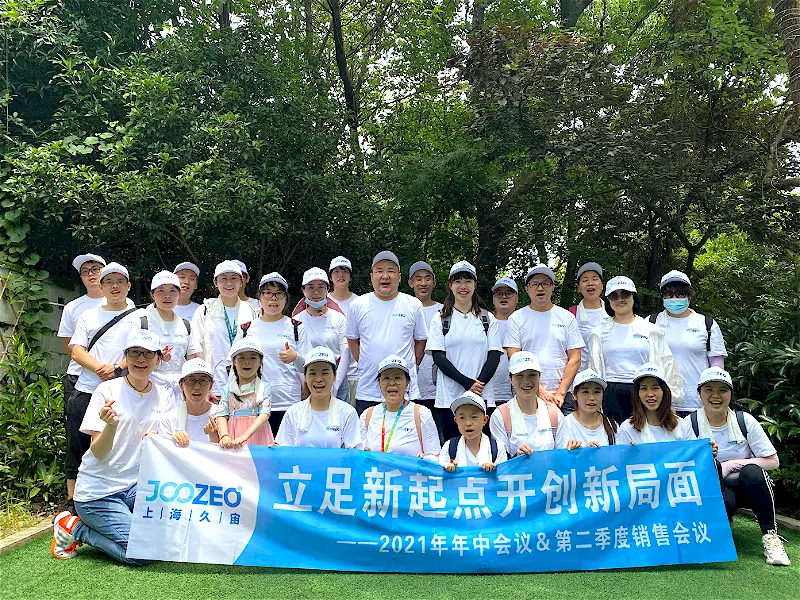
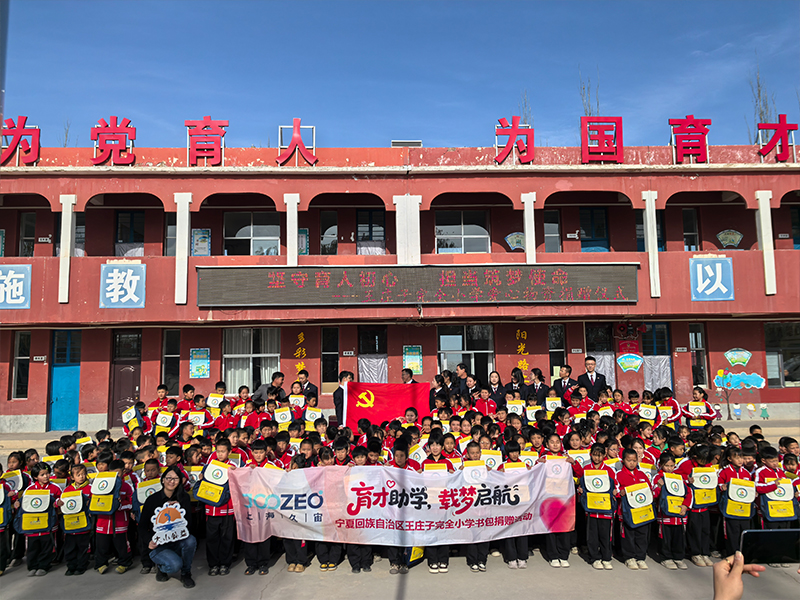
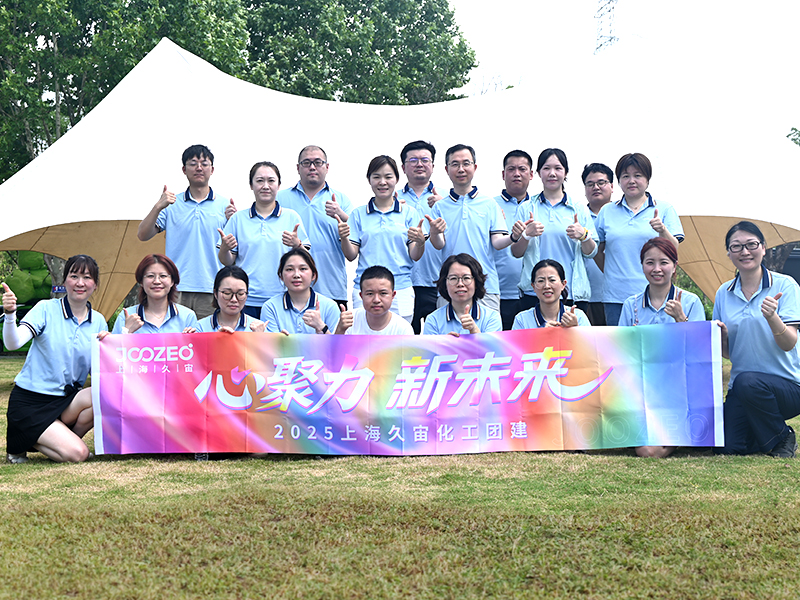
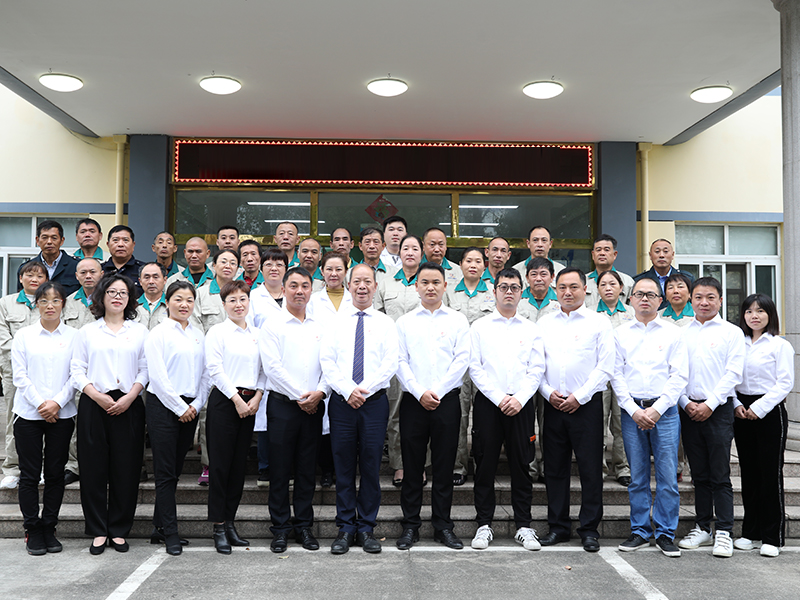
As a trusted industry leader, Shanghai Jiuzhou Chemicals actively participates in drafting and setting crucial national and industrial chemical standards in China.
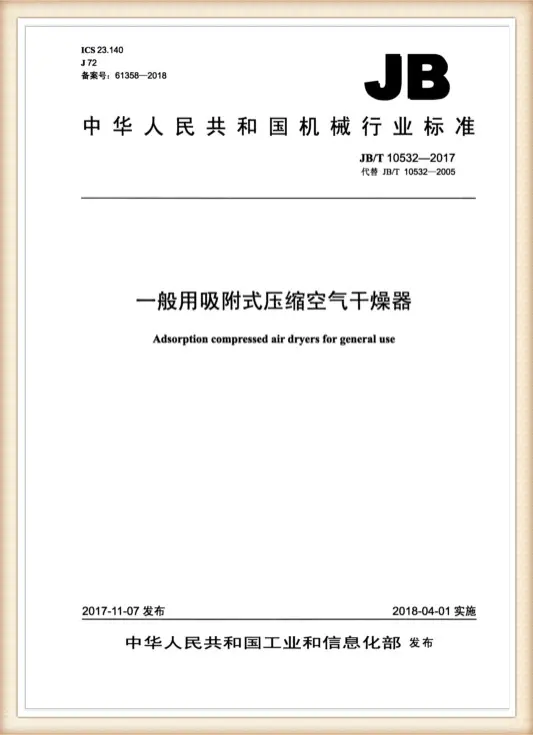
Adsorption compressed air dryers for general industrial use
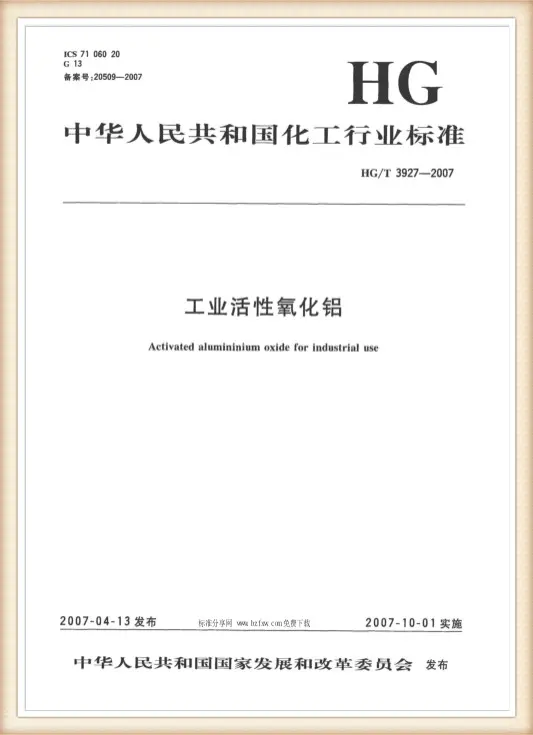
Activated aluminum oxide specifications for industrial use
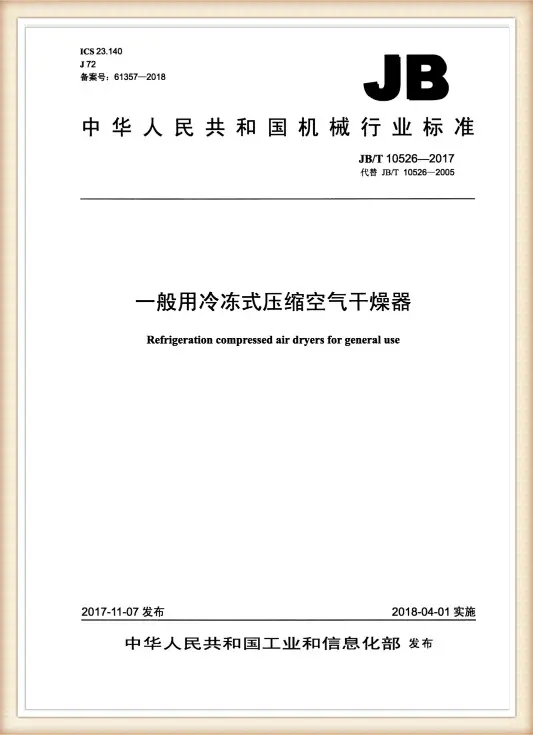
Refrigeration compressed air dryers for general industrial use
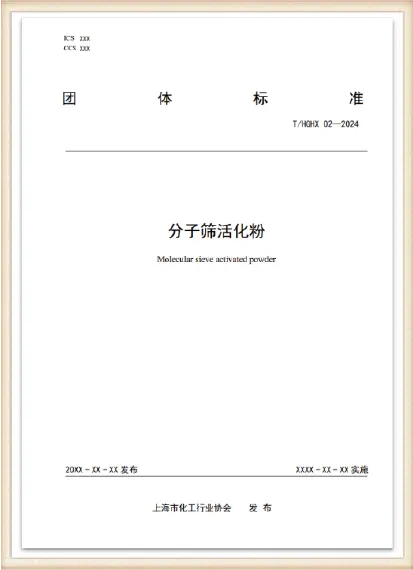
Modern machinery and gas treatment standard systems
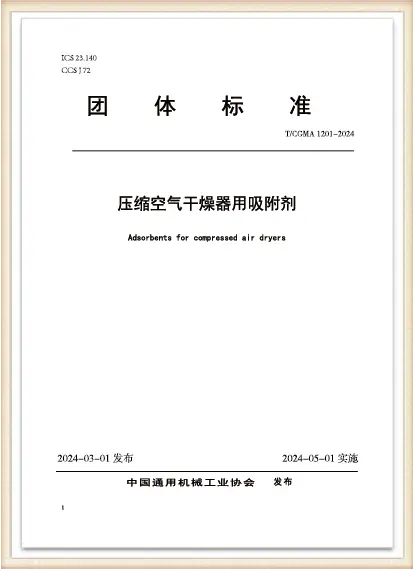
Specialty chemical processing and synthetic zeolite production guidelines
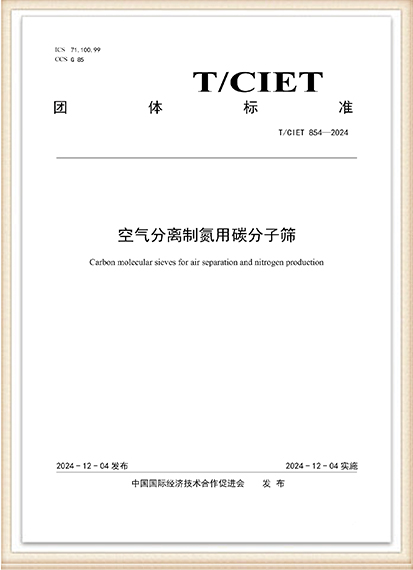
Green factory evaluation criteria for petrochemical and adsorbent industries
Our chemical experts answer technical queries regarding performance parameters, selection, and usage guidelines.
Silica gel is an amorphous silica structure with variable pore sizes that adsorbs moisture through physical capillary condensation. As a result, its capacity drops sharply at low relative humidity (below 20% RH) or elevated temperatures (above 40°C). Molecular sieves are crystalline aluminosilicates with uniform pore sizes (e.g., 3Å, 4Å, 5Å) that bind water molecules through strong electrostatic attraction inside their crystalline cages. They maintain high adsorption capacity even down to 1% RH and do not release moisture under high environmental temperatures during transport.
The choice depends on the size of the molecules you wish to exclude from adsorption to prevent co-adsorption issues:
We provide a variety of high-performance membranes depending on the application requirement. Options include Dupont Tyvek (offering high gas permeability and zero lint generation for electronics/pharmaceuticals), composite paper (providing cost-efficient protection for consumer goods), and anti-static films (designed for sensitive electronic components sensitive to electrostatic discharges).
When stored in their original hermetically sealed containers (metal drums or high-barrier foil bags) in a cool, dry place, our molecular sieve desiccant packets have a shelf life of up to 2 years. Once opened, they should be immediately deployed or resealed in airtight packaging to prevent pre-saturation from atmospheric humidity.
Yes, molecular sieves can be regenerated by thermal desorption. Typically, this requires heating the material to temperatures between 200°C and 350°C under dry purge gas flow or vacuum. However, for packets wrapped in membrane materials like Tyvek or composite paper, heating is not recommended as it will melt or damage the packet wrapper. Only bulk beads/pellets should be thermally regenerated.
Have custom packaging dimensions, weight specifications, or specific cleanroom packaging requirements? Our technical team responds within 24 hours with complete quotes and regulatory documentation.
Send Inquiry Request