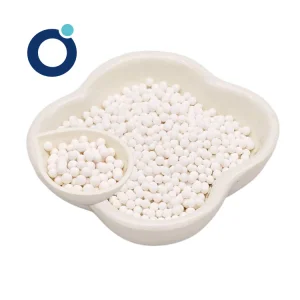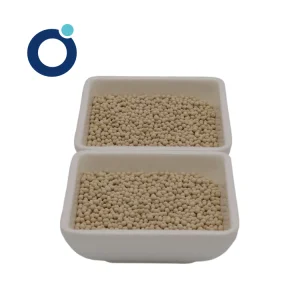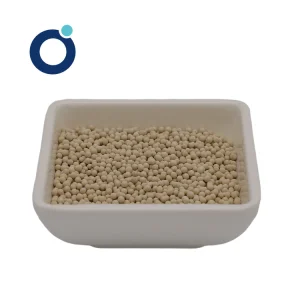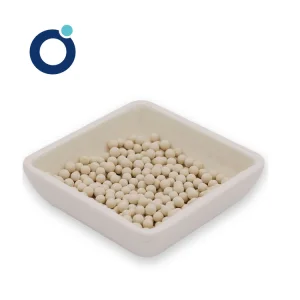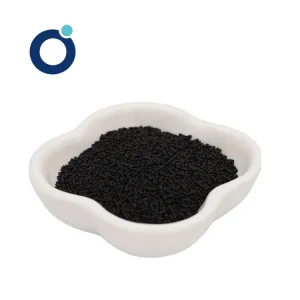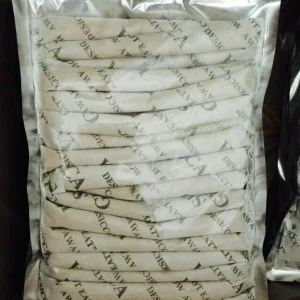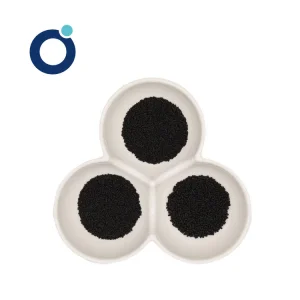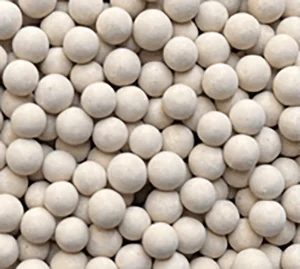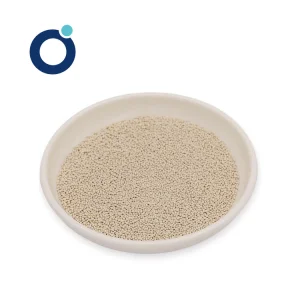
Explore our premium product portfolio designed for extreme moisture extraction and process gas purification globally.
In the modern chemical processing, electronics fabrication, food packaging, and heavy metallurgical industries, compressed air is often referred to as the "fourth utility." However, water vapor within compressed air pipelines represents a catastrophic structural threat. The procurement of heavy-duty desiccant materials—primarily activated alumina (Al₂O₃)—constitutes a multi-billion dollar market globally. Procurement divisions must cross-examine physical performance indicators, chemical stability, and operational life-spans of desiccants to achieve optimal Total Cost of Ownership (TCO).
Enterprise buyers from Germany, North America, Southeast Asia, and the Middle East are shifting from simple cost-per-ton metrics toward long-term thermodynamic efficiency. The primary driver is energy preservation. An air dryer utilizing substandard alumina suffers from high flow resistance and rapid physical degradation (dusting), resulting in enormous pressure drops across the vessel bed. For every additional 1 bar of pressure drop, the upstream air compressor consumes approximately 7% more electrical power. High-quality spherical activated alumina, engineered with optimized macroporosity, minimizes this energy penalty.
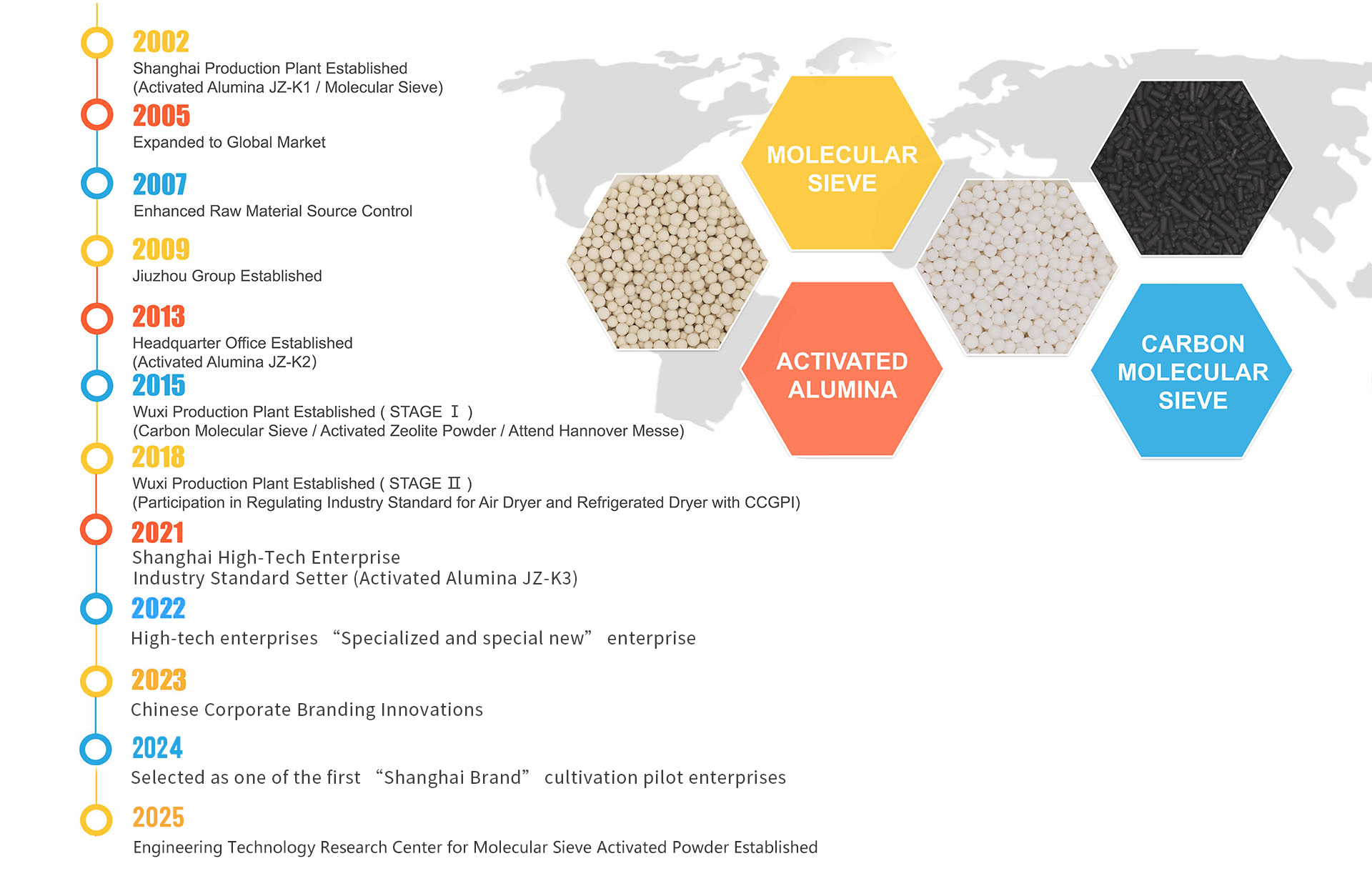
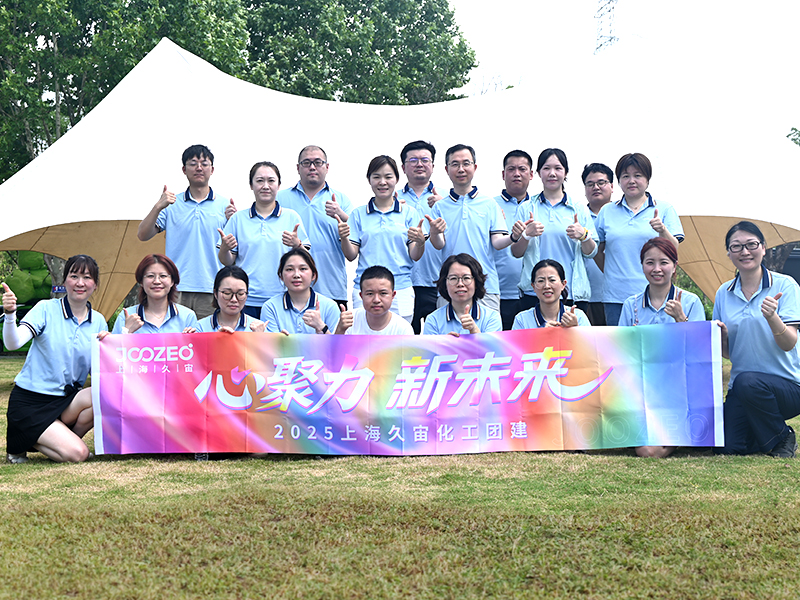
Shanghai Jiuzhou Chemicals Co., Ltd., operating globally under the premier brand JOOZEO, is situated in Shanghai, China's core economic hub. Over thirty years of operation, Jiuzhou has consistently adhered to the twin principles of "Quality Control" (100%) and "Innovation" (100%). Our primary research and manufacturing divisions are dedicated to the synthesis of premium molecular sieve powders, active molecular sieves, activated powder, activated alumina, aluminum oxide catalysts, various ceramic packaging, sodium silicates, aluminum hydroxide, and related environmental adsorbents.
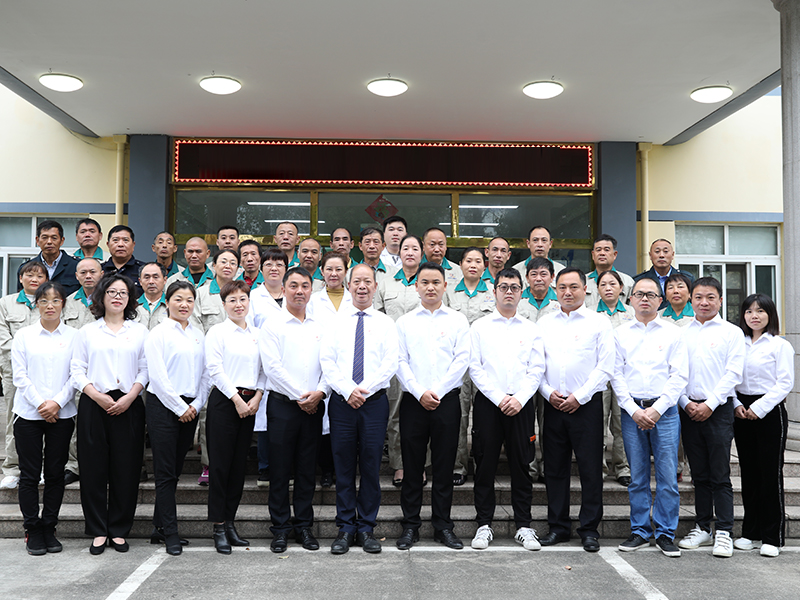
Holding certifications including ISO9001:2008, TUV, and SGS, Jiuzhou operates state-of-the-art manufacturing plants in Shanghai and Wuxi. By employing international production technologies alongside a centralized testing laboratory equipped with high-precision analytical equipment, we guarantee every batch complies with stringent international quality criteria.
Different compressed air dryers demand specific desiccant characteristics depending on target dew point, inlet temperature, and system pressure. The table below represents the thermal and structural performance differences between Activated Alumina, Silica Gel, and Molecular Sieves.
| Adsorbent Media Type | Standard Dew Point Performance | Crush Strength (N) | Water Adsorption Cap. (RH 60%) | Primary Use Case | Regeneration Temp (°C) |
|---|---|---|---|---|---|
| Activated Alumina | -40°C to -70°C | 120 - 150 N | 15% - 20% | Heated/Heatless Air Dryers | 160 - 250 °C |
| Molecular Sieve 4A | -70°C to -100°C | 75 - 95 N | 20% - 24% | Ultra-low dew point critical apps | 200 - 300 °C |
| Silica Gel (Dryer Grade) | -40°C | 80 - 100 N | 30% - 35% | High inlet humidity systems | 120 - 160 °C |
Empowered by world-class automation and active involvement in national and industrial standard formulation.
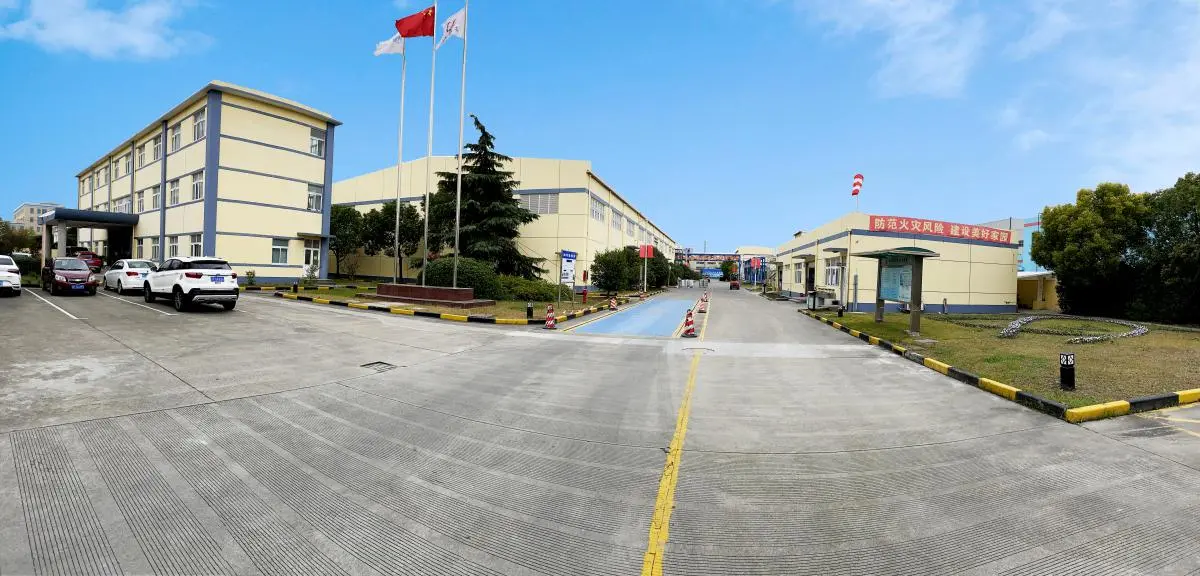
Focuses on high-purity chemical processing, dynamic adsorption research, and customized active catalyst materials.

Equipped with automated continuous rotary calcination systems for large-scale activated alumina production.
JOOZEO does not merely follow standards; we write them. Our technical leaders participate directly in drafting national chemical & engineering criteria.
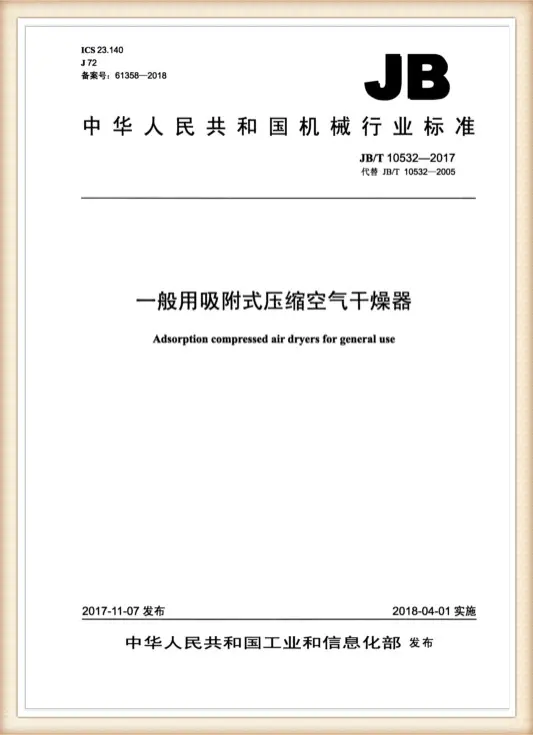
Adsorption compressed air dryers for general use.
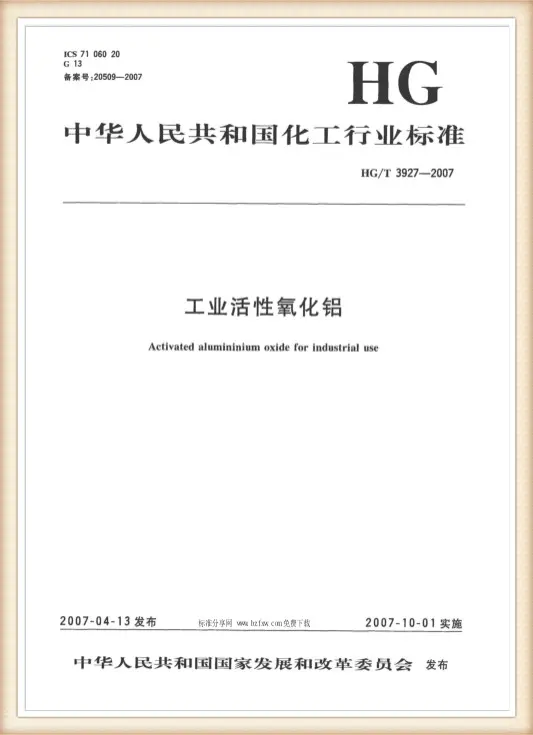
Activated aluminium oxide for industrial use.
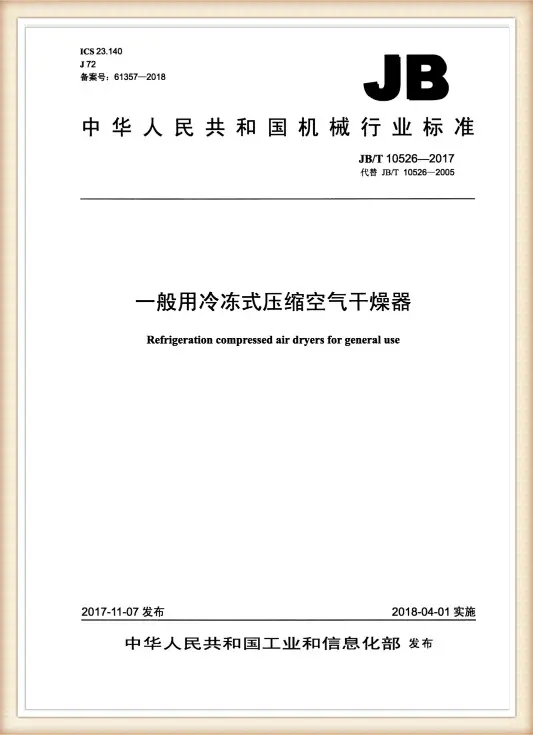
Refrigeration compressed air dryers for general use.
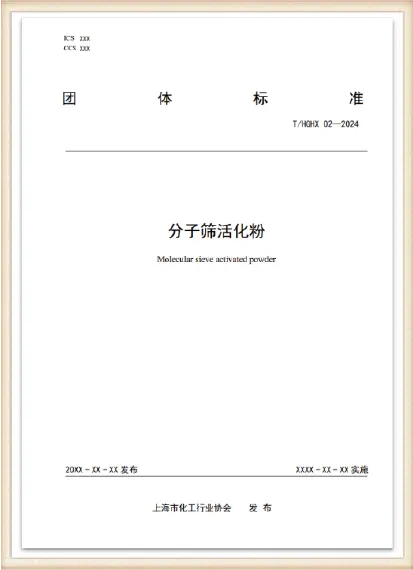
Industrial performance evaluation metrics.
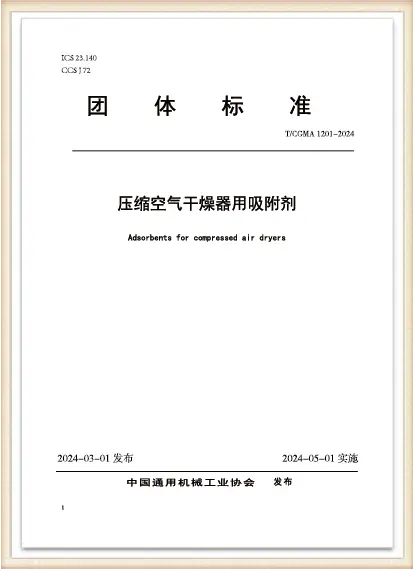
High-efficiency adsorbent standards.
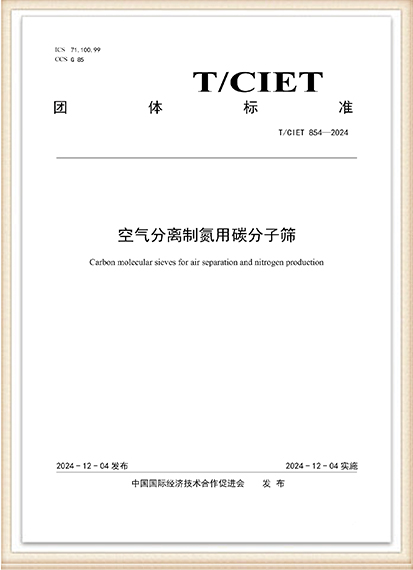
Green criteria for molecular sieves.
Modern process engineering calls for complex air drying systems. For instance, in electronic semiconductor fabrication, traces of humidity degrade lithographic resolution. In such circumstances, a hybrid desiccant configuration is utilized: a bed base of activated alumina to handle bulk liquid surge and high inlet moisture, coupled with a top layer of synthetic molecular sieve (molecular sieve JZ-AZ or JZ-ZMS4) to depress the pressure dew point to -70°C.
Jiuzhou customizes adsorbent solutions specifically for heatless regenerative air dryers, heated blower purge dryers, and heat-of-compression (HOC) systems. Our proprietary activated alumina formulations resist thermal degradation and cyclic mechanical stresses. The mechanical design of our materials minimizes the hydrothermal aging effect, which typically limits standard alumina desiccants.
At JOOZEO, industrial performance matches environmental stewardship. Adhering to the philosophy of "Better air, Better life", our production loops recycle raw process water and minimize gaseous waste outputs. Through our low-temperature activation innovations, we cut thermal carbon expenditure per ton produced by 15%, providing partners with environmentally conscious desiccant products.
As compression plants seek higher thermal integration, the technical demands on desiccants are evolving. The JOOZEO R&D team targets the following core performance areas in our technical roadmap:
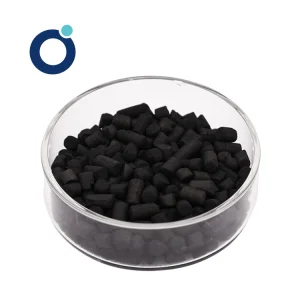
Complete your chemical adsorption and industrial filtration configurations with our high-grade specialty sieves and carbon adsorbents.
Expert clarifications on selection, performance metrics, and operational handling of drying desiccants.
Reach out to our global technical application specialists. We respond to design layouts and price inquiries within 24 hours.
Send Sourcing Request